
Contemporary decorative wall art: how to incorporate it into your décor
An empty wall can make a room feel as though it lacks personality. Yet sometimes, a single piece of contemporary decorative wall art is all it takes to create a focal point, define the space, and bring fresh energy to your interior. Abstract art, street art, pop art, graphic compositions, and digital creations now offer endless possibilities for decorating a living room, bedroom, office, or entryway.
Choosing artwork is not simply about selecting a beautiful image. Size, colors, material, lighting, and furniture also play an essential role. Well-proportioned modern wall art can make a space appear larger, enhance a sofa, or add warmth to overly neutral décor.
In this guide, discover the main categories of contemporary wall art, the trends that blend effortlessly into modern décor, and how to choose the right piece. You will also find practical tips for coordinating colors, creating a gallery wall, and choosing between an unframed poster, stretched canvas, floating frame, and acrylic glass print.
What is contemporary decorative wall art?
Contemporary decorative wall art is an artwork or visual creation that reflects current artistic sensibilities. It can be abstract, figurative, graphic, urban, digital, or inspired by photography. It is defined not by a single technique, but by the way it plays with shapes, colors, textures, contrasts, and cultural references.
In interior design, the term “contemporary” also describes a visual aesthetic. A piece can combine clean lines, an on-trend color palette, and a composition that blends seamlessly into a modern interior. It can also create an appealing contrast with antique furniture, a wooden table, or natural materials.
Artwork that brings structure to your décor
Contemporary wall art does more than simply fill an empty space. It can guide the eye, balance proportions, and tie together different elements in the room. For example, artwork featuring blue can echo an armchair, rug, or a few accessories, without having to use exactly the same shades throughout.
Wall decor that reflects your personality
Choosing wall art is, above all, a personal decision. Some people prefer geometric shapes and soft hues, while others seek a colorful piece, a graphic message or an image inspired by urban culture. The best wall decor is the one you enjoy every day and that complements the atmosphere you want to create.
A helpful tip: first decide how you want the room to make you feel, then look for a style, color palette and size that express that intention.
Modern or contemporary wall art: what is the difference?
The words “modern” and “contemporary” are often used interchangeably in interior decor, but they do not mean exactly the same thing in art history. Modern art generally refers to the major movements that emerged between the late 19thand century and the mid-20thand century. Contemporary art generally refers to the practices and works of the present day, although the boundaries vary between institutions and experts.
In a home decor store, modern wall art often refers to a piece with clean lines, structured shapes or on-trend colors. Contemporary wall art may share these characteristics while also incorporating urban, digital, pop or experimental influences. What matters most is the actual style of the artwork rather than its label alone.
How do you make the right choice?
If you are looking for understated decor, choose an abstract piece with simple shapes or a monochrome composition. If you want to add more character to your wall, opt for street art wall art, a pop art design or a piece with bolder contrasts. For a warm atmosphere, terracotta, beige, ochre, brown, sage green and deep blue tones pair effortlessly with wood and natural textiles.
Browse our selection of decorative wall art to compare the available styles, sizes and finishes.
Which art trends should you choose for contemporary decor?
Decor trends evolve, but some art styles remain easy to incorporate into any interior. To create decor that will not quickly go out of style, choose a piece you genuinely love and use trends as a source of inspiration rather than a rigid rule.
Abstract art: a timeless choice for contemporary walls
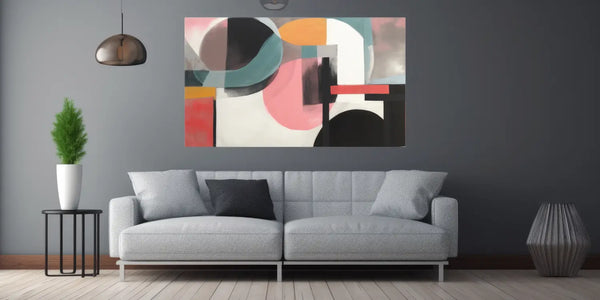
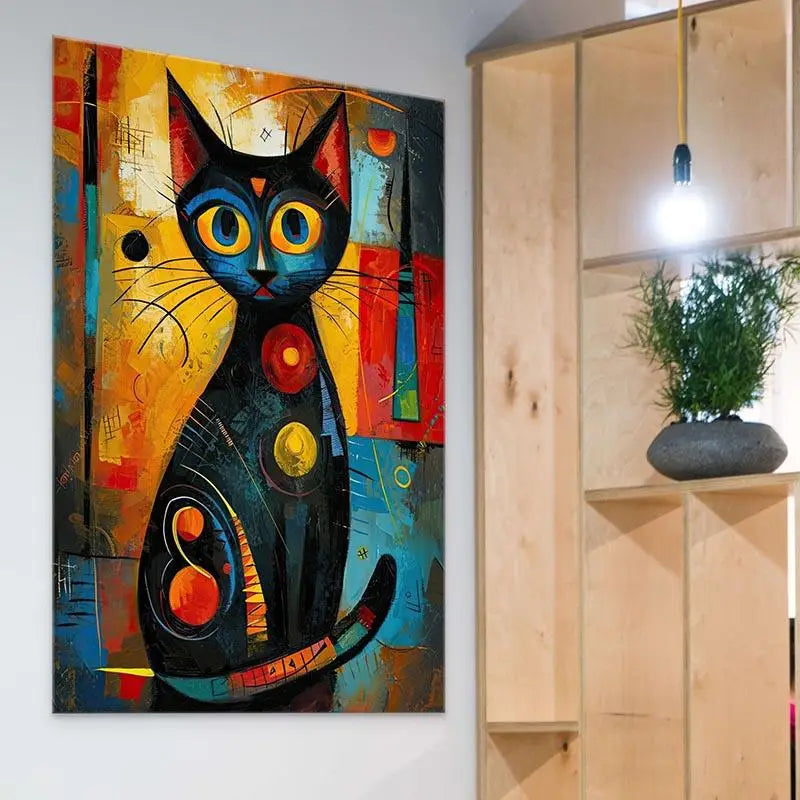
Abstract art works equally well in a minimalist living room, a soothing bedroom or a modern office. Geometric shapes create a sense of order, while freer compositions add movement and spontaneity. An abstract piece in beige, gray, blue or terracotta tones can complement understated furniture without overwhelming the room.
Street art: expressive wall decor
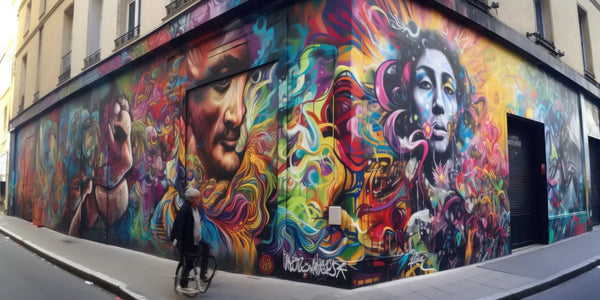
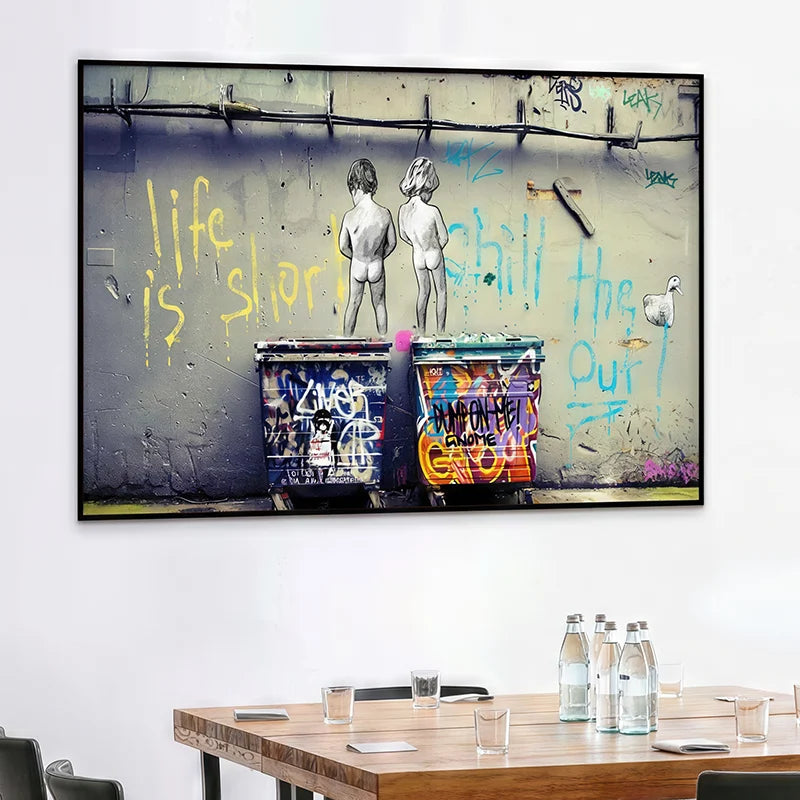
Street art and urban art captivate with their colors, messages and graphic energy. Wall art inspired by a mural, stencil, collage or graffiti can become the centerpiece of a living room or office. To balance its impact, pair it with light-colored walls, furniture with clean lines and a few coordinating color accents.
To explore this world, discover our street art wall art collection and our guide to choosing street art wall art to suit your interior.
Pop art: color with a touch of popular culture
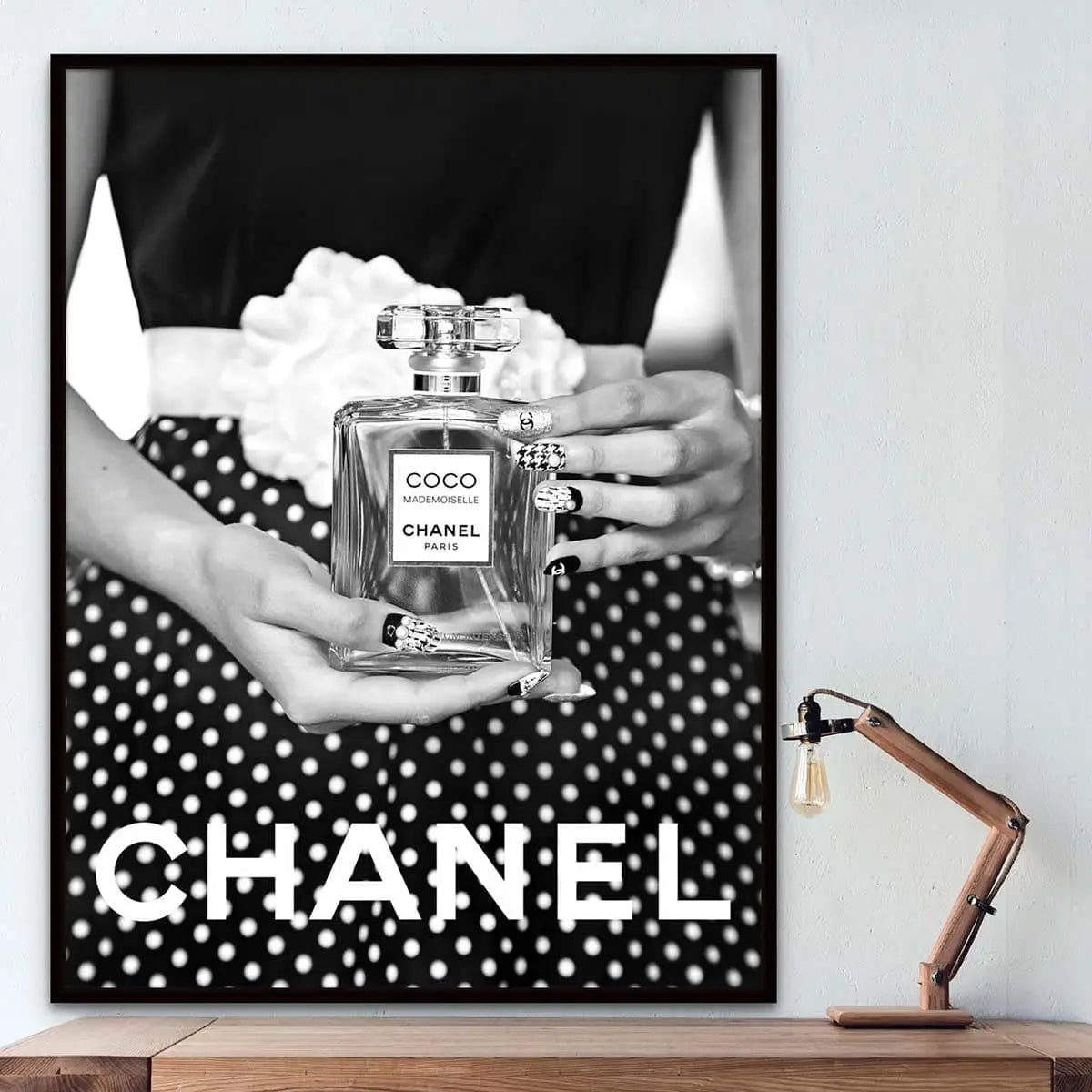
Pop art draws on bold colors, striking contrasts, stylized portraits, familiar objects and references to popular culture. It is particularly well suited to interiors with cheerful, original decor. To keep the look elegant, choose one statement piece and let the other elements in the room remain more understated.
Digital art and graphic creations
Digital art makes it possible to create compositions that could not be achieved with a single traditional technique: lighting effects, imaginary forms, layered textures, photographic collages or futuristic worlds. Printed on a high-quality wall art medium, it can blend seamlessly into contemporary, industrial or minimalist interiors.
Mixed media works follow the same approach. They sometimes combine painting, photography, collage, typography and digital editing to create an image rich in detail. This type of wall art is ideal when you are looking for an original piece that is structured enough to complement your furniture.
Diptych or triptych compositions
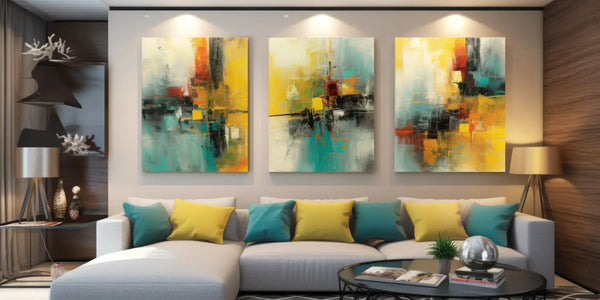
A multi-panel composition can bring scale to a wall and create a more dynamic visual flow. It works particularly well above a sofa, sideboard, or headboard. However, be sure to consider the overall width of the arrangement, the spacing between the panels, and any nearby windows or light fixtures.
How to choose wall art to suit your decor style?
Before choosing an image, consider the lines and materials already present in your room. The wall art does not need to match every piece of furniture perfectly, but it should complement the overall design. The right piece can echo an existing color, create intentional contrast, or add visual texture that the decor was missing.
In a minimalist interior
A minimalist interior benefits from a single, carefully chosen piece. Abstract, graphic, black-and-white, or naturally toned wall art blends in effortlessly. Opt for a clear composition and leave space around the artwork to maintain a sense of lightness.
In industrial decor
Industrial style embraces contrasts, raw materials, and urban influences. Street art, a black-and-white piece, or a graffiti-inspired composition can complement metal, concrete, leather, and dark wood. A black floating frame will naturally enhance this atmosphere.
In a Scandinavian or natural setting
For Scandinavian, Japandi, or nature-inspired decor, choose simple shapes and a soothing palette. Beige, off-white, warm gray, sage green, and soft blue pair beautifully with light wood, linen, and natural fibers. An abstract piece can add personality while preserving the room's calming feel.
In colorful or maximalist decor
A room that is already expressive can accommodate highly colorful wall art, provided you create a visual connection with the existing palette. Echo one or two colors from the artwork in the cushions, rug, or decorative accessories. Avoid mixing too many patterns without a unifying theme: the aim is to create a rich composition, not a visually cluttered wall.
Decorating tip: if your furniture is highly detailed, choose wall art with more defined shapes. If your room is understated, a bolder piece can become the focal point it needs.
How to coordinate the colors with the room?
The colors in a piece of wall art immediately influence the atmosphere of an interior. Warm shades make a room feel more inviting, blues and greens can create a sense of calm, while black-and-white contrasts add a graphic touch. For a cohesive look, start with the colors already in the room rather than choosing a piece simply because it is on trend.
On a white or light-colored wall
A white wall gives you plenty of freedom. You can hang vibrant wall art to create contrast or choose a more understated piece for an elegant decor. Wall art featuring touches of deep blue, terracotta, yellow or green naturally draws the eye without requiring many additional accessories.
On a dark or colorful wall
On a blue, green, charcoal gray or terracotta wall, choose artwork with lighter areas to maintain sufficient contrast. White, beige, gold tones or bold colors stand out particularly well. Also check the lighting: overly direct light can create glare or make certain details less visible.
For a living room
In a living room, the wall behind the sofa is often the most visible spot. The wall art can echo a color from the rug, cushions or curtains, or create a deliberate contrast. To find the perfect piece for this room, explore our selection of decorative wall art for the living room.
For a bedroom
In an adult bedroom, abstract art, stylized landscapes, monochrome compositions and deep color palettes help create a more restful atmosphere. Vibrant wall art can work well if you want an energetic decor, but it is generally best to limit the number of competing patterns around the bed. You can also explore our tips on incorporating urban art into a bedroom.
For a home office, entryway or dining room
In a home office, graphic art, typography or an abstract piece can energize the space without overwhelming it. In an entryway, a vertical format adds height and creates a striking first impression. Above a table or sideboard, a horizontal piece or an arrangement of several smaller pieces complements the width of the furniture.
Which size and wall arrangement should you choose?
Size is just as important as style. Artwork that is too small may get lost on a large wall, while oversized wall art can make a narrow space feel smaller. Measure the wall and the furniture below it before ordering, then visualize the size using painter’s tape or sheets of paper.
Above a sofa, bed, or sideboard
As a guideline, the width of the wall art or arrangement can be around two-thirds to three-quarters of the furniture’s width. This proportion is not an absolute rule, but it helps create a balanced look. Also leave enough space between the furniture and the artwork to prevent the wall art from appearing to rest directly on it.
Choose between horizontal, vertical, and square formats
- Horizontal format: ideal above a sofa, bed, table, or wide piece of furniture.
- Vertical format: well suited to narrow walls, entryways, and spaces where you want to emphasize height.
- Square format: easy to display on its own or pair with other artwork in a gallery wall.
- Diptych or triptych: a great way to decorate a large wall while maintaining a strong visual rhythm.
Create a multi-piece wall art arrangement
For a gallery wall, start by choosing an anchor piece: the largest, most colorful, or most meaningful artwork to you. Then add complementary sizes while maintaining a common thread, such as a color, theme, material, or frame style.
Before drilling, lay the templates out on the floor, then recreate the arrangement on the wall with masking tape. A gap of 8 to 12 cm between two frames is a good starting point and can be adjusted depending on the size of your artwork and the width of the wall. To learn more about this method, read our guide to creating a gallery wall at home.
Which medium should you choose for contemporary wall art?
The medium influences the final look, the artwork’s presence, and how it blends into your décor. No finish is better than another: the choice depends on your budget, the style you want, the room, and how much prominence you wish to give the wall art.
- Frameless poster: an affordable, lightweight solution, perfect for easily refreshing your décor or framing the artwork yourself. It is also ideal for those who wish to choose their own frame.
- Stretched canvas on wooden frame: a ready-to-hang finish that gives the image greater presence. Canvas fits effortlessly into a living room, bedroom, or office.
- Black floating frame: a bold finish that defines the edges and enhances the artwork's contemporary, industrial, or urban character.
- White floating frame: a brighter, more understated option suited to light-colored walls, minimalist interiors, and soft color palettes.
- Plexiglass: a modern material with a glossy finish, particularly well suited to colorful artworks and graphic compositions. Simply avoid placing it directly opposite a light source if reflections bother you.
To make choosing easier, consider whether you want a subtle look, a ready-to-hang finish, a highly visible border, or a glossy surface. Also think about the room's lighting and maintenance requirements. An artwork intended for a very bright wall will not look the same as wall art displayed in a darker hallway.
Check before ordering: the final dimensions, finish type, hanging system, potential weight of the piece, and the available space around the artwork.
Where can you buy contemporary decorative wall art?
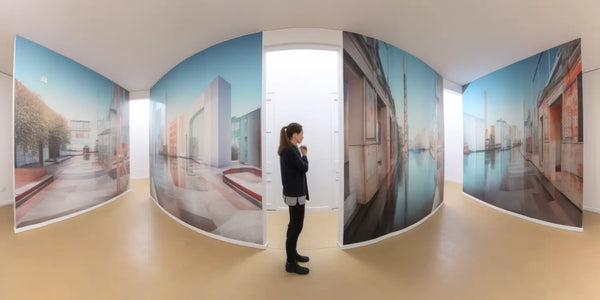
Art galleries, fairs, and exhibitions remain wonderful sources of inspiration for seeing artworks in person and discovering new artists. Online platforms, meanwhile, offer a wider choice of styles, sizes, and materials, with the option to compare designs from home.
What to check when shopping online
- Artwork presentation: make sure the images show the colors, details, and how the piece looks in a room.
- Dimensions: check the actual size of the wall art, not just the proportions of the displayed thumbnail.
- Material: clearly identify whether it is a poster, stretched canvas, floating frame, or Plexiglass print.
- Finish: look for information about the edges, frame, surface, and hanging system.
- Production and shipping: check the stated lead times, tracking options, and delivery terms.
- Returns and customer service: read the terms that apply to your chosen material and size.
- Transparency: a decorative reproduction, an inspired creation, or an original artwork should be presented using clear terms.
At Montableaudeco, you can compare a variety of wall decor styles and select the finish that best suits your interior. Browse the decorative wall art collection for the living room or explore the different styles in our decorative wall art catalog.
Why choose wall art that suits your room?
Wall art bought on impulse may not create the desired effect if it is too small, if its colors do not stand out, or if the material does not suit the look you want. Taking a few minutes to measure the wall and compare finishes significantly increases your chances of achieving a harmonious result.
How should you install and care for your contemporary wall art?
Preparing for installation
Start by cleaning the area of the wall and marking the center line of the furniture or room. Measure the height and check the arrangement from several viewpoints. If you are hanging several pieces, use paper templates so you can move them around before permanently securing the full arrangement.
The hanging system should be chosen according to the weight of the wall art, the type of wall, and the mounting surface. Suitable fixings help prevent accidents and protect both the artwork and everyone in the room. If in doubt, seek professional advice or use fixings recommended for your type of wall.
Preserving the colors and finish
Dust your wall art regularly with a soft, dry cloth. Do not use abrasive products, a damp sponge, or cleaners not designed for the surface. Also avoid placing the artwork directly next to a heat source, in a very humid area, or in direct sunlight for extended periods.
For acrylic glass prints, use a clean microfiber cloth to minimize marks and micro-scratches. For a canvas or poster, always handle the artwork by its clean edges and avoid pressing on the printed surface.
FAQ: contemporary decorative wall art
Which contemporary wall art should you choose for a living room?
Choose a piece that is proportionate to the width of the sofa or furniture below it. Colorful abstract wall art brings energy to a bright living room, while a graphic piece in black and white or natural tones suits more understated decor.
What is the difference between modern and contemporary wall art?
In art history, modern art generally refers to movements from the late 19thand century to the mid-20thand century, whereas contemporary art generally refers to current creations. In interior design, however, both terms can describe a piece with clean lines and a modern look.
Which Format Should You Choose: Poster, Canvas or Acrylic Glass Print?
An unframed poster is lightweight and affordable, stretched canvas offers a ready-to-hang finish, a floating frame highlights the edges and an acrylic glass print adds a glossy, modern finish. The right choice depends on your desired style, the room and the lighting.
How Do You Choose the Right Size Wall Art for Above a Sofa?
Measure the width of the sofa and use painter's tape to visualize several sizes. As a general guideline, wall art or an arrangement measuring around two-thirds to three-quarters of the furniture's width often creates a pleasing balance.
Can You Mix Several Contemporary Wall Art Pieces?
Yes, provided you maintain a common thread: a color palette, theme, similar sizes or matching frames. Start with an anchor piece, then test the arrangement on the floor before hanging it on the wall.
Is Street Art Suitable for a Bedroom?
Yes. For a bedroom, choose a piece whose colors and message match the atmosphere you want to create. A monochrome stencil, an urban abstract composition or wall art in deep tones can create an expressive look without overwhelming the space.
How Can You Keep Your Wall Decor from Looking Too Busy?
Use one main piece, limit competing patterns and echo only one or two colors from the wall art in your accessories. Leave enough space around the piece to keep it visually clear.
Conclusion: Create Wall Decor That Reflects Your Style
Contemporary wall art can transform an ordinary wall into a true decorative feature. Abstract art, street art, pop art, digital art or graphic compositions: every style can find its place, provided you consider the proportions, lighting and overall atmosphere of the room.
To bring your project to life, start by defining your desired style, measure the available space and choose the format that suits your lifestyle. An unframed poster, stretched canvas, black or white floating frame and acrylic glass print will each create a different effect, even with the same artwork.
Looking to modernize your living room, bedroom or office? Explore the Montableaudeco wall art collection and find the piece that will add character to your interior.