
Simple and elegant interior design: the essentials for a harmonious home
Successful interior design does not mean accumulating furniture, colors, and decorative objects.
The most enjoyable interiors often rely on a few simple choices: a cohesive palette, well-proportioned furniture, warm lighting, pleasant materials, and wall decor capable of giving the room a true identity.
A well-chosen piece of wall art, a rug, a few cushions, and the right lighting can sometimes transform a living room more than an accumulation of accessories.
Here are the essential elements for creating decor that is elegant, warm, and personal.

Start by defining a cohesive color palette, then choose furniture suited to the room’s dimensions. Next, add textiles, multiple light sources, and wall decor that reflects your personality. The goal isn’t to fill the space, but to create a balance between aesthetics, comfort, and functionality.
1. Elegant decor starts with consistency
Before buying even the smallest object, take a few minutes to observe the elements already present in the room.
The floor, walls, sofa, furniture, and natural light form the foundation of your decor.
The idea is then to build a harmonious palette around these elements.
A dominant color
It covers the main surfaces: walls, sofa, floor, or large furniture pieces.
A secondary color
It can appear on the curtains, rug, cushions, or certain objects.
An accent color
More intense, it draws the eye to a few carefully chosen elements.
Complementary materials
Wood, linen, metal, ceramic, or glass create depth without multiplying colors.
It's the one where every element seems to have naturally found its place.
2. Decorative wall art: an essential element of interior design
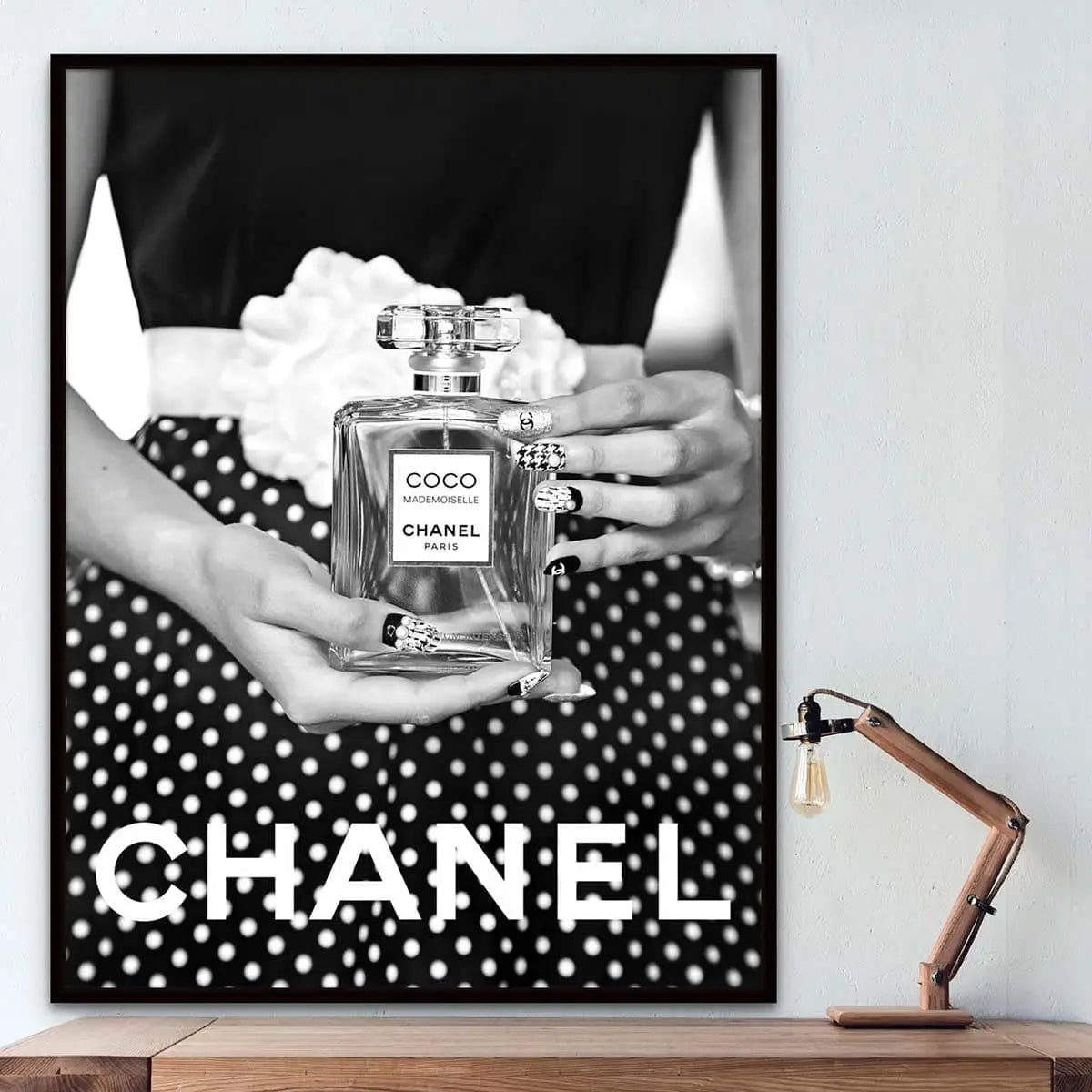
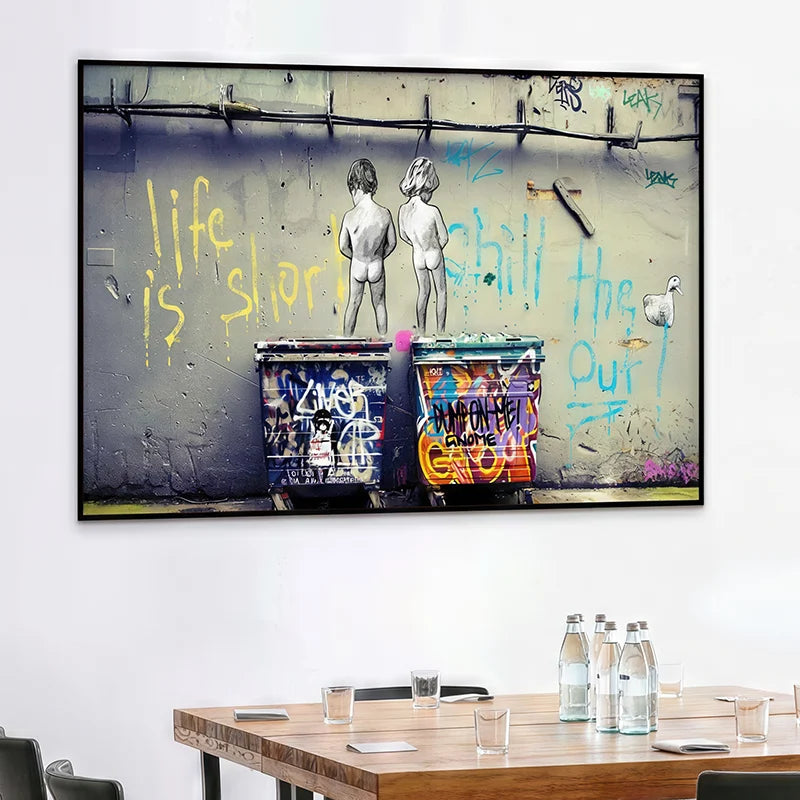
Wall art and posters hold a special place in home design.
An empty wall can feel cold or unfinished, whereas a well-positioned artwork immediately creates more depth, rhythm and personality.
The advantage of wall decor is that it can transform the atmosphere without major work.
In a living room, a large artwork can become the focal point above the sofa. In a bedroom, wall art in soft colors can enhance the soothing atmosphere. In an entryway or office, a vertical format can structure a narrow area.
a single well-chosen piece can have more impact than several small objects scattered throughout the room.
To discover different decor styles, browse our Wall Art collection .
Prints and posters are also an appealing way to quickly personalize certain spaces.
3. Which style of wall art should you choose to suit your decor?
The ideal wall art should work with the room, but it doesn’t need to match perfectly.
Contrast can sometimes bring much more character.
Minimalist wall art
Simple lines, essential forms and natural colors for a calm, elegant interior.
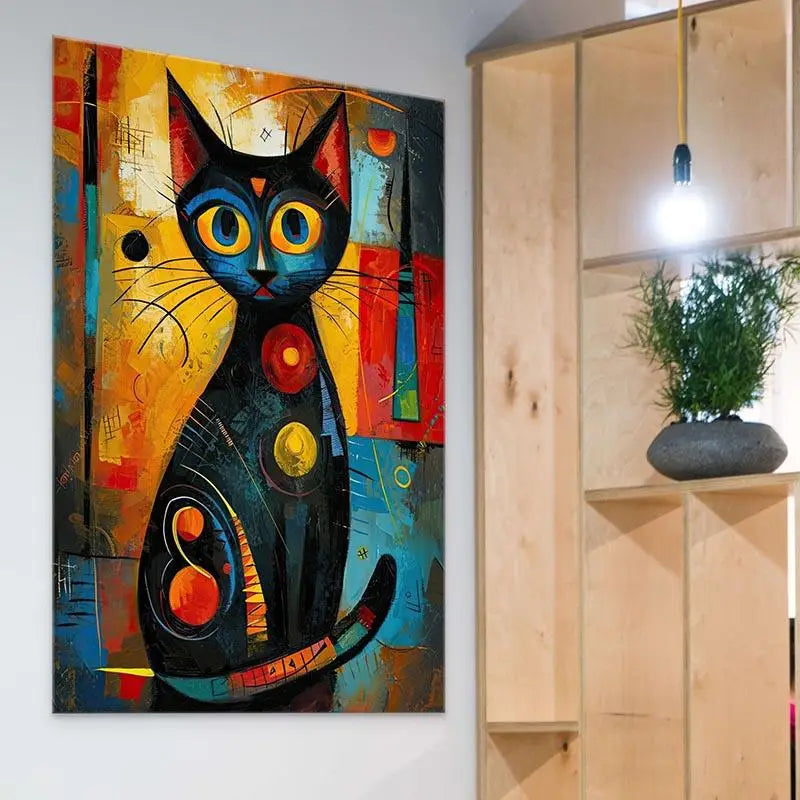
Abstract wall art
Colors, shapes and movement give a wall real presence.
Contemporary wall art
A solution particularly suited to modern, designer and elegant living rooms.
Landscape wall art
Sea, forest, mountains and horizons bring depth and a sense of escape.
Wall art for living spaces
Large-format, abstract, landscape or contemporary wall art can structure the main wall.
4. What size wall art should you choose and where should you hang it?
Proportions are essential for achieving a harmonious result.
Wall art that is too small on a large wall can look lost. Wall art that is too imposing in a narrow space may, on the other hand, overwhelm the decor.
| Location | Suitable format | Desired effect |
|---|---|---|
| Above the sofa | Large horizontal or panoramic | Structure the living room |
| Large empty wall | Large format or XXL | Create a focal point |
| Entryway | Vertical | Add height |
| Above a sideboard | Horizontal or square | Connect the wall to the furniture |
| Small space | Medium format or composition | Decorate without overcrowding |
the center of the wall art is generally positioned around eye level. Above a sofa or piece of furniture, the artwork should remain visually connected to it and not appear to float too high on the wall.

5. Why does lighting completely transform decor?
Even a perfectly furnished interior can feel cold if its lighting is poorly planned.
Rather than using a single light source, create several layers of light.
Main lighting
It provides the room’s overall brightness.
Accent lamps
A floor lamp, table lamp, or wall sconce creates a warmer atmosphere.
Decorative lighting
It highlights a wall, a texture, or a piece of wall art.
To explore the topic of ambient lighting in more depth, always choose comfortable lighting rather than a light that feels too harsh.
6. Rugs and cushions: the allies of a warm interior
Textiles are among the easiest elements to change when you want to refresh your decor.
A rug is especially useful for visually defining an area, which is particularly helpful in a large living room or an open-plan space.
Cushions, throws, and curtains let you add color, softness, and different textures.
repeat a secondary color from your wall art on one or two cushions. This subtle echo connects the wall decor to the rest of the room without making it feel too coordinated.
7. How to choose the right flooring?
The floor is one of the largest visible surfaces in a room.
It therefore strongly influences the perception of colors and furniture.
Wood flooring
It brings a feeling of warmth and works with many styles.
Tiles
Practical and easy to maintain, it suits modern, minimalist interiors.
Concrete or mineral effect
An excellent base for contemporary or industrial decor.
Light flooring
It creates a sense of brightness and lightness.
8. Paint, wallpaper, or wall art: how to decorate your walls?
The wall is the backdrop for all your decor.
Light paint generally creates a bright base that is easy to decorate. A deep color can create an accent wall and add more personality.
Wallpaper can introduce patterns or textures, but it requires more control if you also want to hang several pieces of wall art.
Wall decor ultimately offers a much more flexible solution: you can change your wall art and evolve the atmosphere without altering the wall itself.
The wall art can give it its identity.
9. Beautiful furniture, but above all suited to the space
Decor cannot be truly elegant if moving around the room becomes difficult.
Choose your furniture according to its proportions, but also according to its purpose.
In a small living room, furniture with simple lines often helps preserve more visual space.
In a large room, on the other hand, you can structure different zones using the sofa, rug, lighting, and wall decor.
10. Which accessories should you choose without overloading your decor?
Vases, candles, mirrors, plants, and decorative objects complete the layout of a room.
But quantity is never a guarantee of style.
Vases & ceramics
They add texture and can echo a color featured in your wall art.
Plants
They introduce organic shapes and make a room feel more alive.
Candles
They create a more intimate atmosphere when used in moderation.
Mirrors
They reflect light and can add more depth to certain spaces.
Personal objects
A few well-chosen memories bring more personality than entirely standardized decor.
11. When should you hire an interior design professional?
Hiring a decorator or interior designer can be worthwhile when the project involves several rooms, renovation work, changes to the layout, or a significant investment.
A professional can also help solve specific issues: a room that is difficult to furnish, poor flow, lack of light, or difficulty harmonizing several styles.
For a simple decor update, start with the easiest elements to change: wall art, textiles, lighting, and accessories.
Which wall art should you choose to complete your interior decor?
Once the colors, furniture, and materials have been defined, wall decor adds the finishing touch to your interior.
Is your interior almost finished? It may simply be missing the right wall art.
A room can be perfectly furnished and yet still feel impersonal.
A well-chosen artwork can tie together colors, furniture, and materials while giving your wall a true identity.
Discover Decorative Wall Art View new arrivalsFAQ: how to create successful interior décor
How to decorate your home simply?
Start with a palette of two or three colors, furniture suited to the room’s dimensions, and a few well-chosen accessories. Then add wall décor to personalize the whole space.
How to make a living room more elegant?
Avoid overcrowding the room, pay attention to the lighting, favor harmonious materials, and choose wall art that is proportionate to the main wall.
Which wall art should you choose for a modern interior?
Contemporary, abstract, and minimalist wall art fits particularly well into modern décor.
What color wall art for a beige living room?
Beige pairs easily with blue, green, terracotta, black, or multicolored compositions.
How to avoid overcrowding your décor?
Leave empty spaces, limit the number of bold colors, and favor a few elements with real visual impact.
Which wall art should you choose for a large wall?
A large wall art piece, an XXL format, a panoramic piece, or a composition of several artworks can structure a large wall better than a small standalone frame.
Should the wall art match the sofa?
No. A few color accents are enough. Contrast can even give your living room more personality.
How to create timeless décor?
Choose relatively neutral foundations, materials you truly love, and use wall art, textiles, and accessories to add more personality.
Successful décor should above all reflect who you are
There is no need to follow every new trend to achieve an elegant interior.
The most important thing is to create a cohesive whole in which you feel good.
A well-balanced palette, suitable furniture, comfortable textiles, warm lighting, and carefully chosen wall décor already provide an excellent foundation.
In décor, simplicity is not a lack: it is often what allows the most beautiful elements to truly catch the eye.
Find the wall art that will complete my interior