

The decor of an apartment intended for rental should not be approached exactly like that of a personal residence. The goal is not to create an interior that reflects the owner’s tastes, but to design a pleasant, functional home that is universal enough to appeal to a wide range of tenants.
A well-decorated apartment can stand out as soon as the listing is published. Bright rooms, cohesive furniture, and a polished atmosphere make the photos more attractive and help prospective tenants picture themselves there. This presentation can also help reduce vacancy time and better justify the rental price.
However, there is no need to undertake a full renovation or pile on accessories. Successful rental decor relies above all on simple, durable choices suited to the home's everyday use.
Focus on neutral and universal decor

For a rental listing, it is best to avoid overly personal decor. Very bold colors, collections of objects, large-scale patterns, or overly specific decorative references can prevent some visitors from imagining themselves in the space.
A neutral base, on the contrary, helps appeal to a wider audience. Off-white, beige, sand, light gray, or taupe create a bright atmosphere that is easy to harmonize. These shades also give a sense of space, which is a major advantage in a studio or small apartment.
Neutrality does not mean the home has to feel cold or lack personality. A few warmer shades can be introduced with cushions, a rug, curtains, or a decorative poster. Sage green, deep blue, terracotta, or the natural tones of wood can energize the overall look without making the decor feel too strong.
It is also advisable to declutter the rooms. A home with too much furniture appears smaller and less practical. Each element should have a genuine purpose or contribute to the visual balance of the space.
For the listing photos as well as for viewings, surfaces should remain relatively clear. A table covered with objects or a cluttered countertop can give the impression that the apartment lacks storage.
Choose functional and durable furniture

In a furnished rental apartment, furniture should be chosen carefully. It will be used daily by different occupants and must withstand moves, frequent cleaning, and sometimes less careful use than in a primary residence.
It is better to prioritize sturdy furniture that is easy to maintain and relatively timeless. A stable table, durable chairs, a comfortable sofa, and a quality bed are more worthwhile investments than furniture chosen solely for its appearance.
In small spaces, multifunctional furniture helps optimize every square meter. An extendable table can serve as both a dining area and a desk. A sofa bed provides an extra sleeping space. A bed with drawers or integrated storage creates storage without taking up more floor space.
The dimensions of the furniture should also be suited to the room. An oversized sofa can hinder circulation and visually reduce the living room. Conversely, furniture that is too small or too scattered can make an apartment feel poorly arranged.
To maintain a sense of consistency, limit the number of different finishes. Light wood, white, matte black, and neutral textiles pair easily. Simple, harmonious décor generally looks more elegant than a mix of furniture pieces with no connection between them.
Optimize lighting to enhance the space

Light directly influences the perception of a home. A dark apartment often feels smaller and less welcoming, even when its proportions are appealing. It is therefore essential to enhance natural light and complement it with suitable artificial lighting.
Start by clearing the windows. Very thick or overly dark curtains can significantly reduce brightness. Light sheers help preserve privacy while letting light in.
Mirrors can also be used to reflect brightness and create a sense of depth. Placed opposite a window or near a light source, a well-proportioned mirror can visually transform an entryway, a hallway, or a small living room.
Artificial lighting should not rely on a single ceiling light. It is best to combine several sources: a pendant light for general lighting, a table lamp to create a softer atmosphere, and a reading lamp near the sofa or bed.
In the kitchen and bathroom, more direct, functional lighting is needed. Spotlights under the upper kitchen cabinets improve visibility on the worktop. Around the bathroom mirror, sufficiently bright light makes everyday routines easier.
Choose bulbs that produce warm light in the living room and bedroom. A temperature that is too cool can give the home an impersonal atmosphere, similar to that of an office.
Enhance the walls with suitable paints or coverings

Walls take up a large part of the visual field. Their condition therefore strongly influences the overall impression the apartment makes. Clean, even paint can be enough to refresh a home without undertaking major work.
For a rental property, preferably choose durable, washable paints. Satin finishes are generally suitable for high-traffic areas such as the entryway, kitchen, or hallway. They make it easier to clean small marks.
Light colors remain the easiest to maintain and pair with other elements. Warm white, light beige, or soft gray visually enlarge the space while providing a neutral base for future tenants.
However, a single lightly colored wall can add depth. In a living room, a sage green, blue-gray, or light terracotta wall can structure the space without making it too dark. It is best to reserve bold colors for small areas and maintain consistency with the furniture.
Wallpaper can also be used sparingly. A subtle pattern behind the bed or in an entryway adds an attractive decorative touch. In a rental property, however, it is best to avoid coverings that are too fragile or difficult to replace.
Before renting it out, also remember to fill holes, repair small cracks, and clean the baseboards. These details may seem secondary, but they instantly enhance the impression of a well-maintained property.
Add a few modern, understated decorative elements

Decorative accessories add personality to the apartment without permanently changing its layout. However, they should be used with restraint to avoid cluttering the rooms.
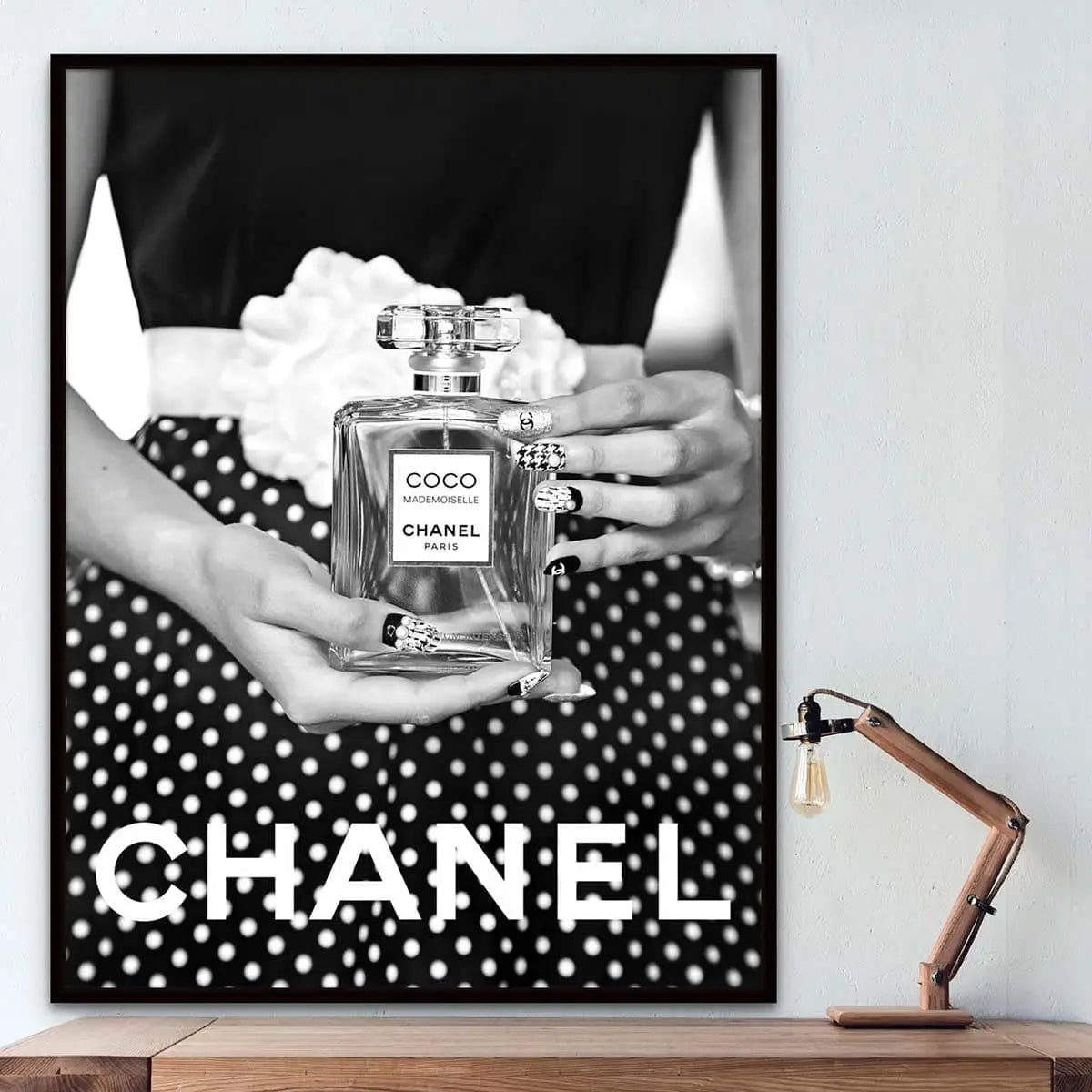
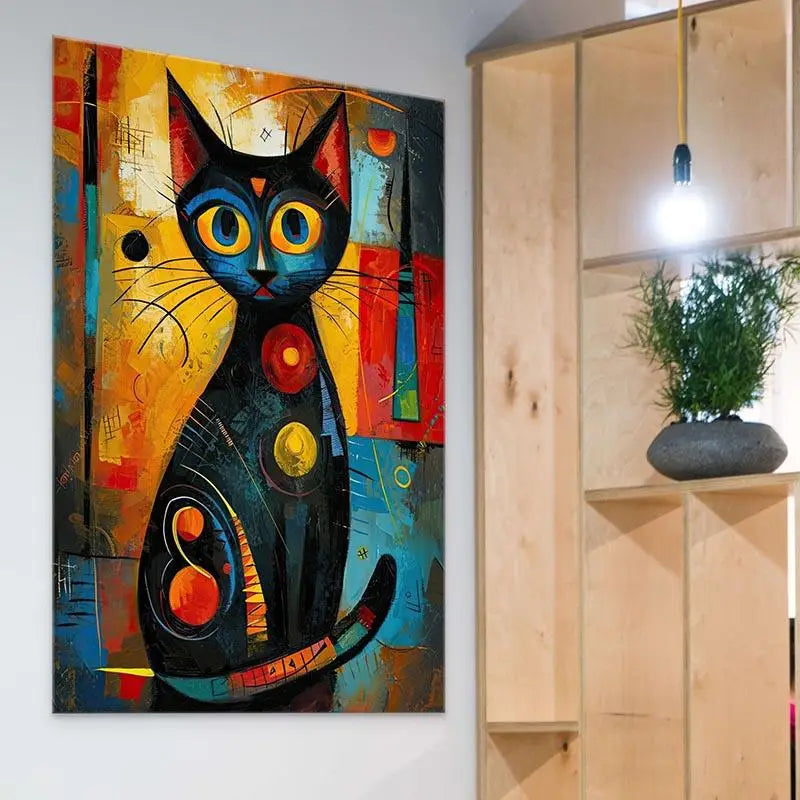
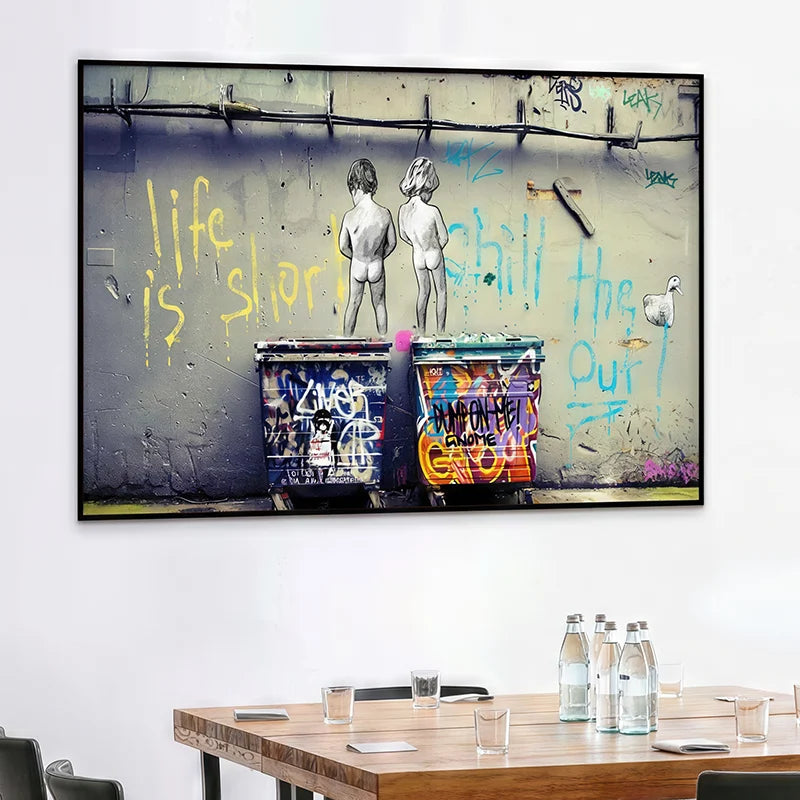
A large wall art piece above the sofa, a gallery wall in the entryway or a poster in the bedroom can dress the walls and create a focal point. The chosen style should remain consistent with the overall atmosphere of the property. Abstract artworks, landscapes, botanical patterns and graphic compositions are particularly well suited to rental decor.
Textiles also play an important role. A few matching cushions, a throw blanket and a rug help warm up the atmosphere. To make maintenance easier, choose washable covers and materials that are durable enough.
Plants add a natural touch and make photographs feel more lively. Easy-care varieties or high-quality artificial plants are preferable in a rental property. Avoid using too many small pots, as they can quickly create a cluttered impression.
A few well-chosen objects are enough: a vase, a decorative lamp, a mirror or a storage basket. The goal is to create a welcoming interior without making the tenant feel as though they are occupying a space filled with the owner’s belongings.
For a vacation rental, the decor can be slightly more refined, as it directly contributes to the guest experience. For a long-term rental, it is better to leave more space so the future occupant can gradually personalize the property.
Showcasing the kitchen and bathroom

The kitchen and bathroom are often decisive during a viewing. Their cleanliness, functionality and overall condition can strongly influence a candidate’s decision, even when the rest of the apartment is well arranged.
In the kitchen, start by clearing the countertop. An uncluttered surface looks larger and allows the future tenant to easily assess the available space. Put away appliances that are not very useful and keep only a few simple decorative elements, such as a wooden board, a small pot of aromatic herbs or a pretty soap dispenser.
Cabinet fronts can be modernized without replacing the entire kitchen. Suitable paint, new handles or a quality adhesive backsplash can transform the whole space at a lower cost. Subtle colors such as white, beige, soft gray or light wood remain the easiest to integrate.
Also check the condition of the fixtures and appliances. Faucets, cooktops, the range hood and seals should be clean and functional. A well-maintained kitchen reassures visitors about the overall quality of the property.
In the bathroom, priority should be given to cleanliness and a feeling of freshness. Blackened grout, limescale marks, and damaged accessories quickly create a poor impression. Replacing them or deep cleaning them can produce a very visible result on a limited budget.
A well-sized mirror, bright lighting, and a few storage solutions make the room more practical. Wall shelves, vanity units, and baskets help organize products without cluttering the space.
For the decor, choose plain towels, a understated bath mat, and a few coordinated accessories, or the originality of mosaic decor. A small humidity-loving plant can complete the look. Here again, it is better to keep things simple: above all, the bathroom should evoke cleanliness, comfort, and functionality.
Entrust the property management to an experienced concierge service

Showcasing an apartment does not stop at its decor. For a seasonal or short-term rental, the quality of management directly influences the guest experience and the reviews left online.
An experienced concierge service can handle preparing the property, welcoming guests, cleaning, handing over the keys, and monitoring any technical issues. It can also check that the decor remains in good condition after each stay.
Using a concierge service saves significant time for owners who live far from the property or do not wish to manage bookings on a daily basis. A professional can organize the necessary interventions, replenish consumables, and quickly report any damage.
Some concierge services also offer support to prepare the apartment before it is listed online. They understand travelers’ expectations and can recommend certain amenities: high-performance Internet connection, household linens, coffee maker, storage, or a workspace.
Before entrusting the property, check precisely which services are included, the fees charged, and the intervention terms. It is also important to read the available reviews and ask how damage, emergencies, and periods without bookings are handled.
Successful decor attracts attention, but professional management helps maintain the quality of the property and build guest loyalty.
Working with a real estate agency

For a long-term rental, a real estate agency can support the owner at different stages: rent valuation, creating the listing, organizing viewings, reviewing applications, and drafting the lease.
The agency generally has strong knowledge of the local market. It can indicate whether the property’s level of decor and equipment matches the expectations of the target tenants. A studio intended for students will not be furnished in the same way as a family apartment or a high-end property.
Working with an agency also allows you to benefit from advice on essential equipment and any improvements to make before renting out the property. It can identify points likely to slow down the search for a tenant: insufficient lighting, lack of storage, overly bulky furniture, or outdated decor.
The quality of the photographs and the listing remains essential. A clean, bright, and well-decorated apartment will be easier to present. The agency can then highlight its main assets: layout, location, amenities, storage, or outdoor spaces.
Before signing a mandate, compare fees, the services offered, and the management terms. Some agencies only handle finding a tenant, while others also manage rent collection, repairs, and relations with the occupant.
Decor designed to appeal and last

Decorating an apartment for rental means finding the right balance between aesthetics, functionality, and durability. The home should feel warm enough to catch attention, yet neutral enough to allow future occupants to picture themselves living there.
Clean walls, well-proportioned furniture, several light sources, and a few modern accessories can transform the perception of an apartment without requiring a significant budget. The kitchen and bathroom deserve particular attention, as their condition often weighs heavily in the final decision.
Finally, support from a concierge service or a real estate agency can make it easier to rent out the property and ensure more regular follow-up. Consistent decor combined with professional management helps enhance the property’s long-term value and provide a better experience for tenants.