
Interior design guide
10 wall decor ideas for styling a white wall
Wondering what to put on a white wall to make your interior feel warmer? Decorative wall art, a gallery wall, mirror, shelves or a damage-free solution: discover 10 simple ideas to add depth to a large empty wall, in the living room or bedroom.

An empty wall can make a room feel unfinished, but above all, it offers a wonderful opportunity to personalize your interior. There is no need to redo the entire room or add countless accessories: sometimes, a single well-proportioned piece can transform the atmosphere.
In this guide, you will find ideas for living room wall decor, adult bedroom decor, an entryway or a home office. These ideas are also easy to adapt to a small budget, a narrow wall or a rental home.
1. Decorate a wall without drilling using lightweight mounting solutions
Damage-free wall decor is ideal for a rental home, student room or if you enjoy refreshing your interior regularly. For a secure result, choose a mounting solution based on the object's weight, the type of wall and how long you want it to stay in place.
Adhesive strips for small formats
Adhesive strips may be suitable for certain lightweight frames and wall art. Clean the surface according to the manufacturer's recommendations, ensure the wall is clean, dry and smooth, then strictly follow the stated maximum weight limit. This solution is particularly suitable for a framed poster, photograph or small illustration.
Decorative tape for a flexible poster display
Decorative tape can be used to hang a lightweight poster while creating a graphic effect. Use four strips to create a colorful frame or arrange a series of posters that are easy to replace. Always test the product's compatibility with the paint before applying it to a visible area.
Important Precaution: adhesive mounting is not suitable for every wall or object. Avoid heavy or fragile pieces, or items installed above a walkway. Adhesion may be insufficient on delicate paint, textured surfaces, or dusty walls.

2. Display Large Wall Art on a Piece of Furniture
To decorate a white wall, you do not have to hang every piece. Placed on a dresser, console table, or low shelf, a large wall art piece creates a contemporary, art gallery-inspired display. It can lean slightly against the wall or be positioned to visually overlap the furniture.
This option is particularly appealing if you want to avoid drilling holes or easily update your décor. Wall art placed on the floor can also bring an artist's studio feel to a living room or adult bedroom. In all cases, choose a stable spot away from knocks and moisture, without obstructing walkways.
To balance the arrangement, pair the artwork with just one or two objects: a vase, a book, or a small plant. Leave space around the wall art so that it remains the focal point of the display.
3. Apply the Rule of Three for a Balanced Arrangement
When a single frame looks lost on a large wall, the rule of three helps create a dynamic arrangement. Odd-numbered groupings often feel more natural and visually appealing than a perfectly symmetrical pair. This approach works with wall art, photo frames, mirrors, or small decorative objects.
To maintain visual cohesion, choose three pieces that share at least one feature: a color, material, theme, or frame style. They can be different sizes, as long as the overall arrangement remains visually balanced.
- Choose Three Complementary Pieces: for example, wall art, a photograph, and a small mirror in a similar color palette.
- Position the Statement Piece: start with the largest wall art or the most colorful image.
- Add the Other Two Pieces: vary the heights and spacing slightly to create movement without making the arrangement feel cluttered.
On a very wide wall, you can extend this approach to five or seven pieces. Maintain a clear visual theme and leave enough space between the objects so that each piece remains visible.

4. Create a Harmonious Gallery Wall
A gallery wall is a timeless choice for telling a story, bringing memories together, and personalizing a large white wall. To avoid a cluttered look, plan the overall layout before mounting anything.
Start with an anchor piece
The anchor piece naturally draws the eye: a large wall art piece, a colorful illustration, or a photograph that is meaningful to you. Place it in a prominent area of the arrangement, then build the rest of the wall around it.
Test the layout with paper templates
Cut sheets of paper to the exact dimensions of your frames and arrange them on the floor. Try several layouts: horizontal alignment, a regular grid, an asymmetrical arrangement, or a more free-form display. Then attach the templates to the wall with low-tack tape to check the proportions from several viewpoints.
Create a cohesive theme
Different frames can work beautifully together if they share a color, similar mats, a material, or a theme. For example, a black-and-white base paired with a colorful artwork creates contemporary contrast without overwhelming the decor.

5. Install a decorative mirror to make the room look larger
A decorative mirror enhances the wall while reflecting light. Placed opposite a window or light source, it can make the room feel more spacious. This idea is particularly well suited to a dark entryway, a narrow hallway, or a small living room.
Choose a shape that complements the lines of your furniture: round to soften a room, rectangular to enhance graphic decor, or organic for a more natural atmosphere. One large mirror can become the focal point, while several small mirrors can create a more original arrangement.
Before installing it, check that the wall and mounting hardware are sturdy, as a mirror can be heavy and fragile. Also avoid placing it opposite an unattractive area: its reflection is an integral part of the decor.
6. Add a textile touch to warm up the wall
Macramé, tapestry, or woven wall art adds texture and instantly makes the atmosphere feel warmer. Textiles pair particularly well with bohemian, natural, or soft decor, but they can also soften a highly mineral contemporary interior.
In a bedroom or reading nook, a textile wall hanging can help create a more intimate atmosphere. Choose a piece with colors that complement your bedding, rug, or curtains. To keep the arrangement light and balanced, avoid adding too many patterns around the main feature.
7. Choose decorative wall shelves
Decorative wall shelves combine style and functionality. They are perfect for displaying a plant, a few books, a small sculpture, a candle or a travel souvenir, while adding rhythm to a white wall.
For an elegant arrangement, vary heights and volumes, then intentionally leave some empty space. Place the tallest objects at one end and group smaller pieces in twos or threes. You can update the display with the seasons without changing all your wall decor.
In an entryway or office, shelves can also hold useful items. Simply make sure their depth, weight capacity and mounting method are suitable for the type of wall and intended use.
8. Create an accent wall with color
An accent wall is treated differently from the rest of the room, with a deeper paint color, graphic wallpaper or bold wall decor. This technique draws the eye, defines the space and adds depth to a living room, bedroom or dining area.
In a living room, the wall behind the sofa is often a natural choice. In a bedroom, the wall behind the headboard can serve as a backdrop for wall art. For a harmonious transition, echo a shade already found in your textiles, furniture or wall decor.
If you rent your home, removable peel-and-stick wallpaper can be an alternative to paint. Check the manufacturer's recommendations and its compatibility with your wall surface before installation.

9. Choose the right decorative wall art for a white wall
When a wall lacks personality, decorative wall art is often the simplest and most effective solution. It creates a clear aesthetic direction, draws the eye and transforms the atmosphere of a room without requiring you to replace the furniture.
Define your interior design style
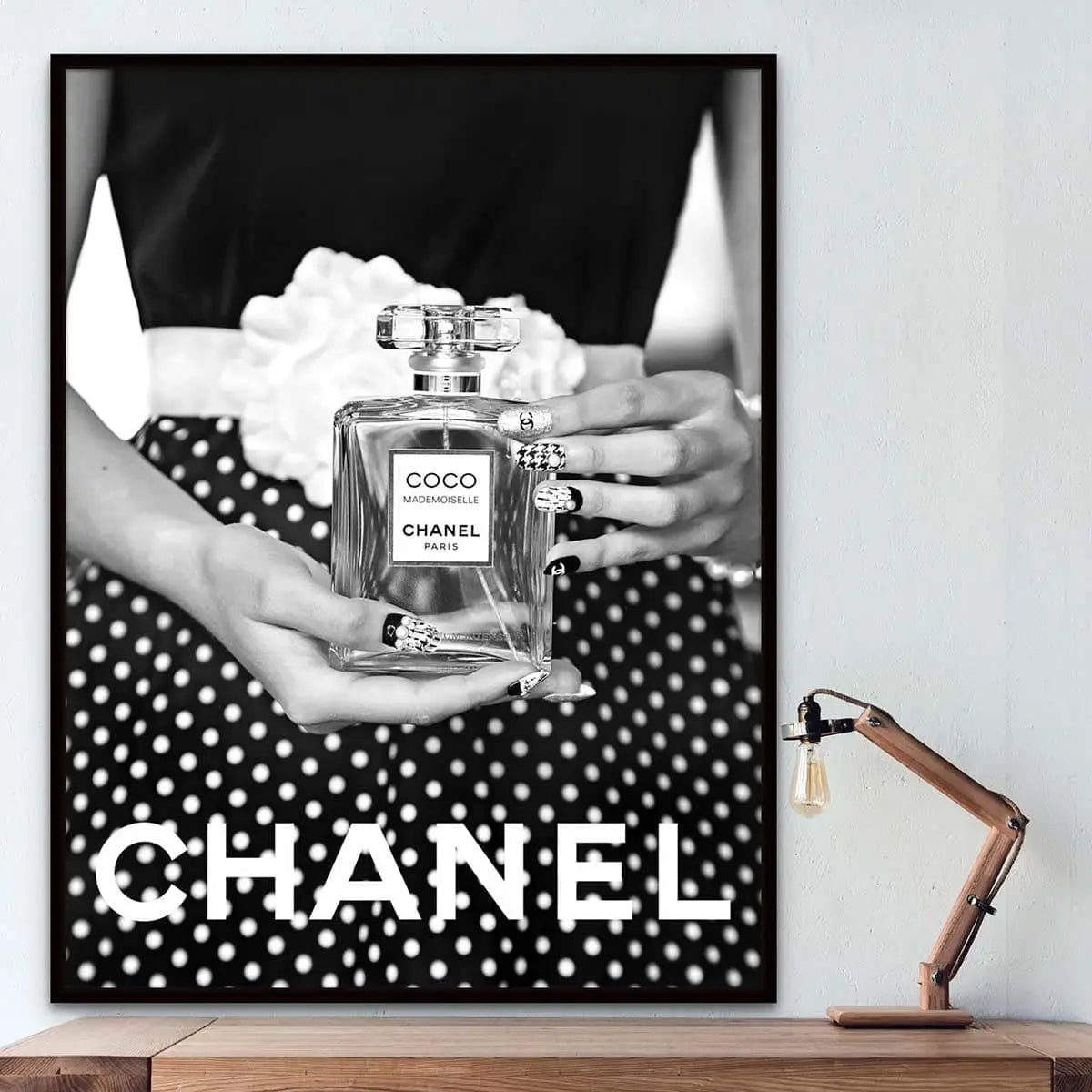
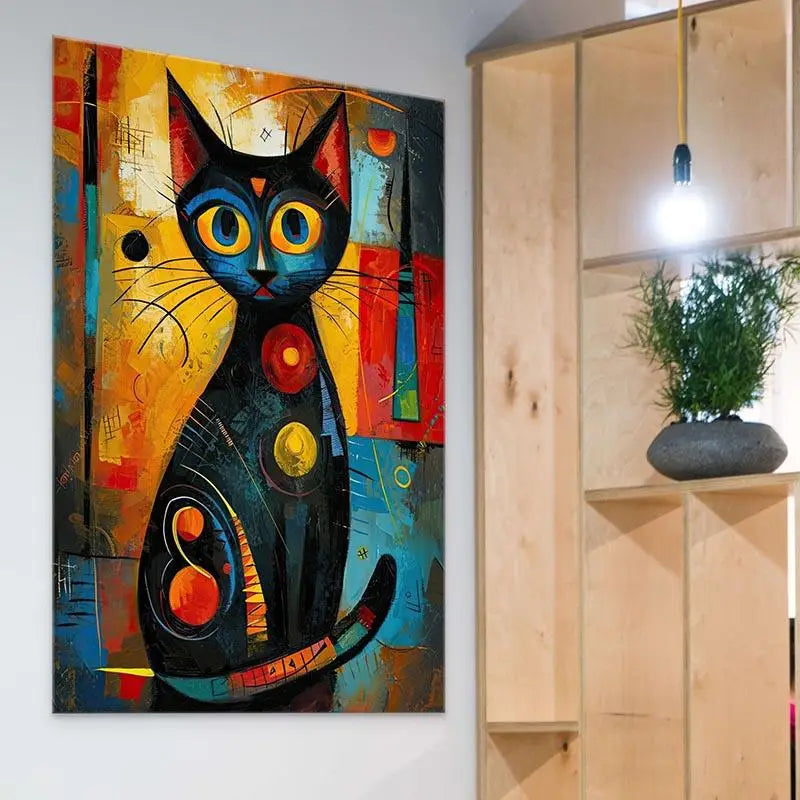
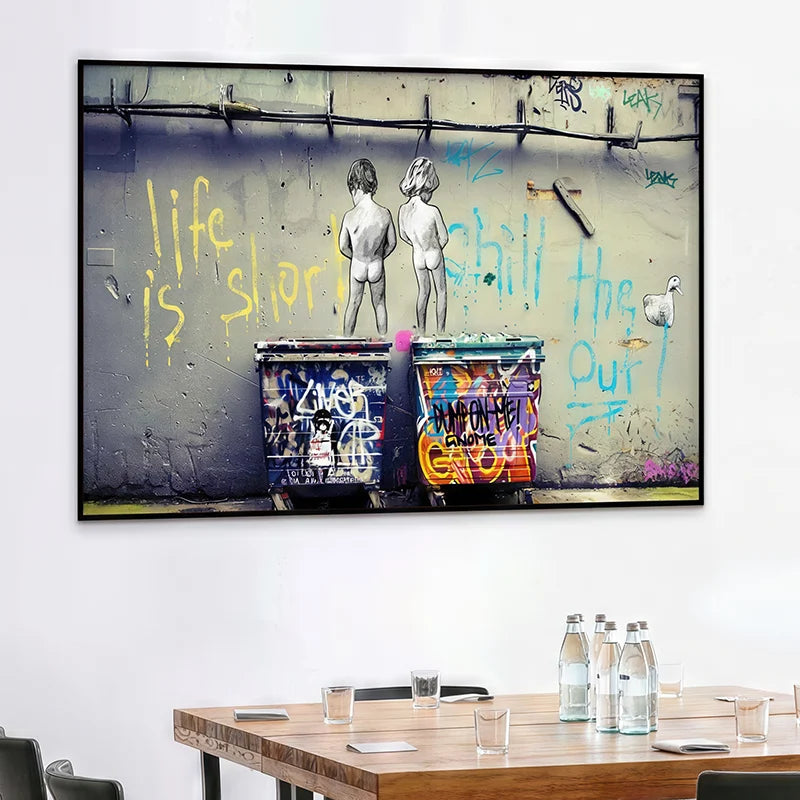
Consider the lines and textures already present. Abstract wall art suits a contemporary interior, while a botanical illustration or landscape can enhance a natural atmosphere. Street art, pop art and graphic compositions bring real personality to a more expressive decor.
The key is to choose a piece you will enjoy looking at every day. Wall art is not just there to fill an empty space: it creates emotion and complements your lifestyle.
Coordinate the colors
Almost any color palette works on a white wall. For a soft atmosphere, consider beige, cream, light gray, deep blue, or terracotta tones. For a more vibrant look, choose colorful artwork and echo one or two of its shades in cushions, linens, or accessories.
There is no need to repeat every color in the wall art. Two or three carefully placed accents are enough to create visual continuity without overwhelming the room.
Choose the medium and size
The medium influences the final look of your wall decor. An unframed poster creates a light, accessible style. A stretched canvas has greater presence in a living room or bedroom. A black floating frame enhances contrast and contemporary appeal, while a white floating frame blends more subtly into a bright interior. An acrylic glass print adds a glossy, modern finish.
Choose a size that suits the wall and the furniture below it. Above a sofa, sideboard, or bed, artwork that is too small may look isolated, while an oversized piece can make the room feel unbalanced. For a narrow wall, a vertical format often works best; for a large horizontal wall, panoramic artwork or several wall art pieces can fill the space more effectively.
10. Tailor wall decor to each room
The best idea also depends on the room's purpose. Successful decor should be pleasing to the eye while also complementing the flow, lighting, and everyday use of the space.
In the living room
The living room is where wall decor is most visible. The wall behind the sofa can showcase a large wall art piece, a gallery wall, or several coordinated artworks. For modern living room decor, pair a statement piece with understated furniture and a few accessories that echo its colors.
In a primary bedroom
Opt for a calming composition. Wall art placed above the bed can replace a decorative headboard or enhance its style. Abstract art, landscapes, organic shapes, and soft color palettes create a restful atmosphere. If you love bright colors, let the wall art be the only highly expressive piece in the bedroom.
In an entryway
The entryway creates the first impression of your home. A mirror, a small gallery wall, or a vertical wall art piece can enhance a narrow wall without obstructing the walkway. A slim console table and suitable lighting are easy finishing touches for this welcoming space.
In an office
A home office benefits from a visually organized look. Above the desk, choose artwork that inspires you without creating too many distractions. A graphic poster, abstract illustration, or wall art piece in a restrained color palette can personalize the space while maintaining an atmosphere conducive to concentration.
Wall Decor Mistakes to Avoid
A great idea can lose its impact if the arrangement does not suit the room's proportions. Here are the most common mistakes to avoid:
- Adding too many objects: an overcrowded wall can quickly become visually confusing. Start with one statement piece, then add elements gradually.
- Choosing pieces that are too small: several tiny pieces can get lost on a large wall. Group them together or choose a more impactful artwork.
- Ignoring proportions: the arrangement should complement the sofa, bed, dresser, or console table beneath it.
- Mixing too many styles: create a common thread through colors, materials, or subjects.
- Hanging artwork too high: check how it looks from the position where you most often use the room.
- Overlooking lighting: avoid direct glare on glossy artwork and use soft lighting when the wall receives little natural light.
To care for your wall art and accessories, dust them with a soft, dry cloth. Avoid abrasive products, excess moisture, and prolonged exposure to heat.
Your Five-Step Wall Decor Action Plan
Have you found several ideas but are unsure where to start? This method will help you turn inspiration into a finished decor scheme:
- Measure the wall: note its width, height, and any constraints, such as an electrical outlet, door, window, or piece of furniture.
- Define the focal point: choose the element that should catch the eye first, such as a large wall art piece or a mirror.
- Select a color palette: choose two or three main colors that complement your existing furniture.
- Test the layout: use paper templates or arrange the items on the floor before mounting them.
- Add details gradually: give the wall room to breathe and stop as soon as the overall look feels balanced.

FAQ: Your Questions About Wall Decor
What should you put on a large white wall?
You can hang a large wall art piece, create a gallery wall, combine mirrors, add shelves, or design an accent wall. The choice depends on the size of the wall, the room, and the style you want to achieve. A single statement piece is often more elegant than a collection of mismatched elements.
How Can You Decorate a Wall Without Drilling?
The simplest solutions are adhesive strips for lightweight objects, posters secured with decorative tape and wall art displayed on a piece of furniture. Always check the weight, wall type and manufacturer's recommendations before using adhesive mounting products.
At What Height Should You Hang Wall Art?
The center of the artwork should be at a comfortable viewing height. Above a piece of furniture, leave some visual space between the two elements and check the balance from the position where you most often use the room. The key is to consider both eye level and the proportions of the furniture.
What Wall Art Should You Choose Above a Sofa?
Choose a size that is proportional to the width of the sofa. A horizontal artwork, a multi-panel wall art arrangement or a large central piece works particularly well. For modern living room decor, coordinate the artwork's colors with the cushions, rug or curtains.
How Can You Create a Successful Gallery Wall?
Start with an anchor piece, define a unifying theme and test the layout with paper templates. Vary the sizes while maintaining consistent spacing between the elements. A well-planned arrangement prevents a cluttered look.
What Wall Decor Should You Choose for an Adult Bedroom?
Choose an artwork that creates a soothing atmosphere: abstract wall art in soft tones, a landscape, organic shapes or a refined graphic composition. Place it above the bed or on the opposite wall, while avoiding overcrowding the room.
Conclusion: Turn Your White Wall into a True Decorative Feature
A large white wall is not a problem to hide, but a surface to personalize. Decorative wall art, a gallery wall, a mirror, shelves, textiles or an accent wall: there are plenty of possibilities, even on a small budget and without drilling.
For a result you will enjoy living with, keep three principles in mind: choose a focal point, respect proportions and leave enough space between the elements. Successful wall decor is not necessarily the most elaborate; it is the one that creates harmony with your furniture and personality.
Start with a single idea, measure your wall and build your arrangement gradually. If you are looking for a statement piece to transform your interior, explore our selection of decorative wall art for living rooms and find the artwork that will bring your wall to life.