
Furnishing a studio apartment requires cleverness to make the most of every square meter. By playing with furniture choices, space organization, and visual effects, it is possible to transform a small living space into somewhere both functional and pleasant to live in. With a few well-thought-out adjustments, the studio becomes a flexible area where every element helps to optimize the available space.

Maximize space with versatile furniture
Using modular furniture makes it possible to adapt the studio to whatever is needed at each time of day. A Murphy bed or a sofa bed frees up valuable floor space and allows you to easily switch from a sleeping area to a living area. There are many solutions available, such as bunk beds with a desk underneath or sofa beds with hidden storage spaces. For the dining or work area, an extendable or fold-down table can fit in discreetly and adapt to any situation. Some pieces of furniture even combine several functions, such as a bench with built-in storage, a foldable wall desk, or stackable stools—perfect for hosting guests without cluttering up the space day to day. a sturdy convertible armchair is also a practical option, offering both a comfortable seat and an extra bed without sacrificing sturdiness or ergonomics.
Optimize the layout for smooth circulation
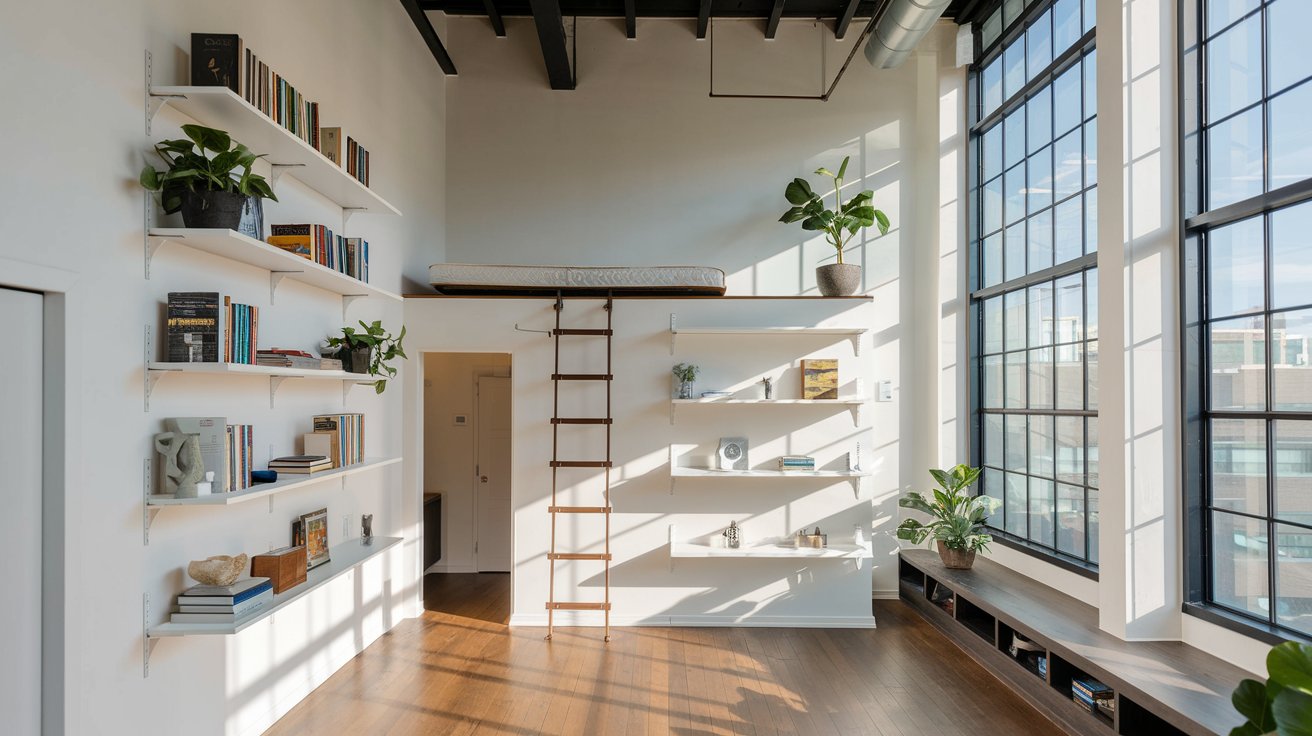
A well-designed layout creates a feeling of space and lightness. Rather than dividing the area with partitions, it's better to use clever solutions to define the different zones of the studio. Open bookshelves, curtains, or movable partitions structure the space without weighing it down. By taking advantage of vertical space, you can also differentiate areas without reducing the floor area.
To maintain an open feel, it's advisable to place furniture along the walls and keep the center of the room clear. Arranging furniture diagonally can also visually enlarge the space by breaking up straight lines. Installing a raised bed, such as a loft bed or a platform with drawers, frees up floor space while creating a distinct sleeping area.

Create a harmonious atmosphere through design
The visual effect strongly influences the perception of space in a studio. A palette of light colors creates a sense of openness, while the choice of materials and textures avoids overly uniform decoration. Opting for pastel or neutral tones visually enlarges the room and provides a calming atmosphere. The addition of well-placed mirrors helps reflect natural light and accentuate depth. Similarly, a few well-chosen touches of color add character without weighing down the overall look, while subtly defining the living areas.
Lighting also helps to structure the space. Multiplying light sources, with wall sconces, accent lamps or recessed spotlights, allows you to play with the ambiance and avoid shadowy areas that visually shrink the room.
Making use of heights and smart storage solutions
Storage solutions play a key role in keeping a space tidy and functional. Installing shelves up high frees up the floor while offering effective storage surfaces. Furniture with hidden storage, such as a storage bed or a bench with storage space, provides practical solutions for keeping things organized without cluttering the room. When the architecture allows, the area under a staircase can be used with pull-out drawers or open niches, making clever use of every nook and cranny.
Another option is to make use of the corners of the room, which are often underutilized. A corner unit or a hanging shelf can create extra storage space without encroaching on the living area. Additionally, choosing transparent or lightweight furniture, such as glass or acrylic, gives an airy impression and visually lightens the overall space.