
Contemporary wall art: materials, colors, light and tips to enhance it
Contemporary wall art is not defined solely by its subject.
Materials, textures, colors, techniques, light and how it is integrated in a room all contribute in the final perception of the work.
From abstract art to geometric compositions, mixed media to modern graphic creations, contemporary art now offers an aesthetic freedom particularly interesting for wall decor.
Here is how to understand these different elements and above all how to use them to choose more effectively and showcase your contemporary wall art.
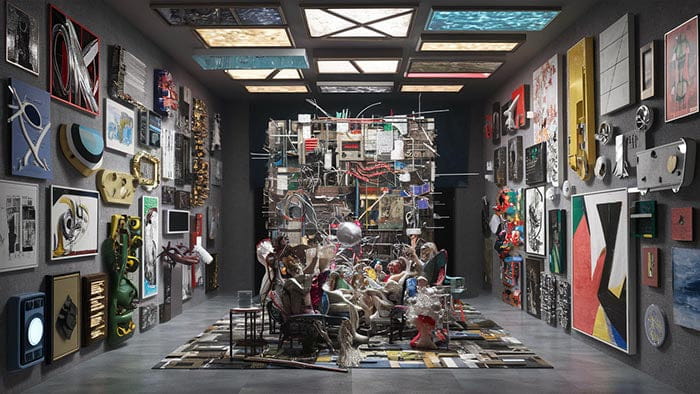
First choose a sufficiently open spot, then adapt the size of the wall art to the size of the wall. Use soft lighting and avoid direct reflections. Finally, create a dialogue with one or two colors from the artwork with your furniture or your accessories, without trying to match everything.
1. What is contemporary wall art?
Contemporary art brings together a wide diversity of practices and visual languages.
It can be figurative, abstract, minimalist, geometric, conceptual or even inspired by from urban culture and digital.
In interior decor, a contemporary wall art is especially appreciated for its ability to instantly give a more modern dimension to a wall or to a room.
Great visual freedom
Shapes, colors and compositions do not follow to a single artistic language.
Strong decorative impact
A contemporary artwork can become the focal point of a living room, of a bedroom or an office.
To discover creations suited for modern interiors, you can explore our Contemporary Wall Art collection .
2. Materials in contemporary art
One of the characteristics of contemporary creation is freedom in the choice of materials.
Traditional painting can be combined with paper, wood, metal, textiles, resin or even with different digital processes.
Canvas & painting
They remain essential supports of artistic creation, but can be used in a very contemporary way.
Wood, paper & collage
Assemblages and overlays allow to build artworks more complex.
Metal & resin
These materials offer surfaces and visual effects particularly interesting.
an image can visually reproduce a textured effect, of thick paint or relief without actually having this physical texture. It is therefore important to distinguish the visual style of the artwork from the actual finish of the printed support.
3. Mixed media: when styles meet
Mixed media techniques involve combining several processes within a single artwork.
Collage, drawing, painting, printing, graphic design and photography can therefore coexist within a single composition.
It can in fact arise from their meeting.
4. Why are textures so important?
Even in a flat artwork, the perception texture can completely change the character of the wall art.
Visible brushstrokes, textured effects, cracks, overlays or splashes can create an impression of depth.
Soft texture
It is suitable with compositions minimalist, pastel or very refined.
Expressive texture
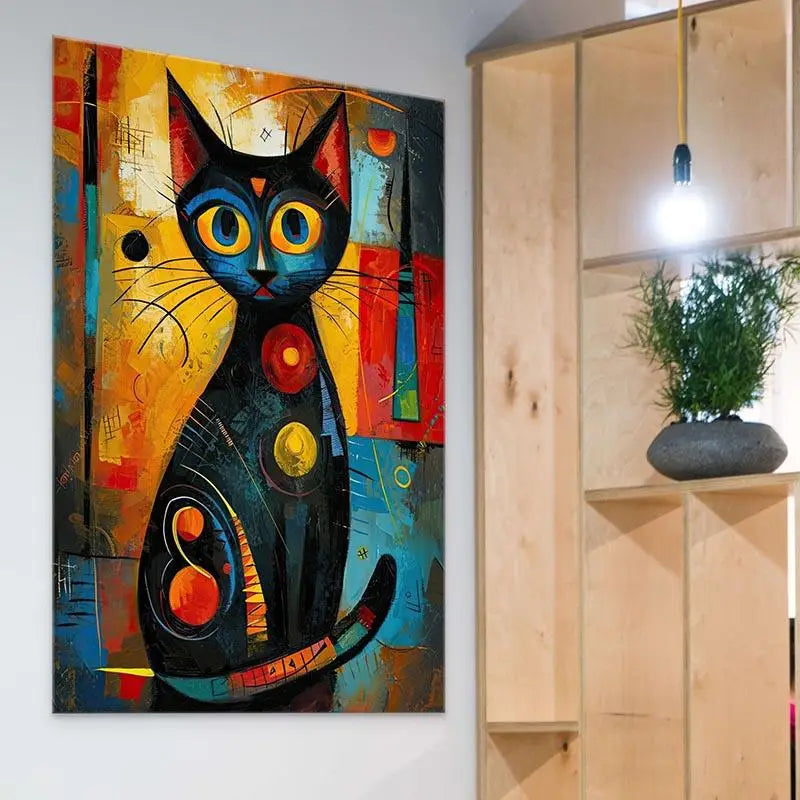
It enhances abstract pieces and gives more energy to the composition.
If you appreciate compositions where shapes, gestures and colors are particularly present, also discover our abstract wall art .

5. How do colors transform contemporary wall art?
Color has an immediate influence on the perception of a piece.
It can make a composition more dynamic, warmer, more soothing or, on the contrary more spectacular.
| Palette | Atmosphere | Recommended interior |
|---|---|---|
| Blue & green | Calm and depth | Living room, bedroom, office |
| Terracotta & orange | Warmth and energy | Beige or white living room |
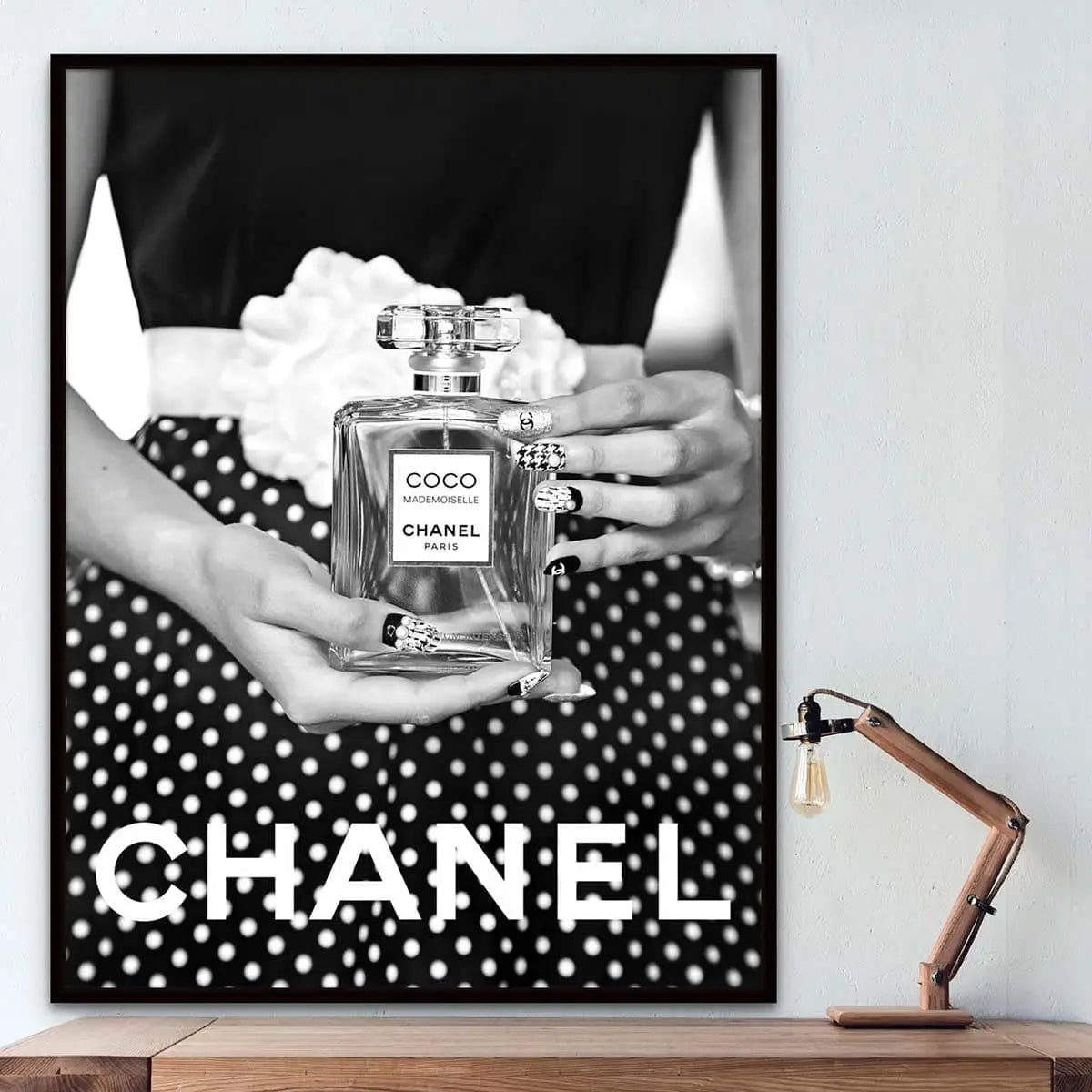
| Black & white | Graphic elegance | Minimalist interior |
| Multicolor | Creativity and energy | Neutral room |
| Beige & natural tones | Softness and simplicity | Sleek contemporary decor |
rather than repeating all the colors of the wall art, simply choose one or two secondary shades and repeat them in a few accessories.
6. How to light contemporary wall art?
Light can alter the perception colors, contrasts and details.
Good lighting should not dazzle or create unwanted reflections.
Natural light
It offers a very faithful rendering, but avoid prolonged exposure to direct sunlight.
Adjustable spotlight
It allows to direct the light toward the piece without lighting the entire wall.
Indirect lighting
It creates a soft atmosphere and is perfectly suited to contemporary living rooms.
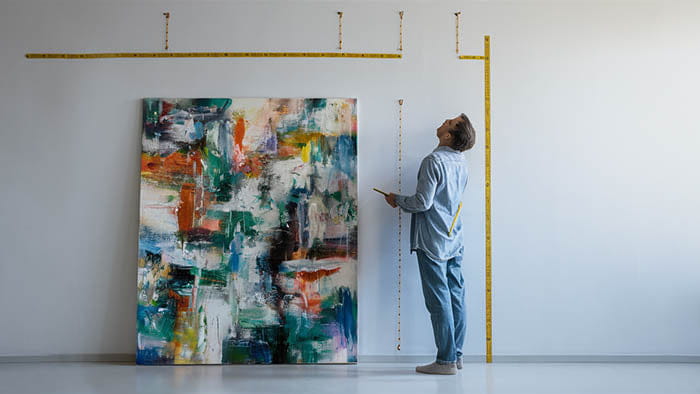
7. How to properly hang contemporary wall art?
The placement can change radically the impact of a piece.
Choose a clear wall
Avoid to place a large piece in the middle many small objects.
Adjust the height
The center of the wall art should generally be positioned around eye level.
Respect proportions
A wall art piece too small can seem lost on a large wall.
Create a connection with the furniture
Above a sofa or a sideboard, the wall art must visually belong to the same set.
To go further, read our guide on choosing and hanging wall art .
8. How to Harmonize Contemporary Wall Art with Your Interior?
An artwork does not need to be perfectly matched the furniture.
On the contrary, contrast can create much more personality.
Neutral living room
Dare a colorful work of art or abstract to create a focal point.
Designer interior
Choose graphic shapes, geometric or a composition minimalist.
Colorful interior
A wall art piece more refined or featuring a controlled palette can rebalance the whole.
9. Canvas, floating frame, Plexiglass or poster: which finish should you choose?
The finish greatly influences the perception of contemporary wall art.
Frameless poster
A presentation simple, lightweight and minimalist.
Stretched canvas
It offers a look more artistic and warm.
Black floating frame
Ideal to enhance contrasts and structure a colorful artwork.
White floating frame
More discreet and bright, it suits for interiors light.
Plexiglass
Its glossy appearance brings a modern finish and particularly suited with intense colors.
10. Which Styles of Contemporary Wall Art Should You Choose?
Contemporary
Artworks current, graphic and very easy to integrate in a modern interior.
View the collection →Pop Art
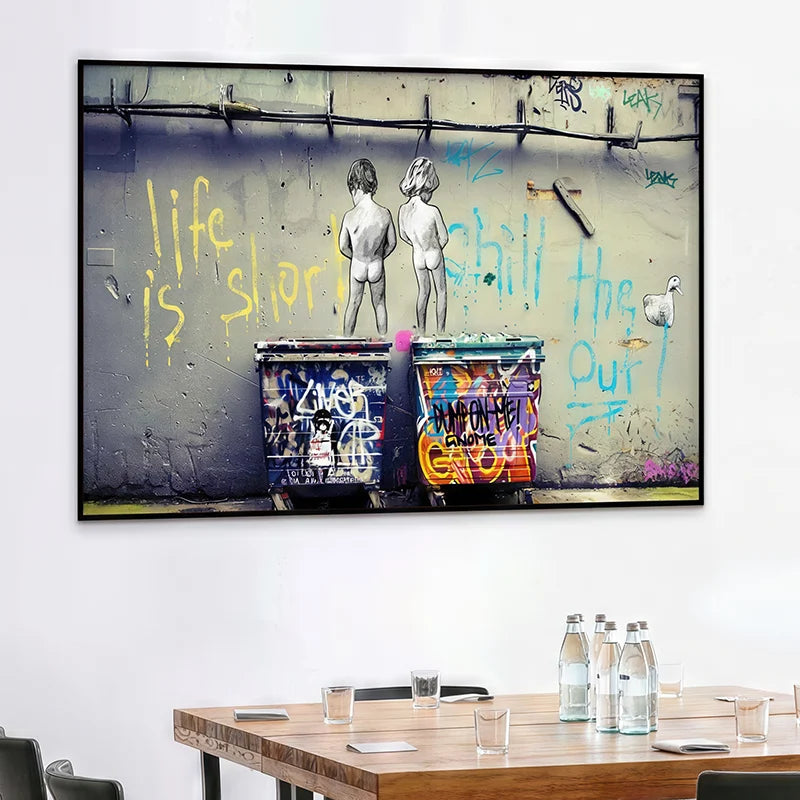
Bold colors and references popular culture for an atmosphere more energetic.
Explore Pop Art →11. Mistakes to Avoid with Contemporary Wall Art
Choosing a format that is too small
On a large wall, the artwork quickly loses its impact.
Hanging too high
The wall art must remain visually connected to the room.
Creating too many reflections
Avoid light sources directly opposite to glossy surfaces.
Matching everything
A wall art piece can perfectly introduce a new color.
Overloading the wall
A strong artwork needs space to breathe.
Choosing only based on trends
The ideal artwork remains the one that you love truly looking at.
Discover our collections inspired by contemporary art
Every interior can accommodate a different interpretation of modern art.
Does your wall lack character? A single artwork can change everything.
A contemporary wall art piece well chosen can transform a space without changing all your furniture.
Colors, shapes, light and format come together to create decor that draws the eye and reflects you.
Explore Contemporary Wall Art See what's newFAQ: contemporary wall art and wall decor
What is contemporary wall art?
It is of a work that is rooted in the sensibilities and artistic practices of our time. It can be abstract, figurative, graphic, minimalist or created mixed media.
How to choose contemporary wall art for a living room?
Take into account the size of the wall, the room’s colors and the desired effect. In a neutral living room, a colorful work of art can become an excellent focal point.
What wall color should you choose with contemporary wall art?
White, beige, light gray and certain natural shades allow many works of art stand out beautifully.
What size should you choose for contemporary wall art?
The size should be proportionate to the wall and the furniture. A large wall often requires a more generous format than you might imagine.
How should you light contemporary wall art?
Use soft light and avoid direct reflections. An adjustable spotlight or indirect lighting can work very well.
Which finish should you choose for contemporary wall art?
The stretched canvas offers an artistic finish, the floating frame structures the artwork and Plexiglass brings a glossy aesthetic and very modern.
Can contemporary art be paired with classic décor?
Yes. The contrast between a modern work of art and furniture more traditional can create an interior very elegant.
Does a printed wall art piece have real texture?
Not necessarily. A print can visually reproduce a textured effect or thick paint without having real physical relief.
Contemporary wall art: the balance between art, light, and decoration
Showcase a contemporary work does not require to transform your interior completely.
The right placement, suitable proportions, controlled lighting and a few color accents can be enough to completely change the perception of the wall art.
Technique and trends are important, but they should never make you forget the essential criterion: your own sensitivity.
A successful contemporary wall art piece is not simply a work that reflects its time: it is a work of art that you will still want to look at tomorrow.
Find My Contemporary Wall Art