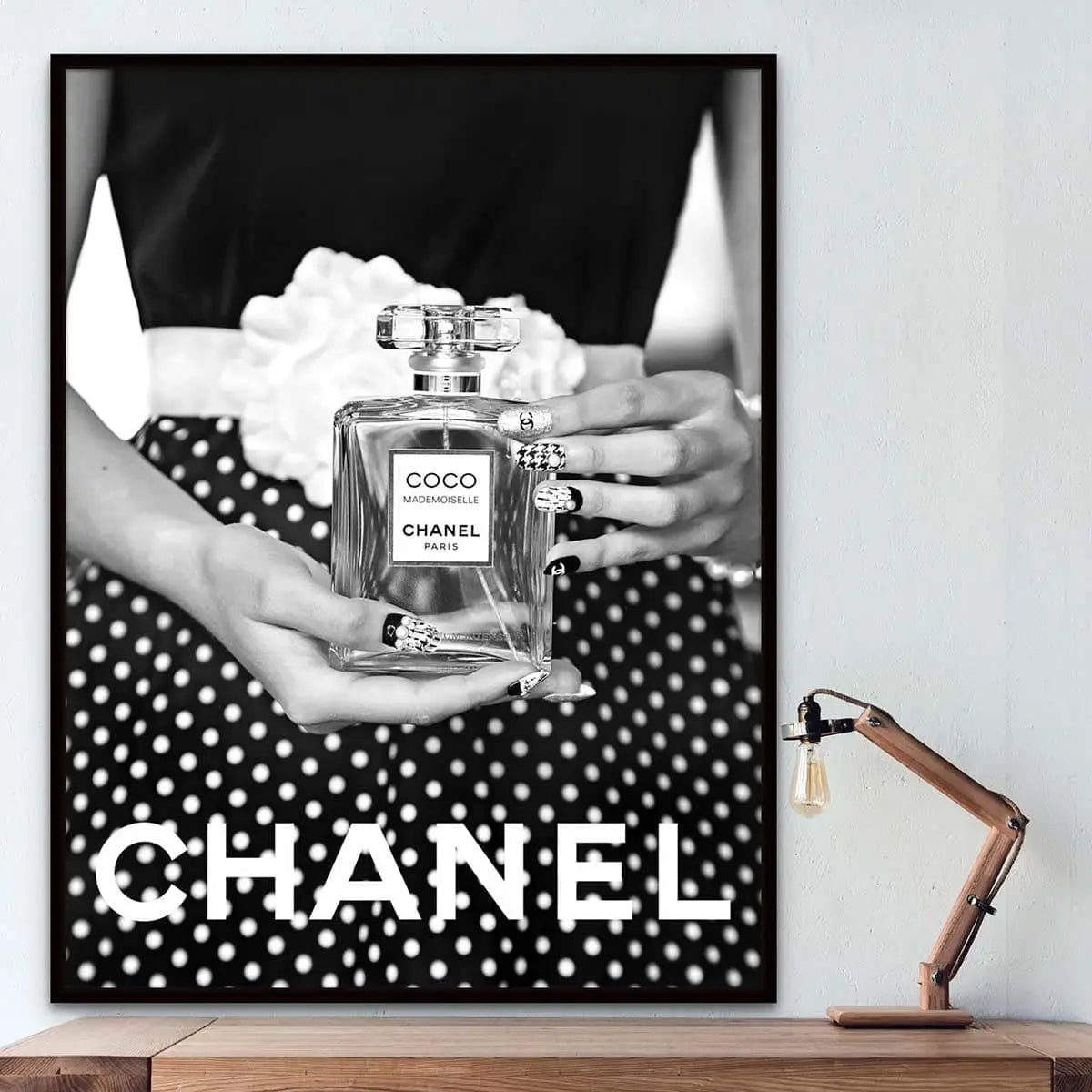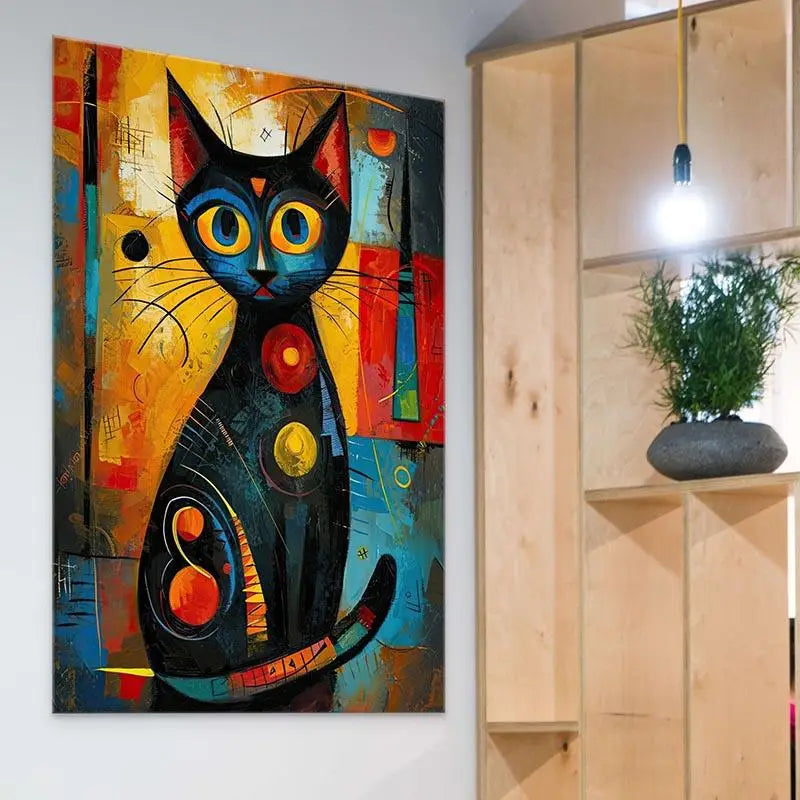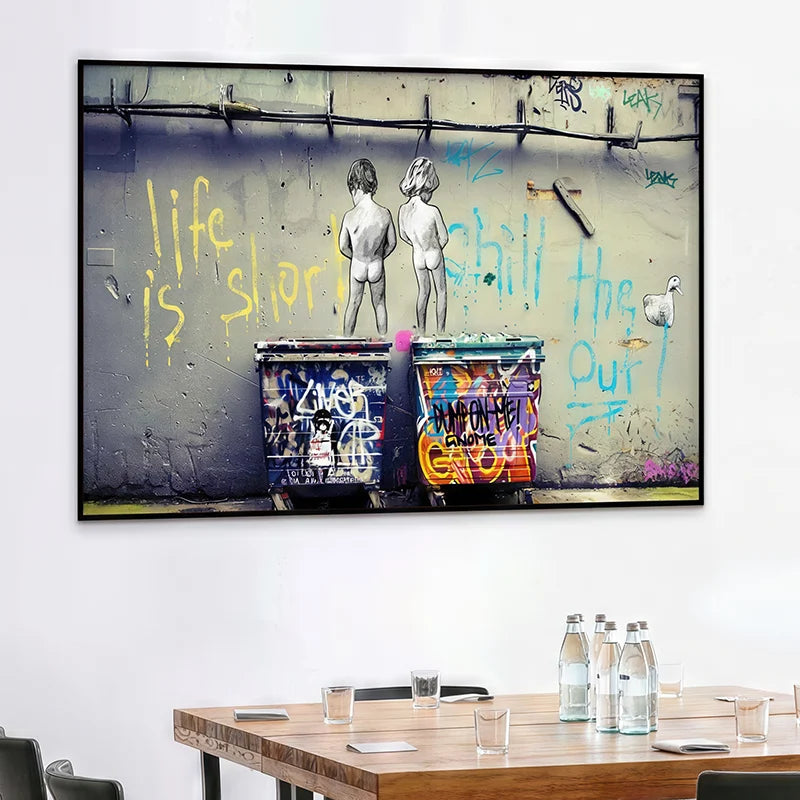

A white wall can sometimes make a room feel as though it lacks real personality. To add depth, color and a contemporary touch, Street Art wall art is a solution that is both expressive and accessible. A graphic portrait, stylized animal, sneaker, abstract composition or pop culture theme: each creation can become the starting point for wall decor that reflects your style.
Inspired by urban art, graffiti, stencils, posters and popular culture, Street Art stands out through its contrasts, bold colors and ability to convey an immediate emotion. It can transform an overly neutral living room, personalize a teenager’s bedroom or add character to an office without requiring a complete decor makeover.
In this guide, discover 7 practical ideas for incorporating colorful Street Art wall art into your interior, choosing the right shades, adapting the size to your wall and selecting the medium best suited to your project.
What is Street Art?
Street Art, also known as urban art, encompasses artistic practices designed to be seen in public spaces or inspired by the urban environment. It can take the form of a mural, stencil, collage, poster, mosaic, installation or graffiti. Contrary to an overly narrow definition, Street Art is therefore not limited to spray-painted lettering on a wall.
Its origins are diverse. New York graffiti writing notably developed in the 1970s around signatures, lettering and compositions created in the streets and on public transport. Over time, these practices evolved: some artists entered galleries and museums, while others continued working in public spaces. The Museum of the City of New York notably explores this evolution of New York graffiti onto canvas and into cultural institutions.
Street Art and graffiti: what’s the difference?
The two terms are closely related, but they do not mean exactly the same thing. Graffiti often focuses on the artist’s name, lettering, tags, throw-ups, or the pursuit of a distinctive typographic style. Street Art takes a broader approach: it can tell a story, reimagine an image, convey a message, play with humor, or create a monumental work in an urban neighborhood.
The boundaries remain fluid, and artists may use several techniques at once. In interior design, the term “Street Art wall art” generally refers to a wall piece inspired by these visual codes: blocks of color, bold outlines, spray-paint effects, drips, stencils, typography, and references to urban culture.
Why choose Street Art for your home decor?
Street Art wall art can transform the atmosphere of a room in just a few minutes. It draws the eye, anchors an empty wall, and gives the decor a clear direction. In a neutral-toned interior, it adds a dynamic touch. In an already colorful room, it can enhance the existing palette, provided it is chosen with care.
This style also suits a wide range of interiors. An abstract composition blends effortlessly into a contemporary living room, a graphic portrait adds character to a bedroom, a colorful animal brings an original touch, and artwork inspired by sports, gaming, or pop culture creates a more personal decor.
Wall art is also appealing because of its versatility. You can change the accessories around the piece, move it, or update the arrangement without replacing all the furniture. Street Art thus becomes a unifying theme that brings together original wall decor, personal expression, and modern style.
Tip 1: Choose Street Art wall art as a centerpiece
The first rule is to let one striking piece take center stage. Instead of displaying several small decorative objects, choose a colorful Street Art wall art that instantly draws the eye. The rest of the room can then remain more understated to showcase its shapes and colors.
What subject should you choose?
It all depends on the feeling you want to create. A stylized portrait adds a human presence and a sophisticated atmosphere. A reimagined animal creates a more playful or quirky look. An abstract composition is ideal for contemporary decor, while artwork inspired by sports, music, cinema, or gaming lets you showcase a passion.
Before ordering, consider the room's dominant colors and ask yourself how you want to feel every day. Highly contrasted wall art will become an energetic focal point. A piece featuring black, white, and a single bright color will be easier to pair with a minimalist interior.
Original, reproduction, or inspired creation?
These terms are not interchangeable. An original work is a unique creation made by an artist. A reproduction is a print of an existing work. A decorative piece inspired by Street Art incorporates some of the movement's graphic codes without necessarily being a historic or one-of-a-kind original work.
A transparent product description should specify the image, dimensions, material, and finish offered. This information helps you make an informed choice and avoids any confusion between printed decorative wall art and an original work of art.
To compare the available graphic styles and colors, explore our Street Art wall art collection.
Tip 2: Coordinate the colors of the wall art and the room
Street Art is often associated with red, yellow, blue, pink, green, or orange. However, successful decor is not about bringing together every available color. The simplest approach is to choose one dominant shade, one or two accent colors, and a neutral base.
On a white, beige, or light gray wall
A light-colored wall allows contrasts to shine. You can then choose a highly colorful piece and subtly echo one of its shades in a cushion, vase, rug, or lamp. Two or three accents are enough to create visual continuity without making the room feel oversaturated.
On a dark or colorful wall
If your wall is deep blue, green, terracotta, or charcoal gray, choose wall art with lighter areas. White, yellow, or black-and-white contrasts will help the piece remain easy to read. When both the wall and the wall art already make a strong statement, limit the accessories around the sofa or furniture.
How can you avoid mixing patterns?
The more detailed the image, the simpler the furniture and textiles should be. A solid-color sofa, a table with clean lines, and a few natural materials will balance an expressive piece. Conversely, if the wall art is relatively minimalist, a graphic cushion or a subtle rug can extend its visual language.
Decor tip: start with the wall art, not your current favorite color. Let the artwork guide the accent colors used throughout the room.
Tip 3: Match Street Art wall art to each room
Street Art in the home can work in any room, but the subject, format, and intensity of the colors should suit how the space is used.
In the living room
The living room is the perfect place to display a large piece of wall art above a sofa, sideboard, or console table. Colorful artwork adds vibrancy to beige, white, gray, or black furniture. If the room already feels busy, choose a single statement piece rather than a collection of small frames.
Browse our selection of living room wall art to compare different formats and styles.
In the primary bedroom
For a bedroom, choose a more refined color palette and a subject that is not overly stimulating. A graphic portrait, an abstract composition, or wall art with balanced contrasts can enhance the wall above the bed and serve as a visual headboard.
In a child's or teenager's bedroom
Themes related to animation, sports, music, or gaming make it easy to personalize a bedroom. To keep the overall look harmonious, choose one main piece and keep the other walls more understated. Also, select a subject suited to the child's age and tastes, which can change quickly.
In a home office, entryway, or kitchen
In a home office, graphic artwork can stimulate creativity without dominating the entire room. In an entryway, a vertical or square format creates a focal point as soon as you walk in. In a kitchen, a small, colorful piece can brighten up a wall above a shelf, table, or low cabinet.
Tip 4: Choose the right format and material
A piece of wall art may be beautiful yet still look out of proportion in its intended space. Measure the wall, the furniture beneath it, and the viewing distance before ordering. To visualize the result, use painter's tape or cut out a paper template matching the dimensions of the wall art.
Which format should you choose?
- Horizontal format: ideal above a sofa, bed, or sideboard.
- Vertical format: well suited to an entryway, hallway, or narrow wall.
- Square format: easy to display on its own or pair with other artwork.
- Diptych or triptych: an appealing way to add rhythm to a large wall and create a graphic composition.
As a starting point, the width of a piece or arrangement can be around two-thirds to three-quarters of the width of the furniture below it. This proportion should then be adjusted according to the wall height, the size of the sofa and the desired effect.
Which material should you choose for Street Art wall art?
- Frameless poster: lightweight and affordable, it is ideal if you want to choose the frame yourself or refresh your decor regularly.
- Stretched canvas on wooden frame: ready to hang, it gives the artwork a warm presence.
- Black floating frame: it emphasizes the outlines and enhances the graphic, contemporary character of Street Art.
- White floating frame: brighter and more understated, it pairs easily with a light-colored wall.
- Plexiglass: its glossy finish intensifies the colors, but it is best kept away from direct light to minimize reflections.
The material influences how the image is perceived. Canvas creates a warmer look, a black frame enhances contrast and Plexiglass provides a brighter feel. Also consider the weight, mounting system and type of wall.
Tip 5: create a successful Street Art wall arrangement
If a single piece of wall art is not enough to dress your wall, create a cohesive gallery. Start with an anchor piece: the largest piece, the most colorful image or the one with the strongest personal significance. The other sizes can then complement this main piece.
The paper template method
- Cut a sheet of paper to the exact size of each piece of wall art.
- Lay the templates on the floor to test several arrangements.
- Temporarily attach them to the wall with masking tape.
- Check the alignment, spacing and relationship with the furniture.
- Install the wall art only when the overall arrangement looks balanced.
For a gallery wall, even spacing of 8 to 12 cm is a good starting point. However, you can move the frames closer together for a denser look or further apart for a more spacious composition. The most important thing is to maintain a common thread: color palette, theme, frame type or graphic treatment.
Tip 6: mix Street Art with other styles
Street Art wall art does not require a fully urban interior. On the contrary, it can create an elegant contrast with understated furniture or natural materials.
Street Art and industrial decor
Black metal, raw wood, leather and concrete highlight the bold colors of a work of art. A black frame can extend the wall art’s graphic lines and enhance its studio-inspired feel.
Street Art and Scandinavian style
Light-colored furniture and the clean lines of Scandinavian style provide the perfect backdrop for a colorful artwork. Use the wall art to add a burst of energy to a white or beige wall, then echo a single shade in the textiles.
Street Art and contemporary decor
In a modern interior, opt for a clean composition, a slim frame and a carefully curated palette. Graphic portraits, black-and-white artworks enhanced with a vibrant color and geometric compositions blend particularly well with this style.
Tip 7: personalize the atmosphere without overcrowding
Street Art decor should tell your story. Choose a subject connected to your tastes, a memory, a passion or simply an emotion you want to experience every day. A personal artwork will stand the test of time better than a purchase chosen solely because it follows a trend.
To keep a room balanced, follow a simple rule: one dominant visual element, a few complementary accents and some breathing room. If the wall art is very colorful, choose plain textiles. If the artwork is more understated, you can add a graphic accessory or a second, smaller piece.
Create responsible, transparent decor
When using a photograph, character, logo or image found online, make sure you have the necessary rights to reproduce it. For commercial decor or a custom creation, the source of the visual and the usage rights must be particularly clear.
Finally, clean your wall art with a soft, dry cloth. Avoid abrasive products, excessive moisture and prolonged exposure to direct sunlight. Secure mounting and sufficient distance from any heat source will also help preserve your wall decor.
Which Street Art wall art should you choose?
Here are a few ideas to help you find a style that reflects your personality and complements your interior:
- Graphic portraits: they make a bold statement in the living room or bedroom.
- Colorful animals: they add an original, cheerful and sometimes quirky touch.
- Sports and sneakers: perfect for an office, a teenager's bedroom or a dedicated leisure room.
- Pop culture and gaming: they let you express your passion and personalize your space.
- Typography and messages: they draw the eye and give your decor a more urban feel.
- Abstract compositions: they incorporate the contrasts and graphic effects of Street Art while offering a look that is easier to coordinate.
If you are deciding between several themes, start with the room where the wall art will be displayed. A living room often calls for a cohesive, balanced piece, while an office or bedroom can accommodate a more personal and daring creation.
How to buy Street Art wall art online
Ordering wall art online allows you to compare designs, dimensions and finishes, but a few essential checks are needed before completing your purchase.
- Measure the space: consider the wall, furniture and viewing distance.
- Check the material: clearly identify whether it is a poster, canvas, floating frame or Plexiglass.
- Look at the lifestyle photos: they make it easier to assess the wall art's true visual impact.
- Check the production details: finish, thickness, frame, hanging system and care instructions.
- Compare the colors: the lighting in your room can affect how the artwork looks.
- Read the shipping and return policies: they may vary depending on the size and material selected.
- Check how the artwork is presented: an original work, a reproduction and an inspired decorative creation should not be confused.
At Montableaudeco, you can explore a wide range of wall decor styles and choose the finish that suits your project: unframed poster, stretched canvas, black or white floating frame and Plexiglass. Our Street Art collection features colorful, graphic and original creations for the living room, bedroom, office or entryway.
Want to compare other styles? Browse all our decorative wall art and find the piece that best complements your interior.
Frequently asked questions about Street Art wall art
What is the difference between Street Art wall art and graffiti wall art?
Graffiti often focuses on lettering, signatures and typographic exploration. Street Art is broader and can include portraits, stencils, collages, animals, messages or abstract compositions inspired by the city.
Which Street Art wall art should you choose for a living room?
Choose a size that is proportional to the width of the sofa or sideboard. A large, colorful portrait creates a powerful focal point, while an abstract or black-and-white composition blends more easily into a minimalist living room.
How do you incorporate colorful wall art into understated decor?
Keep the walls and furniture in neutral tones, then echo one or two colors from the wall art in cushions, vases or lighting. This method creates harmony without overwhelming the room.
Which medium should you choose for Street Art decor?
An unframed poster is lightweight and affordable, stretched canvas offers a warm look, a floating frame highlights the contours, and Plexiglass enhances the brilliance and intensity of the colors. Your choice depends on the desired style, budget and amount of light in the room.
Can you hang Street Art wall art in an adult bedroom?
Yes. Choose a limited color palette, a single artwork and balanced contrasts. A graphic portrait or abstract composition can decorate the wall above the bed while maintaining an elegant atmosphere.
How do you create a Street Art gallery wall?
Start with an anchor piece, test different sizes using paper templates and maintain a common thread between the artworks through colors, theme, frames or graphic style. Always check that the overall arrangement is balanced in relation to the furniture.
Is decorative Street Art wall art always an original artwork?
No. It may be an original artwork, a reproduction or a decorative piece inspired by the visual language of urban art. The product page should clearly state the nature of the image and the type of finish available.
Conclusion: express your style with Street Art wall art
Adding a colorful Street Art wall art piece is an easy way to transform a wall and give your interior more personality. Portraits, animals, abstract compositions, typography or pop culture themes: your choice of subject lets you create an atmosphere that truly reflects who you are.
For a successful interior, start with a statement piece, measure the available space, coordinate the colors and choose a medium that suits your lifestyle. Street Art can be bold, inviting and elegant when paired with balanced furniture and a few carefully chosen accessories.
Ready to bring new energy to your wall decor? Explore the Montableaudeco Street Art wall art collection and find the perfect piece to add character to your living room, bedroom or office.