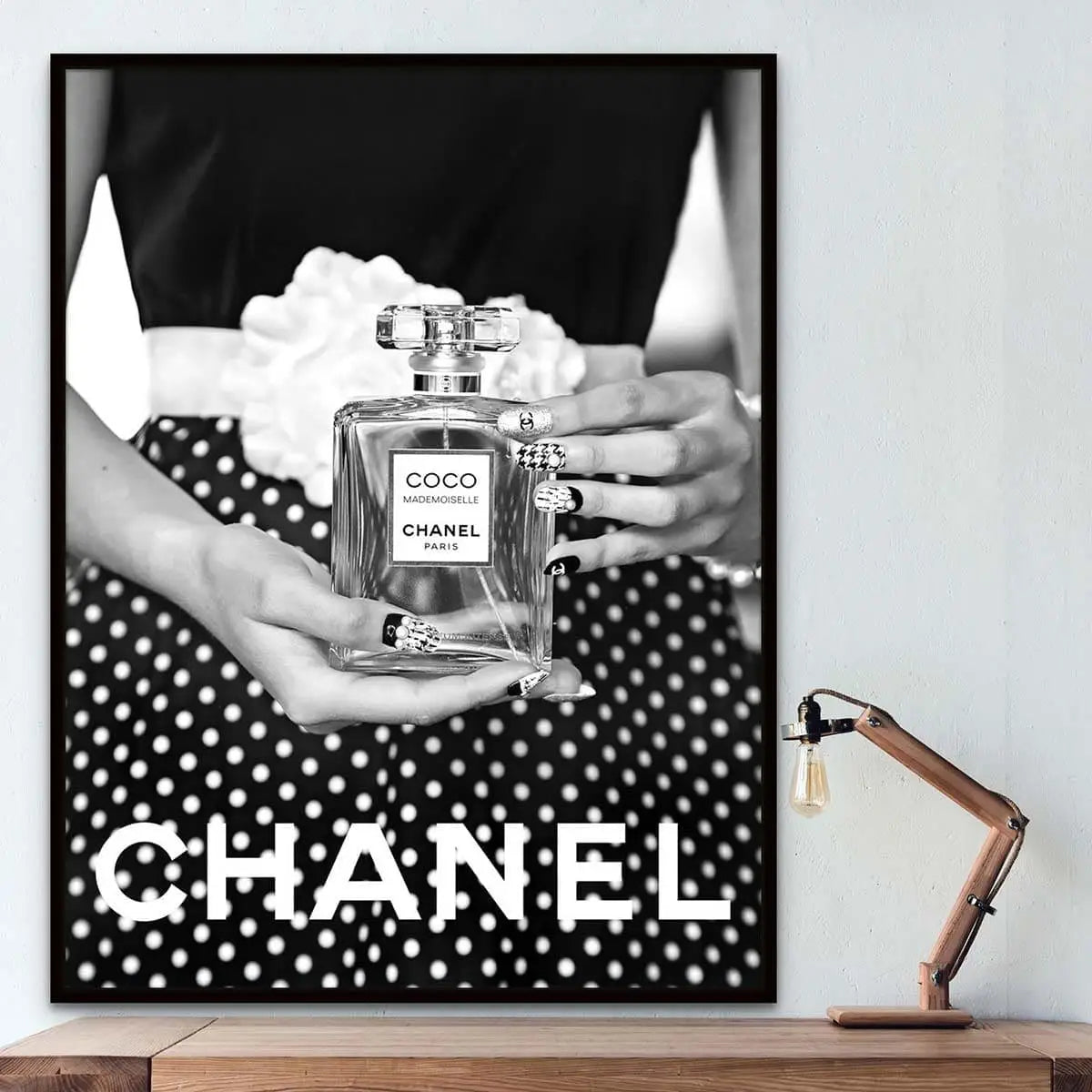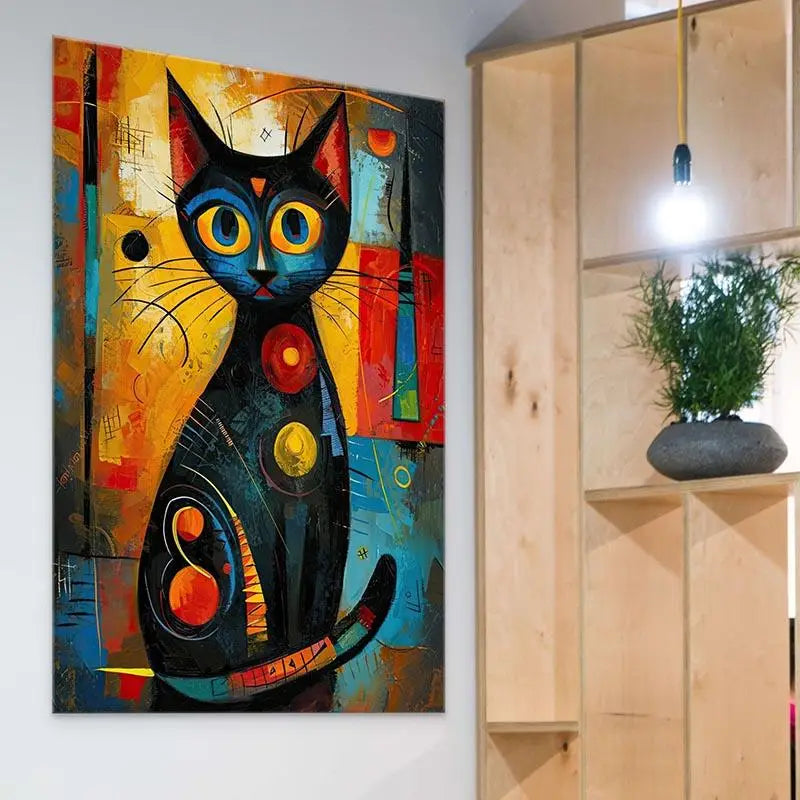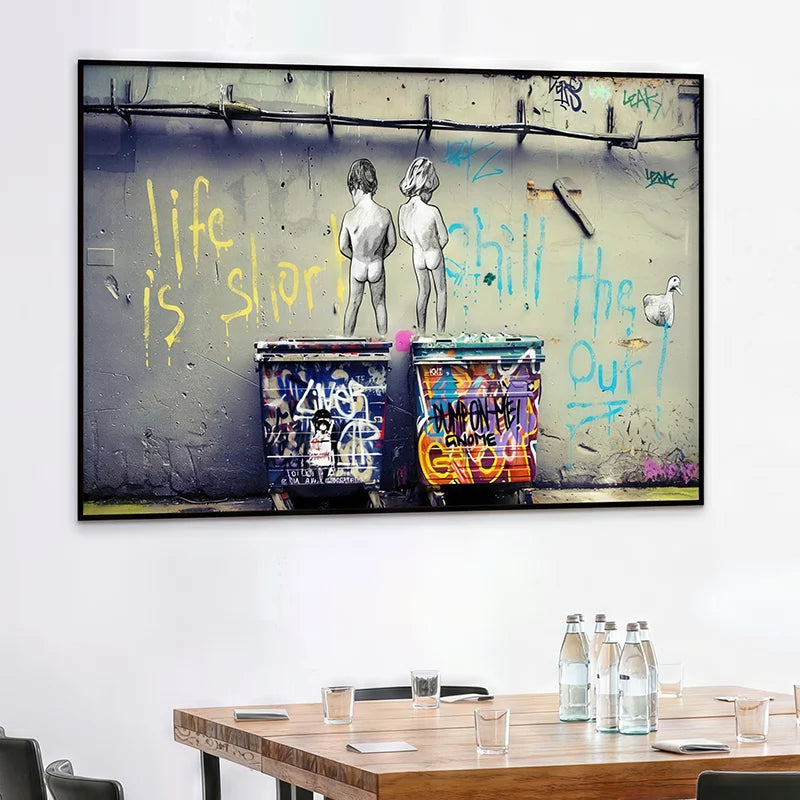

- At first glance, a sneaker and a piece of street art wall art may not seem to have much in common. Yet these two worlds share the same codes: a strong visual identity, a love of freedom, distinctive colors and a desire to break with convention. Over the decades, sneaker culture has grown closer to urban art, ultimately influencing fashion, advertising, design and interior decor.
Nike holds a special place in this story. The brand did more than create footwear for sports: it helped transform sneakers into cultural objects that are collected, photographed and sometimes displayed like works of art. In this article, we explore the connections between Nike, street art and sneaker culture, before looking at how this world can inspire modern wall decor.
Nike and the birth of sneaker culture

Sneaker culture is about more than choosing a comfortable pair of shoes for sports. It encompasses a world of sneaker enthusiasts, collectors, designers, photographers, artists and urban fashion fans. A pair may be admired for its silhouette, history, rarity, colors or the message it conveys.
The Nike Air Force 1, launched in 1982, marked a major milestone in this evolution. Originally designed for basketball, it gradually moved off the court and into the streets. The Air Jordan 1, introduced in the mid-1980s, then strengthened the connection between sport, personal identity and popular culture. The Air Max line, meanwhile, popularized a more visible approach to innovation with its exposed air bubble.
These styles have moved beyond their athletic purpose. They have become symbols of belonging, style statements and forms of self-expression. Their influence can now be seen in photo shoots, music videos, window displays, posters and wall art inspired by urban culture.
Why street art pairs perfectly with sneakers

Street art and sneaker culture grew out of similar spaces: streets, sports courts, creative neighborhoods, independent stores and meeting places. Both use imagery to express identity and create a sense of belonging.
Instantly recognizable colors
Street art often favors contrasts, blocks of color, drips, stencils and bold graphic compositions. Sneakers use the same visual devices to make a silhouette memorable. Electric blue, vivid red, sunny yellow or deep black can be enough to identify a collection or an era.
An aesthetic built on movement
Sneakers are associated with movement, dance, skateboarding and basketball. Urban art also places great emphasis on gesture and energy. Splashes, rapid lines, stylized lettering and asymmetrical compositions create a sense of movement, even in a still image.
A culture of customization
Sneaker enthusiasts love customizing their laces, colors, materials and the way they wear a pair. Street art is also rooted in personal signatures and interpretation. This pursuit of originality explains why graffiti wall art, pop art portraits and urban design-inspired pieces fit so naturally into contemporary interiors.
The milestones that shaped this aesthetic
To understand the close connection between sneakers and urban art, it helps to place a few key milestones in context. The dates below are cultural reference points rather than a comprehensive history of Nike.
| Period | Evolution | Visual impact |
|---|---|---|
| 1982 | Launch of the Air Force 1, designed for basketball. | The shoe begins to become recognizable beyond the world of sport. |
| 1980s | The growth of basketball culture and the arrival of models that became iconic. | Silhouettes, logos and colorways enter popular culture. |
| Late 1980s | Visible technologies and highly graphic campaigns strengthen each model's identity. | The product becomes an image, with visual codes inspired by posters and graphic design. |
| 2000s to the present day | Collaborations and online communities amplify the cultural dimension of sneakers. | Sneakers have become collectibles, storytelling vehicles and forms of personal expression. |
What has changed recently is the speed at which images spread. A new pair, a custom design or a mural can be photographed, shared and discussed worldwide in just a few minutes. As a result, the boundaries between fashion, art, sport and interior design have become far more fluid.

Sneaker brands no longer sell only performance or materials. They tell a story. A campaign can evoke a neighborhood, generation, sport, artist, music genre, or attitude. This storytelling makes the product more memorable and allows the public to connect with a particular world.
Collaborations play an essential role in this strategy. They can bring together a sports brand and a designer, artist, boutique, fashion house, or local community. The result is not always limited to a shoe: it may include a photo campaign, installation, clothing capsule, film, or poster series.
In this context, street art brings an authentic and instantly recognizable dimension. Its textures and visual language create the impression of a vibrant world, far removed from overly polished communication. To succeed, however, a collaboration must respect the artist’s identity and avoid reducing urban art to mere advertising decor.
When the City Becomes a Communication Medium
One thing street art and sneaker campaigns have in common is their use of the city as a medium. A wall, facade, construction hoarding, or billboard becomes a space for visibility. The public no longer discovers the image solely on a screen: they encounter it during their daily commute.
The concept of participatory campaigns inspired by social media, sometimes known as “instaposters,” illustrates this shift. Photographs or content shared by users can be transformed into posters, graphic compositions, or urban installations. The benefit is twofold: the brand creates a collective experience, and the public becomes part of the image.
This approach also explains why street art wall art works so well in interior design. It draws on the visual language of the street while adapting it to a wall, living room, bedroom, or office.
From Sneakers to Wall Art

The sneaker has become an artistic subject in its own right. It can be depicted in close-up, placed within an abstract composition or combined with splashes, lettering and urban symbols. A canvas featuring a sneaker then tells a story that goes far beyond the product itself: it evokes speed, music, sport, youth and freedom.
In a living room, sneaker-inspired street art wall art can become a focal point above the sofa. In a teenager's bedroom, it pairs effortlessly with gaming, basketball or skate culture. In an office or dressing room, a graphic piece adds a contemporary touch without changing the entire decor.
To maintain an elegant aesthetic, pair the artwork with understated furniture. A white wall, a gray sofa, a few wooden accents and a black frame are often all it takes to showcase a vibrant image. The artwork remains the room's main source of energy.
The Influence of Basquiat, Keith Haring and Graffiti
Jean-Michel Basquiat and Keith Haring profoundly shaped the way the public perceives urban art. Their visual languages helped bring symbols, figures, words and spontaneous gestures into galleries, magazines and popular culture.
Basquiat: The Power of Gesture and Symbol
Basquiat's work is often associated with raw energy, recurring symbols, bold contrasts and remarkable freedom of composition. These qualities resonate with sneaker aesthetics: imagery that immediately catches the eye, blends references and makes no attempt to look perfectly polished.
Keith Haring: Movement, Rhythm and Accessibility
Keith Haring's dynamic figures, black lines and bold colors made his visual world instantly recognizable. This clarity explains why his influence remains strong in design, fashion and visual communication.
Graffiti as Street Culture
Graffiti adds a more spontaneous dimension, shaped by lettering, signatures, layering and urban textures. Today, artists draw inspiration from these visual codes to create original works without necessarily replicating the style of a specific artist.
To discover a selection dedicated to this world, explore our decorative wall art with street art influences.
Nike, Adidas and Other Brands Meet Urban Art

Nike is not the only brand to recognize the power of urban art. Adidas, Reebok, Puma, and many streetwear labels have also collaborated with artists, designers, and creative communities. Each, however, has developed a distinct language: some focus on nostalgia, while others embrace innovation, skateboarding, soccer, music, or fashion.
This visual competition has helped enrich sneaker culture. Today, brands must offer more than a logo: they must create an experience, tell a story, and develop a visual identity strong enough to be shared.
For enthusiasts, this variety offers a wealth of possibilities. It makes it easy to choose wall art that reflects your style without necessarily displaying a specific brand. An abstract composition, a stylized sneaker, a colorful portrait, or a graffiti-inspired poster can evoke sneaker culture while remaining elegant and personal.
How to incorporate sneaker culture into your decor
In a contemporary living room
Choose large horizontal wall art featuring a sneaker, a graphic composition, or a basketball-inspired scene. Pair it with neutral colors and echo just one or two shades from the artwork in cushions or accessories.
In a teenager's bedroom
Colorful street art wall art can complement decor inspired by sports, skateboarding, gaming, or music. To avoid an overly busy look, limit competing posters and let one main artwork dominate the wall.
In a home office or dressing room
A medium-sized or vertical format adds a touch of urban fashion without overwhelming the room. A black floating frame or Plexiglass print is especially well suited to modern, graphic interiors.
Which material should you choose?
- Frameless poster: a lightweight option for creating versatile decor.
- Stretched canvas on wooden frame: a warm finish, ideal for living spaces.
- Black or white floating frame: a structured finish that highlights the artwork.
- Plexiglass: a glossy, contemporary surface for stylish decor.
Always measure the wall before ordering. Above a sofa or piece of furniture, wall art measuring roughly two-thirds to three-quarters of the furniture's width generally creates a balanced look. For more inspiration, explore our guide to original wall decor.
Frequently asked questions about Nike, sneakers, and street art
Why are sneakers associated with street art?
Sneakers and street art share an urban culture built on identity, creativity, personalization, and visibility in public spaces. They also use instantly recognizable colors and graphic codes.
What wall art should you choose for sneaker-inspired decor?
Graffiti wall art, a stylized sneaker, a pop art portrait, or a colorful abstract composition all work beautifully. Choose a piece with a color palette that complements the sofa, cushions, or accessories in the room.
Can you display street art in a classic interior?
Yes. The contrast between classic furniture and urban artwork can be very elegant. To create a balanced look, choose one bold piece and keep the accessories more understated.
What size wall art should you choose above a sofa?
A horizontal or panoramic format generally works best above a sofa. A piece that is too small may get lost on the wall, while a large artwork or a multi-piece arrangement will create a more harmonious focal point.
Are Nike and other brands mentioned for commercial purposes?
No. Nike, Air Force 1, Air Jordan, and Air Max are trademarks belonging to their respective owners. This article offers an independent cultural and decorative analysis of the connection between sneakers, street art, and urban design.
Conclusion: the sneaker, a cultural object turned source of inspiration
The connection between Nike, sneakers, and street art stems from a shared history rooted in the street, sports, music, creativity, and personal expression. A sneaker can be a piece of sports equipment, a collector's item, or a true visual icon. In the same way, wall art inspired by sneaker culture can transform a wall into a striking decorative feature.
To create a successful interior, focus above all on balance. Choose a piece that reflects your personality, select a size that suits the wall, and leave enough space around it to let it breathe. A carefully chosen street art piece will bring contemporary energy to your home while blending naturally into your decor.
Discover Montableaudeco decorative wall art and find an original piece to give your interior more character.