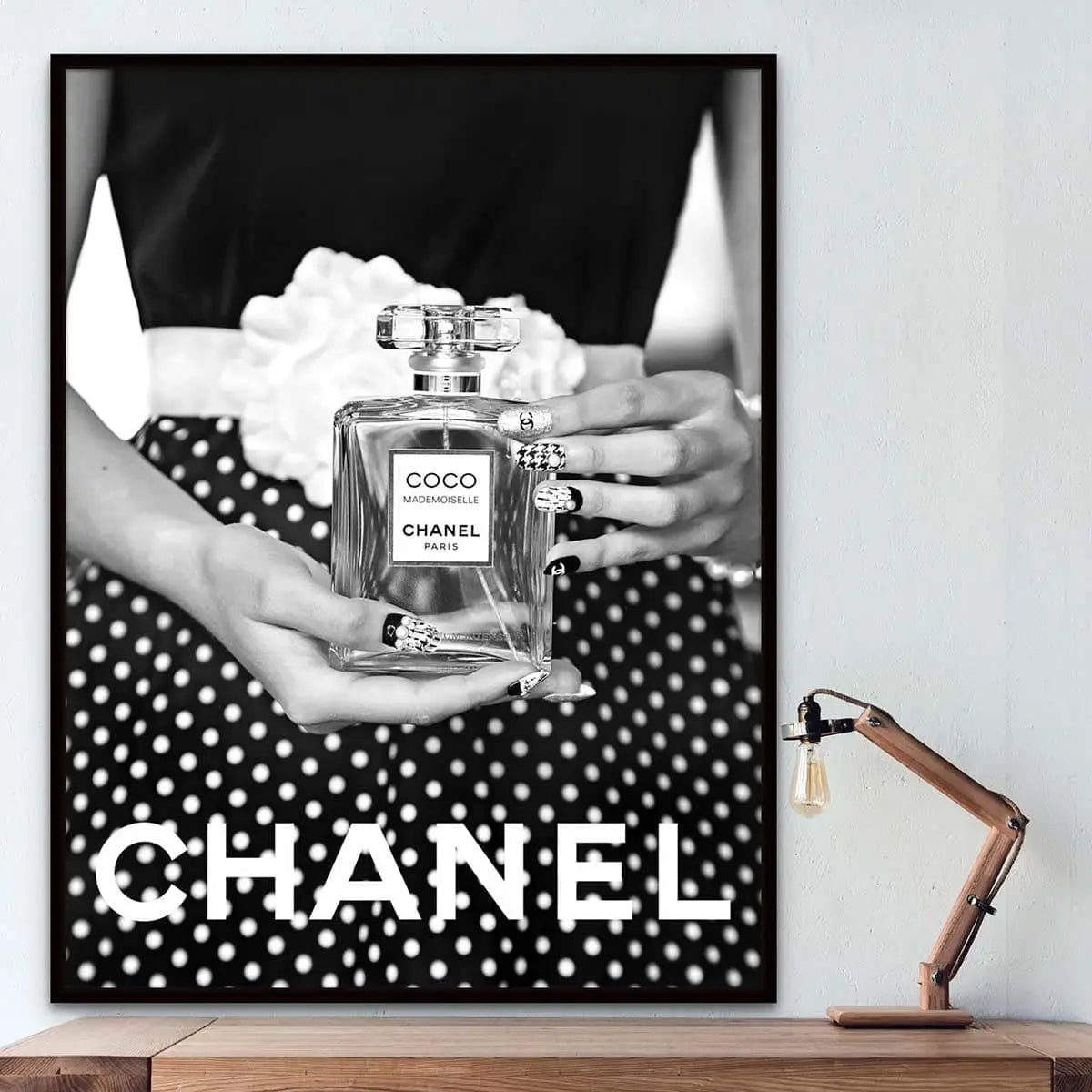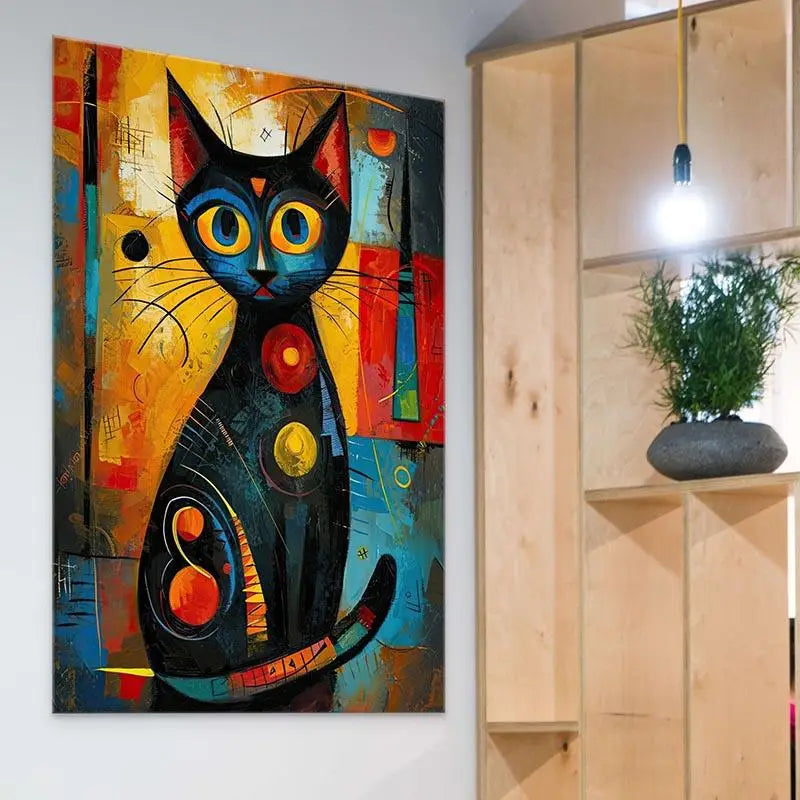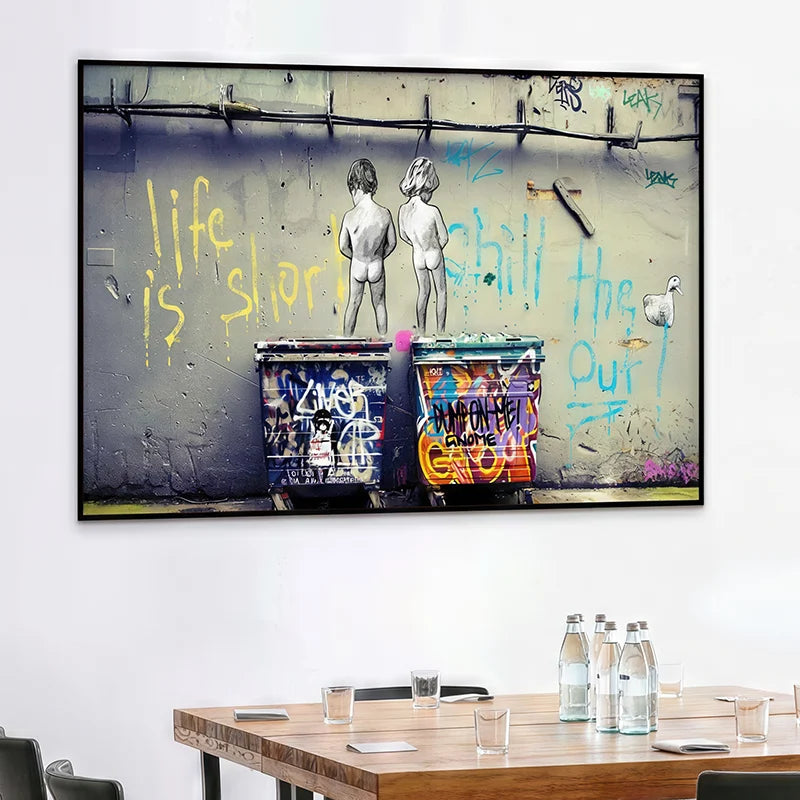

How to combine several wall art pieces for successful wall decor
Decorating a wall with several wall art pieces can transform a space. It adds depth and character to your interior. But how do you achieve a harmonious result?

Choosing and arranging wall art requires thought and creativity. It is not enough to hang it at random. Each piece of wall art must find its place to create a balanced composition.
Wall art is a personal expression. It reflects your tastes and style. By combining several wall art pieces, you can tell a unique story.
Decorative wall art offers a wealth of possibilities. It lets you play with colors, shapes, and textures. This enriches the atmosphere of your room.A successful wall decor relies on a few key principles. It is important to consider the available space and lighting. These elements influence the perception of art.
In this article, we will explore how to successfully combine several wall art pieces. You’ll discover tips for creating a captivating wall gallery.
Ready to turn your walls into works of art? Follow our tips for successful wall decor.

Why combine several wall art pieces? The benefits of wall art series
Combining several wall art pieces offers a wealth of aesthetic benefits. It creates a captivating visual dynamic that draws the eye. In addition, a wall gallery diversifies the artistic expression of your space.
Wall art series allow you to tell a cohesive story. Choosing wall art with a common thread strengthens visual unity. This can be a shared theme or a harmonious color palette.
Using several wall art pieces is also a way to optimize your wall space. Varied artworks can enhance the impression of depth and dimension.
Some key benefits of wall art series:
-
Increases visual richness
-
Enhances the space with an artistic narrative
-
Allows for a flexible, personalized arrangement
Ultimately, a well-thought-out gallery enhances your interior decor. Tailor your selection to reflect your preferences and lifestyle.

Choosing the right placement: adapting the wall gallery to your space
Choosing the right placement is crucial for a successful wall gallery. Each room has its own features and constraints. It is therefore important to plan the arrangement of the wall art according to the available space.
Start by assessing the size and shape of your wall. Wall art should be proportionate to this space. Too small, and it may get lost; too large, and it can overwhelm the room.
When selecting the location of your wall gallery, take existing elements into account. Focal points, such as a fireplace or a window, influence the ideal choice. Don’t forget the impact of furniture and accessories.
A few points to consider when choosing the placement:
-
Identify well-lit areas
-
Avoid cluttered or overloaded spaces
-
Take into account the flow of traffic in the room
By carefully considering these elements, you will maximize the impact of your wall art while creating harmony with the rest of your décor.
Finding harmony: color palette, themes, and styles
Visual harmony is essential for successful wall décor. Start by choosing a color palette that works well with your interior design. The colors should complement one another and create a cohesive whole.
Also think about themes that match your personal style. A well-chosen theme can tell a story or evoke a particular mood. Choose subjects that resonate with you and your space.
In terms of style, mix modern and classic pieces for greater dynamism. Vary the art styles to add visual interest. This also lets you highlight different facets of your personality.
A few tips for harmonizing your wall art:
-
Choose a main color palette
-
Select one or two dominant themes
-
Vary styles for a dynamic effect
By taking a thoughtful approach to colors, themes, and styles, you will create a wall gallery that reflects your artistic sensibility while enriching the atmosphere of your room.
Composing with sizes and shapes: balance and visual dynamism
The composition of the sizes and shapes of your wall art is crucial for adding energy to your wall décor. Play with varied dimensions for a striking aesthetic effect. Large pieces can act as visual anchors on which smaller works find their balance.
Shapes should also be taken into account. Combine rectangles with squares or even irregular formats to create an interesting contrast. This variety draws attention and keeps the eye moving across the wall gallery.
Carefully plan the placement of each piece of wall art to maximize its impact. Create a focal point with a larger piece and arrange smaller ones around it to frame the whole display. This will create a visually pleasing structure while leaving room for your creativity.
A few tips for creating a harmonious composition:
-
Vary the sizes of your wall art
-
Combine different formats
-
Create a focal point
By skillfully playing with sizes and shapes, you can create a composition that catches the eye and brings your space to life.

by Museum of New Zealand Te Papa Tongarewa (https://unsplash.com/@tepapa)
The art of hanging: height, spacing, and arrangement of decorative wall art
Hanging plays a key role in the overall effect of your wall décor. The right height ensures that each piece of wall art is easily visible. In general, align the center of the pieces at eye level, about 145 to 150 cm from the floor.
Spacing is just as important. Regular intervals between wall art pieces prevent a cluttered look. Leave about 5 to 10 cm between each frame to allow each piece to breathe.
The arrangement of the wall art should also be carefully considered. Avoid systematically aligning the frames like a classic gallery. Experiment with an asymmetrical presentation to bring character to your wall.
For a successful hanging arrangement:
-
Align at eye level
-
Leave even spacing
-
Experiment with asymmetry
By mastering the art of hanging, you can transform a simple wall into a captivating art gallery.

by Brecht Corbeel (https://unsplash.com/@brechtcorbeel)
Mix frames, materials, and textures for unique wall décor
Mixing different frames brings depth and interest to your wall décor. Vary the styles, such as rustic wooden frames with modern metal frames. This mix enriches the visual dynamism of your arrangement.
Incorporating different materials into your wall art adds another dimension to your wall. Think canvases, textured papers, or even frosted glass. Each material enhances the unique character of your décor.
Don’t underestimate the power of textures. A skillful combination of smooth and rough surfaces creates a captivating contrast. It encourages the eye to explore the whole more attentively.
For a successful combination:
-
Vary the frames (wood, metal)
-
Use various materials (canvases, glass)
-
Experiment with textures (smooth, rough)
By playing with these elements, your wall becomes a work of art in itself.

by Museum of New Zealand Te Papa Tongarewa (https://unsplash.com/@tepapa)
Create a themed or evolving wall gallery
Choosing a themed wall gallery helps bring visual cohesion to your décor. It can be based on your travels, your favorite seasons, or even a specific color palette. A well-chosen theme tells a story and captures visitors’ attention.
An evolving gallery gives you the freedom to adapt and refresh your décor according to your wishes. Add or replace wall art to refresh the atmosphere of your space. It’s also an excellent way to follow trends without making a permanent commitment.
Here are a few ideas for creating your gallery:
-
Choose a strong theme (travel, nature)
-
Change the wall art with the seasons
-
Add personal elements over time
This type of gallery always brings a personal, vibrant touch to your interior.

by Alberto Biondi (https://unsplash.com/@albertobiondifoto)
Tips for personalizing and evolving your wall decor
Personalize your wall decor by adding unique and meaningful works of art. Incorporate handcrafted pieces or personal photographs to create a space that reflects you. These elements add an intimate, authentic touch to your interior.
Let your gallery evolve by changing the layout or adding new wall art pieces. This refreshes the room’s aesthetic without requiring major changes. Don’t be afraid to experiment to discover what works best for you.
Here are a few tips to personalize your wall decor:
-
Add vintage frames for character
-
Incorporate family or travel photos
-
Experiment with asymmetrical layouts
These small changes make your space feel alive and constantly evolving.

by 粥 半夏 (https://unsplash.com/@zhoubanxia)
Mistakes to avoid for a successful wall gallery
Avoid overloading your wall with too many wall art pieces. This can create a sense of chaos and reduce the visual impact of each piece. Keep a balance between empty spaces and artworks.
Don’t overlook the importance of cohesion. Mixing too many styles or colors can disrupt the harmony of your wall decor. Prioritize quality over quantity for a successful aesthetic effect.
A few common mistakes to avoid:
-
Hanging wall art too high or too low
-
Ignoring the room’s lighting
-
Overlooking the proportions between the wall art and the wall
By avoiding these pitfalls, your wall gallery will be both beautiful and functional.
Inspirations and examples of decorative wall art combinations
Explore a variety of inspirations to bring energy to your walls. Among the popular options, choose themed combinations or mixes of styles and eras. Don’t hesitate to pair modern works with classics for a unique effect.
A few combination ideas:
-
Landscapes and abstract art
-
Monochrome with a pop of color
-
Personal photographs and works of art

by Andy Vult (https://unsplash.com/@andyvult)
Draw inspiration from these examples to express your style and enrich your living spaces. This will bring a touch of originality and sophistication to your interior.
Conclusion: Dare to express your style with wall art
Embracing wall art is a beautiful way to express your style and personality. By combining several wall art pieces, you create a vibrant space that tells your unique story. The key is to let your imagination run free.
Don’t be afraid of boldness. Wall art lets you experiment with colors, shapes, and textures. Every room can become a place for personal expression. Transform your walls into dynamic, inspiring works of art.