
An in-depth look at recent developments and emerging artists in the world of Street Art
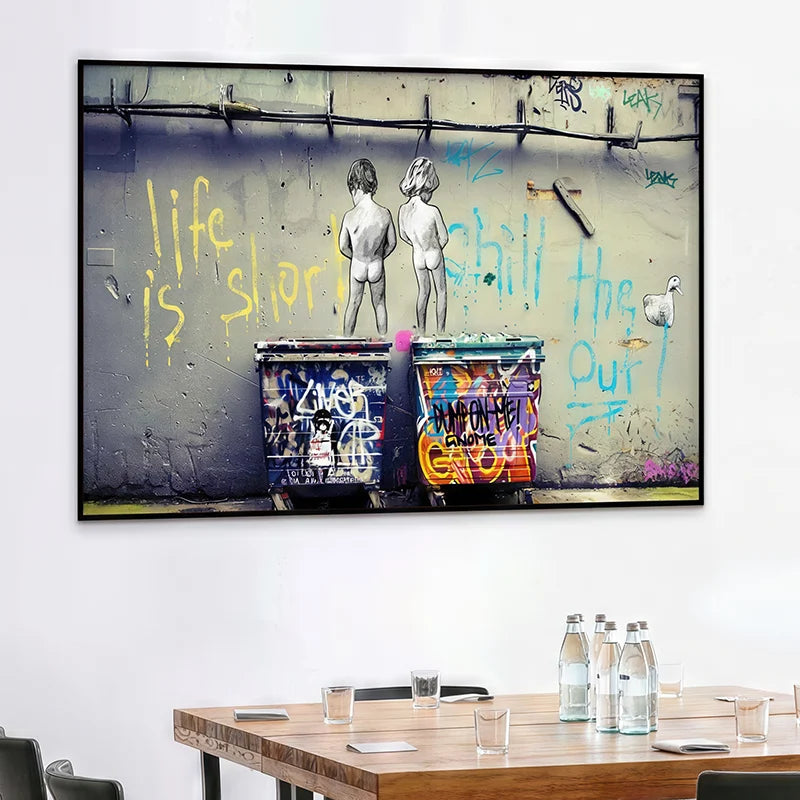
Street Art is a constantly evolving artistic movement, adapting to cultural and sociopolitical change. In 2023, Street Art continues to push boundaries and surprise audiences with ever bolder, more innovative works. In this article, we explore current trends, new emerging artists, and the impact of Street Art on the global art scene.
Current Street Art trends in 2023
Street Art works in 2023 are rooted in awareness and education, addressing themes such as the environment, human rights, and social justice. Artists use the walls of our cities to convey powerful messages and spark reflection. The techniques used are also becoming more diverse, ranging from traditional stencil work to murals, as well as installations and urban sculptures.
The emerging artists shaping the future of Street Art
- Artists committed to the environment
Several emerging artists have chosen to focus on environmental issues, using Street Art as a way to raise public awareness about protecting the planet. These artists include, for example, Jane Doe, known for her murals depicting endangered animals, and John Smith, who creates installations from reclaimed waste to denounce pollution and encourage recycling.
Artists promoting social justice and equality
In 2023, Street Art continues to play an important role in promoting social justice and equality. Artists such as Sarah Brown and Michael Johnson use their talent to address topics such as racism, sexism, and police violence. Their works, often provocative and controversial, aim to encourage dialogue and inspire reflection on the social and political issues we face.
The evolution of techniques and surfaces in Street Art
The diversification of artistic techniques
Street Art in 2023 is no longer limited to murals and stencils. Artists are exploring new techniques, such as light painting, collage, yarn bombing, and land art. These new approaches make it possible to push the boundaries of Street Art and explore new forms of artistic expression.
The expansion of artistic surfaces
Street Art artists in 2023 are no longer content with painting on walls and building façades. Artistic surfaces are becoming more diverse, encompassing everyday objects, vehicles, temporary installations, and even digital projections. This trend reflects Street Art artists’ desire to adapt to the urban environment and claim new spaces in which to express their creativity.
The impact of Street Art on the global art scene and institutional recognition
The growing influence of Street Art on contemporary art
In 2023, Street Art has become an essential artistic movement, influencing many contemporary artists and actively contributing to the renewal of the global art scene. Art galleries and museums are increasingly incorporating Street Art works into their exhibitions, thereby recognizing the value and importance of this artistic movement.
The institutional recognition of Street Art
- Cultural institutions and public organizations now pay special attention to Street Art. Many cities around the world organize festivals and events dedicated to Street Art, helping to promote and recognize these urban artists. Conservation and restoration projects for certain iconic works are also being implemented, reflecting a growing awareness of the heritage value of Street Art.
Street Art in 2023: an artistic movement in full bloom
Street Art in 2023 continues to grow and assert itself as a major artistic movement. With artists who are ever more daring and creative, diversified techniques and surfaces, and growing recognition from cultural institutions, Street Art is on its way to becoming one of the most influential and memorable forms of artistic expression of our time. There is no doubt that the years ahead will bring many more surprises and innovations in the exciting world of Street Art.
The challenges and opportunities of Street Art in the digital age
- The impact of social media on the spread of Street Art
In the digital age, social media plays a central role in promoting and sharing Street Art. Artists use platforms such as Instagram, Facebook, and Twitter to share their works with a wide audience, generating growing interest and curiosity in this artistic movement. In addition, social media makes collaboration and the exchange of ideas easier among artists around the world, creating an environment that encourages innovation and artistic diversity.
The challenges of intellectual property and vandalism
Despite the growing recognition of Street Art, artists still face legal and ethical challenges. The question of intellectual property and copyright arises regularly, particularly when Street Art works are used for commercial purposes without the artist’s permission. In addition, vandalism and damage to works represent a major issue for artists, who may sometimes see their creations disappear or be defaced.
The future of Street Art: outlook and key issues
- New technologies and Street Art
New technologies, such as augmented reality and virtual reality, offer new opportunities for Street Art artists. These tools make it possible to explore new forms of artistic expression and interact with the public in unprecedented ways. Artists will thus be able to create immersive and interactive works, pushing the boundaries of Street Art and opening new perspectives for this artistic movement.
Artists’ commitment to a sustainable and inclusive future
Faced with the environmental and social challenges of our time, Street Art artists are increasingly committed to promoting a sustainable and inclusive future. They use their art to raise public awareness of issues such as climate change, gender equality, and the fight against poverty. Street Art has the potential to become a powerful tool for social and environmental change, contributing to the creation of a better and fairer world.
In short, Street Art in 2023 is a dynamic and constantly evolving artistic movement, shaped by emerging artists, new techniques, varied artistic surfaces, and sociopolitical and environmental issues. The future of Street Art is promising, with new perspectives offered by digital technologies and growing commitment from artists to a more sustainable and inclusive future. It will be exciting to follow the evolution of this artistic movement and discover the
innovative and inspiring creations that will emerge in the years to come.
The role of Street Art in urban revitalization
The transformation of urban spaces through Street Art
Street Art also has a significant impact on the revitalization of urban spaces. By transforming dilapidated walls and neglected neighborhoods into colorful, expressive canvases, Street Art artists contribute to the rehabilitation and beautification of cities. Many urban renewal projects now include Street Art as a central element of their strategy, recognizing its potential to stimulate tourism, improve residents’ quality of life, and foster social cohesion.
Initiatives supporting Street Art and its artists
To support the development of Street Art and its artists, various initiatives are emerging around the world. Public and private organizations and institutions encourage the creation of murals, offer grants and artist residencies, and organize exhibitions to spotlight the talent of Street Art artists. These initiatives contribute to the recognition of Street Art as a fully fledged artistic discipline and help build an ecosystem that supports the flourishing of this artistic movement.
In conclusion, Street Art in 2023 represents a rich and diverse universe, marked by varied trends, talented and committed artists, and a growing influence on the global art scene. The challenges and opportunities facing this artistic movement, whether technological, social, or environmental, offer exciting prospects for the future of Street Art. In a constantly changing world, Street Art will undoubtedly continue to surprise, inspire, and raise awareness, affirming its place as a major artistic movement of our time.