
Art, Decor and Inspiration
Artistic Nudes and Wall Decor: How to Choose Sensual Wall Art
The artistic nude has been part of art history since Antiquity. Today, it also finds its way into our interiors through silhouettes, portraits, abstract lines and bolder compositions. When carefully chosen, nude wall art brings character, elegance and genuine emotion to wall decor.
But how can you incorporate a sensual piece without disrupting the balance of a room? Which style should you choose for the living room, bedroom or office? This complete guide will help you select decorative nude wall art and integrate it harmoniously into your interior.
The Nude in Art History
The depiction of the human body is not merely about seduction. For thousands of years, it has conveyed ideas of beauty, movement, fragility, power, spirituality and identity. The artistic nude is therefore a visual language as rich as the themes it can express.
Antiquity: The Pursuit of Harmony
In Greek and Roman art, the body was often depicted as an ideal expression of harmony. Sculptures emphasized proportions, posture and movement. Nudity could evoke strength, divinity or symbolic perfection, without being limited to erotic intent.
The Renaissance: Observing and Understanding the Body
During the Renaissance, artists deepened their study of anatomy and perspective. The body became a subject of observation, but also a means of expressing emotions and religious or mythological narratives. Line, light and posture took on new importance.
The Modern Era: The Body as a Statement
With photography, modern art and contemporary movements, the nude gradually broke free from traditional conventions. The body could then become a statement of self-expression, a reflection on social norms, a celebration of diversity or a purely graphic exploration.
This evolution explains why the nude has found its place in wall decor today in many different forms: minimalist drawings, abstract silhouettes, fine art photography, colorful portraits and fashion-inspired compositions.
Artistic Nude, Sensuality and Freedom of Expression
In the language of interior design, the word “sexy” can encompass very different sensibilities. It can evoke a pose, an attitude, light, a curve or a mood, without the image being explicit. Sensuality often stems more from what is suggested than from what is shown.
Sensual wall art can therefore play with:
- the fluidity of a silhouette;
- the contrast between shadow and light;
- the beauty of a pose or movement;
- a warm palette of terracotta, burgundy, beige or gold;
- framing inspired by photography or fashion editorials;
- a minimalist line that leaves room for the imagination.
This approach allows you to incorporate female nude wall art or a work inspired by the human body into elegant decor, while preserving its artistic appeal. The aim is to choose an image that moves you and reflects the atmosphere you want to create.
Current trends in nude and sensual wall art
Contemporary wall decor offers many interpretations of the body and sensuality. Here are the easiest styles to incorporate into a modern interior.
Line drawing and line art
Line art depicts the body with a few continuous lines or highly refined contours. This aesthetic is ideal for minimalist, Scandinavian, contemporary or Japandi interiors. It adds artistic presence without overwhelming the wall.
The black-and-white nude
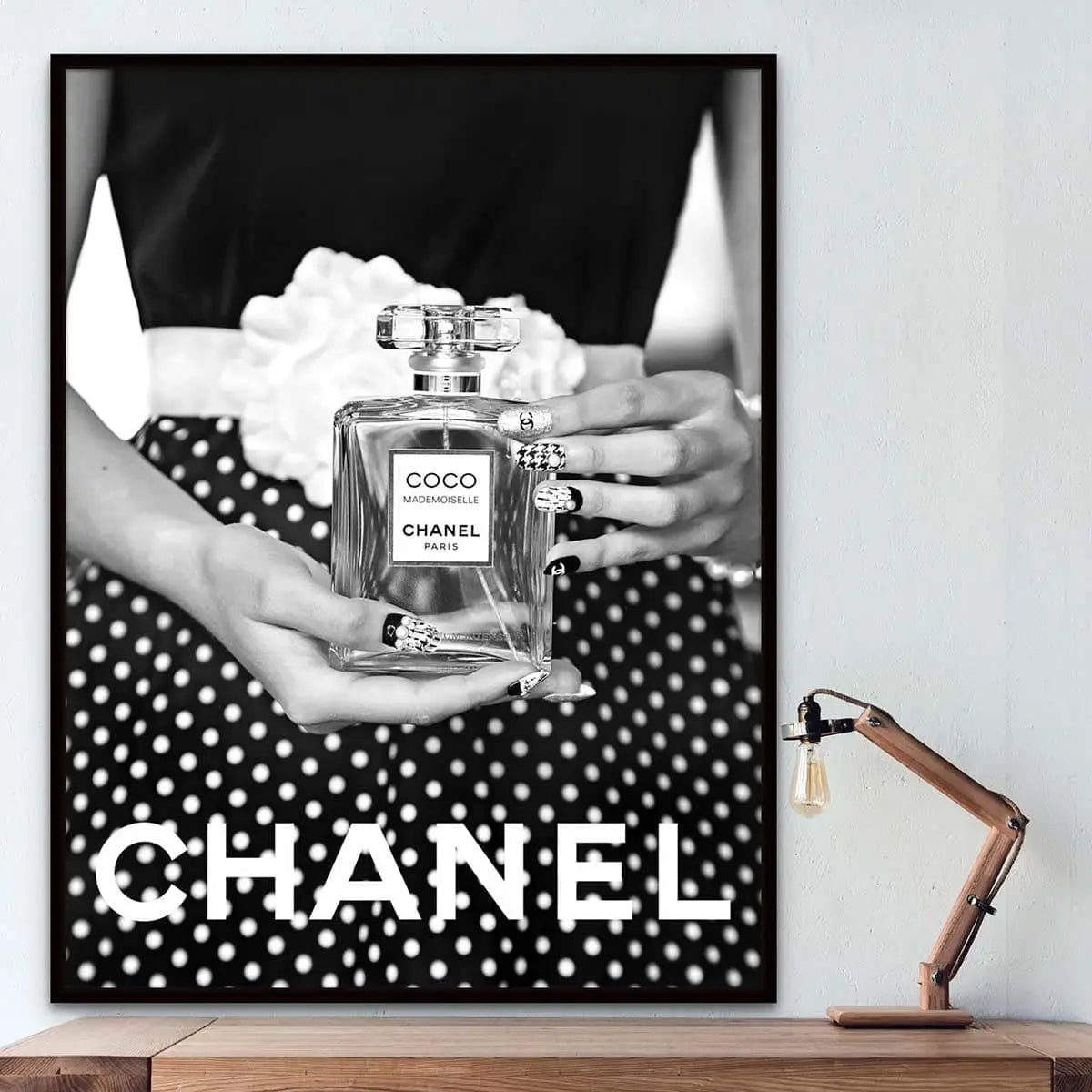
Black and white gives wall art a timeless quality. It pairs effortlessly with wooden furniture, a beige sofa, white walls or more industrial decor. A black frame enhances the contrast, while a white frame creates a lighter look.
The abstract female portrait
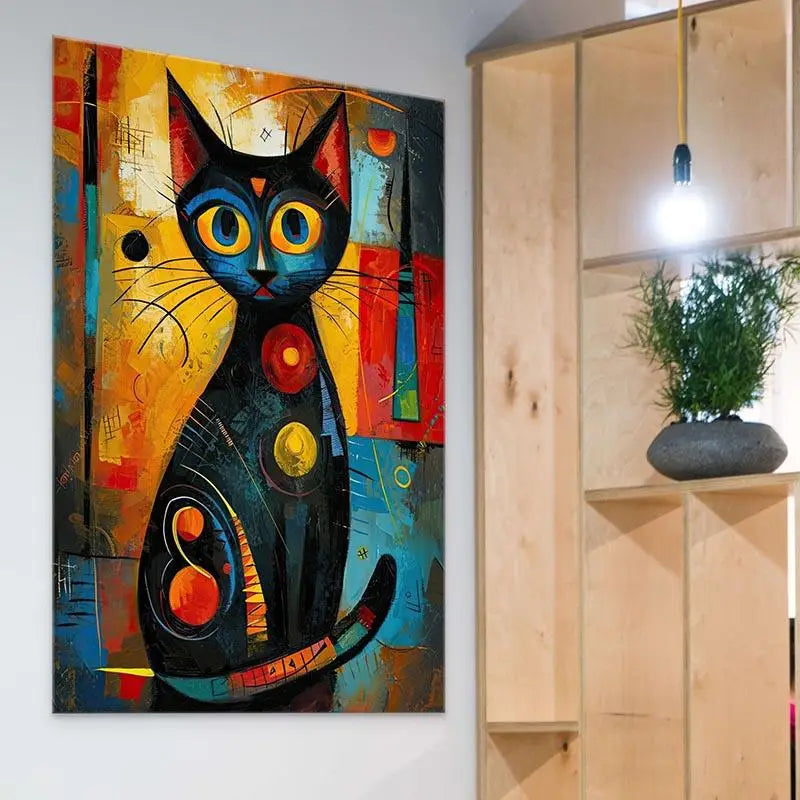
Abstract portraits play with blocks of color, deconstructed shapes and partially suggested faces. They evoke femininity, beauty and character without portraying the body realistically. Vibrant colors bring energy to an understated living room.
Fine art photography and fashion inspiration
Fashion photography-inspired artwork adds a glamorous, urban or sophisticated touch. It fits effortlessly into an adult bedroom, dressing room, creative office or luxury-inspired interior.
Silhouettes and abstract shapes
A silhouette can be suggested by a curve, a shadow or a juxtaposition of shapes. This trend is ideal for those seeking sensual yet understated decor. It also works well in shared spaces, as its appeal is more universal.
How to choose the perfect artwork for your interior?
The right wall art is not simply the one that draws your eye to an image. It is the one that fits seamlessly into your daily life and remains captivating over time.
Define the desired mood
- For an elegant atmosphere, choose monochrome artwork, line art or understated photography.
- For a warm atmosphere, favor nude, terracotta, caramel, burgundy and gold tones.
- For contemporary decor, opt for abstraction, graphic blocks of color or black-and-white contrast.
- For a bolder room, choose colorful or pop-inspired wall art, or a piece influenced by the world of fashion.
- For a calming space, opt for flowing lines, soft colors and an uncluttered composition.
Choose artwork that reflects who you are
The human body can be depicted realistically, stylistically, abstractly, in fragments or simply suggested. Take the time to consider what the artwork evokes for you: confidence, freedom, softness, strength, movement or elegance.
Inclusive representations and silhouettes featuring a variety of body types also help move beyond the idea of a single standard of beauty. Successful wall decor does not seek to impose a standard: it expresses individuality and sensitivity.
Consider how the room is used
In a family living room or professional space, suggestive graphic artwork will often be easier to share than a very intimate image. In an adult bedroom or dressing room, you can choose a more personal aesthetic. What matters is that the level of sensuality suits the people who use the space.
Colors, frames and materials: creating a cohesive look
Nude wall art can become the centerpiece of your decor, but it should remain in harmony with the furniture, textiles and lighting.
Easy-to-coordinate color palettes
- Black, white and gray: a graphic, timeless combination that is easy to incorporate.
- Beige, nude and terracotta: a warm, soft and highly contemporary palette.
- Burgundy, brown and gold: a more intimate, sophisticated atmosphere.
- Midnight blue, off-white and black: an elegant contrast for contemporary decor.
- Vibrant colors: a bold option to enliven a neutral wall.
Choosing the frame
A black frame defines the contours and suits graphic artwork. A white frame lightens the composition and blends into a pale wall. A floating frame adds a gallery-style finish, while unframed stretched canvas maintains a more spontaneous, contemporary look.
Choosing the medium
Depending on the look you want, you can choose an unframed poster, stretched canvas, a black or white floating frame, or an acrylic glass print. Posters are ideal for evolving arrangements and smaller budgets. Canvas creates a warmer presence. Acrylic glass offers a glossy, modern look, particularly well suited to photographic or highly colorful artwork.
For more wall decor inspiration, explore our selection of modern decorative wall art and the artistic creations in the street art collection.
Formats and wall arrangements
The format influences how the body, silhouette, or portrait is perceived. The proportions should therefore be chosen to suit the wall and furniture.
Vertical format
A vertical format enhances a silhouette, portrait, or full-length composition. It works well near a door, in an entryway, between two windows, or above a narrow piece of furniture. It can also make a room feel taller.
Horizontal format
A horizontal format fits easily above a sofa, bed, or console table. It creates a soothing line and complements low furniture. For nude artwork, it can highlight a pose, movement, or a more panoramic composition.
Diptychs and triptychs
A diptych or triptych brings real energy to a wall. The panels can extend a silhouette, create a sense of symmetry, or juxtapose several details from the same artwork. Treat the set as a single composition and keep even spacing between the panels.
The gallery wall
A gallery wall lets you combine a portrait, a silhouette, a typographic quote, and fine art photography. To maintain a cohesive look, choose a common thread: the same palette, frame color, theme, or finish.
Which nude wall art should you choose for each room?
In the living room
The living room is the perfect setting for an elegant artwork that everyone can enjoy. A large abstract portrait, black-and-white wall art, or a stylized silhouette can become the focal point above the sofa. In a very colorful interior, choose a more minimalist artwork to avoid visual clutter.
In the primary bedroom
The bedroom is the most natural setting for intimate decor. Soft tones, flowing silhouettes, shadows, and boudoir-inspired compositions create a warm atmosphere. Hang the artwork above the bed or on a side wall, making sure to use secure fixings.
In a dressing room or primary suite
Wall art inspired by fashion, beauty, or photography adds a glamorous touch. Black frames, gold details, and vertical compositions work particularly well in this type of space.
In the bathroom
If you would like to hang wall art in a bathroom, choose a material suitable for humid conditions and avoid areas directly exposed to splashing water. A minimalist artwork or abstract silhouette can enhance a spa-inspired atmosphere.
In an office
In an office, choose wall art that conveys confidence, creativity, or movement without constantly distracting you. A stylized portrait, line art, or an abstract composition can personalize the wall behind the desk or a bookcase.
In an entryway or shared space
For an entryway, hallway, or area accessible to guests, suggested sensuality is often easier to incorporate than a highly intimate depiction. Silhouettes, plays of light, and abstract forms add character without imposing a single interpretation.
Wall art placement, lighting, and care
How you display nude or sensual wall art is just as important as the artwork you choose.
Helpful hanging guidelines
- As a starting point, position the center of the artwork approximately 145 to 152 cm above the floor.
- Above a sofa, bed, or sideboard, leave approximately 15 to 25 cm between the furniture and the bottom of the wall art.
- For multiple frames, generally leave 5 to 8 cm between artworks and keep the spacing consistent.
- Above a piece of furniture, aim for a total width equal to approximately 60 to 75% of its width.
These measurements are guidelines, not strict rules. Adjust them to suit the occupants' height, foot traffic, and the room's layout.
Creating flattering lighting
Soft, adjustable lighting reveals the details of an artwork without creating glare. Avoid placing the wall art opposite a window with intense sunlight or under a light aimed directly at its surface. With a glossy material such as acrylic glass, check how it looks from the main viewing points in the living room or bedroom.
Protecting the artwork
Prolonged direct sunlight, excessive humidity, and impacts can affect the appearance of wall art. Choose a mounting system suited to the weight of the material, avoid narrow high-traffic areas, and leave enough visual space around the artwork.
Mistakes to avoid
- Choosing artwork that is too explicit for the setting: adapt the image to suit a family living room, office, or bedroom.
- Overcrowding the room: one striking sensual wall art piece is often enough to set the mood.
- Ignoring proportions: a piece that is too small will get lost above a large sofa.
- Hanging the wall art too high: it should remain visually connected to the furniture and comfortable to view.
- Mixing too many color palettes: choose an accent color or a neutral base.
- Overlooking reflections: test the lighting on glossy surfaces.
- Drilling without a mock-up: use a paper template before final installation.
- Choosing based solely on trends: opt for a piece that you genuinely love and that reflects your personal style.
Artistic nude wall art, decor that expresses sensitivity
Nudity and sensuality in wall decor are about more than seduction. They can evoke confidence, freedom, softness, the beauty of lines, or body diversity. This richness allows every interior to express a personal interpretation.
Choose a piece that moves you, pair it with a suitable format, and give it enough space to make an impact. For further inspiration, explore our tips on creating personalized decor and our ideas for original wall decor.
FAQ about nude and sensual wall art
Is nude wall art suitable for every room?
Yes, provided that the style and level of sensuality suit the room. An understated piece works well in a living room or office, while a more intimate creation naturally belongs in an adult bedroom.
How can you choose sexy wall art without overwhelming your decor?
Choose an elegant composition, a cohesive color palette, and a single focal point. Line art, a silhouette, or a black-and-white portrait adds sensuality with subtlety.
Which color should you choose for artistic nude wall art?
Black and white, beige, nude, terracotta, burgundy, and gold are easy to incorporate. Brighter colors can create a bold contrast in a very understated interior.
Which format should you choose for female nude wall art?
A vertical format highlights a figure or portrait. A horizontal format works well above a sofa or bed. A diptych or triptych adds structure to a large wall and creates a stronger sense of rhythm.
How high should you hang sensual wall art?
As a starting point, position the center of the artwork around 145 to 152 cm from the floor. Above a piece of furniture, leave approximately 15 to 25 cm between the furniture and the bottom of the wall art.