
How a Simple Decorative Detail Can Transform Your Interior
In interior design, it is often the small details that make the biggest difference. A carefully chosen color, beautiful lighting, a personal object, or decorative wall art can transform the atmosphere of a room without requiring major renovations.
Would you like to modernize your living room, make your bedroom feel warmer, or add character to an overly neutral entryway? Sometimes, a single decorative element is all it takes to make a real difference. Discover how to choose the perfect decorative detail and seamlessly incorporate it into your interior.
Why Details Matter in Interior Design

A room can be beautifully furnished yet still lack personality. Furniture defines the function of a space, while decorative details give it a true identity. They allow you to express your taste, create an atmosphere, and make your interior more enjoyable every day.
A decorative detail can also create a connection between the different elements in the room. For example, wall art featuring shades of beige, terracotta, and blue can echo the colors of a sofa, rug, or a few cushions. The overall result then feels more harmonious and thoughtfully designed.
Decorating is not about accumulating objects. Instead, the goal is to select a few statement pieces that visually structure the space and reflect your personality.
Creating a Focal Point in a Room
A focal point is an element that naturally draws the eye as soon as you enter a room. It can be a fireplace, a light fixture, a designer piece of furniture, or a wall arrangement.
In a living room, a decorative wall art piece placed above the sofa instantly creates a focal point. It enhances the wall, balances the proportions, and prevents the space from feeling empty or impersonal.
For an elegant result, the focal point should remain visible. Avoid placing it behind a tall piece of furniture or surrounding it with too many accessories. A simply decorated wall is often more attractive than an overcrowded arrangement.
The Role of Color in Interior Design

Colors have a strong influence on how a room is perceived. Light tones make the space appear larger and enhance brightness. Warm shades such as terracotta, beige, or ochre create a welcoming atmosphere. Blue, green, or gray tones generally bring a sense of calm and depth.
Wall art can be used to introduce a new color without having to repaint the walls or replace all the furniture. In a neutral room, a colorful artwork becomes a highly effective decorative accent. Conversely, an abstract composition in soft tones can complement an already expressive interior.
To maintain a harmonious look, choose an artwork that features at least one or two colors already present in your interior. The wall art will blend naturally into the decor while still drawing the eye.
Wall art: a particularly effective decorative touch
Wall art is one of the easiest ways to transform a room. It takes up no floor space, instantly adds style and can easily be replaced as your tastes evolve.
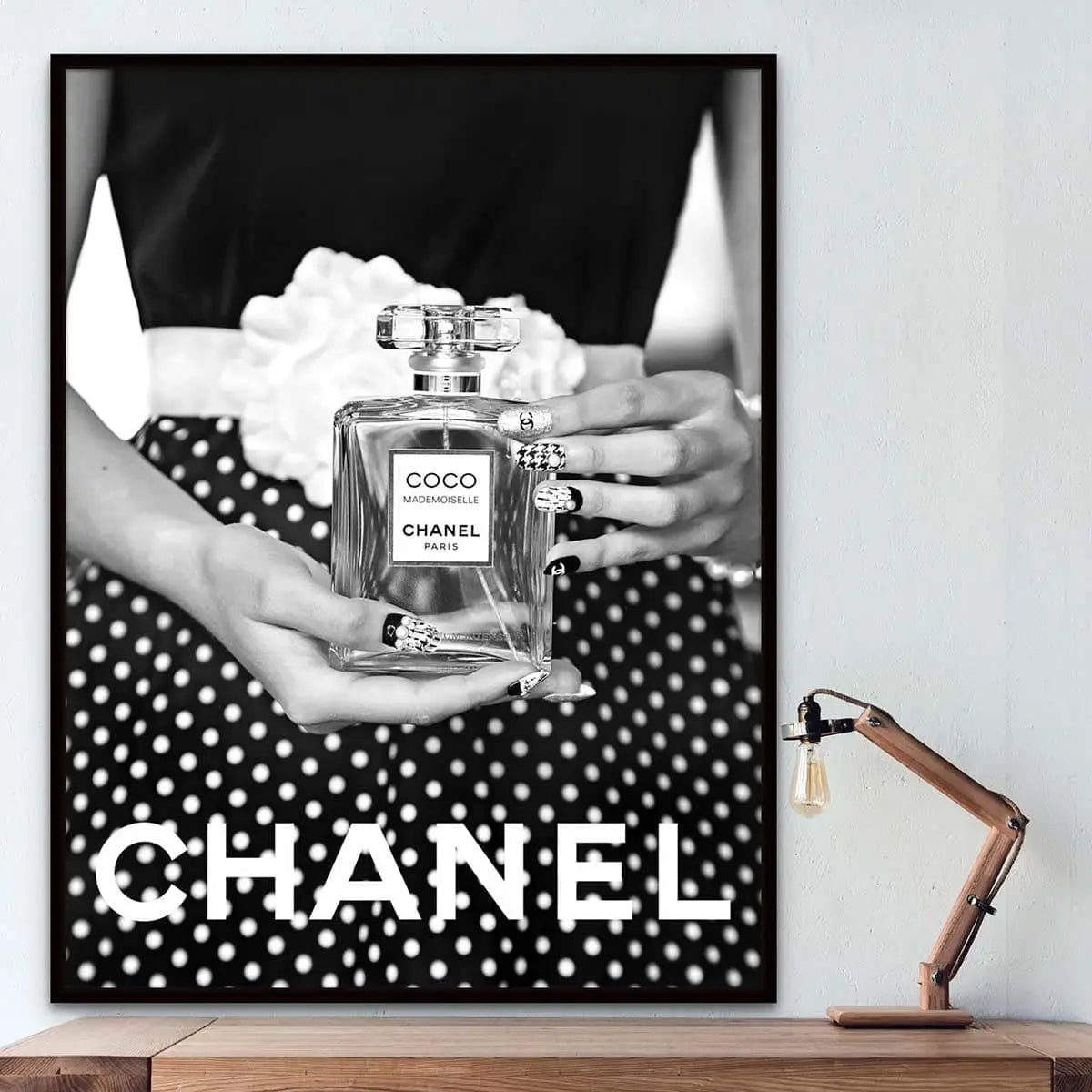
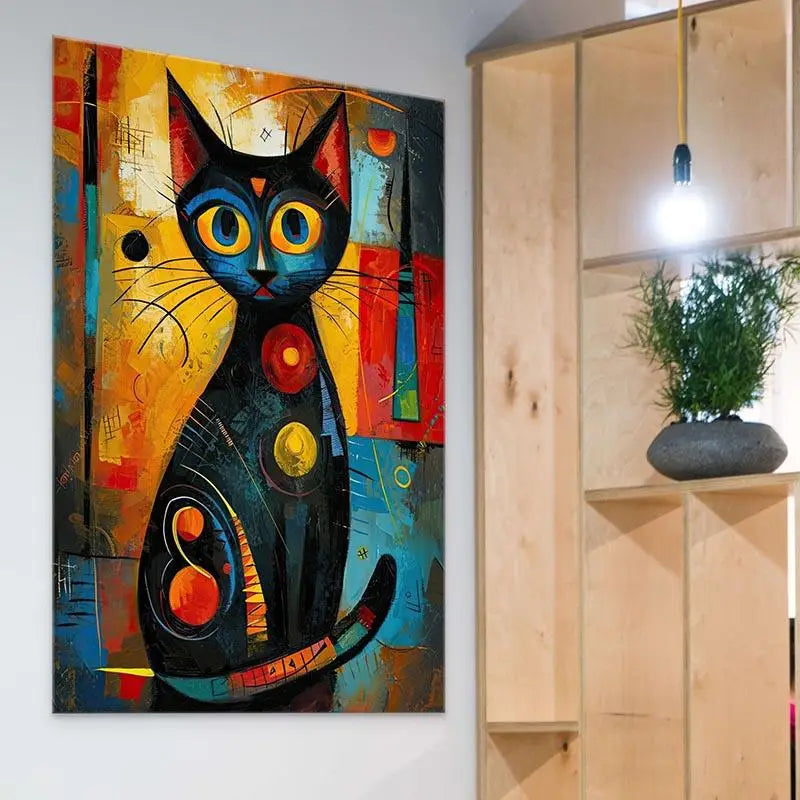
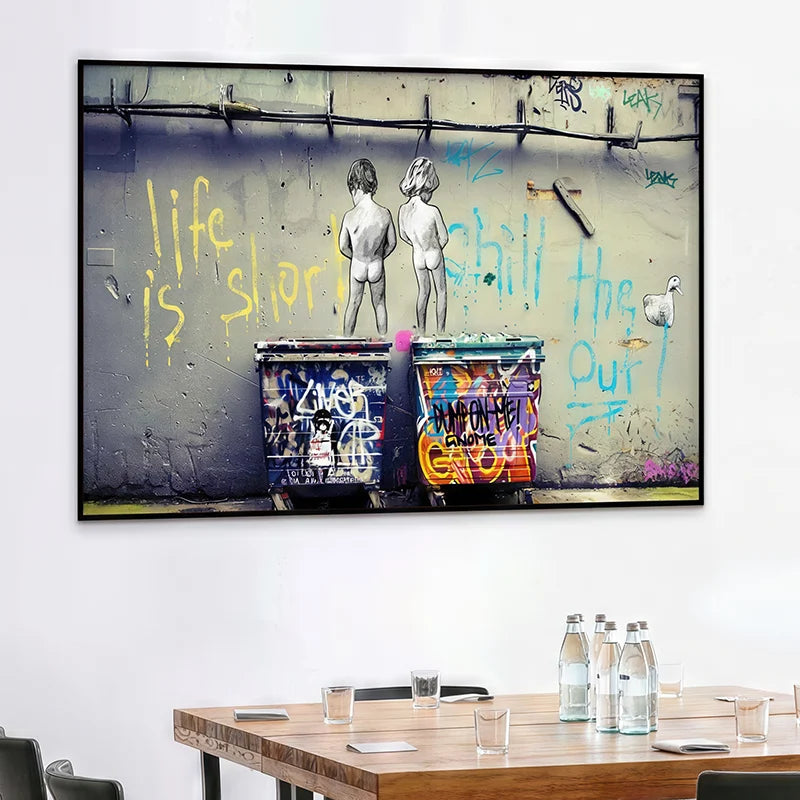
Modern wall art can bring a contemporary touch to a classic living room. An abstract piece can add depth to a minimalist space. Landscape wall art evokes a sense of travel, while a street art creation gives the room a bolder, more urban feel.
At Montableaudeco, you can choose from a wide range of styles: abstract art, modern art, street art, landscapes, animals, travel, pop culture, photography and personalized wall art. This variety makes it easy to find a piece that suits every interior style.
To explore different styles, browse our selection of modern wall art and abstract wall art.
How do you choose the right wall art size?

The size of the wall art should be proportional to the wall and the surrounding furniture. A piece that is too small may look lost, while an oversized format can throw the room off balance.
Above a sofa
Above a sofa, the width of the wall art or wall arrangement can be around two-thirds of the width of the furniture. This proportion creates a pleasing visual balance.
On a narrow wall
A vertical format is ideal for an entryway, hallway or narrow space. It enhances the height of the wall and draws the eye upward.
In a large room
In a spacious living room, a large wall art piece can become a true focal point. You can also combine several artworks in a similar style to create a harmonious gallery wall.
Before ordering, measure the available wall space and use masking tape to mark out the dimensions. This method allows you to preview the final look before installation.
Which finish should you choose for your wall art?
The medium influences both the look and the final style of your wall decor. It is therefore important to choose a finish that complements your interior and creates the desired effect.
Stretched canvas on a wooden frame
Stretched canvas offers a warm, contemporary finish. The artwork is mounted on a wooden stretcher frame and can be hung directly on the wall. The image generally extends around the edges for a seamless finish.
The black or white floating frame
A floating frame creates a subtle space between the artwork and its frame. The black version enhances the colors and suits modern or industrial interiors. A white frame provides a softer, brighter finish.
The acrylic glass print
An acrylic glass print offers a glossy surface and exceptionally vibrant finish. It is particularly effective at showcasing colorful images, photographs, and contemporary artwork.
The unframed poster
An unframed poster is an affordable, lightweight option. It can be placed in your own frame or displayed with a minimalist approach for a more relaxed style.
Which decorative accent should you choose for each room?

In the living room
The living room is the perfect place to display a large piece of modern wall art above the sofa. Choose artwork that reflects the room's main colors to create a cohesive look.
In the bedroom
Choose landscapes, soft abstract forms, or compositions in soothing colors. The wall art should help create a restful atmosphere without overwhelming the wall opposite the bed.
In the entryway
The entryway creates the first impression of your home. Vertical wall art, a graphic illustration, or a colorful artwork can instantly add character to this often-overlooked space.
In the home office
For a workspace, choose a piece that sparks your imagination without distracting you. Abstract wall art, world maps, and landscapes are particularly well suited.
In a child's bedroom
Animal illustrations, fantasy themes, and pop culture-inspired wall art can add personality to a child's bedroom while creating a playful setting.
Play with materials and textures
Successful decor is not just about color. Textures add depth and make a space feel more inviting. For example, pair a printed canvas with a fabric sofa, a thick rug, wooden furniture, or knitted cushions.
Contrasts are particularly striking: a glossy surface such as an acrylic glass print can be paired with natural materials, while a matte canvas blends effortlessly with soft, inviting decor.
Repeating certain materials can also create visual continuity. A black frame can echo a metal coffee table, a lamp, or furniture handles.
Lighting enhances your wall decor

A decorative detail can lose its impact if poorly lit. Natural light is ideal, but additional lighting can showcase wall art more effectively in the evening.
Adjustable ceiling lighting lets you direct light toward the artwork, while a wall light creates a softer atmosphere. However, avoid overly powerful lighting, which can cause distracting reflections on glossy surfaces.
Ideally, use several light sources: general lighting, accent lamps and decorative lighting. This allows you to adjust the atmosphere depending on the time of day.
Wall decor mistakes to avoid
- Choosing wall art that is too small for a large wall.
- Hanging the artwork too high above the furniture.
- Mixing too many styles without creating a cohesive look.
- Using too many bold colors in the same room.
- Displaying wall art in an area that is too dark.
- Placing too many objects around the focal point.
- Forgetting to check the dimensions before ordering.
For a balanced display, the center of the wall art should generally be at eye level. Above a sofa or piece of furniture, leave a reasonable amount of visual space so the artwork feels connected to the overall setting rather than hung too high.
Frequently asked questions about decorative details

Which decorative detail transforms a room the most?
Wall art is often one of the most effective decorative touches. It adds color, creates a focal point and instantly personalizes the space without changing the furniture.
What size wall art should you choose above a sofa?
The wall art should be approximately two-thirds the width of the sofa. For a gallery wall, make sure to leave even spacing between each piece.
Which finish should you choose for modern decor?
Stretched canvas, floating frames and acrylic glass prints are particularly well suited to modern interiors. Your choice depends on the desired level of shine and style.
How can you coordinate wall art with your decor?
Echo one or two colors already present in the room. You can also create a deliberate contrast with a more colorful artwork on a neutral wall.
How can you decorate a white wall without overwhelming it?
Choose a large enough statement piece, then keep the surrounding accessories to a minimum. Well-proportioned wall art may be all you need to enhance a white wall.
A decorative touch for a home that reflects your style
Successful interior design does not have to be complicated or expensive. A single well-chosen piece can transform a room's atmosphere, add structure to a wall and bring more personality to your home.
Modern wall art, abstract artwork, street art, landscape or custom illustration: the key is to choose a design you truly love that blends naturally into your everyday life.
Explore the Montableaudeco decorative wall art collections and find the perfect piece to transform your living room, bedroom, hallway or office.