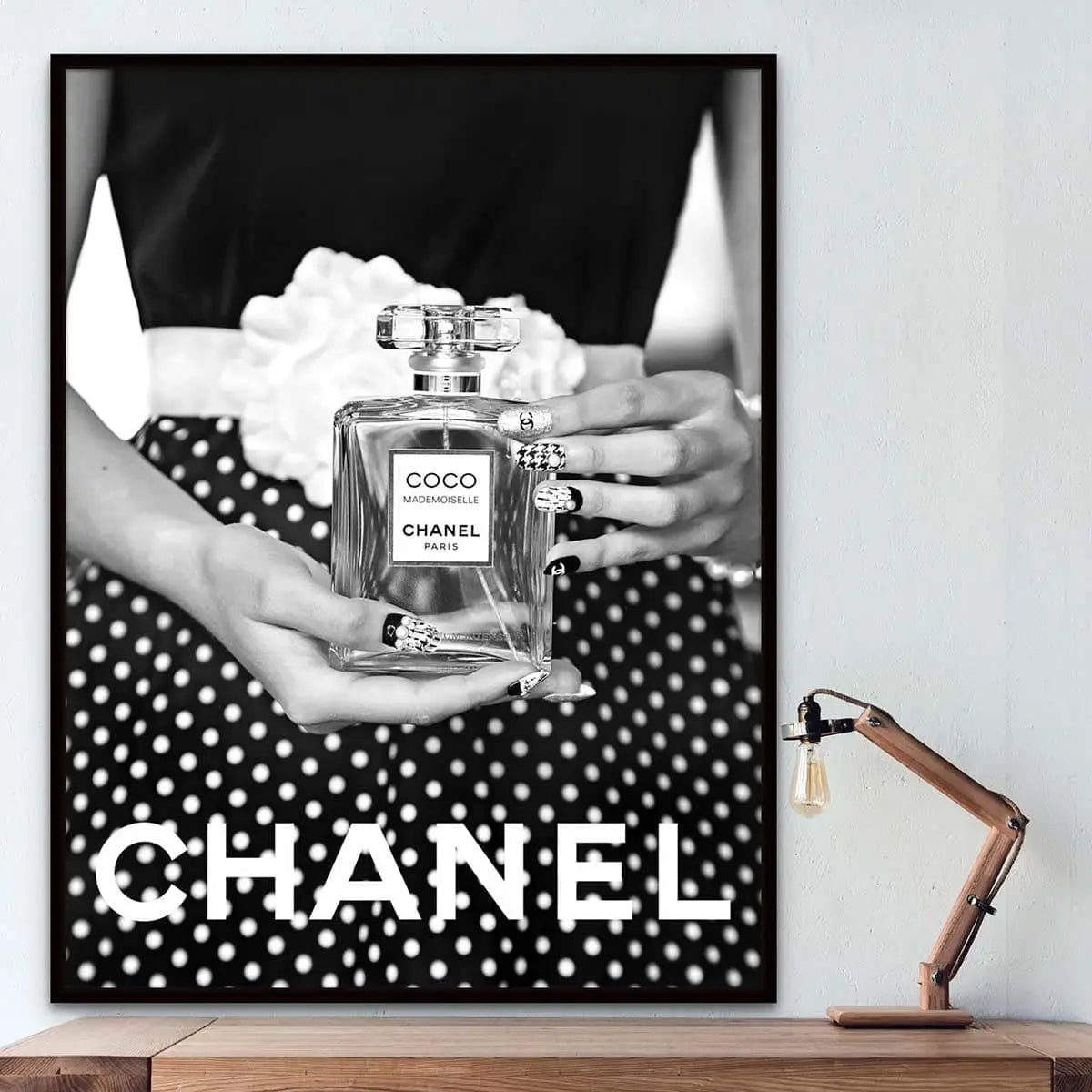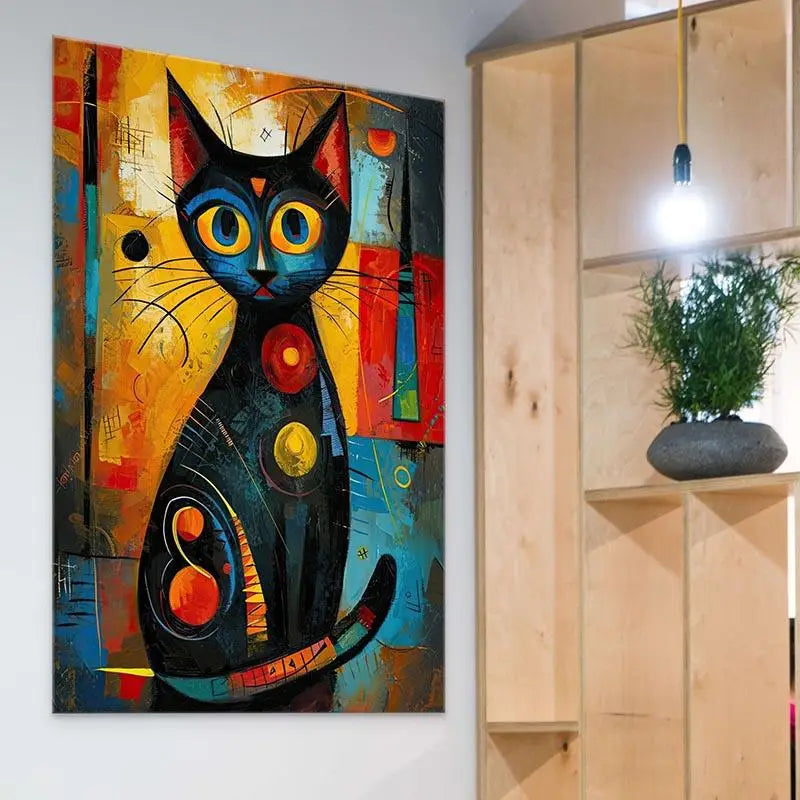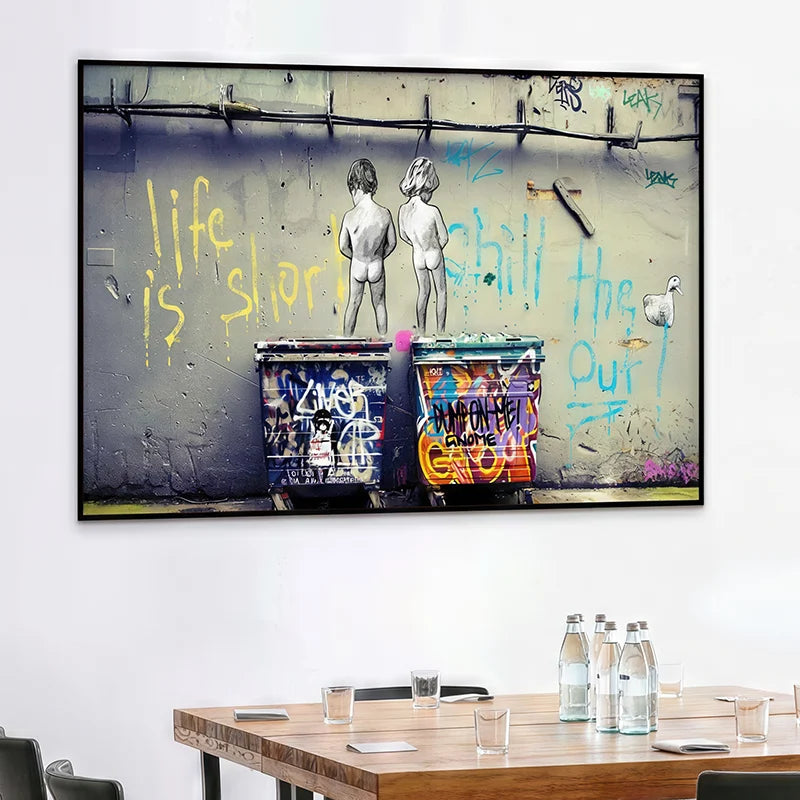

Stylish wall art: 4 tips for harmonious interior decor
Well-chosen wall art can transform the atmosphere of a room in just a few minutes. It draws the eye, enhances the style of the furniture, and gives the walls real personality. Abstract wall art, modern canvas art, a colorful composition, or a gallery wall: the key is to find the right balance between the artwork, the lighting, and the way you live in the space.

In this guide, discover how to choose the placement, style, and colors of decorative wall art. You will also learn how to showcase it with suitable lighting, a complementary medium, and a few carefully chosen accessories. These tips apply equally to the living room, bedroom, office, or entryway.
1. Choose the ideal placement for wall art
Placement determines the first impression. Wall art displayed above a sofa, console table, or sideboard naturally becomes the room's focal point. Before drilling, consider the lines of the furniture, the flow of movement, and the natural light. The center of the artwork should generally be at eye level, with enough space above the furniture.
Consider the lighting
Soft lighting brings out the subtle tones and textures of a canvas. However, avoid direct sunlight, which can create glare on an acrylic glass print or gradually alter the colors. In a dark room, an adjustable wall light or warm LED lighting can highlight the artwork without overpowering it. This presentation creates a warm atmosphere and evokes the feel of a private gallery.
Keep the wall's proportions in mind
Measure the available width before choosing a size. Above a sofa, wall art that is too small may get lost, while a piece that is too wide can overwhelm the overall look. For a narrow wall, a vertical format works well. For a large surface, opt for panoramic wall art, a large format, or a composition of several frames.
You can also explore our tips on how to choose and hang wall art to plan your installation with precision.

2. Choose a style that reflects your personality
Trends are a source of inspiration, but they should never replace your personal taste. Stylish wall art is first and foremost a piece you will enjoy looking at every day. Social media, interior design blogs, exhibitions, and galleries are ideal for discovering the combinations that appeal to you: minimalist abstraction, pop art, contemporary landscapes, portraits, or graphic compositions.
Explore trends without losing your identity
- Instagram: explore the styling and color palettes used by interior designers.
- Pinterest: create an inspiration board featuring your favorite sizes and colors.
- Exhibitions: discover new techniques, materials, and artists.
- Local artists: choose a creation that tells a personal story.
Create a dialogue between the artwork and furniture
Harmony does not mean everything has to match. Colorful abstract wall art can brighten up a beige sofa and minimalist interior. Conversely, artwork in natural tones pairs beautifully with light wood, linen, and plants. For feng shui-inspired decor, choose an image whose shapes and colors give you a sense of balance, then avoid cluttering walkways.
Modern wall art in unique styles offers countless possibilities for personalizing a living room, bedroom, or office while preserving the room's visual identity.
3. Coordinate colors with your decor
Color sets the tone. A stretched canvas in warm hues such as terracotta, ochre, or gold can make an interior feel more inviting. Deep blues and greens create a sense of calm, while black and white add structure to contemporary decor. Before choosing, take note of the colors already featured on the walls, curtains, rug, and cushions.
The color repetition rule
Select one or two colors from the wall art and repeat them subtly throughout the room. A cobalt blue cushion, a terracotta vase, or a gold lamp is often enough to create a cohesive thread. This technique allows you to incorporate an expressive artwork without making the space feel cluttered.
Embracing contrast in moderation
In a white or highly neutral living room, a large abstract canvas with vivid pigments can become a spectacular focal point. If the furniture is already colorful, opt for a more graphic artwork or a limited palette. The goal is to create a harmonious balance between the wall art and its surroundings, not to have every element compete for attention.
You can also read our article on color and pattern trends in contemporary interior design to refine your palette.

4. How to showcase abstract wall art
Abstract wall art offers great freedom of interpretation. Its shapes, textures, and contrasts evolve with the lighting and viewing distance. To showcase it, give it some space and avoid placing too many objects directly around it. A minimalist console table, a plant, or a low sculpture may be all you need to create a balanced arrangement.
Choosing the medium and finish
- Frameless poster: a lightweight, versatile option, ideal if you wish to frame it later.
- Stretched canvas on wooden frame: a warm finish that gives the image a strong presence.
- Black or white floating frame: a clean finish that highlights the composition.
- Plexiglass: a glossy, contemporary surface that should be installed away from direct reflections.
Perfecting the lighting and viewing distance
An adjustable light source can reveal details without creating overly bright areas. In a living room, hang the artwork at a comfortable height so it can be viewed from the sofa. In a bedroom, opt for softer lighting and a soothing composition. In an office, a slightly higher-contrast wall art piece can energize the space without distracting from work.
To find the perfect piece for your project, explore the Montableaudeco abstract wall art collection. Compare the available sizes and materials before making your choice.
5. Choose wall art to suit each room
| Room | Wall art idea | Decor tip |
|---|---|---|
| Living room | Large abstract wall art, colorful composition, or panoramic piece. | Create a focal point above the sofa and echo one of its colors in the textiles. |
| Bedroom | Soft tones, flowing shapes, or a soothing personal image. | Avoid overly strong contrasts opposite the bed and opt for indirect lighting. |
| Home office | Graphic abstract art, modern portrait, or stimulating colors. | Leave a visually calm area around the screen and work surface. |
| Entryway | Vertical format, triptych, or small gallery wall. | Choose a piece that makes an immediate impression while keeping the space easy to move through. |
Frequently asked questions about stylish wall art
How do you choose the right wall art size for your living room?
Measure the wall and the width of the sofa or furniture below it. The wall art should have enough presence without visually extending beyond the furniture. For a large wall, a panoramic format or a composition of several pieces works beautifully.
What wall art should you choose for a bedroom?
Opt for soft colors, gentle shapes, and an image that inspires calm. Abstract wall art in natural tones or a personal creation can create a relaxing atmosphere without overwhelming the wall.
Stretched canvas or framed wall art: which should you choose?
Stretched canvas creates a warm, lightweight look. A floating frame adds more structure and highlights the edges. The choice depends on your style, the room, and the level of finish you want.
How do you create a harmonious gallery wall?
Choose a unifying theme: the same color palette, frame type, or shared motif. Lay out the pieces on the floor, keep the spacing even, and leave enough visible wall space to let each piece breathe.
Bring style to your walls
Abstract wall art, modern canvas, or colorful composition: choose a piece that reflects your personality and create a harmonious interior. Explore the Montableaudeco abstract wall art collection to find your next statement piece.