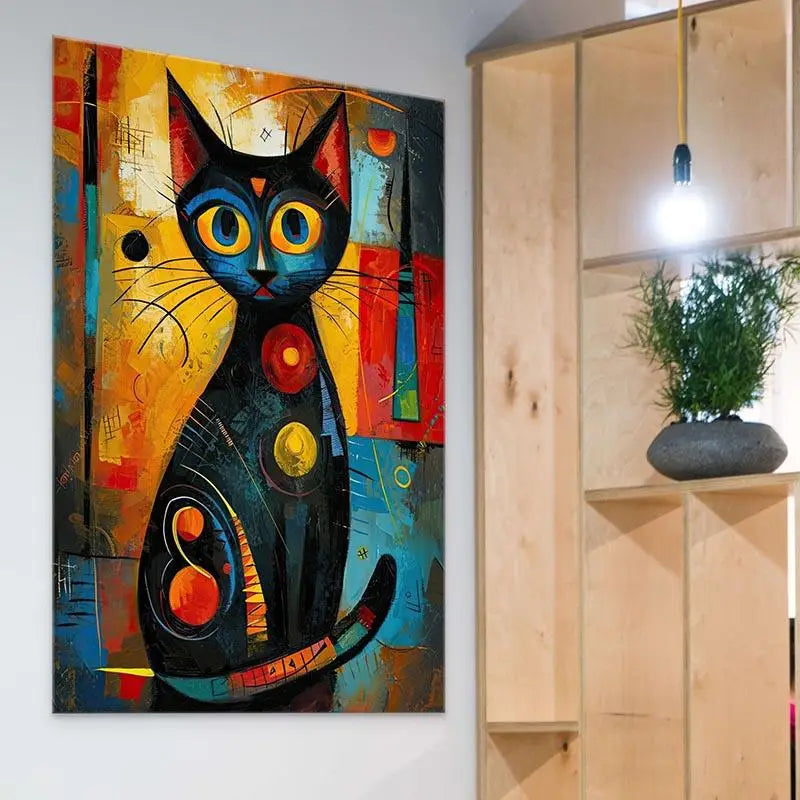

How to clean a canvas print: Care tips
A canvas print brings color, texture, and genuine personality to your wall decor. To preserve its appearance over time, a few simple steps are all it takes: minimize dust, avoid harsh products, and choose its location carefully. Here is the best way to care for a printed canvas without damaging its colors or surface.
These recommendations apply to decorative canvas prints. If you own an original painting, a highly textured canvas, or an antique artwork, seek professional advice before attempting any cleaning.
1. Why care for a canvas print?

A canvas print remains exposed to dust, moisture, temperature fluctuations, and accidental contact. In a living space, particles naturally settle on the surface and edges of the stretcher bars. Gentle care helps preserve the image's sharpness, the vibrancy of its colors, and the overall feel of your interior decor.
Placement is just as important as cleaning. In a living room, bedroom, or office, hang your wall art on a dry wall, away from heat sources and direct sunlight. To complete your decor, explore our selection of decorative wall art and choose a suitable location for your preferred size from the outset.
2. Everyday care tips

Remove dust without scratching the surface
Use a very soft feather duster or a clean, dry microfiber cloth. Gently wipe it along the surface without applying pressure, then remember to clean the edges of the frame or stretcher bars. To avoid spreading dust across the image, keep a cloth exclusively for cleaning your wall art.
Handle the wall art with care
- Wash and dry your hands before moving the artwork.
- Wear clean gloves when handling the surface or a glossy finish.
- Hold the wall art by its sides or stretcher frame, never by the canvas alone.
- Do not place anything on the image, and avoid leaning it against a rough surface.
Regular care is better than intensive cleaning. Light dusting every month or whenever needed limits buildup and prevents the need to scrub the surface.
3. How to remove a stain from a canvas print
A splash should be treated calmly. The more you rub, the greater the risk of spreading the liquid, pushing it into the fibers, or damaging the print. Start by gently removing the excess with a white paper towel or clean cloth, dabbing without wiping.
A gentle four-step method
- Remove any dust around the affected area with a dry cloth.
- Always test your method on a small, inconspicuous area or a scrap of material.
- If approved by the manufacturer, barely dampen a microfiber cloth with clean water.
- Gently dab the stain without applying pressure, then let it air-dry at room temperature.
4. Mistakes to avoid to preserve the colors
A canvas print can last for years if protected from the most common causes of damage. Here are the essential precautions to keep in mind:
| Recommended | Avoid |
|---|---|
| Clean, dry microfiber cloth. | Abrasive sponge, stiff brush, or dirty cloth. |
| Indirect light and a well-ventilated room. | Direct sunlight, radiator, fireplace, oven, or steam. |
| Air-drying at room temperature. | Hair dryer, hot air blower, or accelerated drying with a heater. |
| Handling by the sides or stretcher frame. | Touching the image with your fingers or pulling on the canvas. |
Why avoid sunlight and heat?
UV rays can gradually alter certain inks and make colors less vibrant. Significant heat can also dry out the materials, warp the print, or weaken the joints. Even when a print has UV protection, it is best to limit direct exposure and choose a stable wall.
Why should you avoid using a hair dryer?
Hot air can spread a stain that is still damp and create an unnecessary temperature contrast. Cold air is no more useful: it can displace particles or prolong moisture. Air-drying remains the safest option.
5. Protecting the canvas when moving it

When moving or rearranging your space, protect the print with bubble wrap or a clean blanket. Place a sheet of cardboard or unprinted paper between several pieces of wall art to prevent friction. Never place two prints directly against each other, especially if they are still damp or have a glossy finish.
- Remove any items that could scratch the surface or snag the canvas.
- Wrap each piece of wall art separately, paying particular attention to protecting the corners.
- Transport the wall art vertically whenever possible.
- Avoid placing heavy objects on the package during transport.
6. Choosing a durable canvas print
Longevity also depends on manufacturing quality. A properly stretched canvas, a stable stretcher frame, and a print made with suitable inks ensure a more consistent appearance over time. Depending on your décor, you can choose an unframed poster, a stretched canvas, a black or white floating frame, or a glossy acrylic glass print.
What to check before buying
- The material: canvas, poster, framed print, or acrylic glass print, depending on the desired look.
- The stretcher frame: stable wood and construction suited to the size.
- Print quality: crisp colors, clear details, and a consistent finish.
- Placement: a dry wall, away from heat and excessive humidity.
- Care: instructions provided by the manufacturer for the chosen material.
Modern digital prints are designed to make routine care easier, but they are not impervious to damage. A high-quality canvas stays beautiful longer when handled with care and displayed in suitable conditions. To discover designs for the living room, bedroom, or office, explore our abstract wall art collection.
Frequently asked questions about cleaning a canvas print
What product should you use to clean a canvas print?
No cleaning product is needed for routine care: a dry microfiber cloth is enough. For a surface stain, use only a barely damp cloth if permitted by the manufacturer's instructions. Never spray any product directly onto the canvas.
Can you hang a canvas print in the kitchen?
Yes, provided it is kept away from the oven, cooktop, sink, and splashes. Steam, grease, and heat can gradually damage the print and stretcher frame. Choose a dry wall that is easy to access for dusting.
Can you use a hair dryer to dry a stain?
No. The heat may spread the stain and place unnecessary stress on the canvas. Gently blot away the excess, then let it air-dry naturally at room temperature.
Can you clean a canvas with an onion or a home remedy?
No. Home remedies, onions, vinegar, alcohol, and solvents can leave residue, odors, or marks. A gentle method approved by the manufacturer is much safer.
What should I do if the colors on my canvas turn yellow?
Yellowing can be caused by smoke, heat, humidity, or aging materials. Do not try to whiten the surface yourself: seek advice from the manufacturer or a professional art restorer.
A well-maintained canvas stays beautiful longer
Choose a suitable finish, hang your wall art away from heat, and dust it gently. Discover Montableaudeco decorative wall art to enhance your walls with prints designed for your interior. View the decorative wall art collection