
Interior design inspiration
- Renovating or refreshing your interior does not necessarily mean changing everything. In 2026, interior design trends favor natural materials, warm colors, embracing shapes and meaningful objects. Wallpaper, furniture, lighting and decorative wall art make it possible to create a contemporary interior without sacrificing your personality.
In this guide, discover the key interior design trends for 2026, then bring them into each room with simple tips for the living room, bedroom, entryway and home office.
Panoramic and textured wallpaper remains a timeless choice
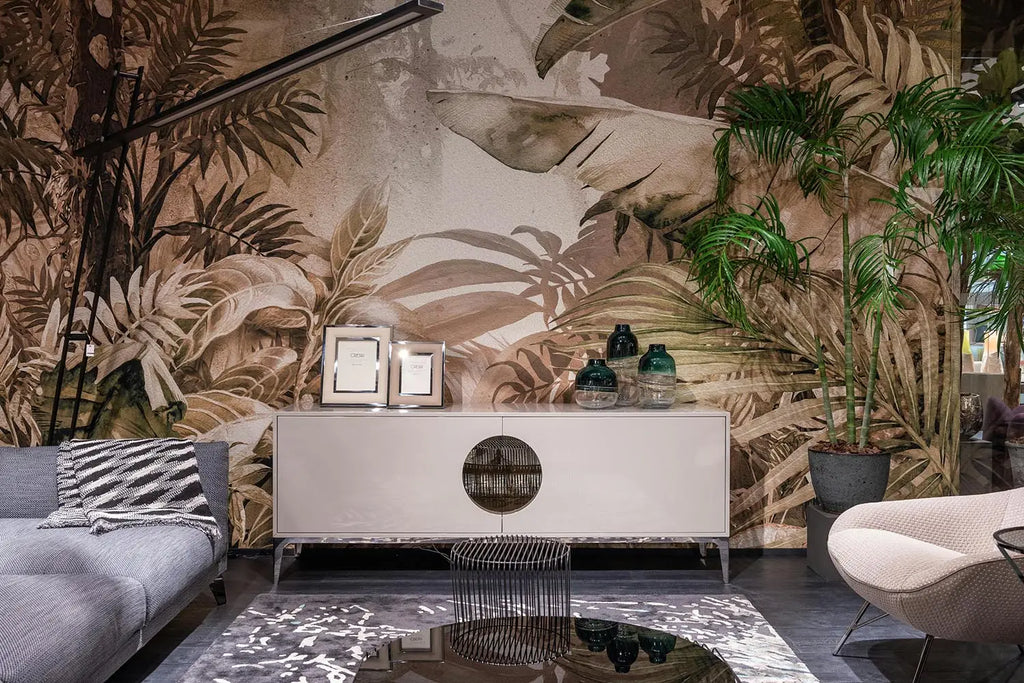
Wallpaper is one of the most effective ways to transform a room quickly. In 2026, nature-inspired patterns take center stage: panoramic landscapes, foliage, stylized flowers, mineral textures and bucolic scenes. Textured designs with linen, limewash, wood or stone effects also add depth to a wall without the need for too many accessories.
For balanced decor, use wallpaper on a single wall: behind the sofa, headboard or an entryway console. Panoramic patterns visually expand a space, while watercolor wallpaper creates a softer atmosphere. Before installation, order a sample to see how the shade looks in morning and evening light.
Nature, materials and slow decor
Natural decor is not simply about using the color green. It relies on a combination of materials and textures: wood, stone, ceramic, rattan, linen, bouclé wool and woven fibers. Their imperfect appearance makes the space feel warmer and helps create a soothing atmosphere.
Slow decor encourages you to buy less, but better. Reusing an old piece of furniture, turning a teapot into a plant pot or transforming a box into a light fixture can add character to your interior. Combine a vintage piece, a handcrafted element and a contemporary accessory to avoid the “showroom” look and tell a personal story.
How can you create natural decor without making it monotonous?
- Combine at least three textures: matte wood, fabric and ceramic, for example.
- Keep an accent color to enliven neutral tones.
- Vary the heights with a plant, a lamp and wall art.
- Choose durable, repairable items or pieces that are easy to reuse.
2026 decor colors: warm, confident shades
Contemporary interiors are gradually moving away from all-white decor. Shades of sand, terracotta, ocher, chocolate brown, sage green, deep green, and mineral blue create a warm, inviting foundation. For a more expressive touch, add soft yellow, coral, or deep red to an armchair, cushion, light fixture, or piece of wall art.
The 60-30-10 rule can help you balance colors: around 60 % for the dominant shade, 30 % for a secondary color, and 10 % for the accent. This approach is not mandatory, but it helps prevent visual overload. Also remember to test paint colors on several areas of the wall, as natural light can significantly alter how they appear.
Furniture that adds character to the room
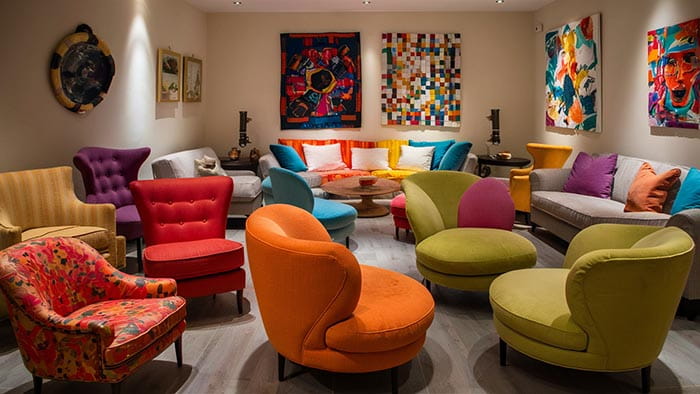
In 2026, furniture is all about comfort, versatility, and self-expression. Rounded shapes, enveloping seating, and tables with organic lines soften highly geometric spaces. You can also mix a vintage chair, contemporary sofa, and metal shelving unit, provided you create a connection through a shared color or material.
In the living room, start by choosing a sofa that is proportionate to the space. Then add a low cabinet, bookcase, or console table to give structure to the walls. Closed storage keeps clutter to a minimum, while a few open shelves provide space to display books, plants, and decorative objects.
Layered lighting for a well-designed interior
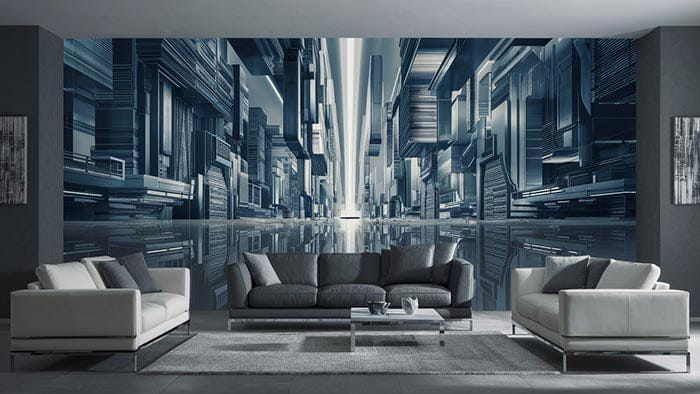
Successful interior decor also depends on lighting. Instead of relying on a single central pendant light, layer three sources: general lighting, a functional lamp, and accent lighting. A reading lamp near the sofa, a lamp on a sideboard, and a light directed toward a piece of wall art create a more comfortable atmosphere in the evening.
In the living room and bedroom, warm light at around 2 700 to 3 000 K generally creates a pleasant atmosphere. Dimmable bulbs allow you to adjust the ambiance depending on the time of day. Finally, avoid placing artwork directly opposite a very bright window to minimize reflections.
Decorative wall art as a focal point
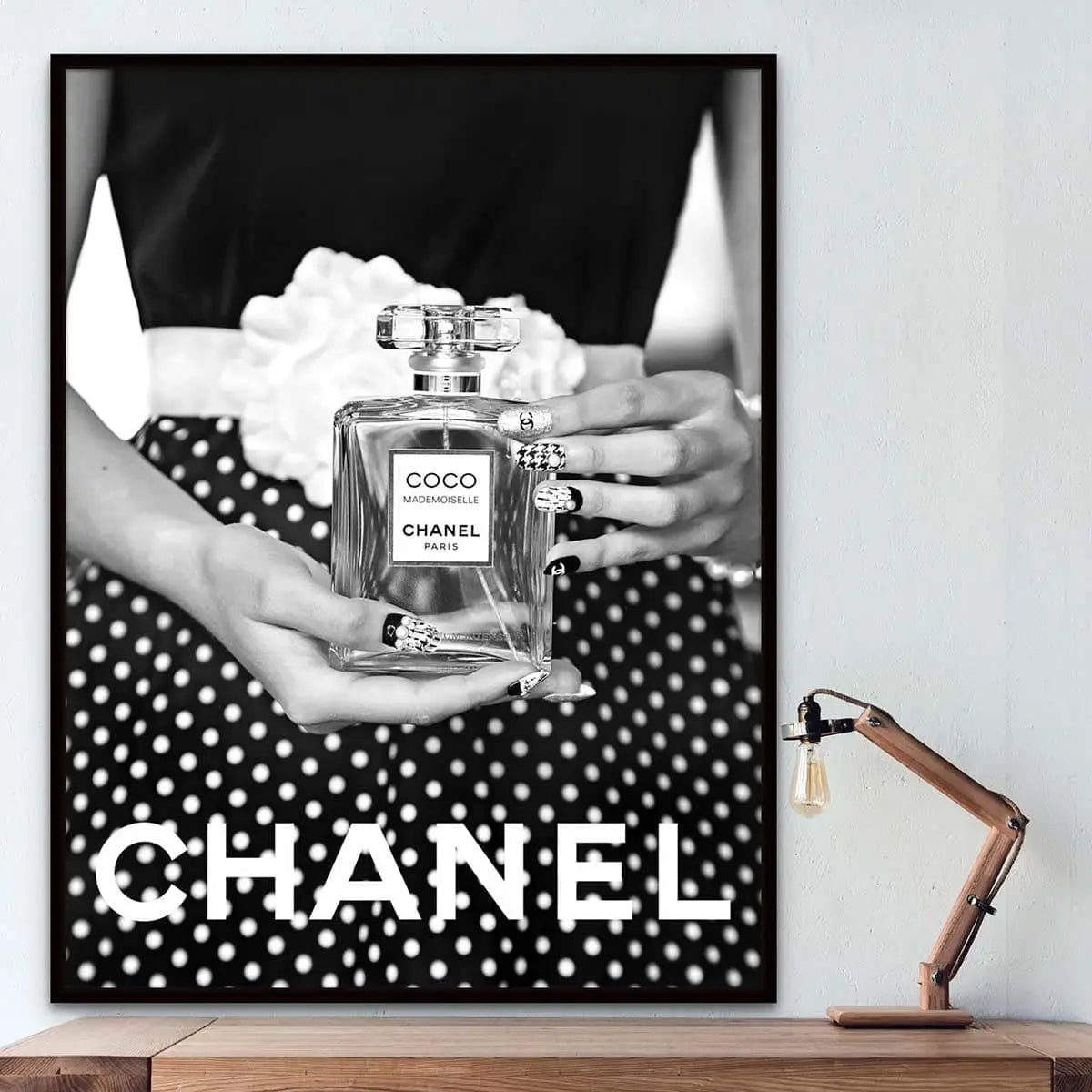
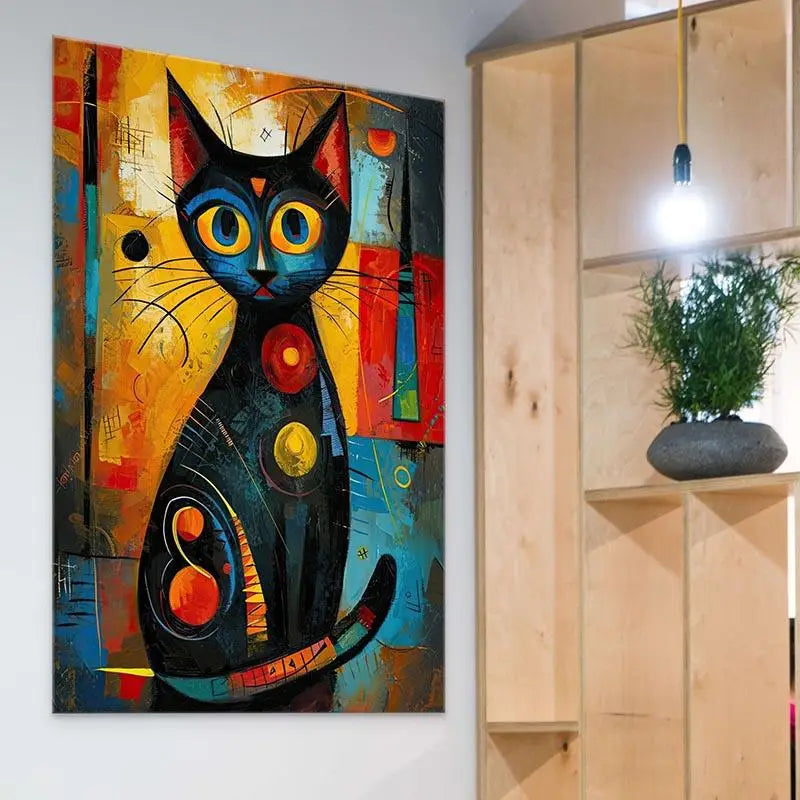
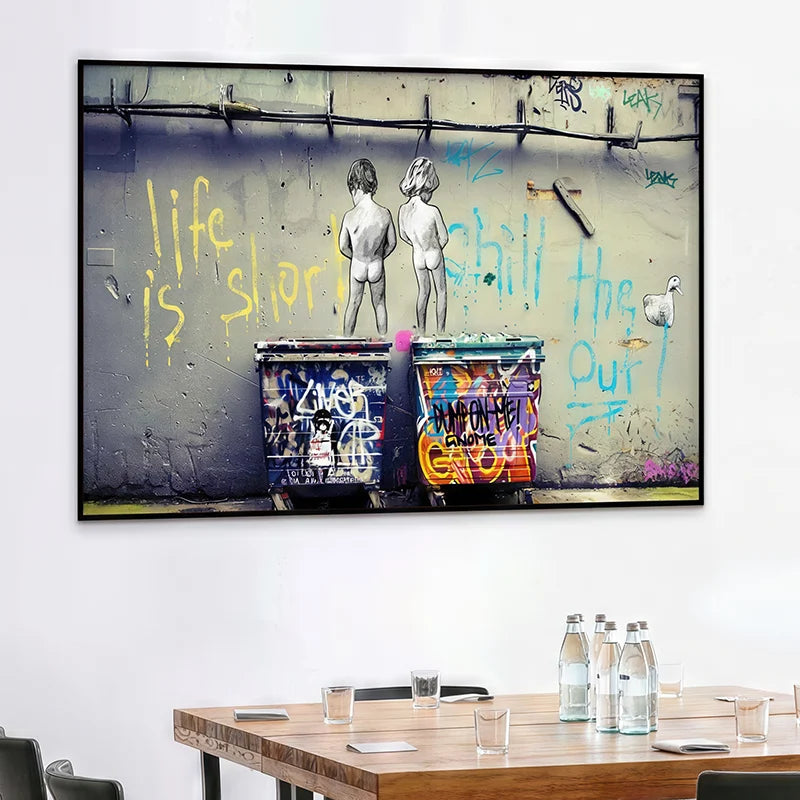
A piece of wall art can become the starting point for your entire decor. It sets the color direction, draws the eye, and instantly adds personality to a room. In 2026, interiors embrace abstract art, landscapes, portraits, street art, and compositions inspired by pop culture.
Which wall art should you choose for each room?
- In the living room: a large abstract canvas, modern wall art, or a triptych above the sofa.
- In the bedroom: soft shapes, a misty landscape, or natural colors that encourage relaxation.
- In the entryway: a graphic piece that creates an immediate impact upon arrival.
- In the home office: a personalized creation, a visual quote, or a composition that sparks creativity.
For a harmonious look, repeat one or two colors from the wall art in your cushions, rug, or accessories. Above a sofa, a piece measuring around two-thirds to three-quarters of the furniture's width often creates a balanced proportion. If you prefer several smaller pieces, align them or group them around a shared visual axis.
For more inspiration, discover our street art wall art and our personalized wall art.
Trending styles to personalize
A trend is a starting point, not a rule to apply uniformly. Choose an atmosphere that suits your lifestyle, then adapt it to the light and proportions of your home.
Scandinavian or Japandi style
Pair light wood, beige, off-white, simple lines, and soft textiles. A few touches of pale blue or sage green add depth. Baskets, throws, and natural-fiber lighting enhance the warm feel without cluttering the room.
Contemporary urban style
Opt for black, metal, concrete, dark wood, and one statement piece. Street art or graphic wall art can become the centerpiece of a modern living room, especially if the rest of the color palette remains balanced.
Bohemian and Oriental style
Combine terracotta, ochre, burnt orange, patterned rugs, wood, and brass. Low-profile furniture and soft lighting create a welcoming atmosphere. To maintain a clear visual balance, limit patterns to two or three visual families.
Mastering the maximalist style
Maximalism works when colors and patterns are tied together by a common theme. Choose one statement wall, then leave calmer areas around furniture and openings.
Refresh your décor without redoing everything
You can modernize your interior with a few targeted changes. Here is a simple method to avoid impulse purchases and keep your décor cohesive:
- Define the goal: visually enlarge, warm up, add color to, or structure the room.
- Choose a color palette: a neutral base, a secondary color, and an accent color.
- Identify the focal point: the main wall, sofa, fireplace, or decorative wall art.
- Check the proportions: measure the wall and furniture before ordering.
- Focus on lighting: plan for multiple light sources and avoid shadowy areas.
- Add texture: use textiles, wood, ceramics, and plants to create depth.
- Give the arrangement room to breathe: leaving part of the wall empty will better showcase a beautiful piece.
FAQ: 2026 interior design trends
Is wallpaper still on trend in 2026?
Yes. Panoramic, botanical, textured designs and patterns inspired by natural materials are particularly well suited to creating an accent wall. The key is to choose a pattern that is proportionate to the room and pair it with more understated surfaces.
What colors should you choose for a modern living room?
Sand, beige, terracotta, sage green, deep blue, and brown tones create a warm, contemporary foundation. A brighter color can be added in small touches through an armchair, cushion, or wall art.
How can you incorporate natural materials into modern decor?
Pair a raw material, such as wood or stone, with clean lines and soft textiles. A single statement piece, such as a wooden sideboard or a woven light fixture, can be enough to bring warmth to the space.
What wall art should you choose to embrace current trends without growing tired of it?
Choose artwork that you genuinely love and whose colors complement your interior. Abstract wall art, a landscape, or a custom creation can remain stylish far longer than an accessory chosen simply to follow a trend.
How can you update your decor on a small budget?
Start with textiles, lighting, and a focal wall. Rearrange the furniture, reuse selected pieces, and replace just one bold visual feature, such as wall art or panoramic wallpaper.