
Pop art wall art: colorful art that brightens your interior
Pop art is far more than just an art movement. It is an explosion of color and creativity that transforms spaces. Born in the 1950s, it draws inspiration from popular culture and mass media.
Pop art wall art is known for its bright colors and bold patterns. It captures the eye and sparks the imagination. These works are perfect for anyone looking to bring a touch of modernity to their interior.
Pop art artists, such as Andy Warhol and Roy Lichtenstein, have left their mark on art history. Their creations continue to influence today’s trends. Pop art is accessible, often humorous, and appeals to a wide audience.
Incorporating pop art wall art into your interior décor can transform your space. It adds a dynamic, energizing dimension. Whether you are an art lover or simply curious, pop art has something to offer.
Pop art works are available across a range of prices. This makes them accessible to everyone, from collectors to newcomers. They can be ordered online or purchased in galleries.

By choosing pop art, you embrace boldness and originality. It is a choice that is sure to impress your guests. Dare to use color and brighten your interior with pop art wall art.
What is pop art? Origins and philosophy
Pop art emerged in the 1950s, first in the United Kingdom and then in the United States. This art movement was a direct response to the rapidly expanding consumer society. It stands out for its creative use of everyday objects and imagery drawn from popular culture.
The philosophy of pop art is to elevate the ordinary to the level of art. Pop art artists challenge the distinctions between traditional art and popular culture. In this way, pop art offers a fresh and bold perspective on what is perceived as "art".
Among the techniques used are serial reproduction and bold, vivid colors. Artists often use industrial methods to blur the line between a unique artwork and a mass-produced product. This approach is intentional, offering commentary on mass media culture.
Here are some key characteristics of pop art:
-
Inspiration: Popular culture, mass media
-
Techniques: Serial reproduction, screen prints
-
Materials: Acrylic paints, collages
-
Philosophy: Elevating the everyday, critiquing consumerism

In short, pop art is a celebration of modernity and consumption. It is a movement that reached a wide audience thanks to its accessibility. Even today, it continues to fascinate with its boldness and freshness.
Iconic pop art artists
Pop art saw the emergence of artists who left their mark on the history of modern art. Among the most iconic, Andy Warhol and Roy Lichtenstein are often considered the leading figures of this movement. Their work not only defined pop art but also influenced generations of artists.
Andy Warhol is undoubtedly the most iconic name in pop art. Known for his screen prints of celebrities and his works on mass consumption, he captured the essence of 1960s American culture. Warhol’s art, with its multiple series, explores the theme of repetition and iconicity.
Roy Lichtenstein, meanwhile, revolutionized art with his comic book-inspired paintings. His works are recognizable by their Ben-Day dot patterns and vivid primary colors. Lichtenstein knew how to make the ordinary extraordinary, redefining what could be considered worthy of art.
Here are a few other essential pop art artists:
-
Richard Hamilton: British pioneer of pop art
-
Claes Oldenburg: American sculptor, famous for his large sculptures of everyday objects
-
David Hockney: Known for his paintings of swimming pools in California

by Sevde Kumantaş (https://unsplash.com/@sevdekmnts)
Each of these artists brought a unique vision to the movement. Their work continues to inspire and challenge contemporary artistic norms. By exploring popular culture, they gave art a new dimension that still resonates today.
The visual characteristics of pop art wall art
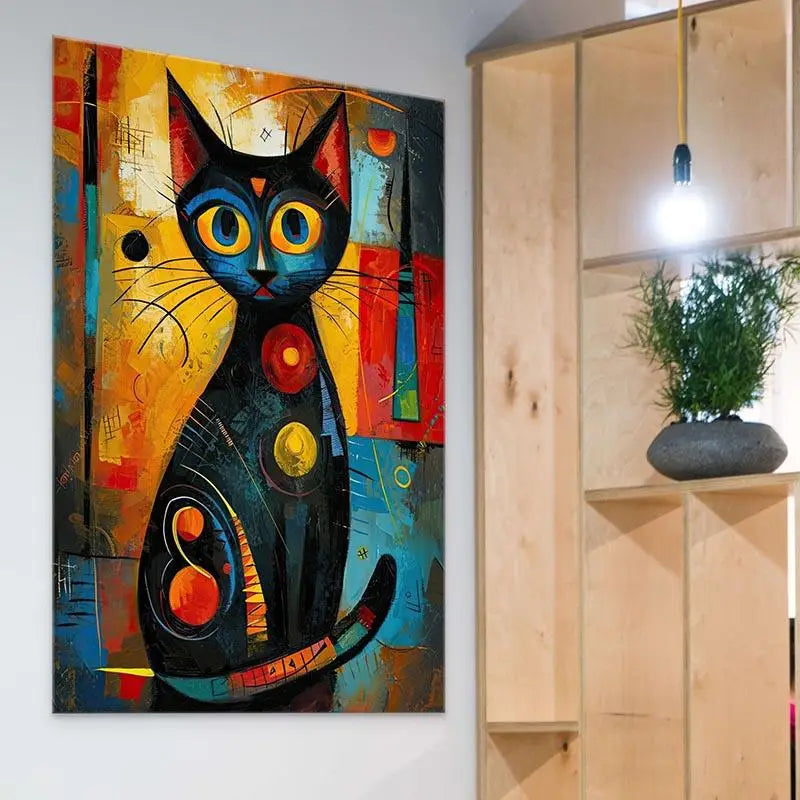
Pop art wall art is instantly recognizable thanks to its distinctive visual features. It captivates with bright, vibrant colors that immediately draw the eye. This bold use of the color palette brings dynamic, captivating works to life.
Another defining aspect of pop art is the use of bold patterns. Clean lines and geometric shapes are commonly used to create striking compositions. This graphic approach makes them easy to integrate into a variety of interior styles.
Pop art paintings also stand out for their production techniques. Artists often use screen printing and collage, adding varied textures to their works. These methods allow for serial reproduction while maintaining a high artistic quality.
Here are some typical visual elements of pop art wall art:
-
Primary and vibrant colors
-
Bold, contrasting lines
-
Repetitive textures and iconic patterns
-
Unique combinations of mixed media techniques

by Mario Gogh (https://unsplash.com/@mariogogh)
These visual characteristics are not only aesthetic but also serve to question our perception of art. They offer a new way of seeing the world, borrowed from popular culture, and continue to inspire today’s artistic trends.
Recurring themes and patterns in pop art paintings
Pop art paintings often draw their inspiration from mass culture. Pop art artists take on celebrities, consumer products, and comic books. These familiar subjects, drawn from mass media, are transformed into iconic and captivating works of art.
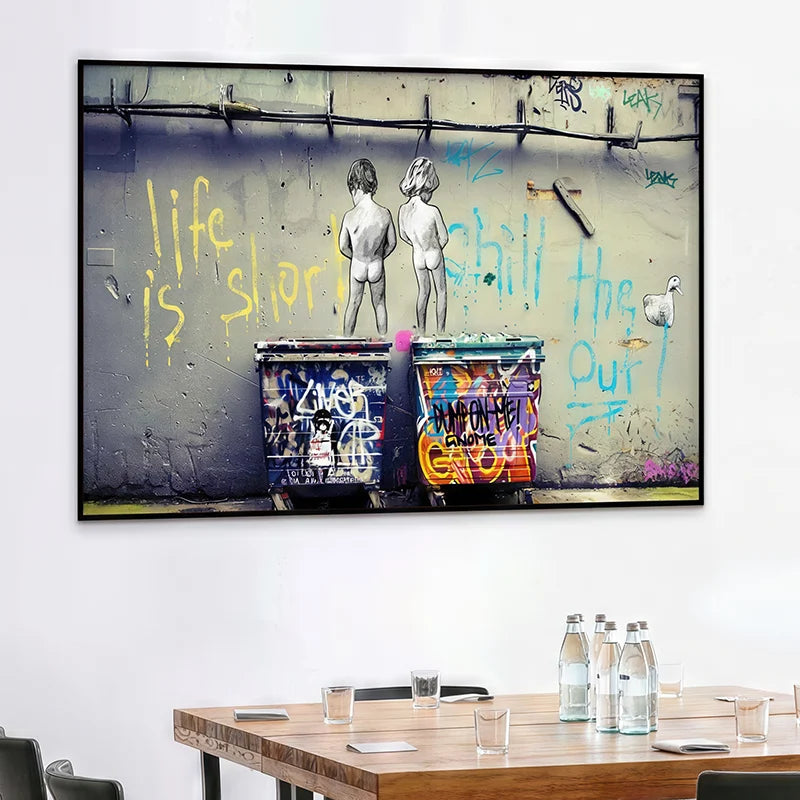
Another recurring theme is the critique of consumer society. Artists use everyday objects and famous brands to create visual commentary. This choice of subject highlights the materiality of the modern world while questioning our consumption habits.
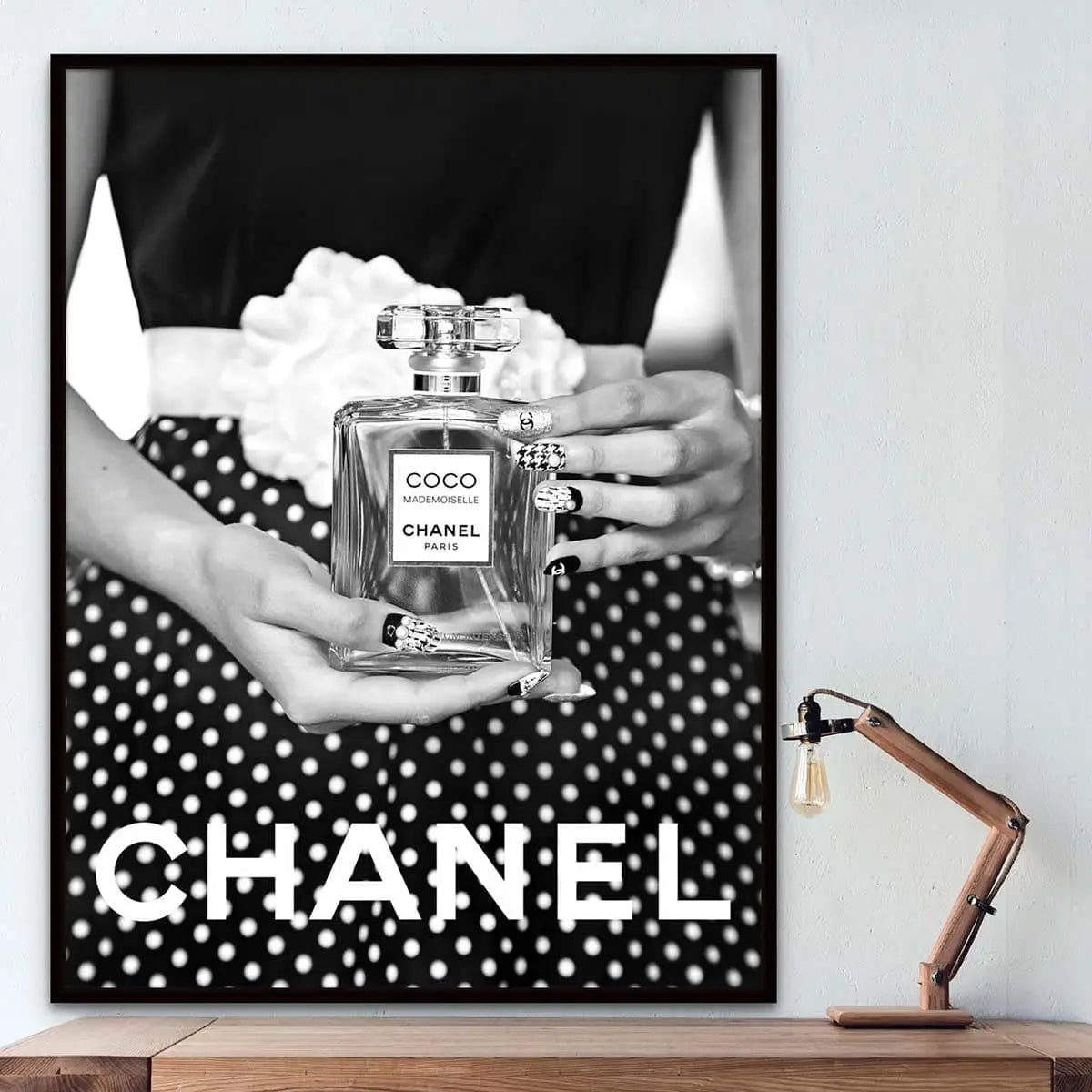
References to popular culture and icons are everywhere in pop art. Artists manipulate recognizable images, such as Marilyn Monroe or comic book characters. This play on iconography gives the works immediate accessibility and strong emotional impact.
Recurring patterns include:
-
Everyday objects and consumer goods
-
Popular culture icons
-
Comic book characters and illustrations
-
Famous brands and logos

by Quino Al (https://unsplash.com/@quinoal)
These themes help strengthen the universal appeal of pop art. They evoke shared references while inviting reflection on contemporary cultural values. As a result, they give pop art a lasting resonance in our modern society.
Why add pop art wall art to your interior décor?
Pop art wall art instantly energizes a space. Its vibrant colors and bold patterns add flair to any décor. By introducing pop art wall art, you bring a dose of energy and enthusiasm into your interior.
These works are ideal for anyone looking for a modern, refreshing atmosphere. They are perfect for creating a striking focal point in a minimalist room. Set against neutral colors, pop art wall art quickly becomes the star of your décor.
Pop art is also an accessible and playful art form. It speaks to a wide audience with its universal and often humorous themes. Adding pop art wall art can also spark conversation, giving your guests an original topic to discuss.
Here are a few benefits of choosing pop art for your interior:
-
Adds color and energy
-
Creates an eye-catching focal point
-
Sparks creativity and lifts the mood
-
Accessible and engaging for everyone

by Dimitar Belchev (https://unsplash.com/@belchev)
Choosing pop art wall art not only transforms the look of your home, but also enriches its atmosphere. By embracing this bold aesthetic, you add a touch of originality and unmatched modernity.
How to choose the ideal pop art wall art for your space
Choosing the right pop art wall art can transform a room. First, consider the size of the piece. A large wall art piece can fill an empty wall and become a true focal point.
Next, think about the colors in your space. If your room already has bright colors, choose a complementary wall art piece. Conversely, if it is neutral, a colorful piece will create a beautiful contrast.
Also think about the theme of the wall art. Do you want a piece that evokes popular culture or offers social commentary? Your personal preferences should guide your choice to ensure a personal connection with the art.
Finally, consider your budget and the medium. Fortunately, there is a range of options for everyone, both in terms of technique and cost.
Here are a few tips to help you choose:
-
Assess the size of your wall
-
Harmonize the colors with the space
-
Identify a theme that speaks to you
-
Consider your budget and the type of medium

by Kobby Mendez (https://unsplash.com/@kobbymendez)
Choosing the right pop art wall art enriches your interior and reflects your personality. Whether it’s a Warhol or a piece by an emerging artist, the right choice draws the eye and stirs emotion.
Integration ideas: styles and rooms to enhance with pop art
Pop art wall art is perfect for energizing a variety of decor styles. In a minimalist interior, it can add a touch of color and vitality. Be sure not to overcrowd the space in order to preserve the simple elegance of minimalism.
For an industrial style, choose pieces that contrast with raw textures. This creates a striking balance between bright art and austere materials. A brightly colored pop art wall art piece can bring a room to life with concrete walls and metal furniture.
Eclectic-style interiors also benefit from pop art. The pieces can serve as a unifying element in a colorful, varied setting. Choose several wall art pieces and arrange them as a gallery wall to enhance the room’s unique character.
Here are a few ideas for bringing pop art into different rooms:
-
Living room: A large wall art piece above the sofa
-
Bedroom: Small wall art pieces in a series above the headboard
-
Kitchen: Pop art pieces on floating shelves
-
Office: A dynamic wall art piece above the desk
By incorporating pop art wall art into your décor, you add a touch of originality. Whatever your interior style, pop art offers an innovative way to express your personality.
Where to buy pop art wall art? Tips for choosing well
You can buy pop art wall art from various art galleries. This allows you to see the pieces in person and appreciate their details. In addition, advice from a gallery owner can be valuable in making an informed choice.
Online platforms are also an excellent option for finding a wide variety of pieces. They offer a broad range of options at competitive prices. When buying online, always check the seller’s authenticity and reputation.
Here are a few tips for choosing the right pop art wall art:
-
Check authenticity and provenance
-
Consider the style and color palette
-
Make sure the size suits your space
-
Read reviews from other buyers
-
Visit different platforms to compare
Caring for and showcasing your pop art pieces
To preserve your pop art wall art, it is essential to protect it from direct sunlight. Maintaining a stable room temperature is also crucial to prevent damage.
Be sure to dust your pieces regularly to preserve their brilliance. Using gentle cleaning products can also be beneficial. Here are a few additional care tips:
-
Avoid excessive humidity
-
Frame your pieces with anti-reflective glass
-
Consult a restorer in case of damage
-
Ensure soft, indirect lighting
-
Rotate your pieces to vary their display
Pop art today: contemporary influence and evolution
Pop art, as dynamic as ever, inspires many contemporary artists. It influences not only painting, but also fashion, music, and even cinema.
Today, pop art continues to reinvent itself, adapting to new technologies and digital media. Here’s how it is evolving:
-
Integration of digital technologies
-
Influence on modern graphic design
-
Use of mixed and innovative media
-
Updated social and political commentary
Conclusion: Dare to use color and boldness with pop art wall art
Incorporating pop art wall art into your interior brings a touch of color and energy. It is an invitation to creativity and personal expression.
Don’t hesitate to embrace this bold art to transform your spaces. Pop art pieces brighten up your interior and spark conversation.