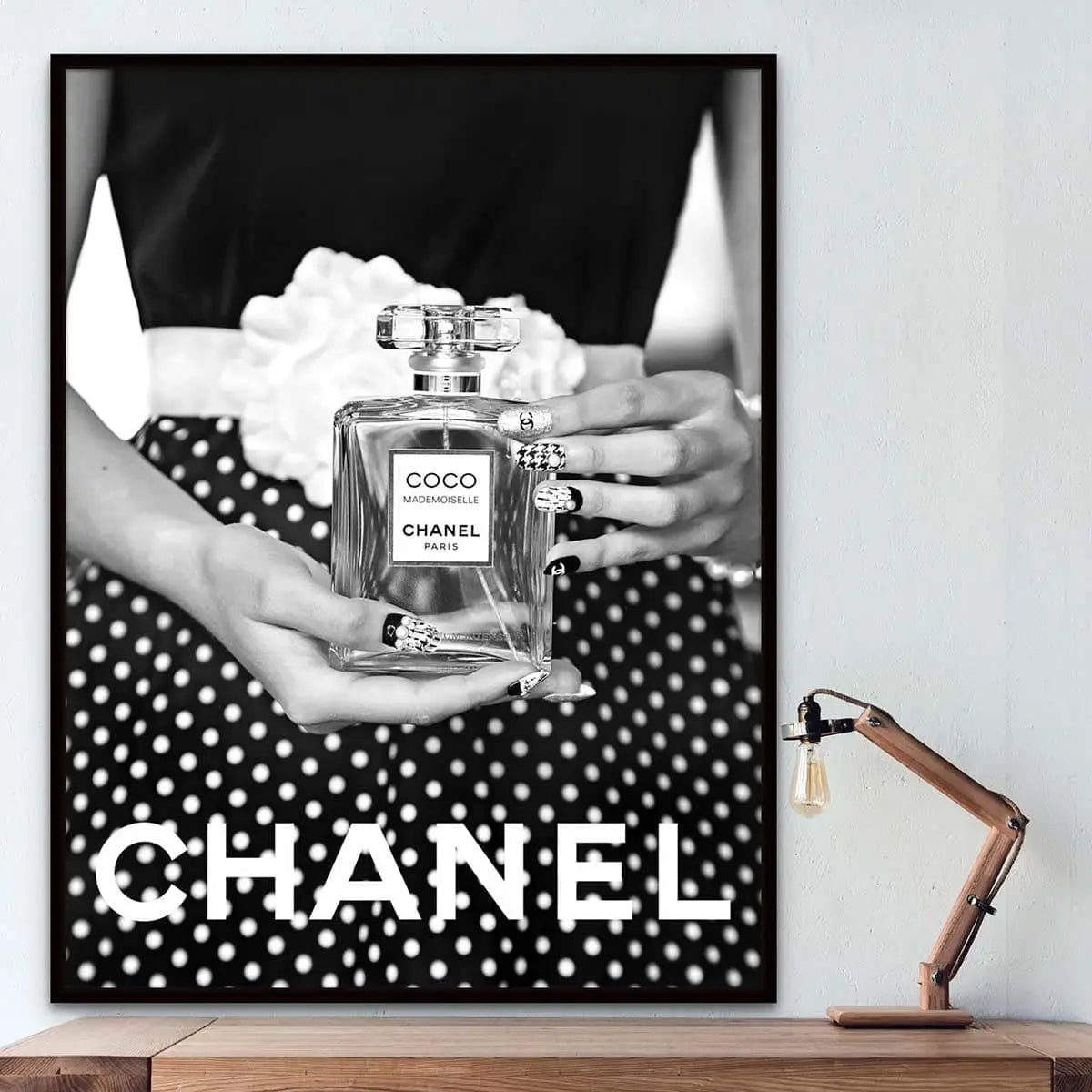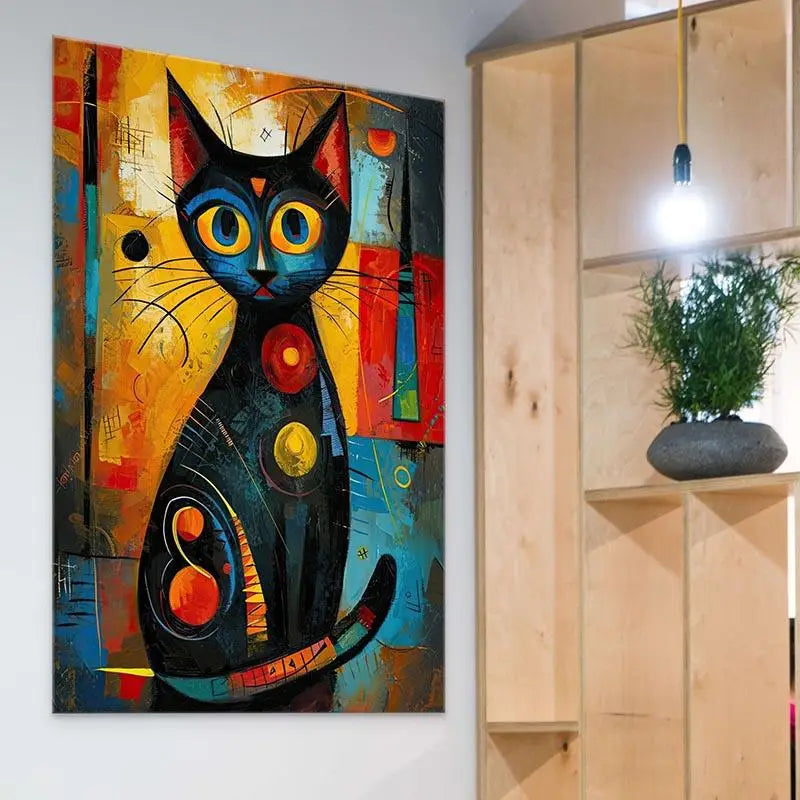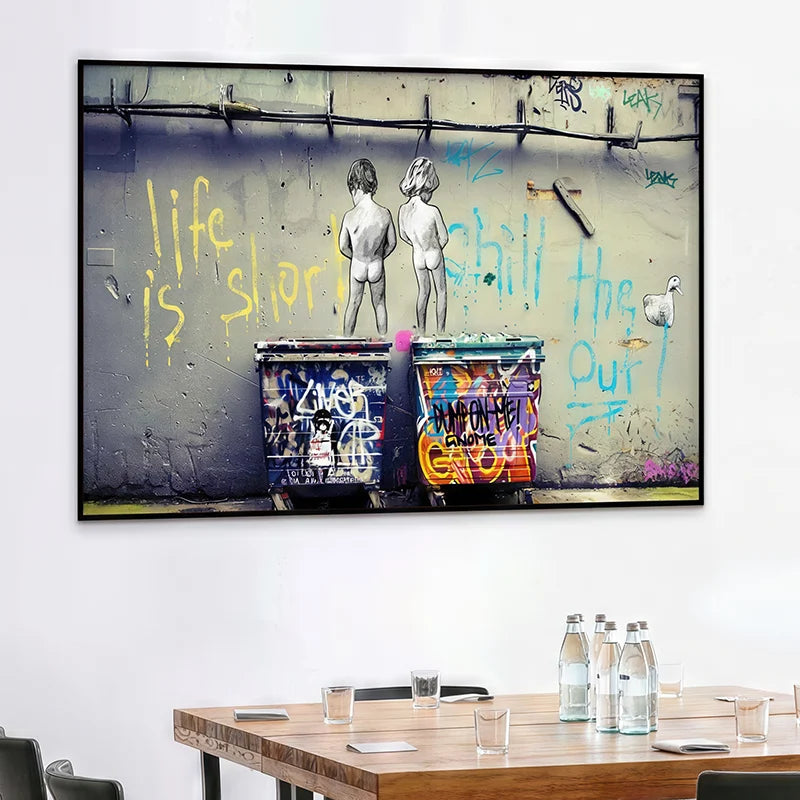

Which decorative wall art should you choose for each room?
A single piece of decorative wall art can sometimes transform an empty wall and give a room a whole new personality. Abstract, modern, landscape, street art, or pop art: each style creates a different atmosphere and tells a story about your world.
To make the right choice, you need to look beyond the image itself. The room, colors, wall size, furniture, and medium all directly influence the final result. This guide will help you choose cohesive decorative wall art, hang it correctly, and create wall décor you will enjoy every day.
1. Why add decorative wall art?

Decorative wall art adds visual impact to an otherwise plain wall. It can highlight the length of a sofa, complement a headboard, or define an entryway. Unlike furniture, it takes up very little floor space while significantly changing how the room feels.
Wall art can also create a common thread throughout your décor. A color featured in the artwork can be echoed in a cushion, rug, or decorative object. This makes the décor feel more cohesive without having to replace all the furniture.
A focal point that brings rhythm to the wall
In a living room, large wall art naturally draws the eye and balances a substantial sofa. In a smaller room, a vertical piece can emphasize the ceiling height and create a sense of space. Several small pieces can form a more vibrant arrangement, particularly well suited to an entryway or hallway.
Décor that expresses your personality
Choosing wall art is not just about trends. A landscape can bring back memories of a favorite place, an abstract piece can reflect your taste for shapes and colors, and pop art can evoke a passion for music, cinema, or popular culture. Above all, the artwork should bring you lasting enjoyment.
2. The main wall art styles

Decorative wall art comes in a wide range of styles. To refine your search, start with the atmosphere you want to create: calm and natural, contemporary and graphic, colourful and energetic, or urban and original.
| Style | Features | Atmosphere created |
|---|---|---|
| Abstract | Shapes, lines, visual textures and free-flowing colours. | Contemporary, creative and personalised. |
| Modern | Contemporary, balanced and graphic compositions. | Minimalist, elegant and easy to style. |
| Landscape | Nature, sea, mountains, city or horizon. | Soothing, bright or transporting. |
| Street art | Graffiti, stencils, collage and urban contrasts. | Bold, expressive and contemporary. |
| Pop art | Portraits, bold colours and cultural references. | Playful, dynamic and original. |
Abstract wall art for contemporary decor
Abstract art is ideal when you want to add movement without introducing a figurative subject. Its shapes and colours make it easy to echo the tones of your furniture. Explore our abstract wall art collection to compare the available compositions, sizes and colour palettes.
Modern wall art for an elegant atmosphere
Modern wall art often features a clear composition and refined lines. It works equally well in a minimalist living room or a contemporary bedroom. Choose a piece that incorporates at least one colour already present in the room to create visual continuity.
Landscape wall art for a natural touch
A mountain, seascape or forest scene adds visual depth and a sense of escape. Shades of blue, green, sand or grey pair easily with natural materials. Explore our landscape wall art collection to find a design that suits your space.
Street art and pop art for decor full of character
Street art and pop art instantly draw the eye. They are perfect for anyone looking to create a more expressive room, a gallery wall or decor inspired by urban culture. Explore our selection of street art wall art and pop art wall art.
3. Which wall art should you choose for each room?

The best wall art suits the room's purpose and proportions. A highly colorful artwork can energize a living room, while a softer palette is often better suited to a bedroom. Also consider the viewing distance and available light.
In the living room
The wall above the sofa is a natural place for a large decorative wall art piece. Choose a horizontal artwork if the sofa is wide, or a vertical format to complement high ceilings. A landscape, abstract piece, or street art composition can become the room's focal point.
In the bedroom
Choose an artwork that creates a calm atmosphere, such as a landscape, abstract lines, soft shapes, or natural colors. Hang it above the bed if the wall allows, making sure it is securely mounted, or on a side wall for a more understated look.
In the entryway and hallway
These spaces are perfect for an original arrangement. A vertical wall art piece can complement a console table, while several small framed pieces can add rhythm to a long hallway. A graphic quote, silhouette, or colorful image creates a personalized welcome from the moment you step inside.
In the home office
In a home office, choose an artwork that inspires you without distracting you. A structured abstract piece, a cityscape, a portrait, or an image linked to a passion can add character to the wall behind the desk or a reading corner.
In the kitchen
Wall art featuring culinary themes, fruit, or herbs works naturally in a kitchen. You can also choose an abstract or graphic artwork and echo its colors in your accessories. Simply avoid hanging it too close to a heat source or areas exposed to water splashes.
4. Choosing the right size and material

Measure the width of the wall and the furniture beneath it before ordering. Above a sofa or chest of drawers, a width measuring around two-thirds to three-quarters of the furniture's width creates a balanced look. On a narrow wall, a vertical format or several small wall art pieces will be easier to incorporate.
Compare available materials
| Material | Appearance | Best if… |
|---|---|---|
| Frameless poster | Lightweight and versatile. | You want to choose the framing yourself or easily change your decor. |
| Stretched canvas on wooden frame | Warm, ready-to-hang look. | You want an understated finish without adding a frame. |
| Black floating frame | Graphic outline and striking contrast. | Your interior is modern, industrial, or contemporary. |
| White floating frame | Light and luminous finish. | Your interior is bright or Scandinavian-inspired. |
| Plexiglass | Glossy surface and contemporary finish. | The lighting is controlled, and reflections do not interfere with viewing. |
Sizes, finishes, and prices vary depending on the model selected. Check the product page before ordering, and make sure you have enough space, that the image orientation is right, and that the mounting system is suitable for your wall.
5. Harmonize colors, materials, and lighting
To create a cohesive interior, incorporate one or two shades from the wall art elsewhere in the room. Blue wall art can complement cushions or a beige rug; a terracotta piece can echo a lamp or vase. There is no need to replicate the entire color palette of the image.
Pair wall art with materials
- Light wood: softens graphic compositions and bold contrasts.
- Black metal: enhances a modern, industrial, or street art style.
- Linen and natural fibers: balance highly colorful artwork.
- Velvet and heavyweight fabrics: add warmth to large-format pieces.
Illuminate your wall art
An adjustable wall light or track spotlight can highlight the details of the piece. Direct the light slightly from the side to minimize reflections, especially on Plexiglass. Avoid lighting that is too powerful, as it can wash out the colors, and view the wall art from the main areas of the room before positioning the light.
6. How to arrange one or more wall art pieces

At what height should you hang wall art?
The center of the piece should generally be at eye level. Above furniture, maintain consistent visual spacing between the top of the furniture and the wall art. The exact height depends on the size of the piece, the furniture, and the position from which you most often view it.
Create a harmonious gallery wall
- Measure the available space and choose an overall shape: linear, square, or free-form arrangement.
- Lay the wall art on the floor to test sizes and spacing.
- Start with the main piece, then add smaller formats.
- Maintain a common thread: matching frames, shared colors, or a common theme.
- Check the level and mounting hardware before drilling.
A series of wall art pieces can combine abstract, landscape, and urban art, provided there is a consistent visual connection. For a highly cohesive arrangement, choose frames in the same color or repeat a dominant shade in each piece.
7. Mistakes to avoid
- Choosing a size that is too small: measure the wall and furniture before purchasing.
- Using too many bold colors: limit color accents to a few accessories.
- Hanging artwork too high: align it with eye level and the furniture.
- Overlooking reflections: assess the lighting before choosing Plexiglass.
- Mixing too many styles: keep a common theme, palette or frame style.
- Forgetting about mounting: choose wall plugs suited to the weight of the material and the type of wall.
- Following trends alone: choose an image you will enjoy looking at for years to come.
Frequently asked questions about decorative wall art

What wall art should you choose for a modern living room?
Abstract, contemporary, landscape or street art can all work well. Choose a size proportionate to the sofa and echo one of the artwork's colors in the cushions, rug or accessories.
What size should you hang above a sofa?
A width measuring around two-thirds to three-quarters of the sofa's width is a good guideline. A triptych or several smaller pieces can also follow the length of the furniture.
What is the difference between a poster and a canvas print?
The poster comes unframed, allowing you to choose your own frame. The stretched canvas has a structured, finished design that is ready to hang. Exact specifications depend on the selected model.
How can you combine several pieces of wall art in the same room?
Choose a unifying theme: color palette, subject, size or frame color. Test the arrangement on the floor before drilling and keep the spacing even for a more elegant look.
Is Plexiglass suitable for every room?
It is suitable for modern interiors, provided reflections are managed carefully. Avoid placing it directly opposite a window or powerful spotlight, then check the recommendations on the product page.
Ready to transform an empty wall?
Explore Montableaudeco's decorative wall art and find the style, size and material that suit your interior.
Explore decorative wall art