
The Fascinating History of the Painting: A Journey Through Time
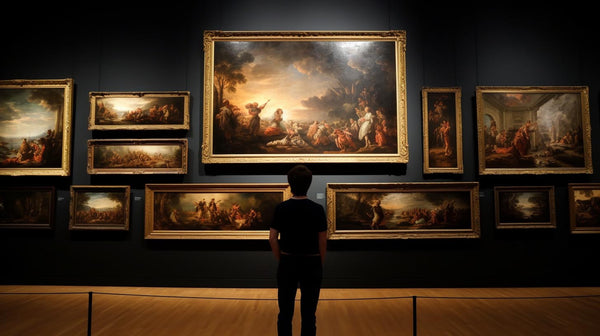
The painting is an essential element of our culture and history. For centuries, artists have used paintings to express their ideas, emotions, and visions of the world. In this article, we will explore the history of the painting, delving into different artistic periods and discovering how paintings have evolved over time.
The origins of painting: Cave paintings
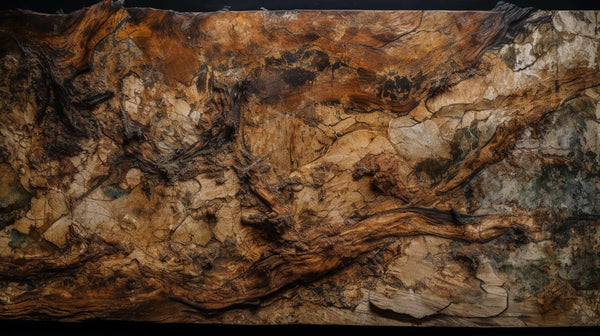
The earliest forms of paintings can be traced back to prehistoric cave paintings, which are considered the first evidence of human artistic expression. These paintings, made from natural pigments mixed with water or animal fat, usually depict animals, hunting scenes, and human representations.
Antiquity and mural frescoes
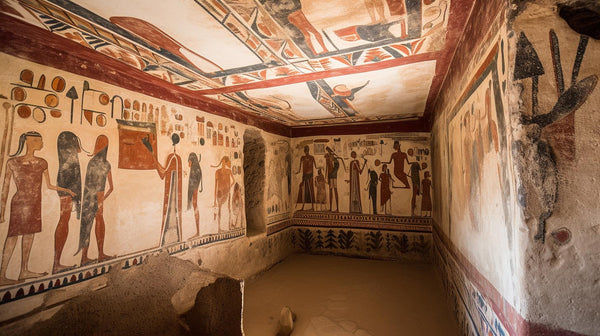
During Antiquity, mural frescoes were a common art form in the Egyptian, Greek, and Roman civilizations. These paintings were created on wet or dry surfaces, using techniques such as tempera or encaustic. Frescoes often told mythological, religious, or historical stories and served to decorate temples, tombs, and public buildings.
The Middle Ages and religious art
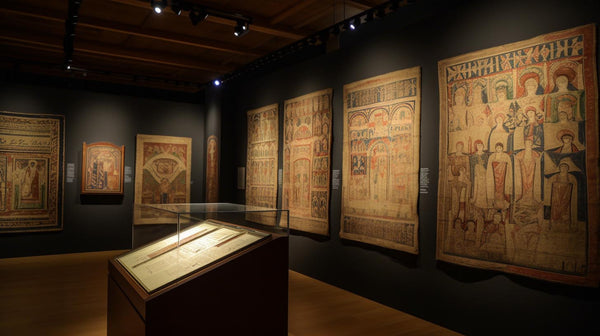
The Middle Ages were marked by the importance of religious art, particularly within the context of Christianity. The paintings of this period were mainly icons and depictions of biblical scenes, created on wooden panels or illuminated manuscripts. Artists used precious pigments and gold leaf to highlight the sacred aspect of the images.
The Renaissance and the emergence of canvas painting
The Renaissance marked a major turning point in the history of painting, with the adoption of canvas as the main medium for painting. This innovation allowed artists to create larger, more durable works with greater freedom of expression. The Renaissance also saw the emergence of great masters such as Leonardo da Vinci, Michelangelo, and Raphael, whose works revolutionized the way perspective, light, and human anatomy were represented.
Baroque and Rococo: the golden age of painting
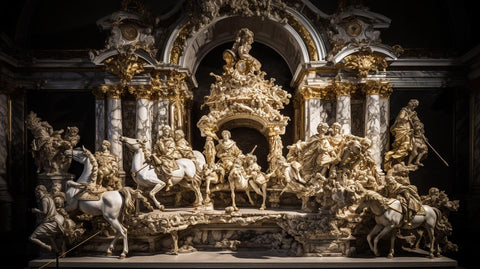
The Baroque and Rococo periods were characterized by an exuberant and theatrical artistic style, with a strong emphasis on the contrast between light and shadow. The paintings of this era were often mythological, religious, or historical scenes, executed with great technical virtuosity. Artists such as Caravaggio, Rembrandt, and Rubens helped define this period.
The 19th Century: The Impact of the Industrial Revolution on Painting
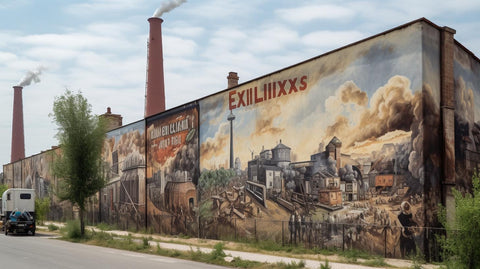
The Industrial Revolution of the 19th century had a significant impact on art and painting. Rapid urbanization, pollution, and soot that accompanied this period changed the landscape and the environment in which artists worked. As a result, new artistic movements emerged, such as Realism, Impressionism, and Post-Impressionism, all of which sought to capture the rapid changes in society and to express the social and environmental concerns of the time.
Realism and the Representation of Daily Life
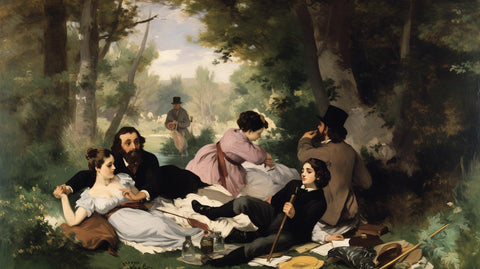
Realism was an artistic movement that sought to represent the world as it was, without idealization or embellishment. Realist artists, such as Gustave Courbet and Édouard Manet, painted scenes of everyday life, often depicting the effects of soot and pollution on the environment and people. Realism was also marked by an interest in social and political topics, with paintings that denounced the living conditions of the working classes and the poor.
Impressionism and Post-Impressionism: A Revolution in Painting
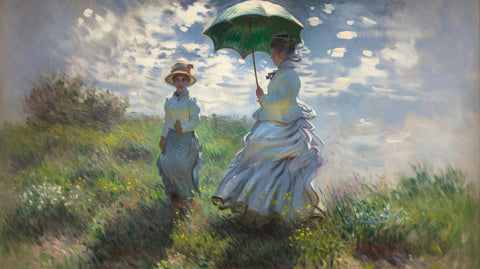
Impressionism and Post-Impressionism were artistic movements that sought to capture the effects of light and color under changing conditions, often by painting outdoors. Impressionist artists, such as Claude Monet and Pierre-Auguste Renoir, used quick brushstrokes and bright colors to create images that seemed to vibrate with light and atmosphere. Post-Impressionism, represented by artists like Vincent van Gogh and Paul Cézanne, took this approach even further, exploring more expressive painting techniques and accentuating geometric forms.
Conclusion
The history of painting is a fascinating journey through different artistic periods and the innovations that have shaped our understanding and appreciation of art. From prehistoric cave paintings to the emergence of modern movements like Impressionism and Post-Impressionism, paintings have continued to adapt to social, cultural, and technological changes. Today, artists continue to push the boundaries of painting, experimenting with new media, digital techniques, and conceptual approaches, thus ensuring the durability of this centuries-old art form.