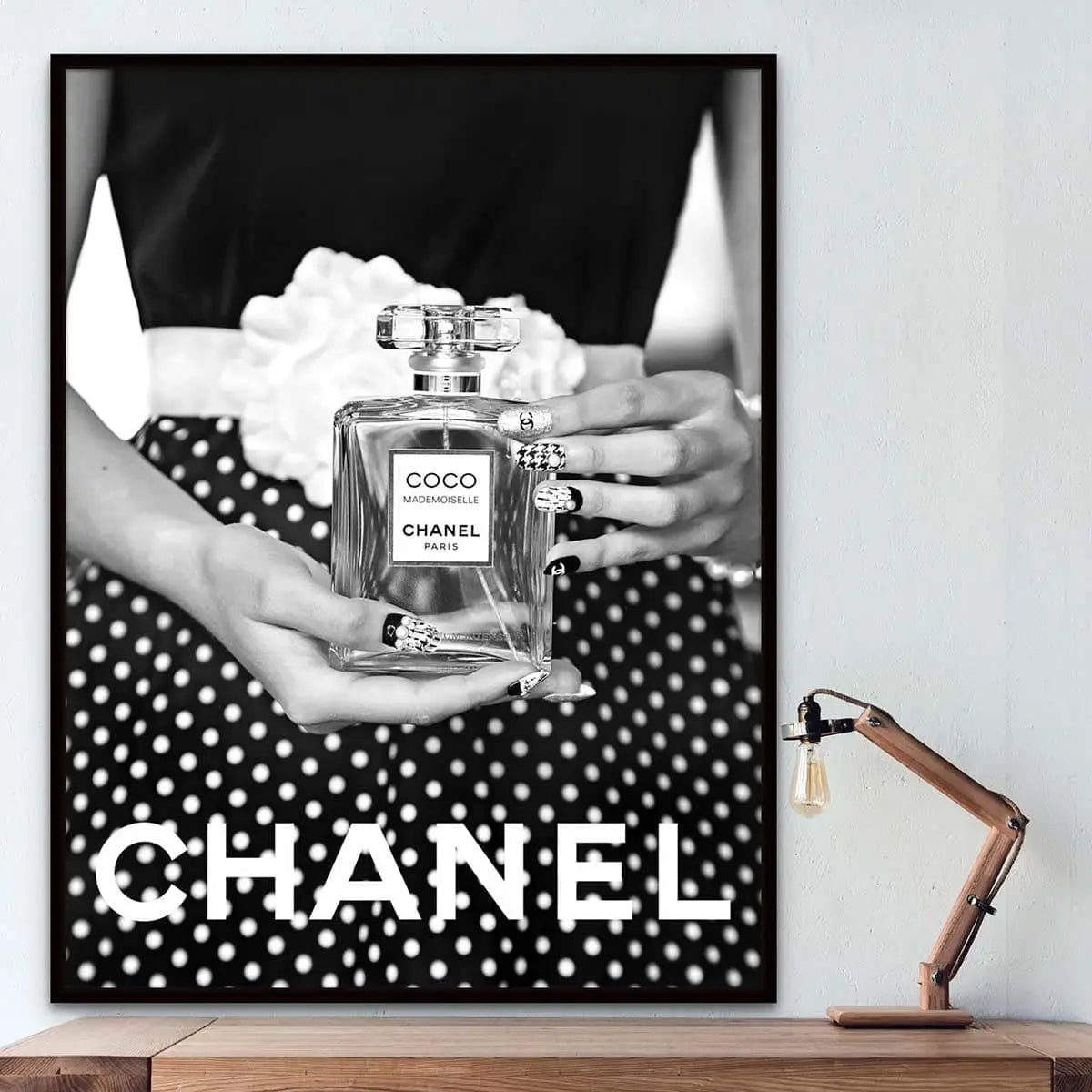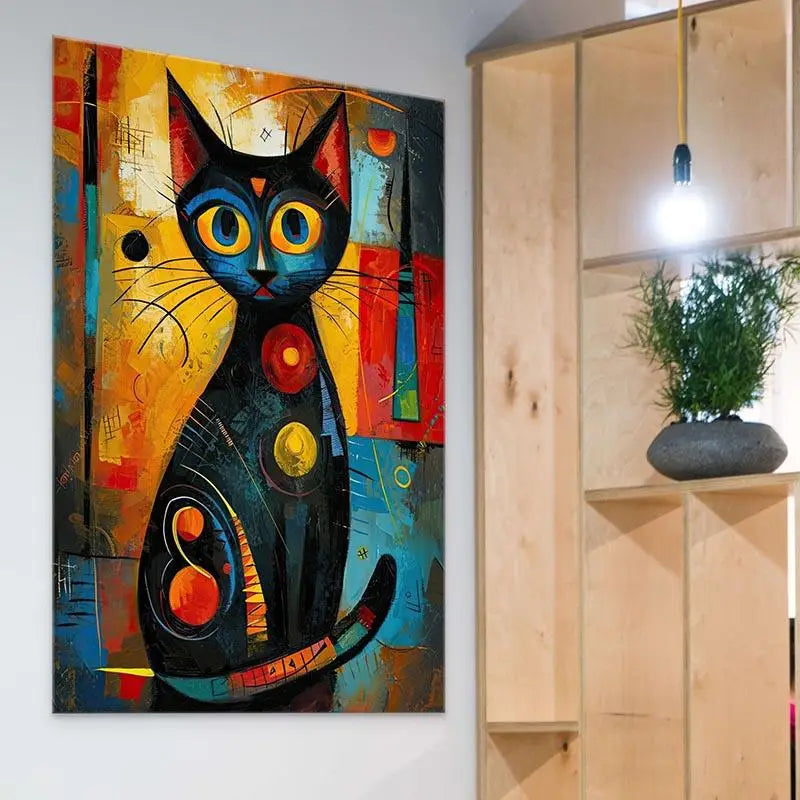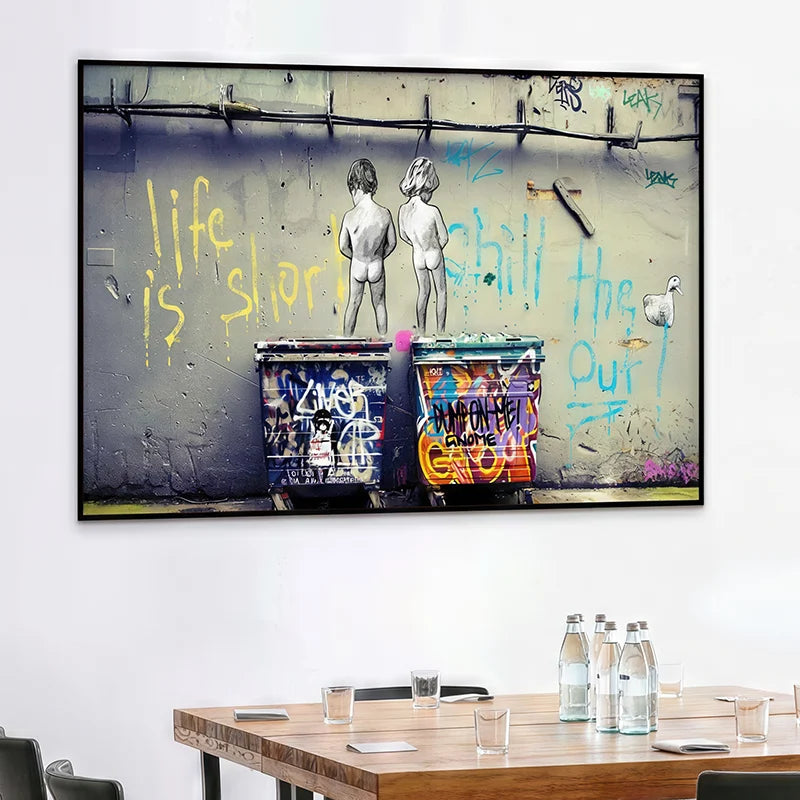

A white wall, a sofa you love, a few carefully chosen objects… and yet something is missing—the detail that gives the room character. Street art in interior design can add that personal touch: bold colors, a message that resonates with you or a graphic design that immediately catches the eye.
There's no need to turn your living room into a giant mural. Sometimes, one well-placed piece of wall art is enough to transform the mood. Here's how to bring urban art into your home, choose the right composition and create a space you'll enjoy living in every day.
1. Understanding the spirit of street art decor
Street art decor draws on the visual language of urban art: lettering, spray-paint effects, stenciled silhouettes, collages and layered elements. In the home, these features can be showcased on a poster or wall art without having to paint directly on the walls.
Their appeal? They add contrast to your furniture and say something about your tastes. A colorful composition can bring a neutral room to life. A black-and-white design can enhance a more graphic aesthetic. A character or phrase adds a personal dimension, provided the subject still appeals to you beyond the first glance.
You can therefore embrace urban decor in a contemporary apartment, a family home or an interior with classic furniture. The overall balance mainly depends on the space given to the artwork and the elements paired with it.

2. Choosing between colorful graffiti and graphic stencil art
Colorful graffiti to energize your decor
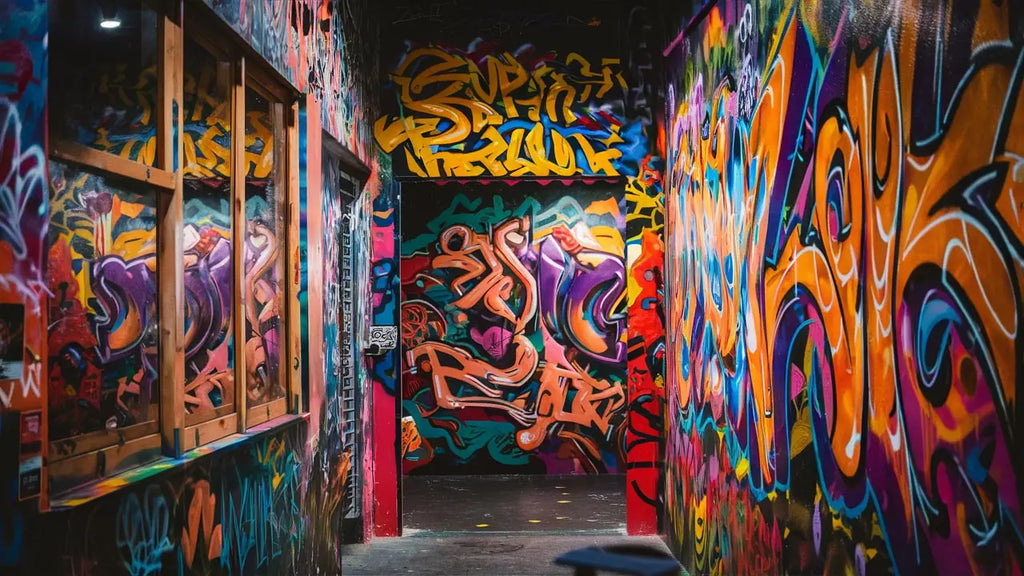
Interlocking letters, paint drips and contrasting blocks of color work well on a wall you want to highlight. Paired with a gray sofa, light wood and a few black accessories, colorful graffiti wall art becomes the room's focal point.
Also consider the artwork's visual clarity: a highly detailed composition invites a closer look, while a large shape stands out more clearly from the living room entrance. To explore this aesthetic further, discover our ideas for decorating your home with graffiti wall art.
Stencil style for a more minimalist look
If you prefer understated decor, look for compositions featuring a silhouette, an uncluttered background, and a touch of color. Black-and-white contrasts pair easily with contemporary furniture and natural materials.
Do you love the visual world associated with Banksy? Pay as much attention to the subject and message as to the color palette. Before buying, clearly distinguish between a decorative print, a style-inspired creation, and an original artwork: these descriptions do not mean the same thing.
3. Bringing urban art into every room
In the living room: create a focal point
The wall above a sofa or sideboard often provides an ideal spot. Choose a location visible from the main seating areas and leave some space around the wall art. If the room already features bold wallpaper or a packed bookcase, opt for another wall or a less detailed design.
An easy combination to picture: a beige sofa, wall art blending blue and black, and a blue cushion to tie everything together. Repeating the color is enough; there is no need to add multiple matching accessories.
In the bedroom: create a balanced presence
Urban art can also work beautifully in a calming bedroom. Choose an airy composition, muted tones, or a design you particularly love. Above a dresser, the wall art can be enjoyed without overwhelming the entire room.
For ideas tailored to this space, read our article on urban art in bedroom decor.
In the home office or entryway: showcase your style
In a home office, artwork inspired by music, travel, or your favorite world can easily personalize the space. Position it where you can enjoy the image without creating distracting glare near your screen. In a narrow entryway, a vertical format complements the height of the wall while minimizing visual clutter.
4. Coordinating colors and materials
To create a cohesive street art wall decor scheme, start with the elements you are keeping: the sofa, flooring, curtains, and furniture. Then choose a piece that echoes one of their tones or creates a deliberate contrast.
- White or beige wall: colors stand out easily. Keep nearby objects fairly understated if the wall art is highly detailed.
- Dark wall: a light background or bright colors can help the image stand out. Check the result under the room's actual lighting.
- Wood and natural textiles: they soften a graphic composition and help it blend into a warm interior.
- Black metal and contemporary furniture: they pair well with lettering and contrasts, without requiring a fully industrial look.
5. Finding the right size and placement
Before choosing a size, measure the available width and view the wall from where you will see the wall art. Above a piece of furniture, a width of around two-thirds of the furniture's width can serve as a visual starting point. This is a decorating guideline that should be adapted to the composition and available space.
A horizontal format works well above a sofa or sideboard. A vertical format suits a narrow section of wall. A square format can work on its own or as part of a collection. Also consider the proportions of your chosen design: not every image is available in every format.
For multiple pieces of wall art, choose a unifying element: the same dominant color, the same frame finish, or a common theme. Arrange the composition on the floor before hanging it. Our guide to creating a street art gallery wall at home takes this approach further.
6. Comparing print media
The same design can create a different impression depending on its finish. Here are the key points to help you choose from the print media available at Montableaudeco, based on the options offered on each product page.
| Material | Desired look | Point to consider |
|---|---|---|
| Frameless poster | A lightweight presentation, ready to frame to suit your taste. | The frame must be purchased separately. |
| Stretched canvas on wooden frame | A striking presence thanks to the depth of the stretcher frame. | The canvas texture does not mean the design is painted in relief. |
| Black floating frame | A bold outline that highlights contrasts. | Take into account the overall external dimensions shown on the product page. |
| White floating frame | A subtle frame on a light-colored wall. | Compare the finish with the wall color. |
| Plexiglass | A glossy finish for a contemporary feel. | Anticipate reflections opposite windows and lamps. |
For a more detailed comparison of the criteria to consider before purchasing, read our guide to choosing the perfect street art wall art. The price depends on the selected material and dimensions.
7. Avoid mistakes that throw your decor off balance
- Choosing based solely on an online favorite: also check the dimensions in your room and how clearly the design can be seen from a distance.
- Using too many patterns: between a graphic rug, printed cushions, and graffiti wall art, leave some understated surfaces so that each element remains visually distinct.
- Hanging it too high: adjust the height to suit the furniture and the position from which you will view the wall art.
- Ignoring reflections: check the placement at different times of day, especially if you are considering a glossy finish.
- Confusing visual effects with texture: the drips and brushstrokes shown in a print do not necessarily have a raised texture.
8. Your questions about street art decor
How to incorporate street art into a classic living room
Choose wall art as a contrasting feature, then tie it in with a color already present in the room. A black-and-white design, or a colorful composition surrounded by understated furniture, allows you to mix styles without transforming the entire living room.
Can you choose street art wall art for a small room?
Yes. Consider the amount of free wall space and the available viewing distance. A single, well-proportioned arrangement can be more visually appealing than a collection of small frames. Use a template to test how much space it will take up before purchasing.
Do you need a white wall for graffiti decor?
No. A light-colored wall makes coordinating easier, but dark paint can also highlight an artwork. Compare the contrast between the artwork's background and the wall, then make sure the lighting allows you to see the details clearly.
Which material should you choose: canvas or acrylic glass?
Stretched canvas adds texture and presence without the need for an additional frame. An acrylic glass print is ideal if you prefer a glossy finish. For the latter, pay close attention to the position of windows and lighting.
How to combine multiple street art pieces
Keep a common thread between the artworks, such as a color palette, theme, or frame. Arrange the full display on the floor, leave even spacing, and check that the composition remains balanced around the nearby furniture.
Wall art that feels at home in your space
Found the wall, colors, and finish you love? Explore our collection to find the artwork that will add character to your interior. Compare the available sizes and materials directly on the product page of your favorite design.
Discover street art wall art