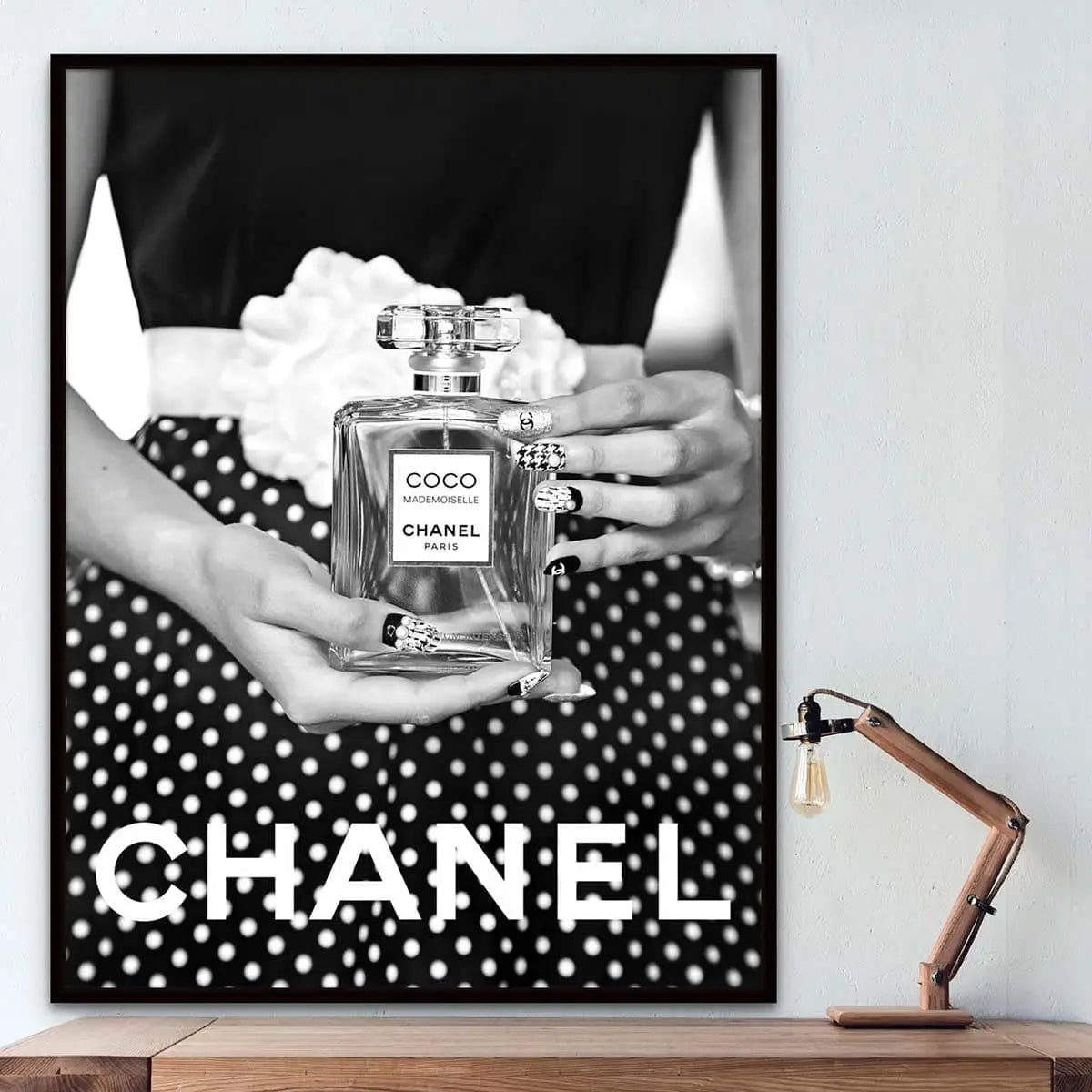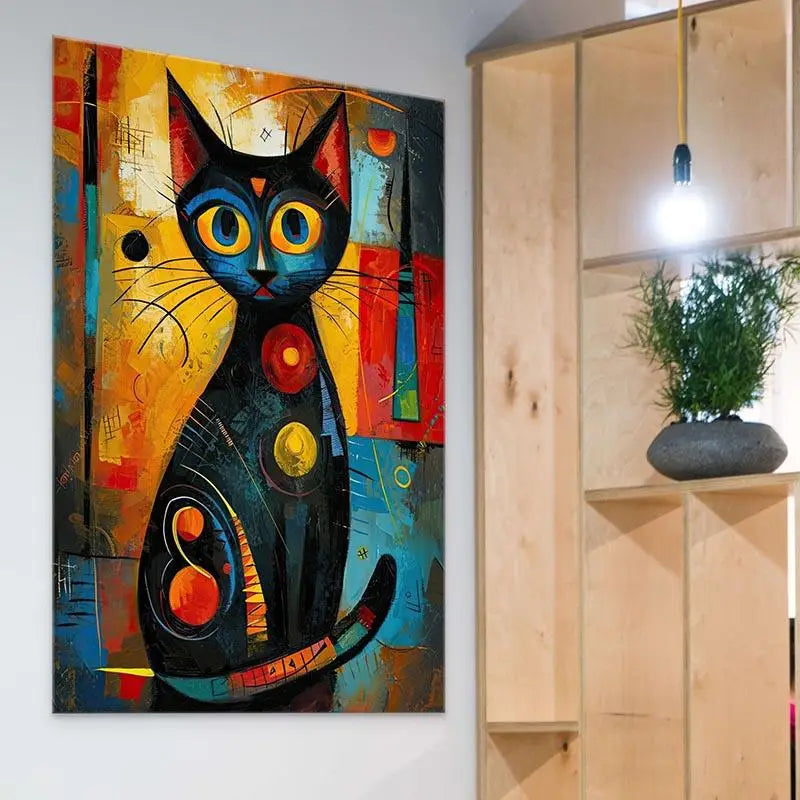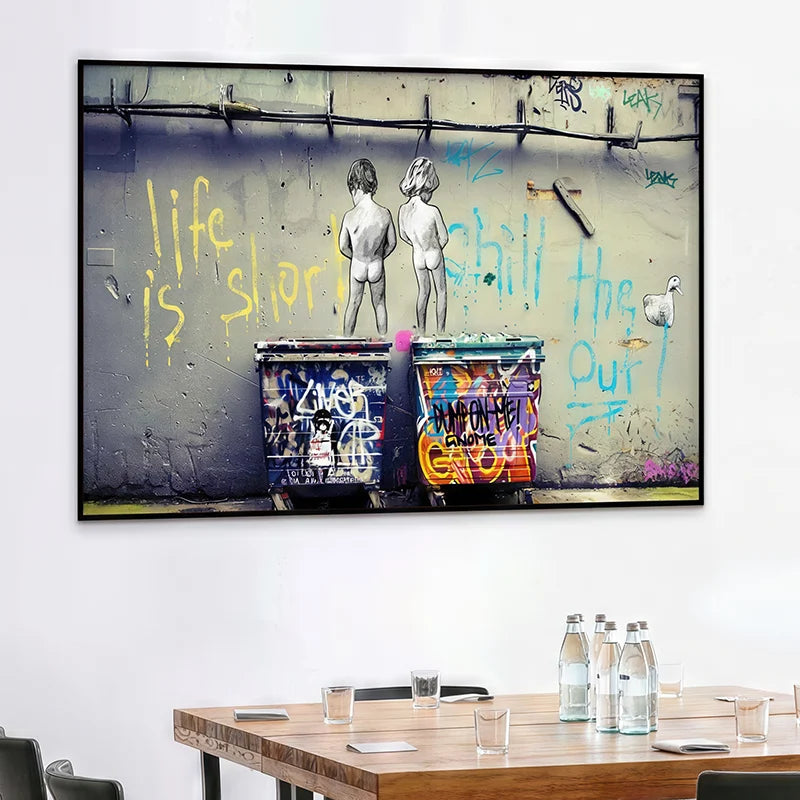


Do you love interiors with character? Street art wall art instantly brings a strong visual presence to any wall while allowing you to express your tastes, inspirations, and personality. Graffiti, stencils, collage, typography, abstract urban art, or pop culture: each style has its own visual language and transforms the atmosphere of a room.
Long associated with the walls of major cities, street art has gradually found its place in galleries, private collections, and interior design. Today, an urban art-inspired piece can become the focal point of a living room, bedroom, office, or entryway without overwhelming the space.
In this guide, discover how to choose an artwork, coordinate its colors, select the right size, and create modern wall decor around graffiti wall art. You will also find tips for pairing street art with minimalist, industrial, contemporary, or inviting interiors.
What is street art?
Street art, or urban art, encompasses creations designed to be seen in public spaces. It can take the form of a monumental mural, stencil, collage, installation, mosaic, or spray-painted composition. Graffiti is one of its best-known visual languages, but street art is not limited to lettering and signatures.
The movement developed outside traditional art venues, driven by a desire to make art visible in the streets and accessible to a wider audience. Artists often use walls as a medium for expression, storytelling, or reflection on society. This direct relationship with the city explains the graphic impact and energy that define urban art.
The Tate notably distinguishes graffiti art, generally created with paint or spray paint on buildings, from a broader range of street art practices. This diversity explains why these artworks can vary so widely: some are colorful and spontaneous, while others are minimalist, thought-provoking, humorous, or abstract.
To explore the history and vocabulary of these practices in greater depth, visit the Tate glossary on graffiti art and read our article on the rise of street art as a popular art form.
Key takeaway: street art wall art draws on the visual language of urban art to bring it into the home. It can be expressive and colorful, but also understated, graphic and perfectly suited to elegant decor.
Why choose street art wall art for your interior?
Street art wall art is not just for filling an empty wall. It sets the direction for the decor and can transform the atmosphere of a room in minutes. A well-chosen piece draws the eye, creates a focal point and adds a more personal dimension to an interior that may otherwise feel too neutral.
Add character to a wall
On a white or beige wall, an urban artwork immediately stands out. Its contrasts, shapes and touches of color define the space without the need for numerous accessories. In a living room, the wall art can replace traditional wall decor above the sofa. In a bedroom, it can create a more creative atmosphere above the bed or on the wall opposite it.
Express your personality
The choice of wall art often reveals a particular sensibility, passion or way of seeing the world. Those who love bright colors may opt for abstract graffiti, while anyone seeking more understated decor may prefer a monochrome stencil, a black-and-white piece or a composition in mineral tones.
Create a conversation piece
A piece inspired by urban art naturally sparks curiosity. Its symbols, characters, words or contrasts can inspire different interpretations. The wall art then becomes more than a decorative feature: it tells a story and gives the room an identity.
Combining decor and visual culture
Street art bridges urban culture, contemporary graphic design and interior design trends. It can complement an industrial interior featuring metal and concrete, a minimalist setting with light-colored walls or warm decor enhanced by natural materials and wood.
To discover more ways to incorporate urban art into your interior, read our article on street art wall art in the bedroom.
Which street art styles should you choose?
There is no single style of street art wall art. To choose a piece that suits you, start by deciding on the atmosphere you want to create and the level of contrast your room can accommodate.
Colorful graffiti
Colorful graffiti is ideal for energizing a bright room. Vivid blocks of color, drips, and layered shapes create a dynamic effect. To keep the decor balanced, pair it with neutral walls and echo only one or two colors from the artwork in cushions, the rug, or accessories.
Stencils and silhouettes
Stencil artworks often use silhouettes, bold contrasts, and highly legible compositions. They are ideal for anyone seeking expressive yet less colorful urban decor. Black, white, gray, and a touch of red or blue create a graphic, contemporary look.
Abstract street art
Abstract street art blends lines, textures, symbols, and colors without necessarily depicting a recognizable figure or message. It is a highly appealing option for a modern living room, adding movement while remaining easy to coordinate with the furniture.
Urban pop art
Urban pop art draws inspiration from celebrities, advertising, comic books, and objects from popular culture. It creates fun, on-trend decor. To avoid a childish look, choose a piece whose colors and medium complement the room's overall style.
Black-and-white street art
Black-and-white street art wall art makes a bold statement without introducing too many colors. It blends easily into minimalist, industrial, or Scandinavian decor. A touch of deep blue, beige, or terracotta can then add warmth to the overall look.
You can also browse our selection of street art wall art for unique decor to compare different visual styles.
How can you coordinate colors and messages?
Color is one of the most important elements in street art decor. It can brighten up a neutral interior, create a warm atmosphere, or enhance the character of contemporary furniture. To avoid clashing combinations, always start with the shades already present in the room.
On a white wall
A white wall offers great freedom. A highly colorful piece becomes a natural focal point, while black-and-white wall art creates a more elegant atmosphere. If the wall art features blue, yellow, or terracotta, you can subtly echo that shade in a cushion, vase, or lamp.
On a colorful wall
A deep blue, green, or terracotta wall can add plenty of character to your decor. In this case, choose artwork that provides enough contrast with the background. Wall art featuring white, beige, or lighter areas stands out especially well against a rich color.
With a strong visual message
Some artworks use words, symbols, or characters to convey an idea. Before choosing wall art with a message, consider whether it matches the atmosphere you want to maintain over time. A highly expressive or colorful design can become the centerpiece of the decor; the rest of the room should then remain more understated.
The simple rule: choose a striking piece, then give it room to breathe. Two or three color accents are enough to create harmony; there is no need to reproduce the wall art's entire palette throughout the room.
Which size and medium should you choose?
Style alone is not enough to create successful wall decor. The size and medium also change how the artwork is perceived. Wall art that is too small may get lost on a large wall, while an oversized piece can overwhelm a narrow space.
Choose the right size
Above a sofa, bed, or sideboard, aim for proportions that complement the furniture below. A horizontal format often suits wide furniture, while a vertical format works better on a narrow wall or in an arrangement designed to emphasize height.
Before ordering, measure the available space and visualize the dimensions using painter's tape or a paper template. This step helps prevent unpleasant surprises and gives you a better sense of the wall art's actual presence. To refine your selection, also see our guide to choosing the perfect street art wall art for your interior.
Choose the medium
- Frameless poster: a lightweight, affordable option, perfect for decor you like to update regularly.
- Stretched canvas on wooden frame: a more striking look, ideal for showcasing artwork in a living room or bedroom.
- Black floating frame: a graphic outline that enhances the contrast and contemporary feel of street art.
- White floating frame: a more understated finish that blends easily into a light-colored interior.
- Plexiglass: a glossy, modern look, especially well suited to colorful, graphic artwork.
The choice depends on the desired effect, the room, and your furniture. For a bold urban interior, a black frame can accentuate the lines of the artwork. For a softer atmosphere, a canvas or white frame will allow the colors of the wall art to take center stage.
Where should you hang street art wall art?
In the living room
The wall behind the sofa is usually the best place for large street art wall art. Center the artwork above the furniture and leave enough space around it to let it stand out. If the living room already features many patterns, choose wall art with a more restrained color palette.
In the bedroom
Above the bed, wall art becomes a striking visual headboard. For an adult bedroom, abstract artwork, monochrome compositions, and deep colors create a more soothing atmosphere. In a teenager's bedroom, more expressive graffiti or urban pop art can personalize the space.
In a home office
Wall art placed opposite the desk or on a side wall can provide inspiration without overwhelming the workspace. Graphic compositions, typography, and artwork with carefully balanced contrasts work particularly well in this room.
In an entryway
A vertical or medium-sized piece can add depth to a narrow entryway. Paired with a slim console table, a mirror, or soft lighting, it creates an original first impression as soon as you enter the home.
For a balanced display, hang the artwork at a comfortable height and make sure it is not exposed to direct glare. Indirect lighting allows you to appreciate the details without washing out the colors.
Banksy, stencil art and pop culture: what you need to know
Banksy has played a major role in popularizing stencil art and urban art among the general public. His works are known for their humor, striking contrasts, and critical perspective. In interior design, wall art inspired by this world can add a bold, thought-provoking graphic touch.
However, it is important to distinguish between an original work, a reproduction, and a creation simply inspired by street art. A work presented as an original Banksy must come with guarantees of authenticity. The Pest Control Office states that it is the authorized body for authenticating Banksy's works. For affordable wall decor, it is therefore best to use precise descriptions such as “urban art-inspired wall art” or “street art decor” when the piece is not a certified original.
The same principle applies to pop culture references. A piece of wall art may evoke a universe, an aesthetic or a visual icon, but its presentation must remain clear and must not suggest that it is an official work or signed by an artist when this is not the case.
How do you create a street art gallery wall?
A single large piece of wall art is often enough, but a gallery wall allows you to create a more personal composition. To successfully combine several artworks, avoid placing unrelated visuals side by side. First, define a direction: the same palette, a shared urban theme, coordinated sizes or similar frames.
- Choose an anchor piece: start with the largest or most expressive artwork.
- Define a common thread: repeat a color, material, shape or shared theme.
- Test the layout: use paper templates before drilling and check the composition from several viewpoints.
- Leave enough space: even spacing makes the gallery easier to appreciate and prevents it from looking overcrowded.
A gallery wall can combine a poster, a canvas and framed art, provided the overall look remains cohesive. For more inspiration, explore our guide to creating a street art gallery at home.
How should you care for your street art wall art?
Regular care helps maintain the vibrancy and clarity of your wall décor. Gently dust the surface with a soft, dry cloth. Avoid abrasive products, damp sponges and cleaning products that are not suitable for the material.
To protect the artwork over time, avoid prolonged exposure to high humidity, heat sources or direct sunlight. If your wall art is displayed in a very bright room, indirect light and light-filtering curtains can help preserve its appearance.
FAQ: street art wall art and interior décor
What is the difference between graffiti and street art?
Graffiti refers in particular to letters, signatures or images painted on an urban surface, often with spray paint. Street art is a broader concept that can include stencils, collages, murals, installations and other forms of intervention in public spaces.
Which street art wall art should you choose for a living room?
Choose a piece that is proportionate to the width of the sofa and complements the existing colors. Colorful abstract graffiti energizes a bright living room, while black-and-white or deep blue wall art suits more understated decor.
Is street art suitable for an adult bedroom?
Yes. For an adult bedroom, choose a single artwork, balanced colors and a style that does not overwhelm the space. Abstract compositions, monochrome stencils and wall art in deep tones create an urban atmosphere while remaining elegant.
How can you keep street art decor from looking too busy?
Use the wall art as a centerpiece and keep the rest of the decor more understated. Limit competing patterns, repeat just one or two colors from the artwork and leave enough space around it.
How can you tell if a Banksy artwork is authentic?
A piece advertised as original must come with proof of authenticity. The Pest Control Office states that it is the organization authorized to authenticate Banksy's art. A decorative reproduction or inspired creation must not be presented as a certified original.
Which medium should you choose for graffiti wall art?
An unframed poster is ideal for light, versatile decor. Stretched canvas adds greater presence, a floating frame highlights the graphic style, and an acrylic glass print offers a glossy, contemporary finish. The best choice depends on your decor and the look you want to achieve.
Conclusion: give your walls a strong identity
Choosing street art wall art is an easy way to personalize your interior and transform an ordinary wall into a true focal point. For a harmonious result, start with the style of your room, choose a piece that reflects your personality, then adapt the colors, size and medium to your space.
Street art can be bold without feeling chaotic. One carefully chosen piece, understated furniture and a few touches of matching color are all it takes to create urban, contemporary decor that is enjoyable to live with.
Want to add character to your living room, bedroom or office? Explore our street art wall art collection and find the piece that will bring fresh energy to your wall decor.