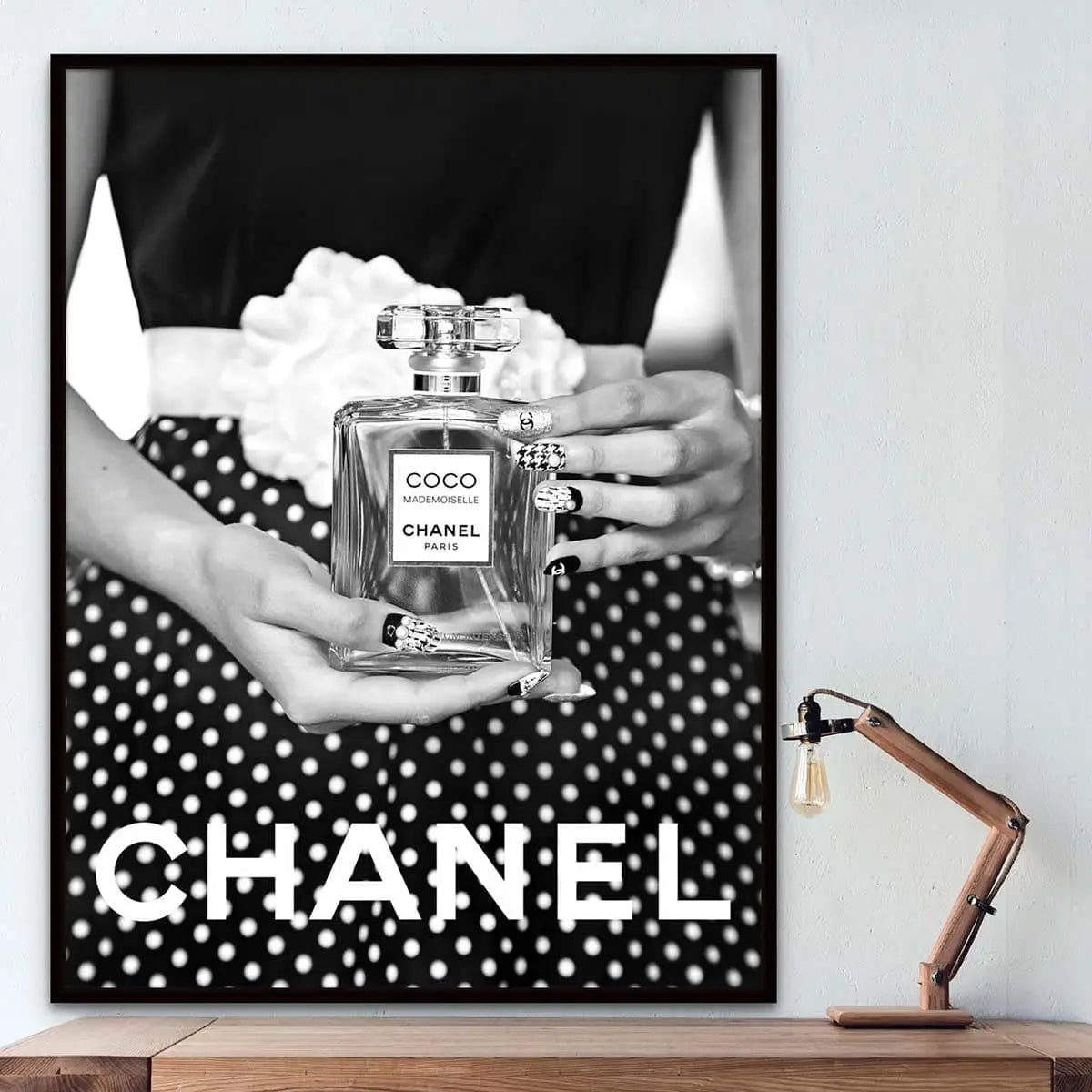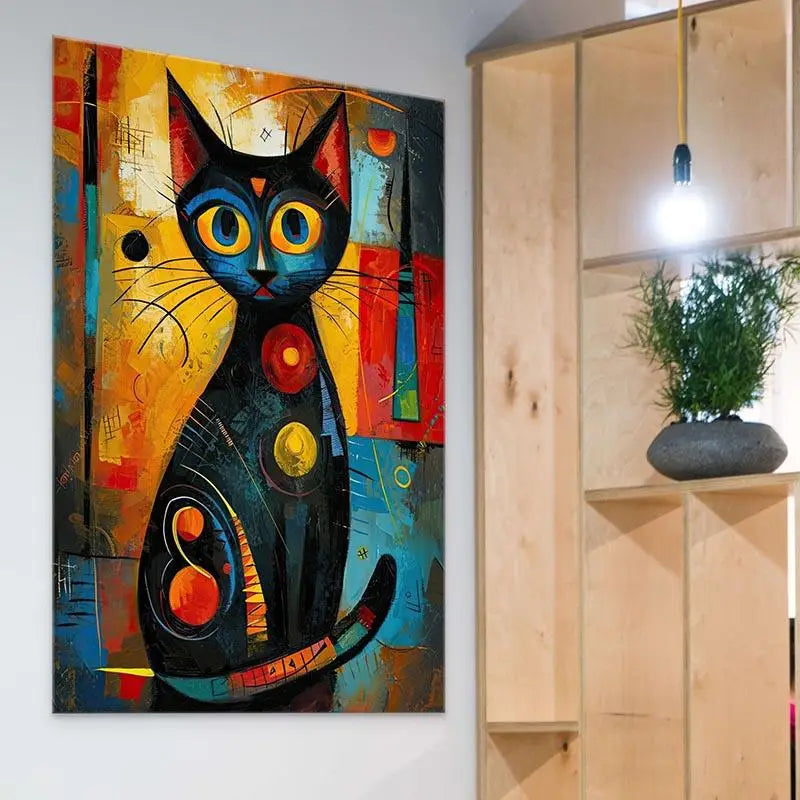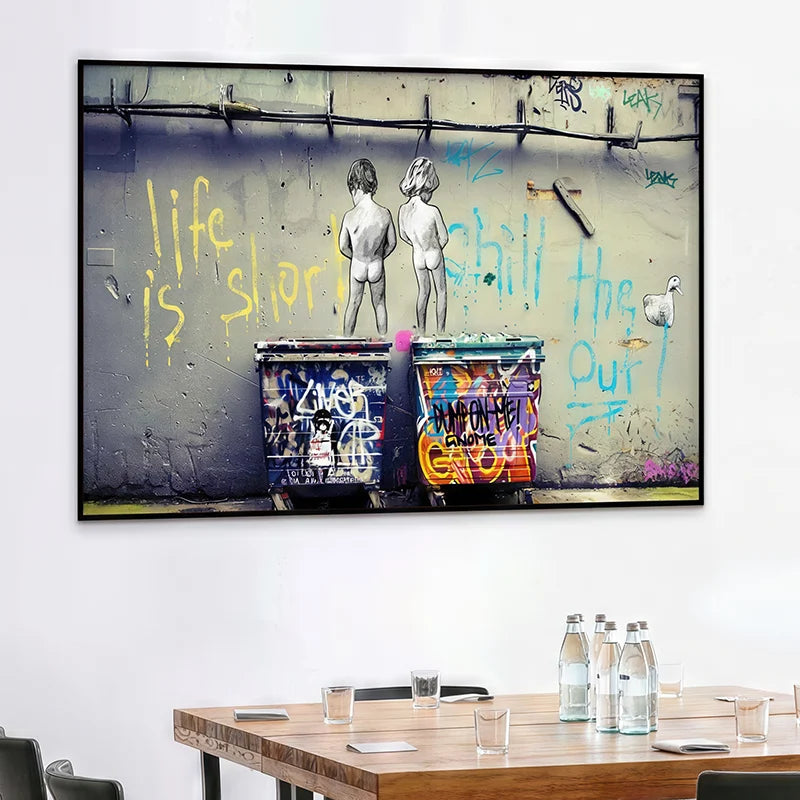

A street art wall art piece instantly adds character to a wall. Graffiti, stenciling, collage, pop art or abstraction: urban art lets you create expressive, modern and personal wall decor without transforming the entire room.
The right choice, however, depends on several factors: the style you love, the colors already present, the available space and the most suitable medium. This guide takes you step by step through choosing an urban artwork, installing it correctly and integrating it seamlessly into your interior.
1. Understanding street art and graffiti
Street art, or urban art, encompasses practices that emerged in public spaces: graffiti, stenciling, collage, mural painting and image appropriation. Historically associated with walls, trains and abandoned sites, it gradually found its way into galleries and interior decor.
Its decorative appeal comes from its immediate visual language: expressive lettering, blocks of color, characters, symbols and messages. To better understand how it has evolved, read our article on the rise of street art as a popular art form.
Street art, graffiti and mural art: what are the differences?
These terms overlap, but do not always refer to the same thing. Graffiti often emphasizes lettering, signatures and gesture. Stenciling favors crisp, reproducible images. Collage plays with posters or paper, while mural art can cover an entire surface. In a decorative collection, these elements are sometimes combined to create a contemporary design.
| Style | Visual signature | Decorative mood |
|---|---|---|
| Graffiti | Letters, tags, drips and bold colors. | Urban, energetic, loft-inspired. |
| Stencil Art | Clean outlines, a silhouette or a short message. | Graphic, minimalist, easy to coordinate. |
| Collage | Layered images, typography and textures. | Creative, vintage or unconventional. |
| Urban Abstraction | Shapes, marks and contrasts inspired by the city. | Contemporary, colorful, more understated. |
2. Choosing a Street Art Style
Before comparing sizes, identify what truly appeals to you. Do you prefer a highly colorful composition, a thought-provoking message, a graphic portrait or a more minimalist work? This initial selection helps you avoid choosing wall art simply because it is on trend.
Graffiti and Lettering for Vibrant Décor
Graffiti wall art is particularly well suited to a contemporary living room, a creative office or an industrial-style space. Lettering and contrasts create a striking focal point. To keep the composition visually balanced, give the artwork room to breathe with understated walls and just a few accessories.
Stencils and Silhouettes for a Graphic Look
Stencil art creates a more structured urban look. A silhouette, an animal or a short message can blend into modern décor without overwhelming it. Black and white tones work with many materials; a touch of red, yellow or blue is then enough to add depth.
Pop Art, Portraits and Cultural References
Pop art portraits and compositions inspired by popular culture add a playful, recognizable touch. For a more graphic alternative, explore our Pop Art wall art collection. If you prefer free-flowing shapes and layered shades, the abstract wall art collection offers a natural transition between urban art and contemporary décor.
Banksy Inspirations: Focus on Message and Contrast
Banksy-inspired visuals are known for their humor, contrast and social impact. When decorating, focus on these key elements: a clear image, a thought-provoking subject and a composition that remains balanced with the furniture. A decorative print inspired by stencil art should not be presented as an original work or as signed by the artist.
3. Adapt the Artwork to Each Room
The same wall art will not have the same impact in a living room, bedroom or office. Consider how people move through the space, the natural light and the existing furniture before choosing its placement. Street art wall art should be visible without interfering with the room's everyday use.
In the Living Room: Create a Focal Point
Above the sofa, choose artwork that is wide enough to complement the furniture. A horizontal composition or triptych naturally follows the length of the sofa. On a narrow wall, a vertical format can instead highlight a high ceiling or an overlooked corner.
In the Bedroom: Soften the Contrast
For a bedroom, opt for moderate contrast and colors already present in the bedding. A monochrome stencil, silhouette or abstract piece in muted tones maintains an urban feel while creating a restful atmosphere. Discover more ideas in our guide to incorporating urban art into a bedroom.
In the Office, Entryway or Hallway
These spaces are ideal for bolder sizes. A typographic poster or colorful artwork adds energy to an office. In an entryway, a vertical piece creates a personalized welcome. In a hallway, several small pieces arranged in a row can guide the eye without visually narrowing the space.
4. Harmonize Colors, Materials and Lighting
Wall art can be highly expressive without clashing with the rest of your decor. To create visual harmony, echo one or two colors from the artwork in cushions, a rug, a vase or a subtle decorative object. Keep these accents understated so the artwork remains the centerpiece.
Pair a Colorful Palette With a Neutral Interior
On a white, beige or light gray wall, vibrant colors stand out immediately. In an interior already rich in color, choose wall art that echoes a dominant shade or features lower contrast. Wood, black metal and polished concrete naturally enhance the urban aesthetic, while linen and natural fibers soften a highly graphic composition.
Light the Artwork Without Creating Distracting Glare
An adjustable light, wall light, or track lighting can showcase the artwork beautifully. However, avoid directing an overly powerful light source straight at a glossy surface, especially Plexiglass: reflections can make the image difficult to see. Test the lighting from the places where you view the wall art and maintain pleasant ambient lighting.
For more ideas on placement and styling, discover our tips for adding originality to your decor with street art wall art.
5. Choose the size and material
The size should be proportionate to the wall and furniture. Measure the available width and the height between the furniture and ceiling, then allow sufficient space around the artwork. Above a sofa or chest of drawers, a useful guideline is to choose a width approximately two-thirds to three-quarters that of the furniture while leaving some space on either side.
Which material should you choose for street art wall art?
| Material | Decorative advantage | Best if… |
|---|---|---|
| Frameless poster | Lightweight and easy to frame as you wish. | You want to choose your own frame or change styles often. |
| Stretched canvas on wooden frame | Ready-to-hang look with a warm presence. | You are looking for a minimalist finish with no additional frame. |
| Black or white floating frame | A crisp outline that highlights the image without weighing it down. | You like a graphic, structured finish. |
| Plexiglass | Glossy surface with a contemporary finish. | The wall allows you to control reflections and lighting. |
Dimensions and finishes vary by model. Check the product page for each design in our street art wall art collection before ordering. To compare wall art styles and formats, you can also read our guide to choosing the perfect street art wall art for your home.
6. Install an artwork and create a gallery wall
Position the center of the wall art at eye level from where you view it most often. When hanging it above a piece of furniture, leave consistent visual spacing between the surface and the artwork. Also check the weight of the piece and use hardware suited to the type of wall: plaster, brick, and concrete require different wall plugs.
Create a successful multi-piece wall art arrangement
- Measure the available space and define an overall shape: a line, square, or free-form arrangement.
- Lay the pieces on the floor to test the spacing and color balance.
- Start with the largest piece, then add the smaller formats.
- Keep the spacing even unless you are intentionally aiming for a dynamic effect.
- Photograph the arrangement before drilling and check that each piece is level.
A gallery wall can combine graffiti, stencils, and urban photography as long as there is a common thread: the same frame color, a shared palette, or a cohesive theme. Our article on creating an art gallery at home explains this method in detail.
7. Explore inspiration and personalization
Collections for different styles
Urban decor can be colorful, monochrome, humorous, or more sophisticated. Collections inspired by graffiti and stencils are ideal for a loft or modern living room. Pop Art portraits add a graphic touch. Urban abstracts blend easily into a more minimalist interior. If you are looking for an original gift idea, also explore our ideas inspired by urban art and graffiti.
Create personalized street art wall art
A photo, a first name, a phrase, or a place can serve as the starting point for a personalized creation. Choose a sharp image, check the framing, and allow some extra space if the image needs to be cropped. For a balanced result, limit the number of colors and select a format suited to the intended wall.
Printed creations are decorative pieces: they should not be confused with an original painting, a signed work, or a piece sold directly by an artist cited as a reference.
8. Avoid the most common mistakes
A few checks before buying are enough to avoid most disappointments:
- Choosing a format that is too small: a large wall needs a sufficiently striking piece or arrangement.
- Overusing bold colors: repeat one shade from the wall art rather than its entire palette.
- Overlooking reflections: observe the natural and artificial light before choosing a glossy finish.
- Hanging it too high: align the piece with eye level and the surrounding furniture.
- Mixing too many styles: create a cohesive look through the frames, colours or theme.
- Overlooking the product details: check the dimensions, material, hanging system and conditions that apply to the model.
Frequently asked questions about street art wall art
Which street art wall art should you choose for a white living room?
A white living room pairs easily with colourful wall art, graphic graffiti or a black-and-white stencil. Echo one or two colours from the piece in your accessories to create a cohesive look without overwhelming the room.
What is the difference between graffiti wall art and street art wall art?
Graffiti primarily focuses on lettering and expressive gestures, while street art is a broader concept that includes stencils, collages, murals and graphic imagery. Both styles can work together in the same interior.
What size should you hang above a sofa?
Measure the sofa and choose a piece that is approximately two-thirds to three-quarters of its width. A triptych or several smaller pieces can also create a balanced arrangement.
Is Plexiglass suitable for street art wall art?
Yes, its glossy finish enhances the colours and suits a modern interior. However, reflections should be considered: avoid placing the wall art opposite a window or a spotlight aimed directly at its surface.
How can you create a street art gallery wall without visual clutter?
Choose an overall shape, limit the palette to a few shades and keep the spacing consistent. Using the same type of frame or a shared theme is enough to tie different pieces together.
Ready to bring character to your walls?
Explore Montableaudeco's street art wall art and compare styles, sizes and materials to find the perfect piece for your interior.
Discover the street art collection