
2026 Wall Decor Guide
Cinema and Pop Culture Wall Art: How to Create Original Wall Decor
Film poster, iconic portrait, superhero, manga, TV series or street art creation: discover how to choose cinema and pop culture wall art, coordinate it with your interior and create a wall that truly reflects your world.
Updated on
Why Choose Cinema or Pop Culture Wall Art?
Wall decor is not just for filling an empty space. It also lets you showcase what inspires you. Cinema and pop culture wall art can evoke a cult film, a memorable series, a favorite character, a musical era or a visual world connected to your memories.
This type of decor is perfect for film buffs, comic book fans, manga enthusiasts, gamers and anyone who loves instantly recognizable imagery. In a living room, bedroom, office or game room, pop culture artwork creates a conversation piece and gives the space a more personal identity.
The goal is not to turn your entire interior into a cinema museum. A single well-chosen piece can be enough: large wall art above the sofa, a triptych in a game room or an arrangement of small pieces in a hallway. For more inspiration, discover our tips on how to create a gallery wall at home.
The Artists and Creative Worlds That Shaped Pop Decor
Banksy: The Critical Spirit of Street Art
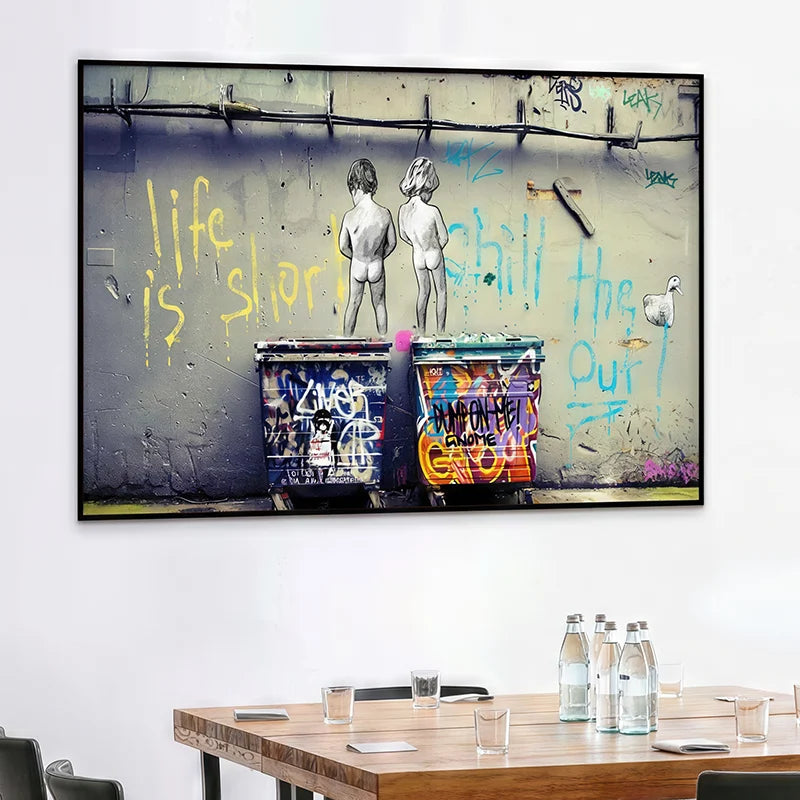
Banksy has become a global icon for urban art enthusiasts. His images often blend humor, poetry and social commentary. His officially undisclosed identity further enhances the mystery surrounding his work, but it is above all his visual language that continues to influence contemporary decor.
Wall art inspired by street art aesthetics can add contrast to an overly understated interior. On a white wall, a black-and-white composition creates a bold graphic atmosphere. With a touch of red, yellow or blue, it becomes more expressive and pairs easily with colorful cushions, a rug or a light fixture.
Basquiat, Keith Haring and Graphic Language
Jean-Michel Basquiat, Keith Haring and other artists from urban culture showed that words, symbols, silhouettes and colors could transform a wall into a visual story. Their creative worlds are particularly well suited to modern, industrial and creative interiors.
Their influence can now be seen in abstract wall art, bold color compositions, dancing silhouettes, and works that blend text, symbols, and popular references. These styles bring energy to your decor without necessarily featuring a specific character or scene.
Film, Comics, Manga, and TV Series
The worlds of film and television offer an almost endless source of inspiration: science fiction, superheroes, animation, adventure, horror, vintage cinema, or nostalgia for the 1980s and 1990s. Enthusiasts can choose a graphic poster, stylized portrait, symbolic composition, or illustration that evokes a particular world without overwhelming the room.
For fans of Japanese culture, wall art inspired by manga and anime naturally belongs in a bedroom, office, or game room. In a living room, a more graphic, monochrome, or artistic version helps maintain an elegant look.
When Street Art Meets Pop Culture
Street art and pop culture share the same passion for powerful imagery, instantly recognizable symbols, and visual reinterpretations. An urban artist may draw on the visual codes of a poster, comic book, logo, or iconic scene to give it a more contemporary perspective.
This combination works because it creates several layers of meaning:
- an image that is instantly recognizable;
- a graphic composition inspired by graffiti, stenciling, or collage;
- a contrast between nostalgia and modernity;
- a color palette that brings energy to the decor;
- a message or emotion that everyone can interpret in their own way.
The result can be highly colorful, but it can also remain minimalist. A black-and-white portrait in a black floating frame creates a gallery-inspired look. By contrast, a pop composition in primary colors becomes a statement piece in a bright living room. Discover more ideas in our article on street art wall art for original decor.
Which Style of Cinema and Pop Culture Wall Art Should You Choose?
The Movie Poster Style
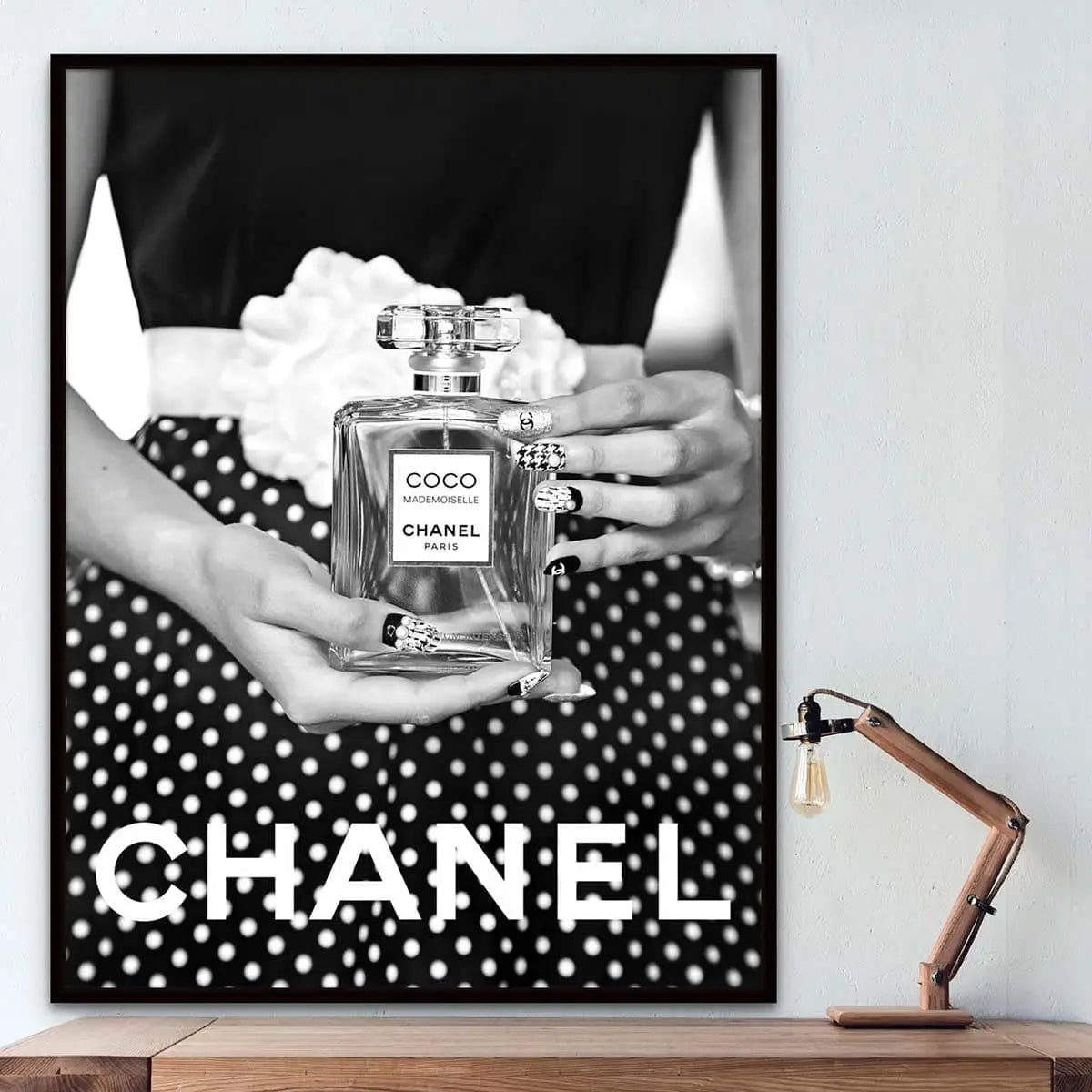
A movie poster is ideal for enthusiasts who want to showcase a title, mood, or era. Retro posters work beautifully in vintage decor, while a more minimalist composition blends seamlessly into a contemporary interior.
Pop Art and Vibrant Colors
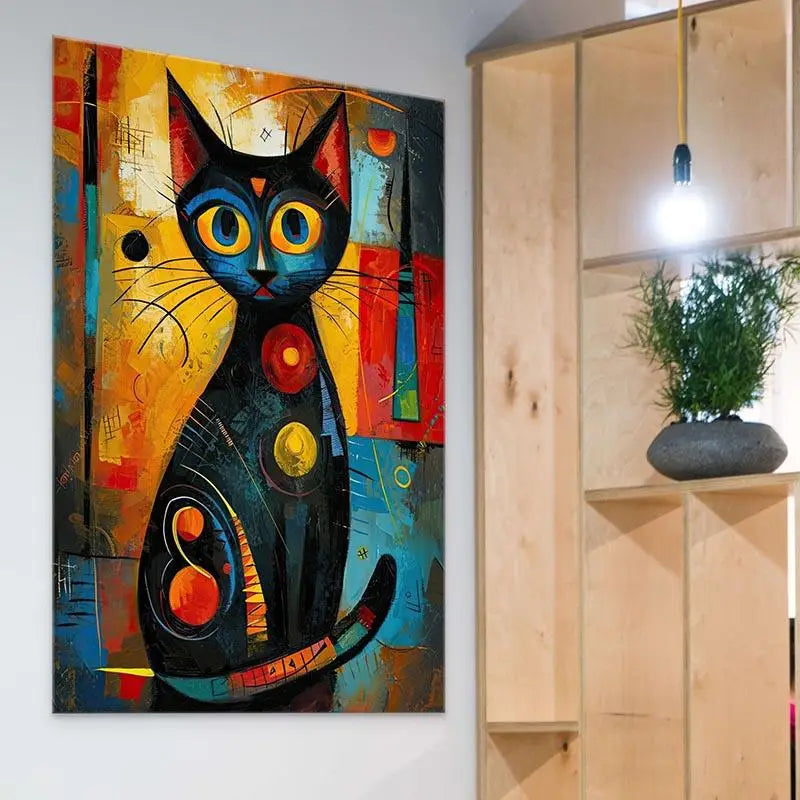
Pop art draws on contrasts, blocks of color, and references to popular culture. It is a great way to add energy to a white wall or brighten up neutral-toned furniture. To maintain visual harmony, echo one or two colors from the wall art in the room's accessories.
Street art and graffiti
Street art brings urban, spontaneous energy. Stencil effects, drips, collages and graphic textures add character to a loft, office or modern living room. Street art wall art can also create an interesting contrast in Scandinavian or minimalist decor.
Vintage nostalgia and the 1980s-1990s
Retro colors, typography inspired by vintage posters and references to video games, cassette tapes, TV series or classic cinema appeal to fans of nostalgic decor. To avoid an overly themed look, pair these images with contemporary materials such as light wood, black metal or linen.
Manga, anime, comics and video games
These themes are particularly well suited to a bedroom or dedicated leisure space. For a more sophisticated look, choose an illustration with a balanced composition, a limited color palette and understated framing. A large vertical piece can highlight a character, while a collection of smaller pieces lets you create a gallery wall that can evolve over time.
Personalized wall art inspired by your world
Pop culture wall decor can also be personalized with a photo, name, date or short phrase. The key is to keep it simple: one strong personal element, a cohesive color palette and easy-to-read typography. You can read our article on personalized wall art for unique decor.
Which size and medium should you choose?
The size should be chosen according to the wall, the furniture beneath it and the viewing distance. Wall art that is too small will lose its impact above a sofa; a piece that is too large can overwhelm a small room.
| Placement | Recommended size | Look |
|---|---|---|
| Office or small bedroom | 30 × 40 cm to 50 × 70 cm | Targeted decoration |
| Console table or low cabinet | 60 × 80 cm to 80 × 120 cm | Balanced focal point |
| Above a sofa | Horizontal or panoramic format | Strong visual presence |
| Gallery wall | Multiple coordinated sizes | Gallery effect |
The stretched canvas
Canvas creates a warm, artistic look. It is ideal for portraits, landscapes, cinema-inspired artwork and pop illustrations. Its texture slightly reduces glare and gives the image the presence of a gallery piece.
The unframed poster
The poster is lightweight, affordable and easy to replace. It can be placed in an existing frame or incorporated into a gallery wall. It is a practical solution for a bedroom, office or wall you want to refresh regularly.
The black or white floating frame
A black floating frame enhances contrast and suits street art, comics, and graphic movie imagery. A white floating frame creates a lighter feel and works well in bright rooms, with colorful posters, and in Scandinavian interiors.
Plexiglass
Plexiglass provides a bright, contemporary finish. It enhances intense colors, urban imagery, and graphic compositions particularly well. However, avoid placing it directly opposite a window or strong light source to minimize reflections.
How can you incorporate pop culture wall art into your décor?
To ensure movie-inspired wall art blends in naturally, start with the colors already present in the room. Consider the sofa, rug, curtains, lighting, and accessories. The wall art can echo an existing shade or create a deliberate contrast, but it should remain connected to the overall décor.
In a contemporary living room
On a white or beige wall, a large pop art, street art, or movie-inspired piece easily becomes the focal point. Keep the furniture relatively understated to give the artwork room to breathe. A solid-color sofa, a wooden coffee table, and a few black accessories are often enough to create a balanced interior.
In a bedroom or office
You can choose a more personal piece inspired by a character, franchise, or game. Vertical formats work well near a bookcase or desk. For a more relaxing atmosphere, choose a limited color palette and a less detailed subject.
With accessories
Accessories should complement the wall art without competing with it. Echo one of its colors in a cushion, vase, or lamp. Avoid using too many objects with exactly the same pattern: a subtle nod is often more elegant than perfectly coordinated décor.
Where should you hang your wall art, and how do you create a gallery wall?
Above a sofa or furniture
The bottom of the wall art can sit approximately 15 to 25 cm above the sofa or furniture. Adjust this distance based on the height of the furniture and the size of the artwork. The whole arrangement should feel like a single composition, rather than wall art hung too high on the wall.
At eye level
In a high-traffic area, position the center of the artwork at a comfortable height for most people. In a room where people are mainly seated, lower the arrangement slightly so it remains pleasant to view from the sofa or armchair.
Create a movie and pop culture gallery wall
A gallery wall can bring together several styles, provided you maintain a common thread. You can coordinate the pieces through color, frame type, size, or the period depicted. For example, a retro poster, a comic illustration, and a street art piece can work together if they share a similar color palette.
- Test the layout on the floor before hanging the wall art.
- Keep the spacing between frames consistent.
- Place the most striking artwork in the center or slightly above the main axis.
- Limit the number of dominant colors to maintain a clear visual balance.
- Leave some space around the arrangement to avoid a cluttered look.
Be mindful of copyright and movie images
Movie characters, posters, logos, celebrity photographs and illustrations published online may be protected by copyright, trademark law or image rights. An image found on Google or social media is not automatically free to use.
For personal decor, choose artwork whose use is clearly authorized, a photograph you took yourself or an original creation offered with the necessary rights. For commercial or advertising use, or for resale, an appropriate license is essential. Rules may vary depending on the country and the type of image: if in doubt, seek permission from the rights holder.
This precaution is especially important for well-known franchises such as superheroes, major science-fiction sagas, manga characters and cult movies. At Montableaudeco, the availability and use of certain images depend on the design and the applicable rights.
Movie and pop culture trends in 2026
In 2026, interior design makes more room for personality, nostalgia and objects that tell a story. Interiors are becoming less uniform, with warm materials, earthy colors and bolder accents paired with simple furniture and light-colored walls.
This shift is particularly suited to movie and pop culture wall art. Here are a few easy ideas to embrace:
- Retro reimagined: posters inspired by the 1980s and 1990s, with subtly weathered colors and understated frames.
- Graphic contrast: black, white, red, deep blue or yellow for artwork that instantly stands out.
- Mixing themes: movies, music, comics, manga and street art in a cohesive gallery wall.
- The statement piece: one large wall art piece that becomes the emotional focal point of the living room.
- Personalization: a creation connected to a memory, a city, a passion or a short phrase.
Do not follow a trend at the expense of your own style. Artwork you genuinely love will remain part of your decor far longer than an image chosen simply because it is fashionable.
Discover the worlds of Montableaudeco
To create wall decor that reflects your personality, explore a range of themes: movies and TV series, superheroes, manga and anime, science fiction, video games, music, pop art, street art and cultural icons. This diversity makes it easy to find artwork to suit every room and personal taste.
Available finishes may include an unframed poster, stretched canvas on a wooden frame, a black or white floating frame and a Plexiglass print. The choice depends on the look you want, the room's lighting and the wall space available.
To discover a selection of urban and graphic artworks, browse the street art wall art collection. If you would like a more personal creation, also explore our personalised wall art.
Mistakes to avoid with pop culture décor
- Displaying too many different references on the same wall.
- Choosing a size that is too small above a sofa or large piece of furniture.
- Forgetting to consider reflections when choosing a glossy finish.
- Mixing several frame styles without a common visual element.
- Using an image found online without checking its usage rights.
- Choosing highly colourful wall art without featuring at least one of its colours elsewhere in the room.
- Hanging the artwork too high for comfortable viewing from the sofa.
FAQ about cinema and pop culture wall art
Which pop culture wall art should you choose for a living room?
For a living room, choose a large horizontal format, a graphic poster or street art featuring colours from the furniture. One striking subject is often enough to create a focal point without overwhelming the room.
Does movie wall art suit modern décor?
Yes. Choose a clean composition, a limited colour palette and a black or white frame. A movie poster reimagined in a graphic style blends in more easily than a collection of merchandise.
How can you combine several pop culture wall art pieces?
Maintain a consistent theme: the same dominant colour, frame style, era or universe. Arrange the composition on the floor first and keep even spacing between the artworks.
Which material should you choose for colourful cinema artwork?
Stretched canvas offers a warm look, a floating frame adds structure to the display, an unframed poster remains lightweight and versatile, while Plexiglass enhances brightness and contrast. Consider reflections and the room's lighting.
Can you print any movie image?
No. Posters, characters, logos and photographs may be protected. Use an image you own the rights to or whose licence permits printing, especially for any commercial use or resale.