
Interior decor · Animal art
Lions, elephants, horses and birds are no longer reserved for picture books and curiosity cabinets. In interior decor, interiors, animals become graphic subjects capable of give a wall an instant identity. An animal wall art piece can add strength, a sense of escape or simply a warm presence to the room.
This trend is driven by the variety of available styles: portrait realistic, minimalist illustration, black-and-white silhouette, colorful wall art or an abstract interpretation. The goal is not to layer motifs, but to choose the animal and size that match your style. Here is how to create elegant, modern and versatile animal-themed decor that is elegant, modern and easy to update.

Why animals have become a must-have in interior decor
Animals have a visual power that is understood at a glance. A mane, a trunk, a silhouette in motion or colorful plumage immediately creates a focal point. This instant impact is ideal for wall decor: the wall art adds character to the wall while while remaining easy to appreciate from across the room.
Animal motifs can also bring a touch of nature into an urban interior. They evoke the savanna, the forest, the coast the seaside or wide-open spaces without turning the room into a themed setting. Depending on the chosen style, the result can be warm, sophisticated, playful or highly contemporary.

A universal theme, easy to personalize
Unlike a highly distinctive trend, animal art adapts to many decor styles. A lion portrait in sandy tones complements a chic ethnic atmosphere; a horse in motion suits an interior country or contemporary setting; a graphic elephant fits beautifully into a Zen room. Zen. Animal designs can therefore evolve with your interior without losing their appeal.
This versatility explains the popularity of animal wall art. The collection lets you compare subjects, colors, and sizes before choosing a piece that truly complements your wall.
The symbolism of the lion, elephant, and horse
Choosing an animal is often intuitive, but it can also convey a decorative intention. Symbolism is not a strict rule: it mainly serves as a starting point for finding an image that reflects who you are.
| Animal | Dominant impression | Suitable rooms |
|---|---|---|
| Lion | Strength, confidence, and a majestic presence. | Living room, entryway, office. |
| Elephant | Wisdom, calm, and a spirit of adventure. | Living room, bedroom, relaxation area. |
| Horse | Freedom, movement, and energy. | Office, hallway, living room. |
| Bird | Lightness, escape, and poetry. | Bedroom, library, entryway. |
The lion: décor full of character
A lion wall art piece naturally draws the eye. In a realistic style, it highlights the power of its gaze and the richness of its mane. In a colorful or graphic style, it becomes a bolder piece, perfect for bringing a neutral wall. To keep it from feeling too imposing, pair it with light wood, beige, matte black, or a few natural materials.
The elephant: a gentle, timeless presence
The elephant is prized for its recognizable silhouette and serene expression. peaceful. A portrait in natural tones adds softness, while an abstract, colorful design brings more energy to the room. It easily finds its place in a travel-inspired interior, a bohemian or Zen décor.

The horse: movement and a sense of escape
The horse evokes freedom and movement. A photograph or an An illustration of a galloping horse energizes a space; a A vintage or monochrome design creates a more refined atmosphere. Discover, for example, this retro horse wall art for décor that blends character and nostalgia.
Animal wall art styles and trends
There is no single style of animal art. The style completely transforms the how the subject is perceived. Before considering size, ask yourself what atmosphere you want to create and which colors are already present in the room.
- Realistic: ideal for appreciating the details of fur, eyes and light.
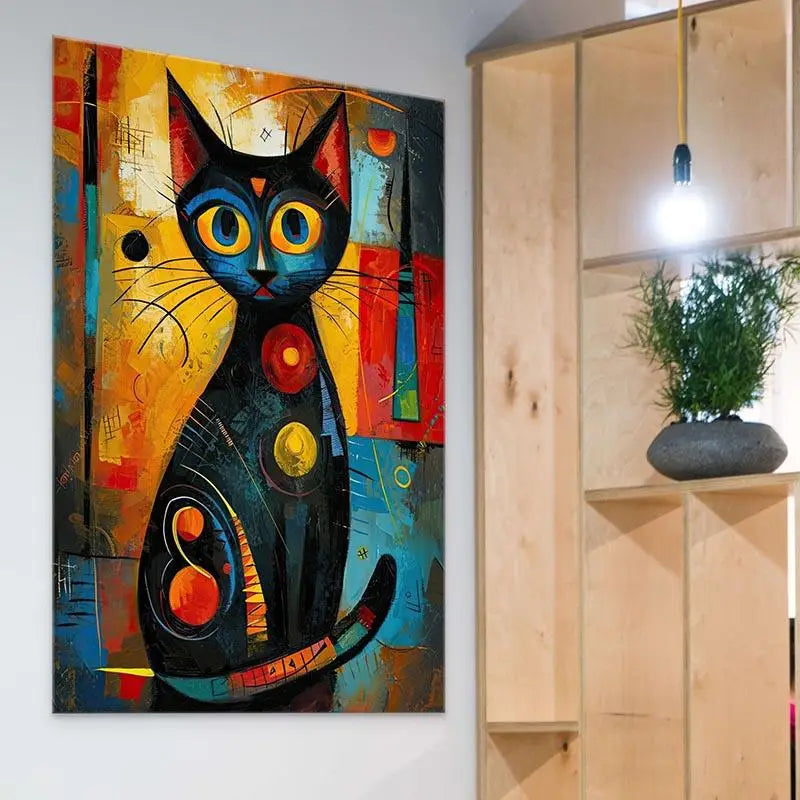
- Abstract and colorful: perfect for adding energy to a modern interior.
- Minimalist: ideal for uncluttered walls and small arrangements.
- Vintage: works well with wood, leather and characterful furniture.
- Black and white: a timeless option that blends easily with existing colors.
You can mix several styles, provided you maintain a common theme: the same color palette, frame style or subject. A gallery wall featuring three brightly colored animals in different sizes can quickly look cluttered if there is nothing to tie the images together.

Choosing an animal for each room
In the living room: create a focal point
The living room can accommodate generous sizes and expressive portraits. Hang the wall art above the sofa or a sideboard, or on the most open wall. A lion or tiger suits a bold interior, while an elephant or an animal landscape brings a greater sense of serenity. Leave a few inches of breathing room and avoid adding too many objects to the same wall.
In the bedroom: choose a soothing image
In a bedroom, soft tones and uncluttered compositions are generally easier to live with. An elephant, a bird or an animal in a landscape can complement natural decor. Choose indirect lighting and avoid placing the wall art opposite a light source that could cause distracting glare.
In a child's bedroom: spark the imagination
Colorful animals, fun illustrations and accessible sizes work well in a child's bedroom. Choose an image that can remain relevant as the child grows: a stylized jungle or a graphic animal artwork will adapt more easily than an overly childish design.
In an office or entryway: create a sense of momentum
A horse in motion, an eagle or a lion can enhance an energetic atmosphere energy to an office. In an entryway, an animal portrait creates a striking impression from the moment you step inside. A vertical format often suits narrow walls, while a panoramic format complements a long piece of furniture.
Sizes, materials and placement
Successful wall art depends as much on its proportions as on its illustration. Measure the width of the wall and the available space above the furniture before ordering. Above a sofa, the artwork can span approximately two-thirds of the furniture's width to maintain visual balance. For a gallery wall, outline it with masking tape before drilling.
Which material should you choose?
- Frameless poster: a lightweight, flexible option if you want to choose the frame yourself.
- Stretched canvas on wooden frame: a warm, ready-to-hang finish with no additional frame required.
- Black or white floating frame: a more structured finish that highlights the image as in a gallery.
- Plexiglass: a glossy, contemporary surface; check the lighting to minimize reflections.
Availability varies depending on the design. Always consult the product to check the dimensions, material, mounting system and the care instructions. A print can create the illusion of texture to the eye without having a raised texture to the touch.

Personalization and responsible choices
Personalization allows you to go beyond standard animal motifs. A portrait of your dog, cat or family horse can become decor filled with memories. To achieve a harmonious result, choose a sharp, well-lit, sufficiently large photo. Leave enough margin around the subject so that the framing does not crop the ears, paws or another important element.
When it comes to production, find out about the material, print quality, the origin of the materials and the product's lifespan. Lasting decor A lasting piece is also one you will enjoy keeping: it is better to select wall art that suits your interior rather than a design chosen solely because it follows a passing trend.
For a decorative reproduction inspired by an animal or a well-known artwork, also check the product description. A wall print is not an original painting and should not be presented as such. This transparency helps you confidently choose the right material and budget.

Mistakes to avoid for successful animal-inspired decor
Animal motifs capture attention: that is their main strength, but also the key point to watch. Harmonious decor gives each element room to breathe.
- Overcrowding the wall: start with one statement piece, then add only a few complementary accents.
- Mixing too many color palettes: echo one or two colors from the wall art in textiles or accessories.
- Ignoring proportions: a small piece gets lost above a large sofa, while XXL wall art can overwhelm a narrow room.
- Hanging the artwork too high: center it in relation to the furniture and eye level.
- Overlooking reflections: observe the wall at different times of day before choosing a glossy finish.
Your daily life is the best guide. If you genuinely love the subject, if you like the colors and the size suits the wall, the wall art will remain appealing far longer than a decor trend.
Give your walls real personality
A majestic lion, peaceful elephant, horse in motion, or personalized: browse our selection and compare the styles, sizes and available materials to create decor that truly reflects your style.
Frequently asked questions about animal-themed decor
Which animal should you choose to decorate a living room?
The lion suits a bold atmosphere, the elephant a gentler setting and the horse for dynamic decor. Above all, choose a subject whose colors complement the sofa, rug, and furniture.
How can you incorporate animal wall art without overwhelming the room?
Make the wall art the focal point of the wall, then limit accessories to two or three matching colors or materials. Leave some empty space around the artwork to maintain a clean look.
What style of animal wall art should you choose for a modern interior?
A graphic portrait, an abstract interpretation, or a black-and- white blends easily into modern decor. The colors of the wall art should nevertheless complement those already present in the room.
What is the difference between a canvas, a poster, and an acrylic glass print?
The poster is lightweight and lets you choose the frame; the stretched canvas has a frame and a warm look; the acrylic glass print offers a glossy surface and contemporary. The floating frame adds a structured finish around of the canvas.
Can you create wall art from a photo of your pet?
Yes, if the customization service offers it. Use a sharp photo, well-lit and high-resolution, then check the cropping, size and the terms indicated before ordering.