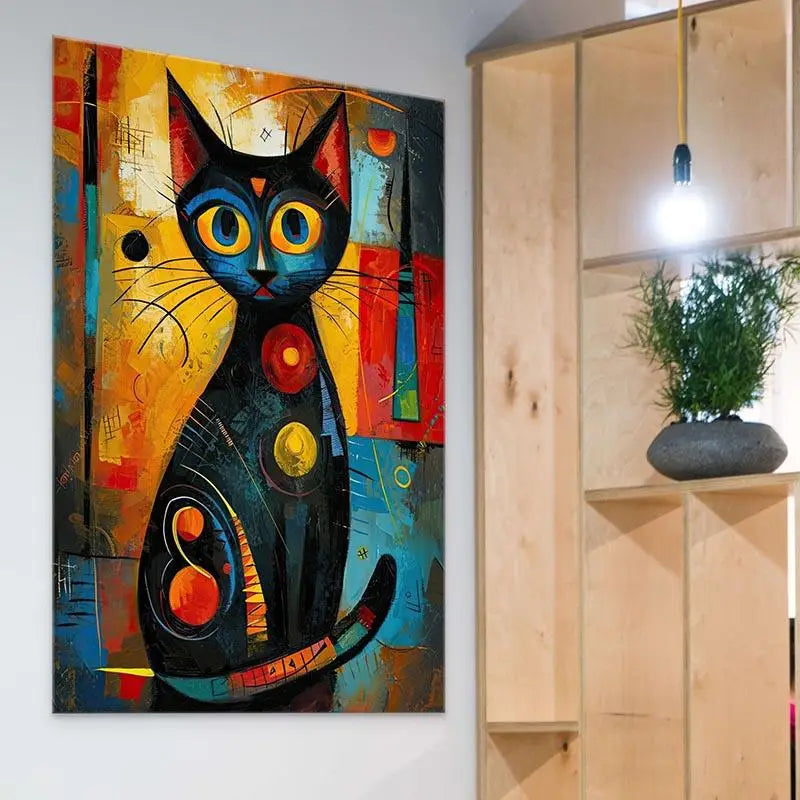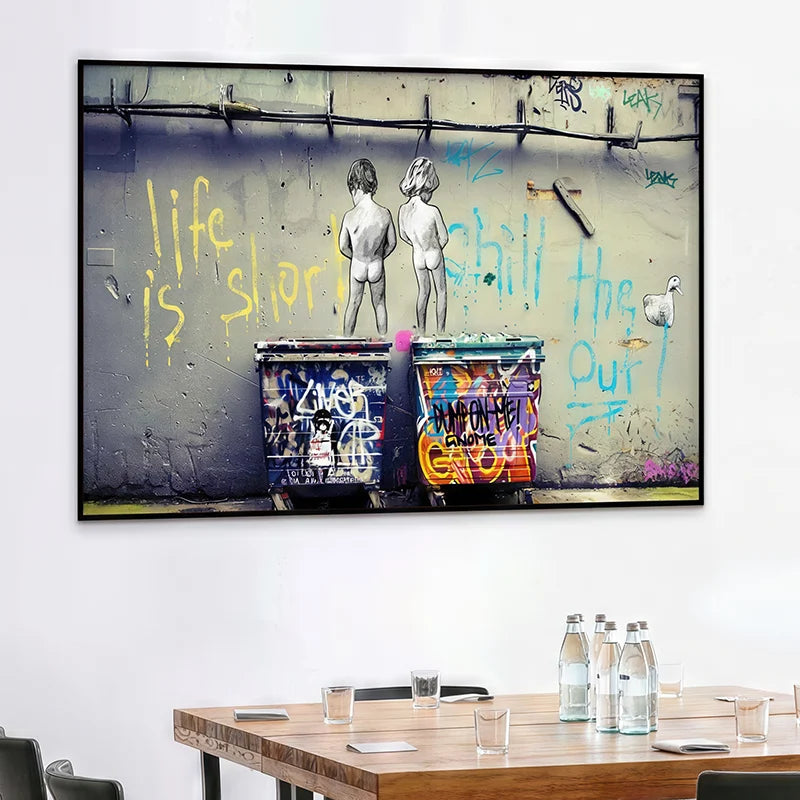

Décor tips · Framing and wall décor
Framing wall art is about more than simply adding a border around an image. The frame protects the artwork, draws the eye, and helps it find its place in your décor. The right frame can transform a poster, photograph, or canvas into a true focal point.
The choice depends on the material, the style of the artwork, the size of the wall, and the desired finish. Classic frame, floater frame, floating frame, or unframed display: this guide takes you from measuring to hanging, with simple tips to make your project a success.

Why frame wall art?
The primary purpose of framing is to create separation between the artwork and its surroundings. For a poster or drawing on paper, a glazed frame can help protect it from dust. A mat also creates space between the paper and the glass, preventing the image from sticking directly to the glazing.
The frame also influences how the artwork is perceived. Ornate moulding creates a classic look; a slim black frame adds structure to graphic art; a floating frame highlights a modern canvas. The aim is to enhance the composition, not compete with it.

The different types of frames for wall art
| Frame type | Finish | Recommended material |
|---|---|---|
| Classic frame | Traditional, warm, or sophisticated, depending on the moulding. | Poster, photograph, drawing, and works on paper. |
| Floater frame | Gallery effect with visual space around the canvas. | Stretched canvas and canvas-covered stretcher frame. |
| Floating frame | The canvas appears to float slightly within the frame. | Modern stretched canvas wall art, with a black or white finish. |
| Unframed | Clean, contemporary look. | Stretched canvas or poster intended to be framed later. |
Classic frame, floater frame, or floating frame
A classic frame suits timeless interiors and artworks that call for a subtle border around the image. A floater frame leaves a slight gap between the canvas and the frame, creating elegant depth without adding glass. The floating frame follows the same principle with a highly graphic finish, often chosen for modern wall art and large-format pieces.

How to choose the ideal frame for your wall art
Start by looking closely at the artwork. A highly colorful image will often feel more balanced with a subtle finish, while monochrome wall art can accommodate a touch of wood, gold, or a more substantial molding. The frame should enhance the image's intent without imposing a new style.
The four criteria to compare
- Style: modern, vintage, classic, industrial, or minimalist.
- Color: tone-on-tone for subtlety, or contrast to draw the eye.
- Material: wood for warmth, metal for sleekness, or a lacquered finish for a contemporary touch.
- Proportion: a frame molding that is too wide can make the image appear smaller; a finish that is too slim can get lost on a large wall.
Consider the room and furniture. Above a wooden sideboard, a natural finish creates a cohesive look. In a very colorful living room, a black or white frame can bring balance to the composition. For urban decor, street art wall art often works well with a simple frame that lets the contrasts stand out.

Measuring and preparing your wall art before framing
Measure the width and height of the area to be framed without rounding the figures. For a canvas, measure the stretcher frame; for a poster, measure the paper and account for any matting. The stated dimensions of a frame generally refer to its inner dimensions or the intended image size: check this before purchasing.
Next, place the artwork on a clean, flat surface. Check that it is straight, dust it with a very soft brush and inspect the condition of the corners. Do not fold a poster to make it fit inside a frame. If it is rolled, allow it to flatten gradually under a light, clean weight without putting undue pressure on the paper.

How to frame wall art yourself: materials and steps
A small paper artwork can be framed at home using a correctly sized frame, a mat, a lint-free cloth and suitable hanging hardware. For fragile or highly valuable artwork, it is best to seek advice from a professional framer: the choice of glazing, adhesive and tensioning system can affect its preservation.
Recommended materials
- a frame with internal dimensions that match the artwork;
- an acid-free mat for paper-based artwork, if necessary;
- mounting corners or conservation tape, rather than ordinary adhesive applied directly to the image;
- a soft cloth, a ruler and a level;
- hanging hardware and a wall fixing suitable for the final weight.
Essential steps
- Clean the frame backing and glazing with suitable products, then dry them completely.
- Position the mat and the artwork without compressing it or attaching anything directly to its surface.
- Close the frame and check that nothing moves when you lift it carefully.
- Secure the fittings to the back, then test their strength over a low surface before hanging.

Special case: framing a canvas or using frame mouldings
How to frame a stretched canvas
A stretched canvas generally does not need glass. Glazing can alter the appearance of the surface and create reflections. A floater frame or floating frame allows the canvas to breathe and highlights its depth. Use the fittings designed for the stretcher frame and check the alignment on all four sides.

Custom frame mouldings
Frame mouldings can be used to create a frame to the exact dimensions required. They must be cut precisely, joined at right angles, and reinforced at the back. This option is suitable for well-equipped DIY enthusiasts, but a misaligned cut is immediately noticeable on a large piece. For delicate artwork, choose a pre-assembled frame or professional framing.
Coordinate the frame with your wall decor
A frame should not be chosen in isolation. Consider the colors of the wall, floor, sofa, and other objects visible around the artwork. In a modern interior, a black or white finish creates a clean look. Wood adds warmth to a neutral room and pairs beautifully with natural materials. A touch of gold can work in classic decor, provided it complements the other metallic details.
For a gallery wall, repeat at least one element: the same frame color, the same spacing between artworks, or a shared palette. If you love contemporary lines, modern wall art with sleek frames makes it easy to create a cohesive display.

How to hang and care for framed wall art
Mounting hardware suited to the weight
Choose the hanging system based on the weight of the wall art and the type of wall. For a large piece, two mounting points distribute the load more evenly and reduce the risk of tipping. Use wall plugs suited to the surface (plasterboard, brick, or concrete) and check that the artwork is level before removing the protective coverings.
Center the artwork above the furniture below and leave enough visual space around it. Before drilling, outline the frame with masking tape: this step lets you check the height and proportions without damaging the wall.
Clean without damaging the artwork
- dust the frame with a clean, dry microfiber cloth;
- never spray any product directly onto the canvas or poster;
- for glass or acrylic glass, use a cleaner suitable for the surface and a non-abrasive cloth;
- avoid prolonged humidity and direct sunlight, which can affect certain materials and colors.

Framing mistakes to avoid
- Choosing the frame before measuring: the internal dimensions must match the artwork.
- Attaching the image with ordinary adhesive: it can leave marks or cause tension; use archival-quality mounting accessories.
- Putting a canvas under glass unnecessarily: reflections can detract from its appearance, and the canvas needs to breathe.
- Overlooking the weight: inadequate fixings can damage both the wall and the wall art.
- Hanging it too high: check the sightline and alignment with the furniture.
- Cleaning with a harsh product: always test the product on a small, hidden area of the frame.
Wall art ready to complement your décor
If you prefer to avoid custom framing, compare the finishes available from Montableaudeco: unframed poster, stretched canvas, black or white floating frame, and acrylic glass print. Choose the finish that suits your wall and the atmosphere you want to create.
FAQ: frequently asked questions about framing
How do you choose the right frame size for wall art?
Measure the width and height of the artwork, then check that they match the frame's internal dimensions. For a poster with a mat, take both the visible opening and the outer dimensions into account.
Should a canvas be framed under glass?
In general, a stretched canvas is displayed without glass. A floater frame or floating frame protects the edges while preserving the natural appearance of the surface.
Which frame should you choose for a poster?
A traditional frame with glazing and, if necessary, a mat works well for a poster. The mat prevents the paper from touching the glass directly and adds depth to the display.
Can you frame wall art yourself?
Yes, for a small piece in good condition, with a suitable frame and appropriate mounting accessories. For fragile, antique, or highly valuable artwork, seek advice from a professional framer.
How do you hang heavy wall art?
Choose wall plugs suited to the type of wall and a hanging system capable of supporting the final weight. Two fixing points are often preferable for large-format pieces. If in doubt, have the wall checked before drilling.