
Acrylic painting · Art and wall decor
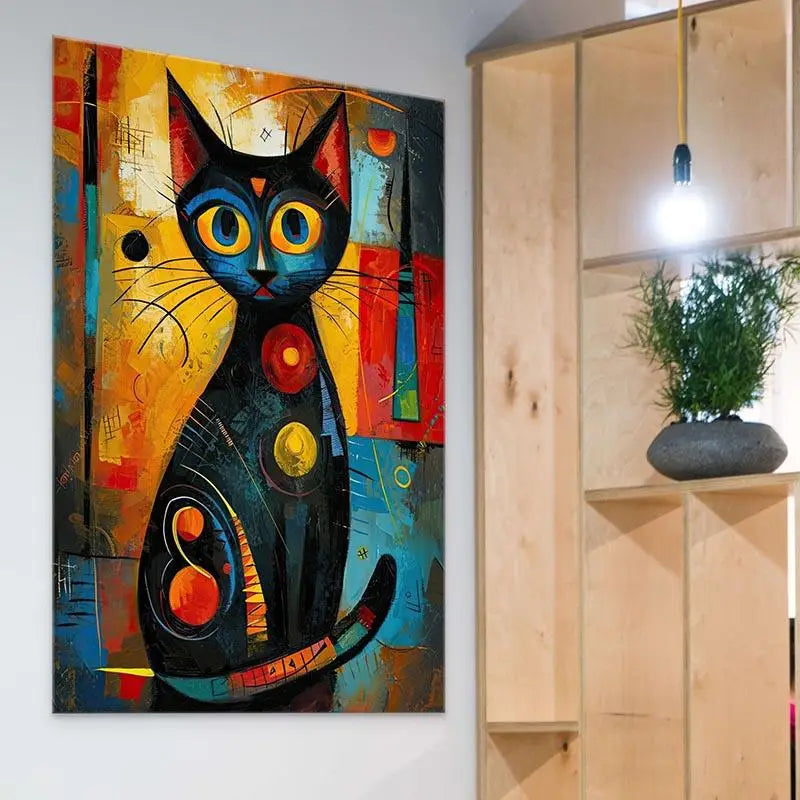
Creating abstract acrylic wall art is an easy way to explore colors, shapes and textures without having to depict a specific subject. Acrylic paint is particularly well suited to this approach: it is water-based, dries quickly and works equally well for thin layers and more generous impasto.
You can create an intuitive piece inspired by an emotion, a landscape, music or a color palette found in your interior. This guide takes you from choosing your materials to adding the finishing touches, then helps you incorporate your creation into modern decor.

What materials do you need for acrylic painting?
Acrylic painting is accessible, but the quality of the materials affects your comfort while working and the consistency of the result. If you are just starting out, there is no need to buy every available product: a few versatile tools are enough to experiment with different techniques.
| Materials | Purpose | Selection advice |
|---|---|---|
| Canvas or panel | Material for the composition. | A pre-stretched canvas is practical for beginners; a rigid panel is suitable for thick textures. |
| Acrylic paints | Colors, backgrounds and layers. | Start with three colors, white and a dark shade for mixing. |
| Brushes | Backgrounds, lines, details and blocks of color. | Use a large brush, a medium flat brush and a fine brush. |
| Spatula or palette knife | Impasto, marks and textures. | A flexible palette knife allows you to apply and then remove material. |
| Palette and water | Mixing, thinning and cleaning. | Keep one container for clean water and another for rinsing brushes. |
Add a drop cloth or kraft paper, a cloth, a pencil, painter's tape and an apron. If you mix acrylic paint with sand, fabric or another material, use a compatible medium and make sure the finished surface can be properly protected.
Finding inspiration and building your palette
Abstraction does not mean painting at random. You can start with a simple question: what feeling do you want to create? A midnight blue and beige palette evokes calm; terracotta and ochre warm up a room; contrasts of blue, red and black add more energy.
Observe your surroundings
Photograph a building façade, landscape, fabric, or an interesting shadow. Identify the dominant shapes and reduce them to a few lines or blocks of color. You can also draw inspiration from an existing artwork to understand its composition, without copying it or presenting it as your own original creation.
Working with a limited palette
Three to five main colors are often enough. Prepare several mixes on the palette before touching the canvas. Add white to lighten colors and a dark shade to create depth. A limited palette prevents muddy mixes and gives the artwork greater cohesion.

Acrylic abstract painting techniques
The base layer
Begin with a flat wash or a subtle gradient. This first layer can remain visible in places and set the overall tone of the composition. Allow it to dry thoroughly before adding elements that need to stay crisp.
Layering
Build up successive layers to create depth and variations in transparency. Acrylic paint dries quickly, but drying time depends on thickness, temperature, and humidity. Work in sections and wait for each layer to dry if you want to preserve crisp edges.
Impasto and palette knife techniques
Place a small amount of paint on the surface with a palette knife, then drag it in one direction. This creates ridges, marks, and variations in texture. Impasto is particularly striking when lit from the side, so use it to guide the eye rather than covering the entire surface without purpose.
Glazing and transparency
A glaze is a thin, transparent layer that alters the color beneath it. Thin the paint with a suitable medium rather than too much water, especially if you want an even finish. Always test the transparency on a piece of cardboard before applying it to the artwork.
Scraping and mixed media techniques
While the paint is still workable, lightly scrape an area with the edge of a card or the back of a knife to reveal the underlying layers. You can also incorporate pencil, ink, or paper, provided you check that the materials are compatible and apply a suitable protective finish. Loose materials that may come away should not be used on artwork intended to be handled or hung without an appropriate finish.
Create Your Own Abstract Acrylic Wall Art Step by Step
- Protect your workspace: cover the table and floor, lay the canvas flat or place it on a stable easel, then prepare your tools.
- Define your vision: choose an emotion, movement, or color palette before you begin. A few words written on a sheet of paper can serve as a guiding theme.
- Apply the background: use a wide brush or roller to apply a thin layer. Do not focus on details yet.
- Build the main shapes: position the principal forms and leave areas of open space. Step back regularly to check the overall balance.
- Add contrast: layer colors, lines, and textures using a palette knife or a different brush. Vary your strokes to avoid a uniform surface.
- Create a focal point: emphasize one area with tonal contrast, an accent color, or a more pronounced texture. Not everything should have the same intensity.
- Take a break: let it dry, step away from the canvas, and view it from several angles before deciding on the finishing touches.
If you are unhappy with an area, paint over it rather than making repeated corrections while the paint is wet. A dry layer can become the starting point for a new shape. Abstract art offers great freedom: aim for a balanced composition, not mechanical perfection.
Drying, Protecting, and Evaluating Your Artwork
Place the canvas flat or upright in a clean area, away from dust and direct sunlight, until completely dry. Paint that feels dry to the touch may still be soft beneath a thick layer. Avoid wrapping or varnishing it too soon.
Once the paint has fully set, check the edges, canvas tension, and color balance. If you use a varnish or fixative, choose an acrylic-compatible product, follow the instructions, and test it first. Varnish is not essential for every piece, but it can make maintenance easier when applied correctly.
How to Incorporate Abstract Wall Art into Your Decor
The chosen wall should give the artwork room to breathe. Above a sofa or sideboard, center the wall art in relation to the furniture and leave space around it. In a bedroom or office, a more understated format can complement a soft color palette. Natural light brings out subtle shades, but avoid direct exposure and reflections if the surface is glossy.
You can echo one of the artwork's colors in a cushion, rug, or ceramic piece. You do not need to match every element: well-balanced contrast often adds more depth. For inspiration and to compare sizes, browse our selection of abstract wall art and modern wall art.
Mistakes to avoid
- Using too many colors: limit your palette and add accents gradually.
- Working without taking breaks: step back often to assess the overall balance.
- Applying thick texture everywhere: alternate textured areas with calmer sections.
- Over-thinning the paint: too much water can make the layer uneven and reduce coverage.
- Varnishing too soon: wait until the paint is completely dry and test the product on an inconspicuous area.
- Choosing the wrong size: measure the wall and furniture before deciding where to hang your artwork.
Create or choose abstract art
Acrylic painting allows you to create personalized decor, but you can also draw inspiration from ready-to-hang artwork. Explore our abstract wall art to compare the available colors, sizes, and materials.
Frequently asked questions about abstract acrylic wall art
Which canvas should you choose when starting with acrylic painting?
A pre-stretched canvas is the easiest option. Choose a size that gives you enough room to experiment with brushstrokes without being too large for your workspace.
How many colors should you use in abstract wall art?
Start with three to five main colors, then add white and a dark shade if desired. A limited palette makes mixing easier and creates a more cohesive composition.
How do you create texture with acrylic paint?
Use a spatula, palette knife, or dry brush to apply and spread the material. You can also use a texture medium compatible with acrylic paint, following its instructions and ensuring it suits your chosen surface.
How long should you let an acrylic painting dry?
Thin layers dry quickly, while thick impasto takes longer. Wait until the surface is completely dry and hard before packing, varnishing, or hanging the canvas.
Can you create abstract acrylic wall art on wood?
Yes, provided you use a clean, stable, and properly prepared panel. A suitable primer improves adhesion and helps prevent uneven paint absorption.