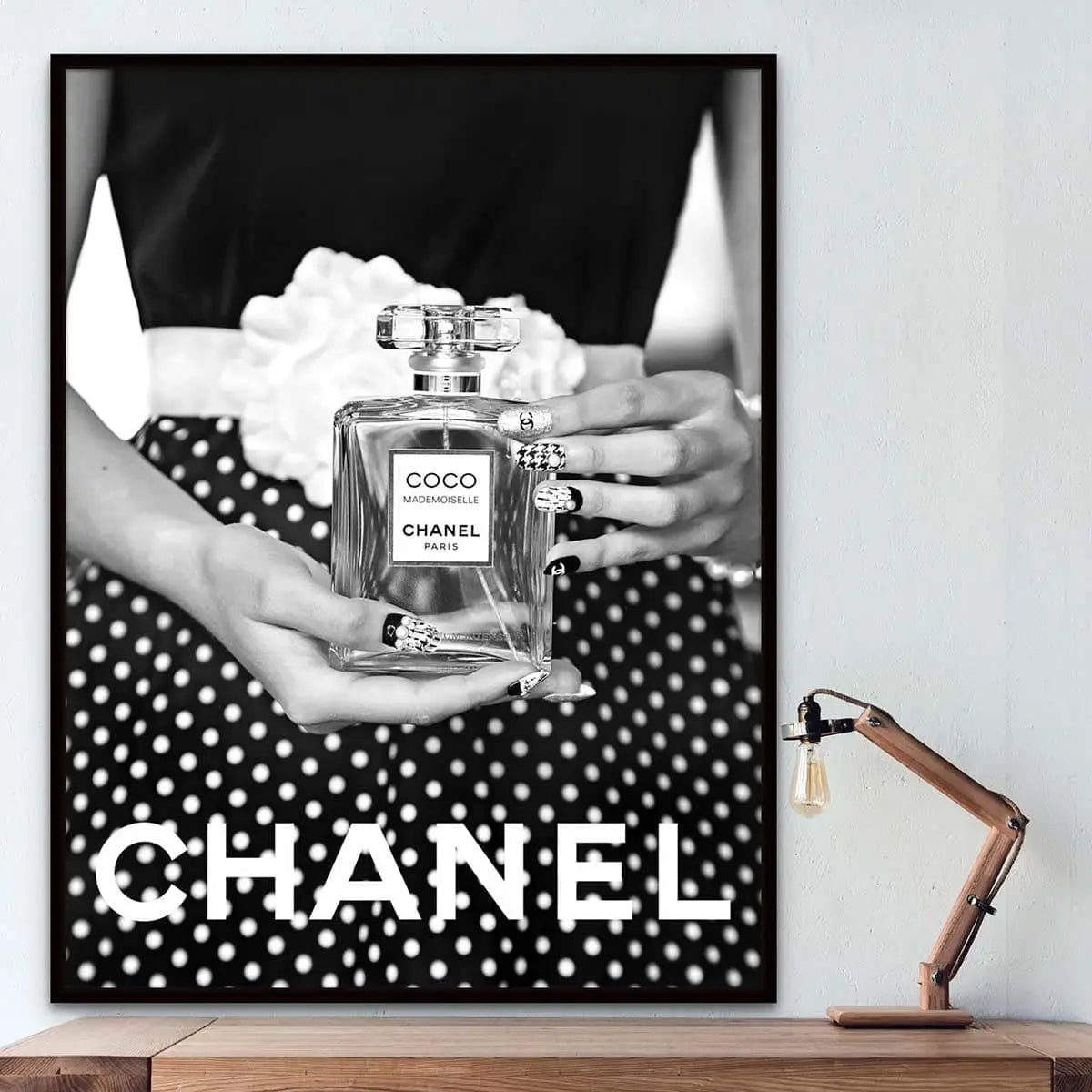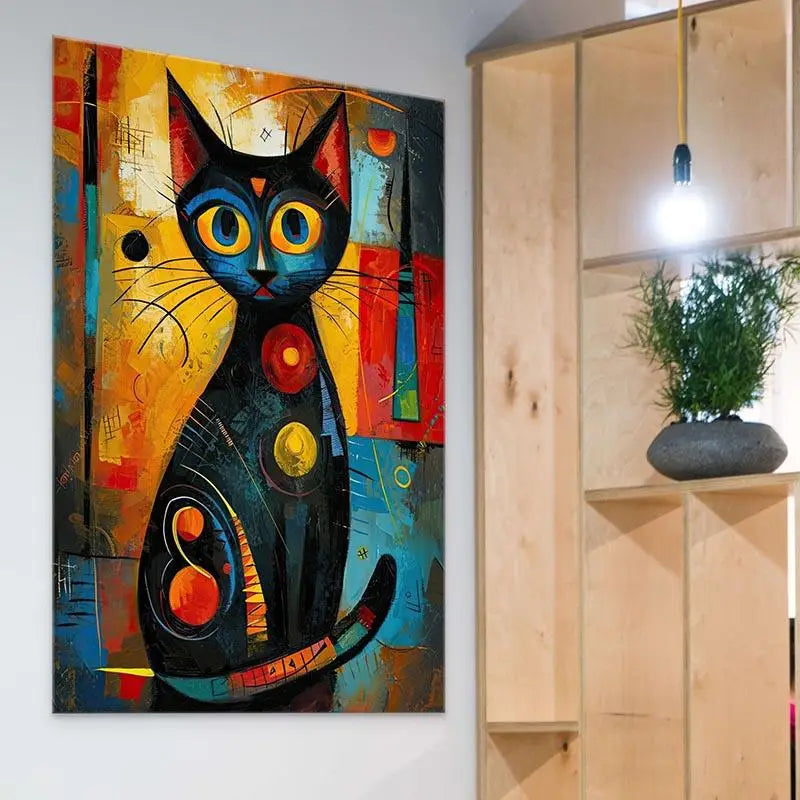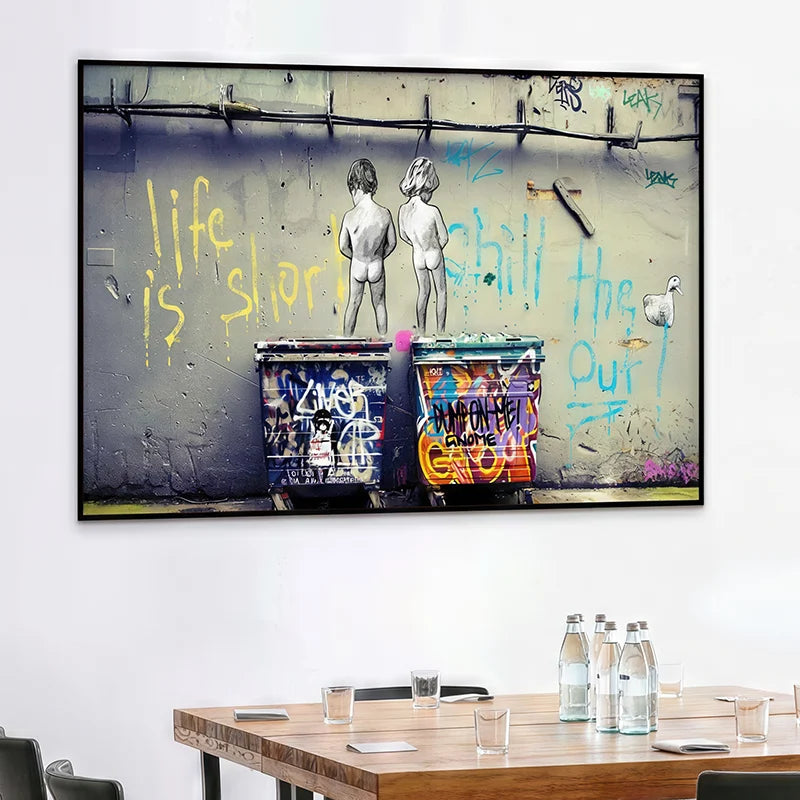

Wall decor · Wall art arrangement
Displaying three wall art pieces on a wall creates a striking decorative arrangement without overwhelming the room. The challenge lies not in the number of frames, but in balancing their sizes, spacing, colors, and the surrounding furniture.
Straight line, triptych, triangle, or L-shaped arrangement: each layout creates a different effect. In this guide, you will find a simple method for preparing your wall, testing layouts with painter's tape, measuring the hanging points, and choosing the most harmonious arrangement.

Why display three wall art pieces together?
Three wall art pieces create a strong enough focal point while remaining easy to balance. The arrangement can emphasize the width of a sofa, follow a staircase, or add rhythm to a long hallway. It can also tell a story through three images connected by a theme, color palette, or matching frame style.
The arrangement should be considered as a single visual shape. Although each wall art piece remains independent, the eye first perceives the overall width and center of the arrangement. This is why alignment, negative space, and the relationship with the furniture are just as important as the artworks themselves.

Prepare the wall and choose the wall art
Start by identifying the wall that should draw the eye: above a sofa, sideboard, or console table, or in a hallway. Check the light at different times of day and note any switches, outlets, doors, or radiators that could interfere with the arrangement.
Next, choose what will connect the three artworks. This could be the same color palette, a shared theme, the same medium, or a deliberate contrast. The three wall art pieces do not need to be exactly alike, but a recurring element should tie the arrangement together.
- Coordinated triptych: three images in the same size and style.
- Eclectic arrangement: three different artworks unified by a shared color palette.
- Graphic wall: matching frames, varied images, and highly precise alignment.
- Expressive decor: different sizes, with one larger statement piece.

Alignment and spacing guidelines
The most important rule is to choose a reference line. You can align the top edges, centers, or bottom edges. Center alignment works well with different sizes; top alignment creates a more architectural look; bottom alignment pairs naturally with low furniture.
How much space should you leave between three wall art pieces?
For similar sizes, generally leave 8 to 12 cm between the frames. Reduce the gap slightly if the wall is small or the wall art pieces are small. Increase it for very large artworks, while keeping them close enough for the arrangement to read as a group.
How high should you hang the arrangement?
If there is no furniture underneath, position the center of the arrangement at around eye level, often between 145 and 155 cm from the floor. Above a sofa or sideboard, leave an even gap between the furniture and the bottom of the frames, then center the entire arrangement according to its width. Use the complete arrangement as your reference point, rather than the central piece on its own.

4 layout ideas for three wall art pieces
| Layout | Resulting effect | Recommended location |
|---|---|---|
| Horizontal line | Visually widens the wall and creates a calm flow. | Above a sofa, sideboard, or TV stand. |
| Vertical line | Emphasizes height and complements a narrow space. | Hallway, staircase, or tall wall. |
| Triptych | Connects three images into a single decorative artwork. | Large open wall and low furniture. |
| Triangle or L | Adds movement and a more personal touch. | Wall corner, office, or asymmetrical arrangement. |
1. In a straight horizontal line
This is the simplest layout for three wall art pieces of the same size. Draw a reference line, mark the centers or top edges, then leave the same amount of space between each frame. This arrangement follows the width of a piece of furniture and works particularly well in a living room.

2. In a vertical line
A vertical arrangement works well on narrow walls and in passageways. It draws the eye upward and can follow the line of a staircase. In this case, keep the spacing between the frames consistent and make sure the arrangement does not obstruct movement.
3. As a triptych
A triptych consists of three wall art pieces designed as a set. They may show one image divided into three parts or three visuals linked by the same subject. To preserve a cohesive look, use identical sizes, matching frames, and even spacing. A triptych is ideal for a wide wall above a sofa or headboard.

4. In a triangle or L shape
For a more dynamic effect, place the main wall art piece in the center or lower down, then balance the other two on either side. An L-shaped arrangement works well around wall corners and extends the décor around a piece of furniture. Even with different sizes, maintain a consistent color palette or frame style so the wall does not look disjointed.
Measure, test, and hang with confidence
Create templates before drilling
Cut three rectangles from kraft paper or lightweight cardboard to the exact dimensions of the wall art pieces. Secure them temporarily with painter's tape, then step back a few meters. This step lets you test the width of the grouping, the spacing between the frames, and the height without making unnecessary holes.

Calculate the total width
Add together the widths of the three wall art pieces and the two gaps between them. Example: three 40 cm frames with two 10 cm gaps create a 140 cm-wide arrangement. Center the overall width in relation to the furniture or wall, rather than centering only the middle piece.
Mark the mounting points
- mark the center or edges of each template;
- measure the distance between the top of the wall art and its hanger;
- transfer this measurement to the wall;
- use a level to check the alignment before securing it.
Choose hooks and wall plugs suited to the weight of each piece and the type of wall. For a large format or heavy piece, reinforced mounting is preferable. Adhesive strips are not suitable for every wall or weight: always check the manufacturer's guidelines before using them to hang an entire arrangement.
Tailoring the arrangement to each room
Above a sofa, opt for a horizontal arrangement or a triptych measuring about two-thirds the width of the furniture. In a hallway, a vertical arrangement or a narrow series better complements the flow of movement. In a bedroom, images in soft colors with even spacing create a calmer look.
An office can accommodate an asymmetrical arrangement, especially if the three pieces tell a story or share the same color palette. For a more contemporary look, pair an arrangement of modern wall art with clean-lined furniture. Urban art enthusiasts can also create a dynamic gallery wall with street art wall art.

Colors, frames, and lighting: expert tips
To tie three different pieces together, repeat a dominant color in the cushions, rug, or a decorative object. You can also choose matching frames for different artworks. Conversely, different frames can work if the images share a theme and a clearly defined color palette.
The light should reveal details without creating distracting reflections. Aim soft lighting toward the wall and, whenever possible, keep prints out of direct sunlight. Glossy finishes require particular attention to the angle of the light source.

To continue your search, discover our abstract wall art. Its shapes and colors let you create a gallery wall without relying on a single figurative subject.
Mistakes to avoid
- Spacing them randomly: uneven gaps create a sense of disorder.
- Aligning only the central piece: center the entire composition in relation to the wall or furniture.
- Choosing pieces that are too small: three small artworks can get lost on a large wall.
- Mixing too many styles: maintain a common thread between the images and frames.
- Hanging wall art too high: check the height from the position where it will actually be viewed.
- Overlooking weight and lighting: use suitable fixings and check for reflections.
Before drilling, take a photo of your wall with the templates in place. View it on your phone: the composition may look more crowded or unbalanced in a photo than it does when viewed directly on the wall. This final check can save you from making changes after installation.
Create a composition that reflects your style
Choose three wall art pieces connected by a color, theme, or finish, then test their arrangement before hanging them. Explore our range of sizes and materials in the modern wall art collection to create a harmonious display.
FAQ: How to arrange three wall art pieces on a wall
How much space should you leave between three wall art pieces?
For similar sizes, start with 8 to 12 cm between the frames. Then adjust the spacing based on the size of the wall and the width of the artworks, keeping it even enough for the arrangement to feel like a single composition.
Should wall art be aligned at the top or center?
Both options work. Aligning the tops creates a structured look, while center alignment is more flexible with different sizes. Choose a single reference line for all three wall art pieces.
How should you arrange three wall art pieces above a sofa?
A horizontal row or triptych generally creates the most balanced look. Center the composition above the sofa and make sure its width remains proportional to the furniture, without placing the frames too close to the backrest.
Can you mix wall art in different sizes?
Yes. To create a cohesive look, repeat a color, theme, or frame finish. Align the centers or create a triangular arrangement by using the largest wall art piece as the anchor.
How can you avoid drilling in the wrong place?
Trace each wall art piece onto paper, secure the templates with painter's tape, then step back to check the composition. Next, measure the position of the hangers and use a level before drilling.