
- Wall decor is often the final step in an interior design project, but it plays an essential role in shaping the atmosphere of a room. A well-decorated wall can define the space, highlight the colours of the furniture and instantly add more personality to your interior.
Among the many options available, modern and contemporary wall art remain timeless choices. They allow you to express your taste, create a focal point and transform an empty wall without redecorating the entire room. Discover how to choose the right artwork, size and material for your interior.
Why add wall art to your wall decor?

Decorative wall art does more than simply fill an empty space. It can transform the perception of a room, draw attention to a piece of furniture or introduce a colour that was missing from your decor. It is also an easy way to express your personality without adding too many accessories.
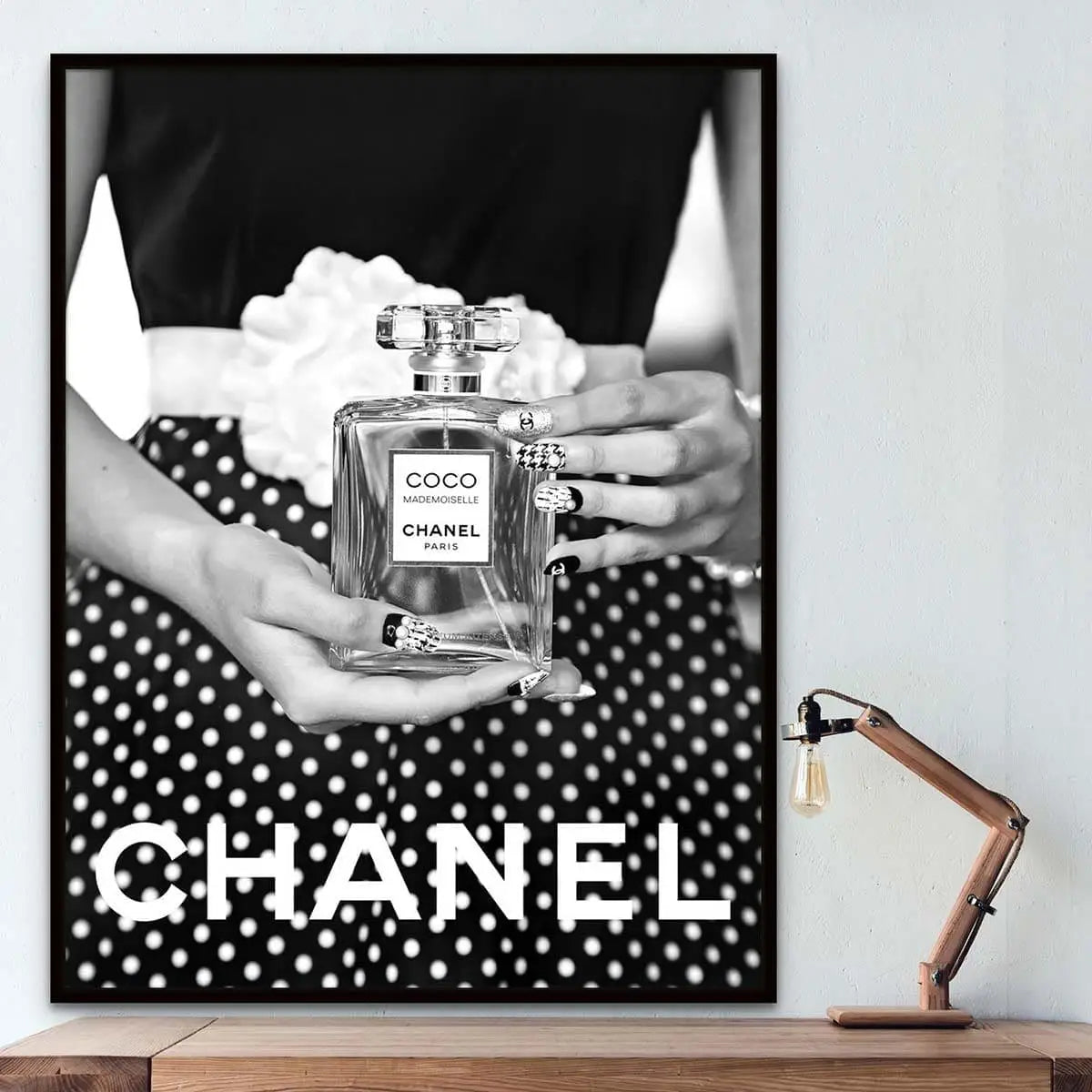
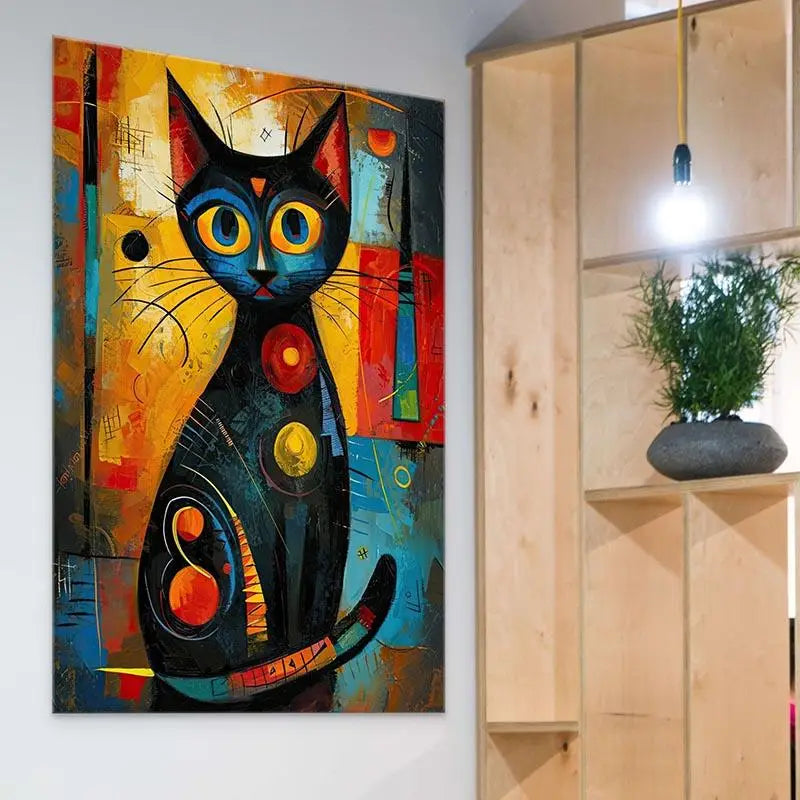
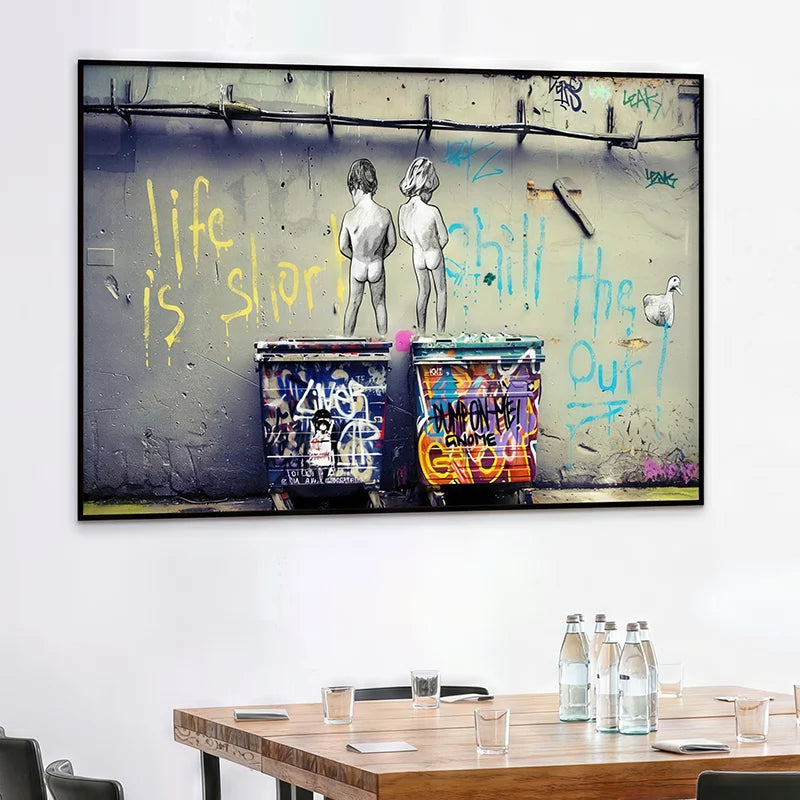
An abstract piece can add movement to a minimalist living room, while a landscape can create a more soothing atmosphere in a bedroom. Street art or pop art wall art, meanwhile, adds vibrant, contemporary energy to a more neutral interior.
Wall art thus becomes a true design element. It brings together the colours, materials and volumes in the room. For more inspiration, explore our selection of modern wall art.
Choosing wall art to suit your interior style

The best decorative wall art is not necessarily the piece that attracts the most attention in a shop. It is the one that complements your surroundings while adding a personal touch. Start by observing the lines, materials and colours already present in the room.
A contemporary or minimalist interior
For a contemporary interior, choose abstract compositions, geometric shapes, stylised portraits and elegant contrasts. Black-and-white wall art can enhance a minimalist atmosphere, while a colourful piece adds visual interest without overwhelming the overall design.
Scandinavian or Japandi decor
Scandinavian and Japandi interiors embrace natural tones, clean lines and airy compositions. Choose wall art in shades of beige, off-white, grey, sage green or terracotta. Minimalist landscapes and organic shapes blend seamlessly into this type of setting.
Industrial style
Industrial style pairs well with urban wall art, black-and-white photography, New York imagery, graffiti artwork, and architecture-inspired compositions. A black frame or Plexiglass finish can enhance the room’s raw, graphic character.
Bohemian or warm decor
For a bohemian feel, pair wall art featuring nature, travel, flowers, or ethnic patterns with materials such as wood, rattan, and linen. Warm colors and slightly irregular arrangements create a vibrant, welcoming, and personal decor.
A classic or boldly maximalist interior
A more traditional interior can feature a contemporary piece that contrasts with classic furniture. Portraits, floral compositions, and wall art with gold accents can create an elegant look. In a maximalist setting, you can layer multiple pieces, provided you maintain a common thread through colors or materials.
Coordinating colors and choosing the right size

Your choice of colors directly influences how your wall decor is perceived. For a harmonious result, echo one or two shades already present in the room, such as the color of the sofa, cushions, rug, curtains, or accessories.
You can also use contrast. A piece in vibrant colors will stand out more against a white, light gray, or beige wall. Conversely, wall art in soft tones will soften a colorful wall. The goal is not to replicate the room’s color palette exactly, but to create a visual connection between the piece and its surroundings.
What size should you choose above a sofa?
Above a sofa, horizontal or panoramic wall art generally works very well. For balanced proportions, its width can be around two-thirds to three-quarters of the sofa’s width. The piece should have enough presence to stand out without extending far beyond the edges of the furniture.
What wall art should you choose for a small wall?
On a narrow wall, choose a vertical format or a small arrangement of several frames. Oversized wall art can make the space feel smaller, while a well-proportioned piece will create a polished look without overwhelming the room.
How should you hang wall art at the right height?
In a living space, the center of the artwork should generally be around eye level. Above a piece of furniture, leave some visual space between the top of the furniture and the bottom of the wall art. The exact distance depends on the size, but the arrangement should feel like a single decorative grouping.
Which medium should you choose for decorative wall art?

The medium influences the final look, visual depth and style of your décor. At Montableaudeco, several finishes allow you to tailor the wall art to your project and budget.
- Frameless poster: a lightweight, affordable option that makes it easy to update your décor. A slight natural curve may appear along the bottom of the poster after printing.
- Stretched canvas on wooden frame: a warm, decorative finish particularly suited to living rooms, bedrooms and home offices.
- Black or white floating frame: a structured finish that creates space between the artwork and the frame while accentuating its contours.
- Plexiglass: a glossy, contemporary surface that intensifies colors and suits designer interiors.
Before making your choice, consider the room's atmosphere, lighting and viewing distance. A highly colorful artwork can be enhanced by a subtle finish, while a minimalist design can gain greater presence with a carefully chosen frame.
Create a focal point in every room
A focal point is the element that naturally draws the eye when you enter a room. A large piece of contemporary wall art can serve this purpose above a sofa, fireplace, sideboard or headboard.
To create a successful arrangement, avoid placing several bold elements opposite one another. If the wall art features intense colors or a particularly expressive pattern, leave some breathing room around it and choose more understated accessories.
You can also create an off-center focal point. This approach produces a more dynamic effect, especially in an entryway, hallway or home office. Simply make sure it remains balanced with the furniture and light sources.
Create a harmonious gallery wall
A gallery wall lets you tell a story and combine multiple sources of inspiration. It can bring together modern wall art, photographs, posters, illustrations and small decorative objects.
To avoid a cluttered look, choose at least one common element: a color palette, theme, frame type, or graphic style. Linear arrangements create a sense of order, while asymmetrical layouts achieve a more creative effect.
- Measure the available surface and define an area for the arrangement.
- Cut out paper templates matching the dimensions of your frames.
- Arrange them on the floor before mounting them on the wall.
- Keep even spacing between the artworks.
- Start with the main piece, then build the composition around it.
If you enjoy arrangements that evolve over time, start with three artworks and gradually add new pieces. This approach helps you balance the proportions and refresh your decor without starting over.
Modern wall decor trends

Contemporary interiors are embracing greater authenticity and personality. Rather than recreating a perfectly standardized space, the focus is on artworks that tell a story or evoke emotion.
Large-format wall art as a centerpiece
Large wall art can quickly transform a wall and create a striking focal point in a living room. Panoramic landscapes, abstract artworks, and graphic compositions are particularly well suited to large spaces.
Wall art inspired by urban art
Street art, pop art, and urban culture-inspired designs add energy and color. They are equally suited to industrial decor and more understated contemporary interiors.
Natural, soothing compositions
Landscapes, flowers, foliage, and animal art bring a sense of calm. They work particularly well in a bedroom, entryway, or space dedicated to relaxation.
Mixing materials
Successful wall decor is about more than just the image. The frame, finish, and texture also shape the overall effect. Wood adds warmth, black brings structure to the composition, and Plexiglass enhances a more modern aesthetic.
How to light wall art effectively
Lighting can completely transform the look of wall art. Natural light from the side reveals its colors and texture, while well-positioned artificial lighting allows you to enjoy the artwork in the evening.
Avoid direct glare, especially on a glossy finish. An adjustable lamp, diffused wall lighting, or a light source positioned slightly above the artwork will create more even illumination. For a canvas or poster, also avoid prolonged exposure to direct sunlight.
Our room-by-room wall decor ideas
In the living room
The living room is the perfect place for a statement piece of wall art. A large piece above the sofa can become the focal point of your decor. Explore our selection of decorative wall art for the living room and choose an artwork that complements your furniture.
In the bedroom
For a relaxing atmosphere, choose soft tones, landscapes, organic shapes, or low-contrast abstract compositions. A vertical artwork can be placed above a dresser or on a side wall.
In the entryway
The entryway creates the first impression of your home. Colorful wall art, a portrait, or a graphic artwork can instantly add character to this often-overlooked space.
In the home office
Choose an artwork that inspires your creativity without distracting you. Abstract wall art, maps, architecture, and design-inspired compositions are particularly well suited to a workspace.
In a child's or teenager's bedroom
Choose a theme that suits your child's age and interests: animals, sports, music, manga, pop culture, or vibrant colors. An easy-to-replace poster or canvas allows the decor to evolve as your child grows.
Towards more sustainable wall decor
Sustainable decor begins with thoughtful choices. Before buying, measure your wall, define the mood you want to create, and choose an artwork you will enjoy for years to come. This step helps you avoid impulse purchases and arrangements that do not truly suit your interior.
Wall art can also transform a room without replacing all the furniture. Sometimes, changing an artwork or rearranging a gallery wall is enough to refresh the atmosphere of a living room. For rental homes, lightweight solutions or suitable mounting hardware can help you decorate without making permanent changes. Always check the weight capacity of the wall and the mounting system used.
Your action plan for successful wall decor
- Look at the wall and measure the available space.
- Define the style and mood you want to create.
- Identify two or three colors already present in the room.
- Choose the size and material that best suit your furniture.
- Test the arrangement with templates before hanging the wall art.
- Add soft lighting to showcase the artwork.
Wall decor does not need to be complicated to be successful. A single, carefully chosen artwork can be enough to turn a blank wall into a true design statement.
Frequently asked questions about modern wall decor
What wall art should you choose to modernize a living room?
Abstract, contemporary, street art, or graphic wall art can instantly modernize a living room. Choose a size that suits the proportions of your sofa and echo one or two colors from the artwork in your accessories.
What is the difference between modern art and contemporary art?
Modern art generally refers to an artistic period spanning from the late 19th century to the mid-20th century. Contemporary art, by contrast, refers to recent and current creations. In interior decor, these two styles can be combined depending on the desired look.
Should you choose wall art that matches the color of the wall?
Not necessarily. Wall art can echo the wall color to create harmony or use contrast to draw the eye. The key is to establish a connection with the other elements in the room.
How do you decorate a large white wall?
You can hang a large piece of wall art, create a gallery wall, arrange several panels together, or pair an artwork with a decorative shelf. Your choice depends on the width of the wall and your interior style.
Which material should you choose: unframed poster, stretched canvas, floating frame, or Plexiglass?
An unframed poster is an affordable option for decor that can easily evolve. Stretched canvas offers a warm finish, a floating frame adds a structured look, and Plexiglass creates a glossy, contemporary effect.