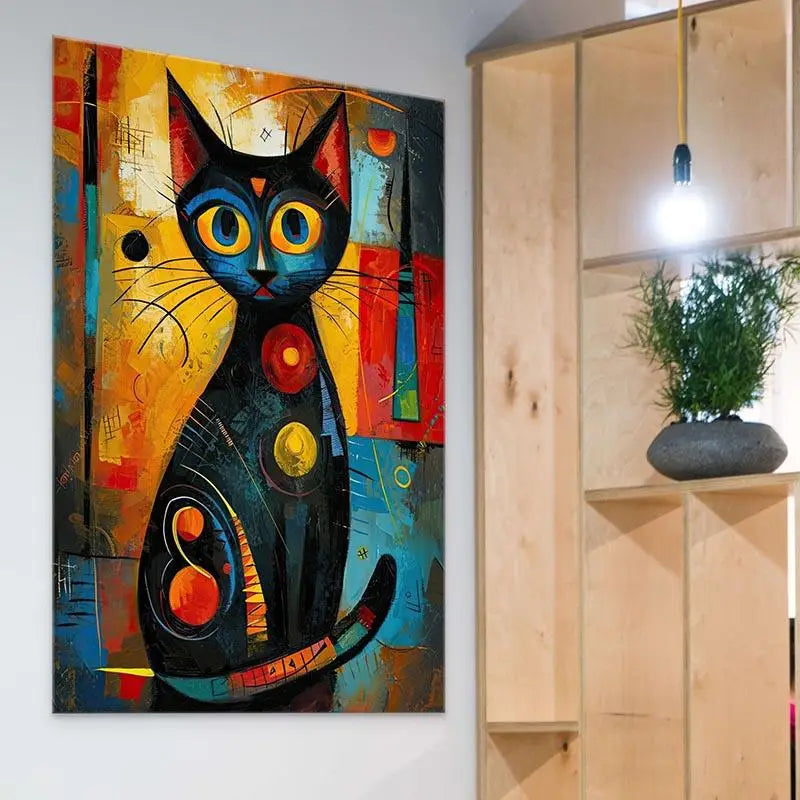

Choosing the color of a child's bedroom is not just about following a trend. The walls, bedding and accessories all contribute to the room's overall atmosphere. A soft palette can create a sense of calm, while very bold contrasts draw more attention and are better suited to the play area.
Color is no substitute for a consistent routine or a sleep-friendly environment. However, it can help create a cohesive, comforting space that is easy to adapt over time. Pastel blue, soft green, beige, pearl gray or dusty pink: here is how to choose and combine shades for a calming child's bedroom.

Colors and sleep: what you can realistically expect
A visually soothing bedroom can help create a pleasant atmosphere at bedtime, but overly specific conclusions should be avoided. The color of a wall does not automatically lower heart rate and is not enough to resolve sleep difficulties. Every child responds differently depending on their environment, age, habits and the amount of light in the room.
Recommendations on children's sleep mainly emphasize a consistent routine, a quiet bedroom and dim lighting at bedtime. You can read the advice from Assurance Maladie on healthy sleep habits for children and from the Morphée Network.
Decor can therefore help support everyday comfort. A low-contrast palette, a limited number of patterns around the bed and controlled lighting can help children identify this space as a place for rest. The key is to observe their reactions and keep the room practical.
1. Pastel blue, a visually calming foundation
Pastel blue evokes the sky and water. In a child’s bedroom, it creates a fresh feeling and pairs easily with off-white, light wood and pearl gray. To prevent the room from feeling cold, choose a slightly gray-toned blue or add warm materials: a cotton rug, a natural-fiber basket and ecru bed linen.
How can you use it without making the room feel cold?
- Paint just one accent wall behind the bed and keep the other walls light.
- Echo the color with a cushion, a small shelf or a lightweight curtain.
- Pair blue with light wood and warm lighting rather than layering multiple blue-gray shades.
- Reserve the brightest contrasts for the play area, away from the bed.
A deeper blue can look elegant, especially in a large, well-lit bedroom. Test it in daylight and in the evening: a shade that appears soft on a color chart can feel much more intense across four walls.
2. Soft green for a nature-inspired bedroom
Pastel green, almond green and sage green create a natural transition between the bedroom and the outdoors. These shades pair beautifully with beige, ecru, rattan and animal illustrations. They are also ideal for a shared bedroom, as they are not based on girl-or-boy color conventions.
To maintain a light and airy atmosphere, choose a low-saturation green and limit the number of botanical patterns. A soft green wall, a few wooden accessories and animal wall art are often enough to create a complete look. Explore our animal wall art collection to find an illustration suited to your child’s age and tastes.

3. Beige, ecru and pearl gray: versatile tones that evolve with the room
Neutral tones provide a timeless foundation when you want the room to evolve over the years. Sand beige and ecru add warmth to a dimly lit room; pearl gray brings a more graphic touch without becoming overpowering. Off-white can make a small bedroom feel larger, provided it is warmed up with textiles or wood.
| Color | Desired atmosphere | Easy pairings | Point to consider |
|---|---|---|---|
| Pastel blue | Fresh and serene | Ecru, light wood, subtle terracotta | May feel cold in low light. |
| Soft green | Natural and balanced | Beige, rattan, off-white | Avoid using too many botanical patterns. |
| Beige or ecru | Warm and adaptable | Ochre, blue, blush pink | Add contrast to avoid a uniform look. |
| Pearl gray | Understated and contemporary | Wood, soft yellow, almond green | Choose a warm gray for a room with little natural light. |
The colors in this wall art are decorative guidelines, not strict rules. The paint finish, the window’s orientation, and the color of the floor also affect the final look. Use small samples and leave them in place for at least one day.
4. Blush pink, lavender, and soft yellow: adding personality
A soothing color does not necessarily have to be cool. Blush pink, very pale peach, or lavender can add a gentle touch, especially when paired with ecru and natural wood. Vanilla or sandy yellow brightens a dark room without creating the strong contrast of a vivid yellow.
Use these shades as accents if your child likes expressive colors: a half-painted wall, an alcove, the back of a bookcase, or bedding may be enough. The aim is to create cheerful decor while keeping the sleeping area visually calmer than the play area.
5. Combining several colors without overwhelming the room
To create a harmonious palette, start with a main color, add a secondary shade, and retain a neutral base. The “60-30-10” decorating rule can serve as a starting point, but it is by no means mandatory: around 60% for the base, 30% for a complementary color, and 10% for an accent.
Three easy color combinations to try
- Sky blue + ecru + terracotta: freshness, warmth, and a few colorful accents.
- Almond green + beige + ochre: a natural atmosphere with a sunny touch.
- Pearl gray + off-white + blush pink: soft, contemporary decor.
Then distribute the colors according to the different areas of the bedroom. The wall behind the bed and the bedding can remain understated; the reading corner can feature a more expressive illustration; the play area can include more color. This layout prevents the entire room from feeling visually stimulating at once.
6. Choosing suitable wall art and decor
A piece of wall art for a child’s bedroom can bring a story to the decor without having to repaint the entire room. Choose a theme the child truly loves: animals, space, nature, characters, or minimalist illustrations. The colors in the artwork can then provide a common thread for cushions and accessories.
What size works above the bed or a dresser?
Measure the width of the furniture and the available wall height. Small wall art is often easier to incorporate into a child's bedroom; a set of two or three images may suit a large wall, provided the spacing remains even. Above the bed, always secure the decor with a mounting system suited to its weight and the wall material, and avoid heavy or poorly secured items.
Discover Montableaudeco's children's bedroom wall art collection: depending on the design, the artwork is available as an unframed poster, stretched canvas, floating frame or Plexiglass. Check each product page for available sizes, materials and installation precautions. For example, Little Animals children's wall art can complement a beige, soft green or pastel blue palette.
To plan the overall layout — bed, storage and desk — you can also browse this selection of children's bedrooms. The wall art and furniture should be considered together to maintain easy circulation.
7. Complement the colors with suitable lighting and a bedtime routine
Even the most beautiful palette loses its impact if the bedroom remains very bright at bedtime. Choose curtains or shutters that allow you to adjust the light without using an overly bright night light. A small, reassuring light may suit some children; choose a dim one and position it so that it does not shine directly on their face.
In the evening, gradually reduce stimulation: put away toys, read a story, share a cuddle, then turn off the light. A relatively regular schedule helps children recognize the transition to nighttime. If screens are present, it is best to keep them away from the bed so that the bedroom remains a place for rest.
If sleep remains difficult despite a suitable environment, speak to a healthcare professional. Decor can improve visual comfort, but it is no substitute for medical advice or support when difficulties persist.
8. Maintain safety and adapt the decor over time
Painting, mounting and circulation
- Ventilate the room and follow the drying time specified by the manufacturer before letting the child sleep there.
- Secure frames, shelves and mirrors firmly; keep cords and small parts out of reach of young children.
- Do not place heavy or unstable decorations above the bed, and check the fixings regularly.
- Keep a clear walkway between the bed, door, desk, and play area.
Create a bedroom that grows with your child
A neutral base makes it easy to change the room's theme with posters, bedding, and accessories. As the child grows, replace a piece of wall art or a cushion rather than repainting the entire room. Adaptable wall decor avoids repeated expenses and allows the child to take part in the choices.
Very childlike patterns can be kept in an area that is easy to update. For a room that will last for several years, choose a landscape, stylized animals, a map, or an abstract composition in soft colors. This allows you to keep the same layout while refreshing the visual story.
Frequently asked questions about colors for a child's bedroom
What is the best color to help a child sleep?
There is no universal color that guarantees sleep. Pastel blue, soft green, beige, and off-white are often appreciated for their visually calming effect. Above all, choose a shade that works with the bedroom's lighting and the child's preferences.
Is blue really more calming than other colors?
Blue can create a sense of freshness and calm, but reactions vary depending on the shade, brightness, and individual sensitivity. Avoid presenting a color as a treatment or a guarantee of falling asleep.
Can green be used in a baby's or child's bedroom?
Yes, a soft, almond, or sage green can create a natural atmosphere. Test the shade on the wall, pair it with light tones, and avoid using too many patterns around the bed.
Should the entire bedroom be painted the same color?
No. A single accent wall, wall paneling, or a few accessories may be enough. A light base on the other walls makes it easier to update the decor and keeps the room from feeling cluttered.
Where should you hang wall art in a child's bedroom?
Above a dresser, near the reading nook, or on a clear wall are practical locations. Above the bed, choose lightweight decor that is securely attached, following safety guidelines appropriate for the child's age.
Can colors replace a good bedtime routine?
No. A soft color palette can make the room feel more comfortable, but sleep also depends on schedules, lighting, quiet surroundings, and bedtime habits. If difficulties persist, seek advice from a healthcare professional.
Create a soothing bedroom full of imagination
Start with a simple color palette, then personalize the wall with artwork that suits your child's world. Compare the sizes and materials in our collection to create harmonious wall decor that can evolve over time.
Discover children's bedroom wall art