
Want to create modern, contemporary decor in 2026 without replacing all your furniture? A better-chosen color palette, more inviting lighting, and a piece of wall art that sets the tone can already transform your interior.
This guide brings together ten ideas you can adapt to your room, lifestyle, and budget. The aim is to create a stylish, contemporary interior you will enjoy for years to come by combining colors, materials, storage, and wall decor.

Modern or contemporary decor: how should you approach your project?
In this guide, “modern” refers to a look defined by clean lines and clearly structured forms. “Contemporary” describes an interior that embraces current combinations of colors, shapes, and materials. These terms are used here as decorating guidelines, without trying to place your home within a specific period of design history.
You can keep an antique dresser, choose an understated sofa, and hang a colorful illustration. Cohesion comes from balanced proportions and recurring details, not from having to buy a matching furniture collection.
1. Create a natural color palette with a bold accent
To refresh your decor, start with the largest surfaces: walls, flooring, sofa, and curtains. An off-white, beige, or warm gray base leaves room for a bolder color. Sage green, blue, terracotta, or brick red are options worth trying depending on the light.
These combinations are suggestions for your 2026 project, not an official ranking of colors of the year. The most useful approach is to see how they work in your home rather than choosing a shade solely because it is presented as on-trend.
| Base | Accent | Possible application |
|---|---|---|
| Ecru and light wood | Deep blue | Graphic wall art and a blue cushion. |
| Sand beige | Terracotta | A warm illustration and a terracotta vase. |
| Cream and sage green | Ochre | Soft textiles and a small splash of color on the wall. |
| Off-white and warm gray | Brick red | An abstract composition and a matching accessory. |

Before repainting, view a sample beside the sofa at different times of day. For a lighter first step, introduce your new color through wall art or a cushion cover.
2. Choose materials made to last
Sustainable decorating often begins with what you keep. A sturdy table can find its place again after rearranging the room; an armchair in good condition may simply need new upholstery. Consider these options before replacing a piece of furniture.
Look for specific information
When buying new, compare the composition, joinery quality, care instructions, and repairability. If a certification is claimed, check which product and components it applies to.
- Wood: check its documented origin, finish, and care requirements.
- Textiles: check the composition and, if recycled content is claimed, the details provided.
- Furniture: choose construction suited to its intended use and replaceable parts whenever possible.
A natural material, bamboo, or a handcrafted look is not enough to prove that an item has a low environmental impact. Information from the manufacturer is more useful than vague terms such as “green” or “eco-friendly.”
3. Save space with suitable furniture
Multifunctional furniture is worthwhile when it addresses a genuine constraint. A sofa bed is useful if you host family or friends; an extendable table may be suitable if you entertain occasionally. An additional mechanism offers little benefit if you never use it.
Measure the furniture’s footprint in every configuration: with doors open, extensions deployed, or the bed set up. Then check that you can move around easily and access the storage areas.
4. Warm Up the Room with Textiles
An interior with clean lines can feel inviting through the use of texture. For example, pair a smooth sofa with a textured cushion and a soft throw. Varying the surfaces is often enough to enrich a fairly restrained color palette.

Linen is ideal if you appreciate its natural irregularities; velvet creates a different sense of visual depth depending on the light. Be careful not to confuse texture with composition: a fabric described as “velvet” can be made from a variety of fibers.
Choose with your household’s lifestyle in mind as well. Removable covers, easy care, and durability suited to everyday use may matter more than a dramatic look in a photo. Keep patterns to a minimum if your wall art is already very colorful.
5. Add Multiple Practical Light Sources
A single central pendant light may not meet every need. Consider separately the lighting required to move around, read, and enjoy the living room in the evening. A lamp beside an armchair or an accent light may be more useful than another fixture in the center of the room.
- During the day: keep windows as unobstructed as possible and choose curtains suited to the room’s exposure.
- For reading: place an adjustable light source near the seating area.
- For ambiance: try indirect lighting or adjustable brightness.
Before installing a picture light for wall art, test the angle from the seating area. A glossy surface can reflect light: the best position is one that keeps the image clearly visible without distracting glare.
6. Introduce Geometric and Abstract Patterns
Arches, lines, circles, and blocks of color can bring rhythm to contemporary décor. First, choose the surface that will feature the main pattern: the rug, wallpaper, or wall art. The other elements can remain more understated.

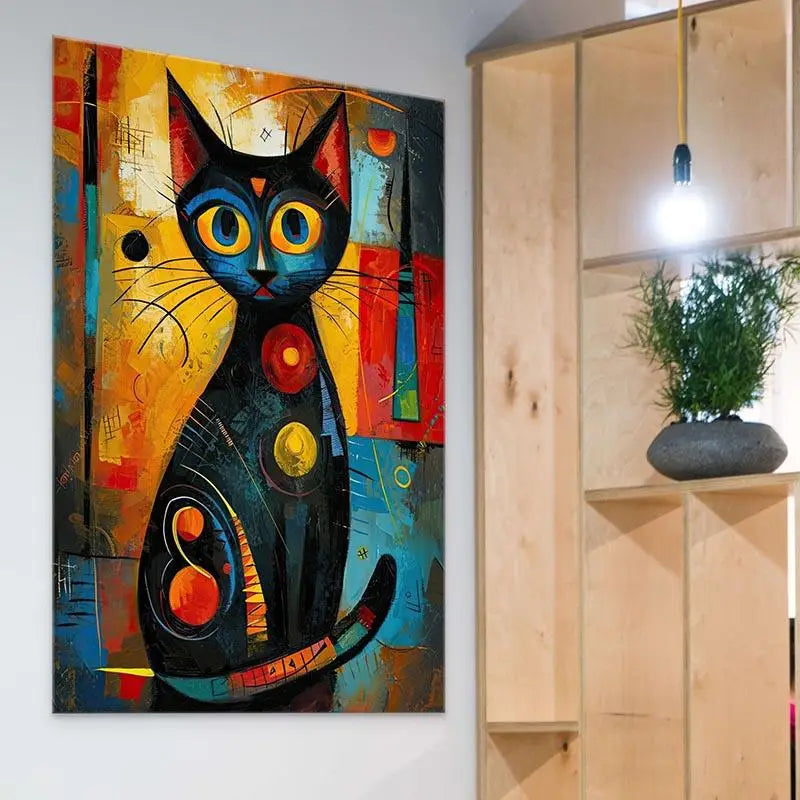
With a large graphic rug, wall art featuring simple shapes can create a sense of balance. Conversely, on a plain wall above an understated sofa, a more expressive abstract composition has the space it needs to stand out.
Our abstract wall art collection lets you explore different combinations of shapes and colors. To refine your selection, also see our guide to choosing colorful abstract wall art.
7. Place plants in the right spots
A plant adds height, a distinctive silhouette, and a natural touch. Choose its location based on the available light, the space around the pot, and the time you want to devote to its care.
A large plant can complement an armchair, while a small plant arrangement can dress up a shelf without overcrowding it. Keep foliage away from wall art and protect furniture from water spills.
If plants do not suit your lifestyle, an image of a forest, the sea, or mountains can bring a sense of nature indoors. Our landscape wall art offers inspiration for extending a green, blue, or sand-toned palette.
8. Make wall art the focal point
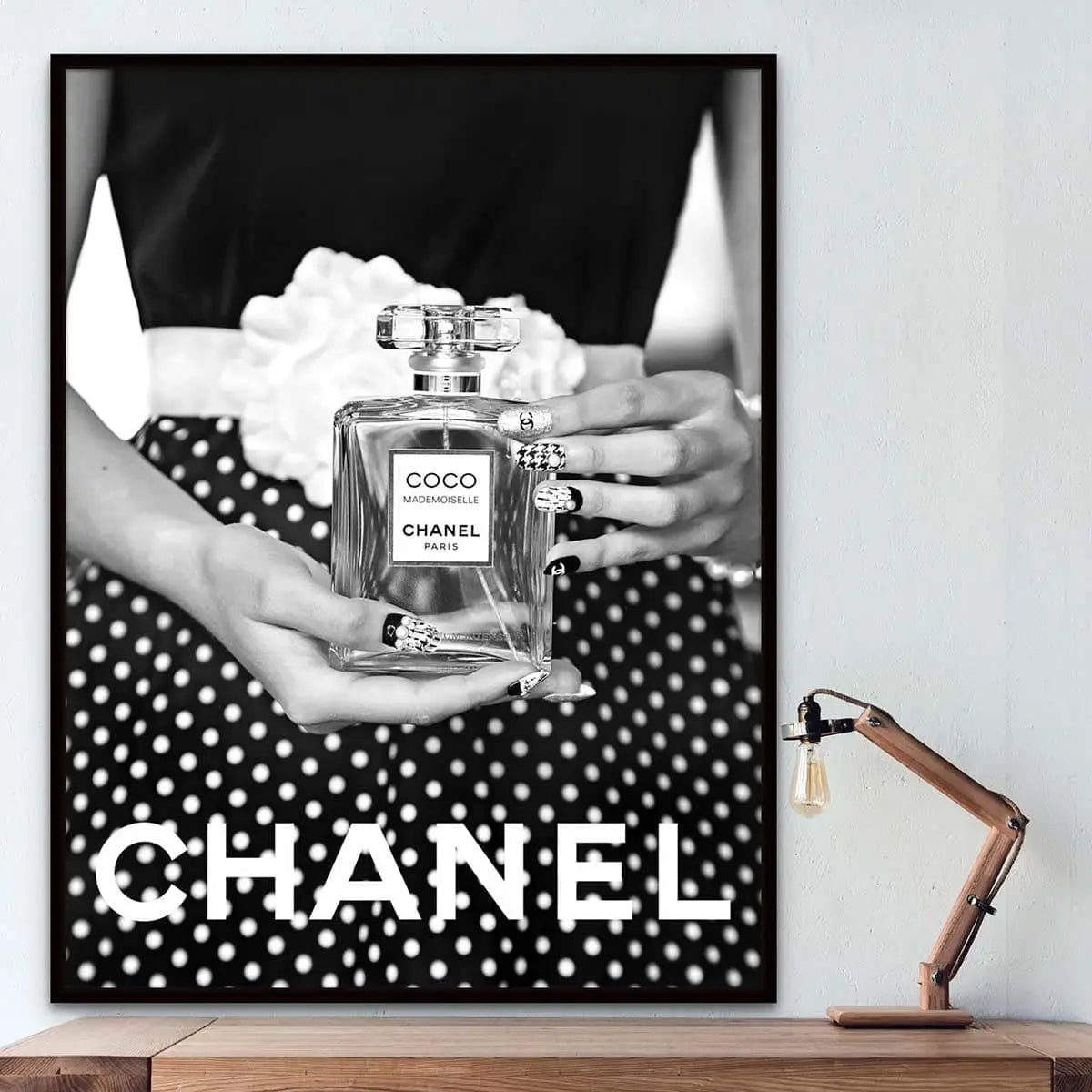
A piece of modern wall art can become the starting point for your décor. Choose an image you love, then echo one or two of its colors in your textiles. This approach helps create a personal, cohesive look without making numerous purchases.
Choose the format to suit the wall
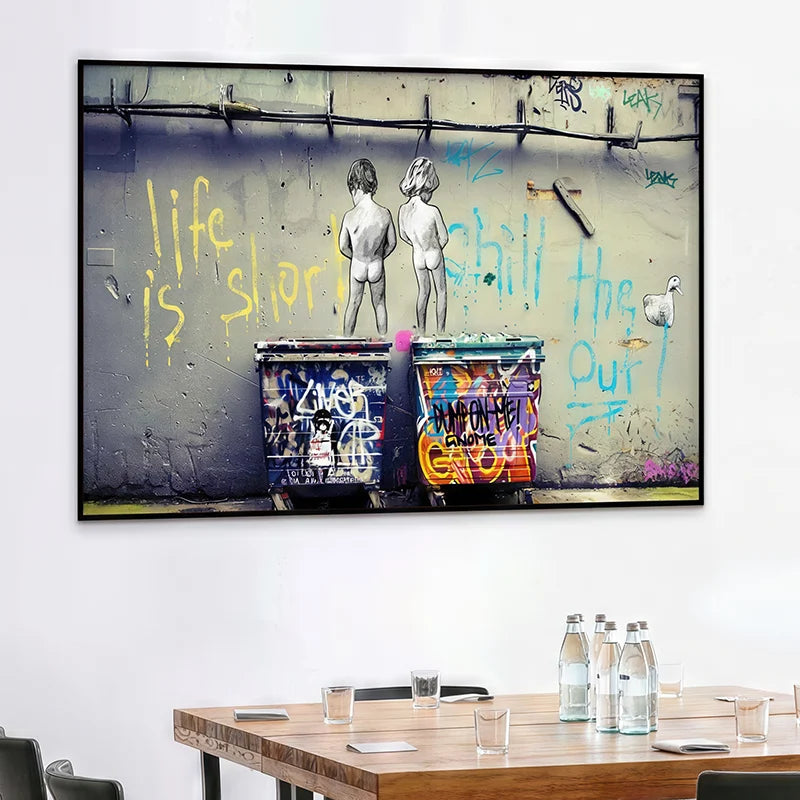
A horizontal format works well above a sofa or sideboard, while a portrait format suits a narrower section of wall. For multiple panels, calculate the overall dimensions of the entire arrangement, including the spaces between them. A paper template helps you check the proportions before ordering.
Compare Finishes
Depending on the design, you can choose an unframed poster, a stretched canvas, a black or white floating frame, or Plexiglass. Compare the options and their appearance: framing highlights the artwork, while a glossy finish requires careful consideration of reflections. A textured effect in the image does not necessarily mean the surface has a tactile relief.
Browse the contemporary wall art with the available space and existing furniture in mind. For a gallery wall combining keepsakes, photos, and illustrations, using the same frame color can bring different subjects together.
9. Integrate Technology Discreetly
Adjustable lighting or motorized blinds can make certain tasks easier. However, start with a specific need before adding equipment. A room also looks more refined when cables are organized and each device has a suitable place.
Before purchasing a smart device, check its compatibility with your setup, its control options, and how it works when no connection is available. Keep a simple backup solution for everyday use.
In the living room, ensure access to power connections and provide the ventilation required by your devices. A discreet front panel can conceal accessories, but it should not compromise their operation. Successful integration is judged as much by functionality as by appearance.
10. Pair Contemporary Furniture with Vintage Pieces
An antique chest of drawers, a ceramic piece brought back from a trip, or a family lamp can all find their place in a contemporary interior. To tie these objects together, look for a shared element: a wood tone, a curve, or a color featured in a piece of wall art.
Avoid accumulating objects solely to represent a style or destination. A piece chosen for its history or craftsmanship adds more meaning than a collection purchased simply to fill surfaces.
If an antique piece of furniture is highly detailed, give it space and pair it with simple shapes. Conversely, minimalist furniture can accommodate more expressive wall art. Contrast works best when one detail connects the two styles.
Which Ideas Should You Try First in Each Room?
| Room | Priority | First Change to Try |
|---|---|---|
| Living Room | Tie together the sofa, wall, and lighting. | Try adding wall art and echoing one of its colors in the cushions. |
| Bedroom | Declutter surfaces and coordinate textiles. | Choose a limited color palette for the bed linen and wall art. |
| Home office | Improve functionality and storage. | Reposition the lamp and clear the worktop. |
| Entryway | Keep the walkway clear. | Decorate the wall before adding another piece of furniture. |
Take it step by step: rearrange what you already have, test the color palette, then choose the missing element. Photograph the room after each change to assess the overall look. If your project involves the living room, our selection of living room wall art can help you compare different styles.
Frequently asked questions about modern and contemporary decor
How can you modernize your interior on a small budget?
Start by moving the furniture, decluttering surfaces, and improving the lighting layout. Then choose one targeted update: a piece of wall art, a few cushion covers, or a splash of color on a small area.
Which colors should you choose for your decor in 2026?
Adapt the palette to your lighting and the furniture you are keeping. An off-white or beige base can be paired with blue, sage green, or terracotta. Test your combinations at home rather than following a color trend without considering the room.
How can you make a modern living room feel warmer?
Vary the textures, add accent lighting, and repeat a few colors throughout the room. Wood, a throw, and carefully chosen wall art can be enough to give understated decor more character.
Which wall art should you choose for contemporary decor?
Choose the subject based on your tastes, then adapt the size to the wall. An abstract or graphic composition can tie the room's colors together, while a landscape adds a figurative subject. The material and framing also shape the final look.
Can you mix antique and modern furniture?
Yes. A shared color, material, or shape can tie the rooms together. Leave space around the most expressive pieces of furniture so their details remain visible.
Wall art that sets the tone for your interior
An empty wall can be the starting point for your new decor. Explore Montableaudeco's designs, then compare the available sizes and materials to find a piece that suits your room.
Discover modern wall art