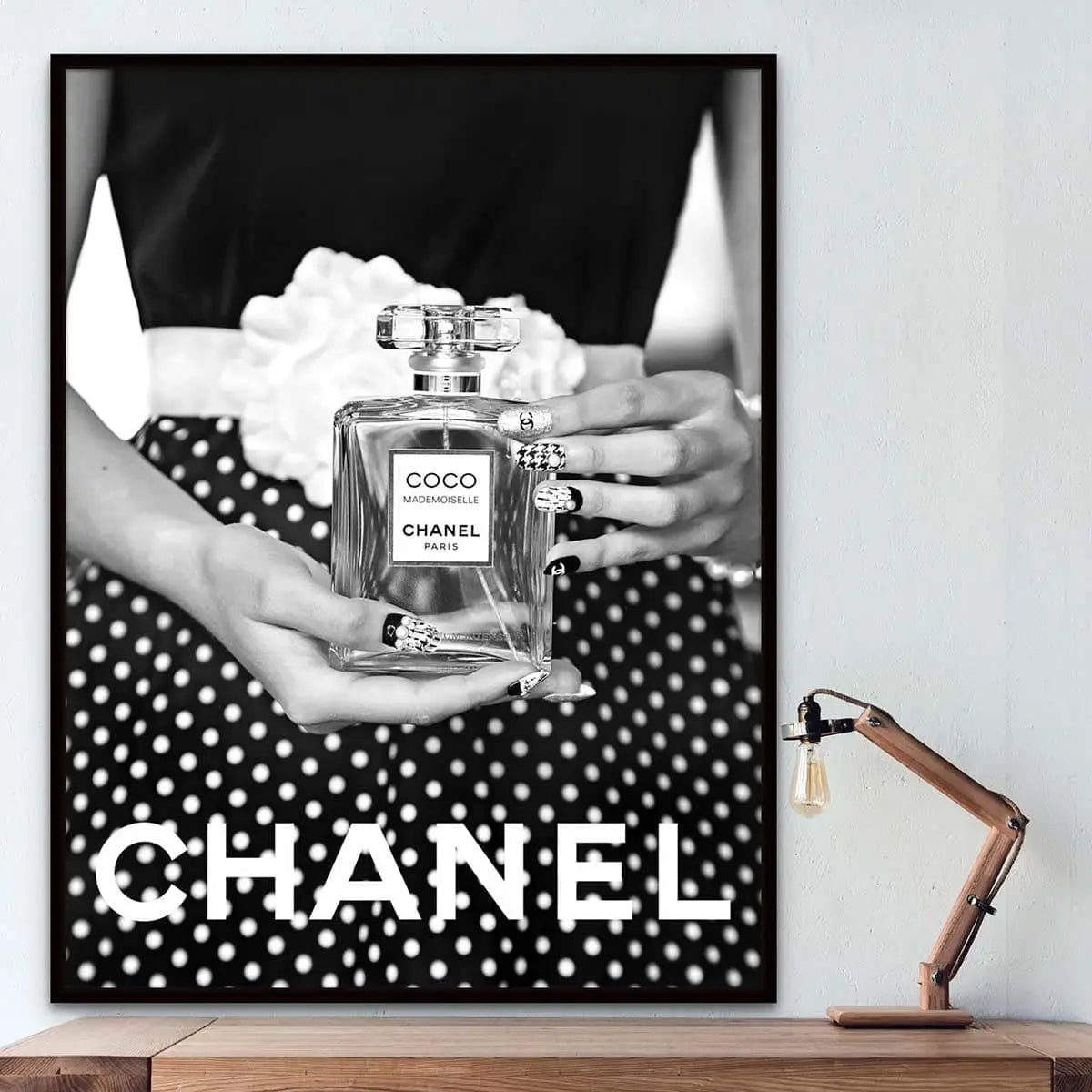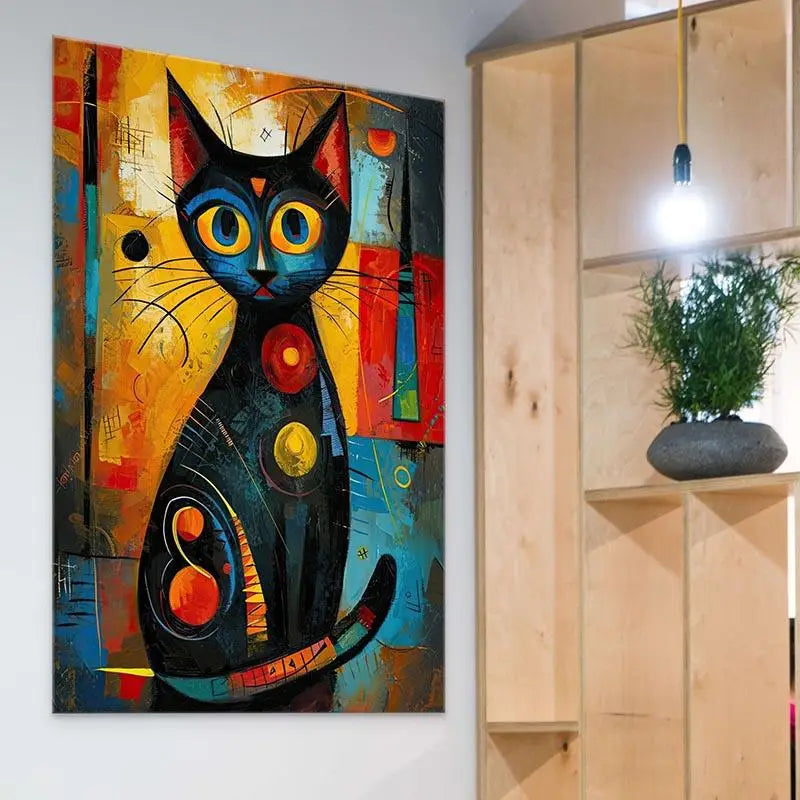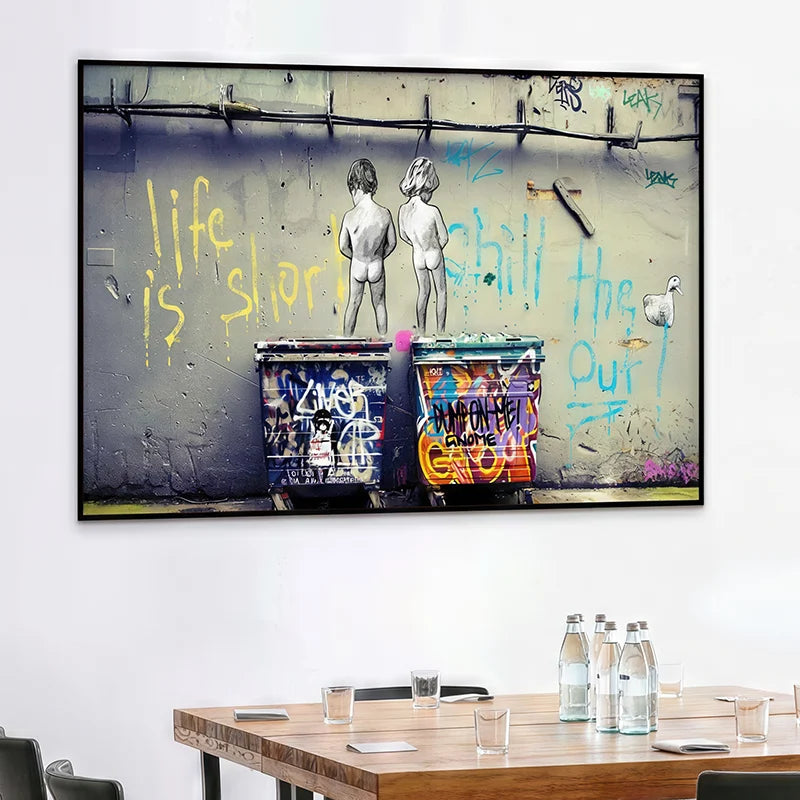

The format of decorative wall art influences its appearance, presence on the wall, care requirements and price. Frameless poster, stretched canvas, floating frame or Plexiglass : each finish suits a different purpose. The best choice is therefore not the most expensive format, but the one that matches your room, your style and how you want your décor to evolve.
This guide helps you compare the four options available from Montableaudeco. You will discover their benefits and limitations, care requirements, how they pair with different interior design styles and the criteria to check before ordering modern wall art.

The criteria that truly make a difference
Do not choose a format based solely on the wall art image. Start by assessing the intended location and ask yourself five questions: how wide is the wall? Does the room receive direct sunlight? Will the wall art be exposed to moisture? Do you plan to move it regularly? Which finish already complements your furniture?
- Visual finish: matte, textured, framed or glossy.
- Size: small decorative accent, gallery wall or statement piece.
- Weight and installation: check compatibility with the wall and hanging system.
- Care: dust, reflections, scratches and exposure to light.
- Budget: cost of the format, optional framing and mounting accessories.
These criteria help you avoid two common mistakes: ordering a poster and expecting to receive framed wall art, or choosing a glossy finish when the wall catches reflections from a window. The product page should always specify the selected format and dimensions.
Quick comparison of the four wall art formats
| Material | Finish | Best suited if… | Point to consider |
|---|---|---|---|
| Frameless poster | Lightweight, graphic and easy to update | You like refreshing your décor or keeping to a budget | Allow for framing and protect the paper from moisture |
| Stretched canvas | Warm and matte, with a visible textile texture | You want artistic presence without an additional frame | Avoid rubbing and prolonged exposure to direct sunlight |
| Floating frame | Elegant and structured, with added depth | You want a black or white gallery-style finish | Check the weight, mounting system and available space |
| Plexiglass | Smooth, luminous, glossy and contemporary | You love intense colours and minimalist style | Potential reflections and scratches: careful cleaning required |
Frameless poster: flexibility, variety and affordability
A Frameless poster is a simple, affordable way to decorate a wall. It is ideal for anyone who likes to refresh their interior, try out an image before investing in a more structured finish or create a gallery wall using several sizes. Its appearance depends greatly on the paper selected and how it is displayed.
Benefits of posters
- A wide choice of themes, colours and sizes.
- A lightweight option for incorporating into a gallery wall.
- The option to choose your own frame, clips or poster hanger.
- Easy to replace as your tastes or décor evolve.
Without a frame, the paper is more exposed to creases, rubbing and moisture. For a longer-lasting display, choose a frame in the right size or use a hanging system that keeps the poster perfectly flat. Do not place it in a bathroom or near a heat source without checking that the paper is suitable.
This finish is particularly appealing for a street art poster, typography or a series of small prints. It lets you create an adaptable urban-style display without overwhelming the wall.
Stretched canvas: warmth and artistic presence
Stretched canvas immediately gives an image greater presence. Its textile texture creates a warm, matte finish that works particularly well in a living room, bedroom or office. It stands beautifully on its own and does not necessarily need an additional frame.
Why choose canvas?
- It softens very smooth walls and contemporary interiors.
- Its matte finish generally reduces distracting reflections.
- It is suitable for landscapes, portraits, abstract art and large formats.
- It creates a warm finish with wood, linen or natural materials.
A canvas print may have a visible weave, but this does not necessarily mean it has a raised, painted texture to the touch. If you are looking for a textured effect, check the product description rather than relying solely on the image shown online.
To preserve its colors, keep the canvas away from direct sunlight and dust it with a soft, dry cloth. Avoid placing it in a very humid room or next to a radiator. Browse our modern wall art collection to compare designs and sizes before selecting a finish.

Floating Frame: A Contemporary, Structured Finish
A floating frame creates a slight visual gap between the image and the frame. This finish adds depth and evokes a gallery-style presentation. Black accentuates contrasts and bold colors; white softens a highly expressive artwork on a light-colored wall.
Black or White Frame: How to Choose
- Black floating frame: ideal for industrial, graphic, or high-contrast decor.
- White floating frame: ideal for a bright, minimalist room or a space with soft tones.
- Subtle finish: it adds structure to the artwork without introducing a competing design element.
A floating frame is ideal for a statement piece above a sofa, console table, or desk. Measure the available space and check the mounting system before installation: the frame may affect the overall weight and depth.
Clean the finish with a cloth suitable for the material. If there is a glass or acrylic surface, avoid abrasive products and rough sponges. The aim is to maintain a clean outline around the artwork without causing scratches.
Plexiglass: Light, Intense Colors, and Sleek Style
Plexiglass stands out for its smooth surface and glossy finish. It gives photographs, abstract wall art, and colorful compositions a highly contemporary look. The finish can enhance visual depth and color saturation, but it also reflects more light than a matte canvas.
The Benefits of Plexiglass
- A bright, minimalist finish with no visually dominant frame.
- A finish particularly well suited to vivid colors and graphic details.
- A rigid surface that creates a sleek, contemporary look.
Plexiglass is not scratch-resistant. Keep it away from impacts, friction and direct sunlight, which can cause distracting reflections. To clean it, use a clean microfiber cloth and follow the recommended method for the finish. Never rub dry dust with a rough material.
This finish is ideal for modern or premium interiors, provided you consider the placement of windows and lighting. A wall perpendicular to the light source will often be more comfortable to view than one directly facing a large window.
Compare budget, use, care and durability
The price varies depending on the size, Material and finish. An unframed poster is often the most affordable entry-level option, but you will need to add the cost of framing if you want to protect the paper. A canvas, floating frame and Plexiglass already offer a more complete presentation, which explains the difference in price.
There is no universal durability ranking. Longevity depends on print quality, finish, light, humidity and how the wall art is handled. Compare the overall cost and intended use rather than price alone.
| Your priority | Material to consider | Why |
|---|---|---|
| Refresh your decor often | Frameless poster | Versatile, lightweight and easy to replace |
| Create a warm atmosphere | Stretched canvas | Matte finish and textile texture |
| Achieve a gallery-quality finish | Floating frame | Defined outline and sense of depth |
| Enhance the vibrancy of the colors | Plexiglass | Smooth surface and glossy finish |

Match the Material to your interior design style
The Material should complement the room’s atmosphere without distracting from the artwork. The wall color, furniture, materials and level of contrast matter just as much as the wall art itself.
- Scandinavian: a poster in soft tones, a matte canvas or a white frame paired with light wood.
- Industrial: a black floating frame, graphic canvas or bold, high-contrast street art.
- Bohemian: a warm canvas, organic patterns and natural materials around the wall art.
- Minimalist: a single statement piece on canvas or Plexiglass, with few accessories.
- Contemporary: a floating frame or Plexiglass to highlight lines and light.
If the wall art already features many colors, choose an understated finish. If the design is very minimalist, a floating frame can give it added presence. For a softer alternative, explore our abstract wall art collection and compare the materials available on each product page.
Choose according to the room, size, and lighting
Living room
Above a sofa or low cabinet, a stretched canvas or floating frame creates a structured focal point. A framed poster is ideal for an evolving gallery wall. A Plexiglass print is a great option if the wall does not face a window and you enjoy vibrant colors.
Bedroom
A stretched canvas or poster in soothing tones softens the space. Secure the wall art safely and avoid a glossy finish if it directly reflects a lamp or screen. Above the bed, stability should always take priority over decorative impact.
Entryway and hallway
A framed poster or a small floating frame draws the eye without obstructing movement. In a narrow hallway, check the depth of the piece and choose sizes that are proportional to the width of the wall.
Office
A floating frame or stretched canvas works well in a contemporary office. A Plexiglass print can bring energy to a wall, but position it to avoid reflections on the screen. A poster makes it easy to change the theme as your tastes evolve.

Installation and care: best practices
Before hanging your wall art, measure the wall, locate the center of the furniture, and check the total weight of the chosen finish. For a gallery wall, arrange the pieces on the floor or use paper templates. This preparation prevents unnecessary holes and helps you visualize the overall balance.
Care tips by material
- Poster: protect it with a frame and keep it away from moisture.
- Canvas: dust with a dry cloth, without water or abrasive products.
- Floating frame: clean the frame with a product suitable for its finish.
- Plexiglass: use a clean microfiber cloth and avoid scratching the surface.
Whatever the finish, avoid prolonged direct sunlight, heat sources, and very humid rooms if the model is not designed for these conditions. Check the product page for available materials, sizes, and hanging options.

A simple method for choosing your medium
If you are still unsure, follow this five-step process. It will help you make a practical decision without being guided solely by current trends.
- Measure the wall and the available space around the furniture.
- Define the mood: warm, graphic, glossy or minimalist.
- Assess the light, humidity and potential reflections.
- Compare the weight, budget and installation method.
- Check the medium and dimensions on the product page for your chosen wall art.
For décor that changes often, start with an unframed poster. For an enduring visual centerpiece, choose a stretched canvas or floating frame. For a luminous, highly contemporary look, Plexiglass can be a good choice if the location minimizes reflections.
Frequently asked questions about decorative wall art media
What is the most affordable medium for decorative wall art?
An unframed poster is generally the most affordable option. If you add a frame, clips or a poster hanger, remember to include these items in your total budget.
Does the canvas have genuine texture?
The weave of the fabric may be visible and create a textured effect, but a canvas print does not necessarily have a raised painted texture. Check the model description for details of the exact finish.
Is Plexiglass scratch-resistant?
Plexiglass is a rigid surface, but it can be scratched by friction or unsuitable products. Use a clean microfiber cloth, avoid abrasive cleaners and keep the wall art away from potential impacts.
Which medium should you choose for large wall art?
The decision depends on the weight, size and hanging system. A stretched canvas or floating frame often creates a strong visual presence, but always check the mounting method and weight limit before installation.
Which medium is best for modern décor?
Floating frames and Plexiglass offer a highly contemporary finish. A stretched canvas with clean lines also works beautifully if you prefer a warmer, matte look.
The right medium for décor that reflects your style
Unframed poster, stretched canvas, floating frame or Plexiglass: choose the finish that will showcase your image in its future setting. Explore our decorative wall art and compare the available sizes on each product page.
Discover modern wall art