
Contemporary art wall art: how to elevate your interior decor?
Imagine an interior where every wall expresses your personality. A vibrant, elegant, and inspiring space where colors, materials, and works of art interact naturally.
Le contemporary art wall art is ideal for creating this atmosphere. Whether abstract, graphic, colorful, or inspired by street art, it can transform a living room, bedroom, or office into a true wall gallery.
But how do you choose the right piece? Where should you hang it? Which size works best? And how can you coordinate it with your existing furniture and accessories?
This guide takes you through each step of incorporating contemporary wall art into your decor and creating a harmonious atmosphere.
Table of contents
Choosing a contemporary art style

Contemporary art offers a wide variety of styles. This diversity makes it easy to find a piece suited to your interior decor, your tastes, and the atmosphere you want to create.
The main art movements
Here are some styles particularly well suited to wall decor:
-
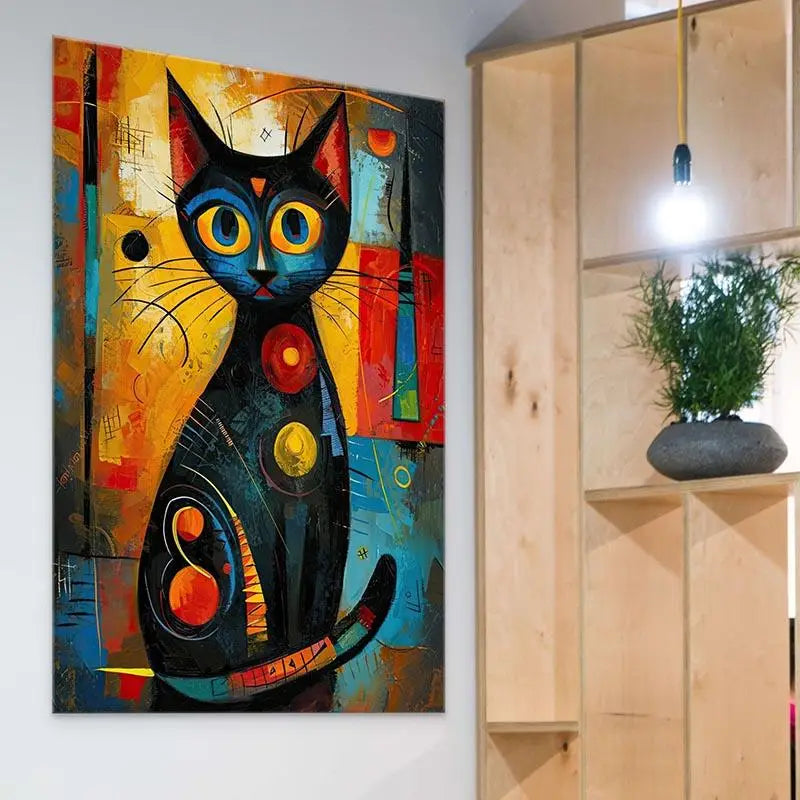
Abstract art : it emphasizes shapes, lines, and colors rather than a faithful representation of reality. It is perfect for a modern or minimalist interior.
-
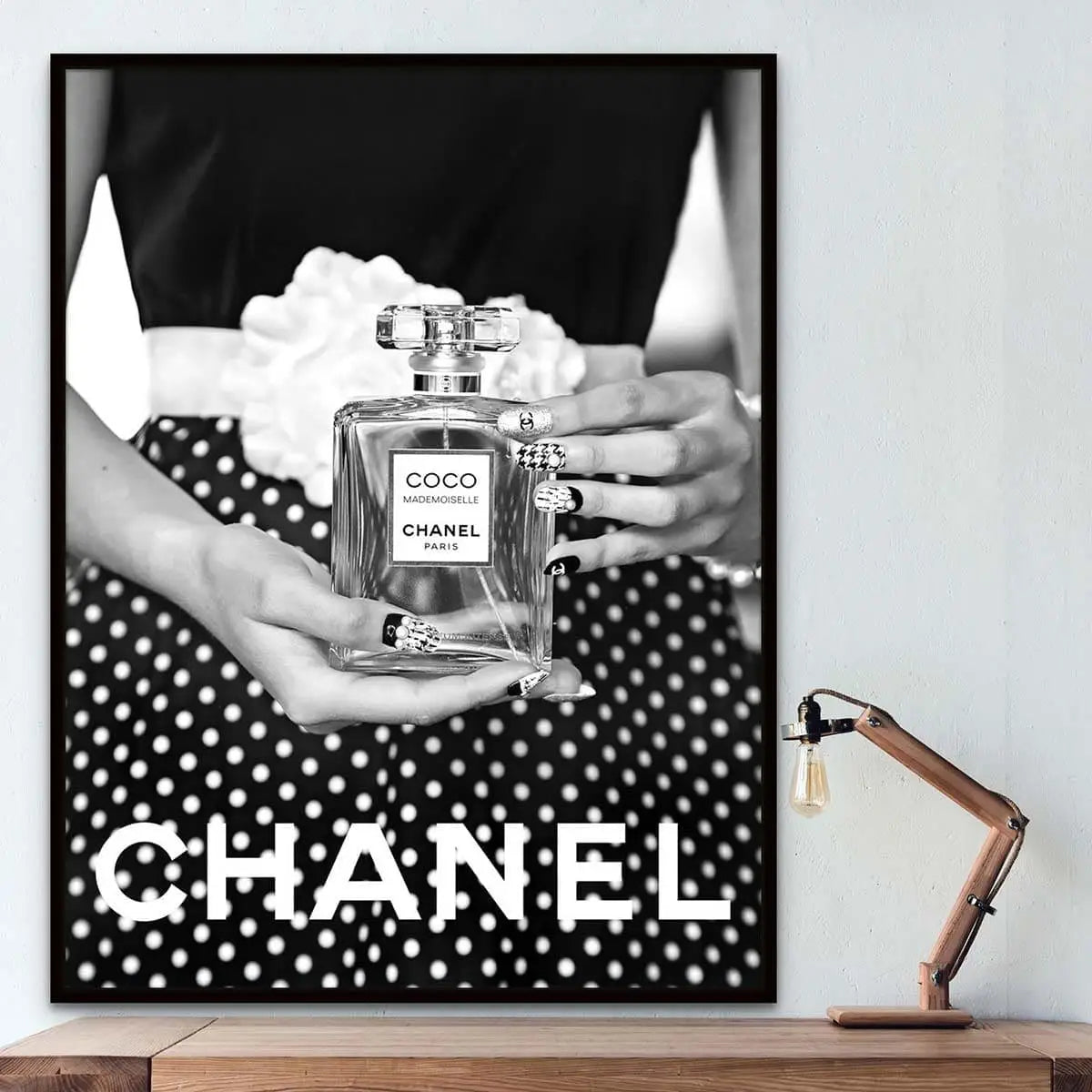
Pop Art : inspired by popular culture, advertising, and media icons, it adds a dynamic and original touch.
-
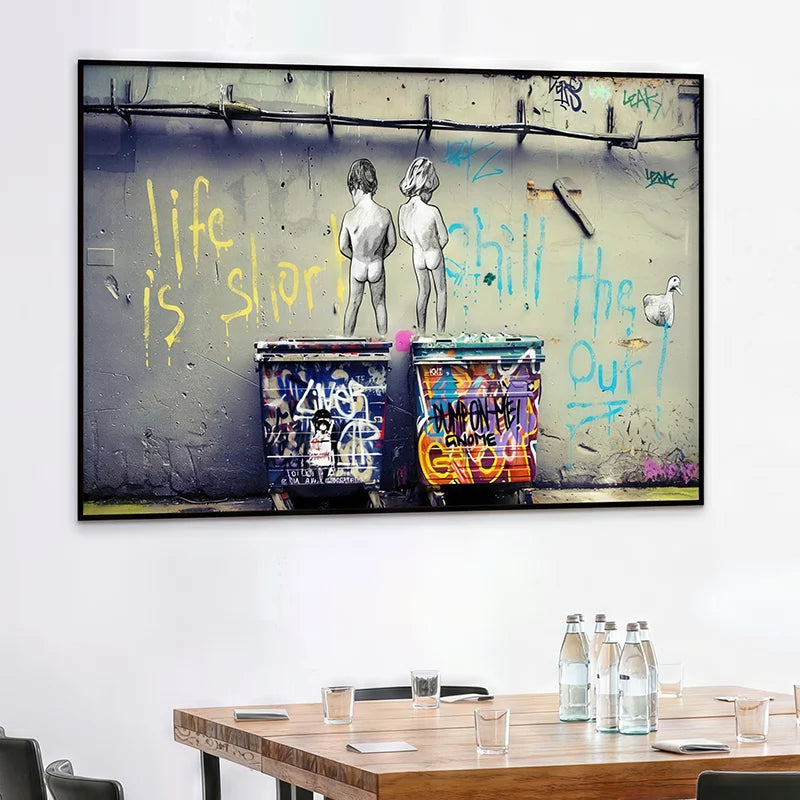
Street art : it brings urban energy to canvas through graffiti, stencils, collages, or bold graphic compositions.
-
Conceptual art : it places the concept and message at the forefront. It is an appealing option for anyone looking for a distinctive and thought-provoking piece.
You can also explore different themes such as contemporary landscapes, portraits, animals, flowers, or nature-inspired compositions.
To explore the topic further, discover our guide to innovations and new techniques in modern wall art.
An analysis cited by The Guardian in 2018 also highlights the positive influence of art on creativity and mental well-being. Beyond its decorative role, a piece of art can help create a more personal and inspiring atmosphere.
Choose a piece of art that reflects who you are

Choosing wall art means choosing an atmosphere. Before considering trends, ask yourself what you truly enjoy looking at every day.
Which colors naturally appeal to you? Do you prefer clean lines, expressive patterns, or softer compositions? Are you drawn to a piece for its beauty, the emotion it evokes, or the memory it brings to mind?
You do not need to know the entire history of art to appreciate a piece of wall art. What matters most is that it resonates with you.
A few tips for making the right choice
Consider:
-
the colors already present in the room;
-
the style of your furniture;
-
the natural light;
-
the size of the available wall space;
-
the emotion you want to evoke;
-
the room's purpose.
In a contemporary living room, a colorful abstract artwork can become a striking focal point. In a bedroom, softer shades or a calming landscape will create a restful atmosphere. In an office, a graphic composition can inspire creativity.
Wall art does more than simply fill an empty wall. It can bring rhythm to the room, highlight architectural features, or add a personal touch to an overly neutral interior.
Find the best location

Contemporary wall art deserves a place that showcases it beautifully. It needs enough visual space to breathe, without being hidden by bulky furniture or surrounded by too many accessories.
The wall above a sofa, console table, or sideboard is often a natural location. You can also display artwork in an entryway, bedroom, hallway, or workspace.
Keep proportions in mind
The size of the wall art should be in proportion to the wall and surrounding furniture.
A piece that is too small may get lost in the décor. Conversely, an oversized piece can throw the room off balance. Above a sofa, the wall art should generally be wide enough to create a harmonious look without extending excessively beyond the furniture.
Before drilling, you can cut paper to the dimensions of the wall art and temporarily attach it to the wall with painter's tape. This method helps you visualize the result and easily adjust the placement.
Create a gallery wall
If you enjoy rich compositions, combine several pieces of wall art in different sizes. A gallery wall can blend abstract works, illustrations, photographs, or posters.
To maintain visual harmony, choose at least one shared element:
-
a color palette;
-
a frame style;
-
an artistic theme;
-
consistent spacing between the artworks.
If you follow feng shui principles, also leave breathing space around the wall art. Balanced decor feels lighter and allows the eye to flow more freely through the room.
Optimize the lighting around your wall art
Lighting plays an essential role in how an artwork is perceived. Poor positioning can create glare, dull the colors or make certain details difficult to appreciate.
Choose soft, indirect natural light. Avoid exposing the wall art to direct sunlight for long periods, especially if the wall receives strong daylight.
In the evening, a wall light, adjustable spotlight or well-positioned ceiling light can enhance the artwork's contrasts and subtle tones.
The goal is to illuminate the wall art without creating distracting glare. Glossy finishes, such as acrylic glass prints, require particular attention to the direction of light sources.
Buy wall art that complements your interior

Once you have chosen the style and location, all that remains is to select the wall art and print medium.
There are many options:
-
Frameless poster : a lightweight, affordable option, ideal if you prefer to choose the frame yourself.
-
Stretched canvas on wooden frame : it adds depth and comes ready to hang.
-
Black floating frame : it highlights the artwork with an elegant, contemporary border.
-
White floating frame : it is ideal for bright, Scandinavian or minimalist interiors.
-
Plexiglass : its glossy surface enhances depth and color intensity.
The choice depends on your preferred style, budget, room and desired visual effect.
For natural decor, choose landscape wall art, botanical artwork or floral patterns. Soft colors such as sage green, beige, light blue or terracotta create a warm, relaxing atmosphere.
You can also explore our tips on trending colors and patterns for modern decor.
Create custom wall art

Custom wall art takes your decor one step further. It can feature a family photo, a trip, a landscape or a cherished memory.
Choose an original photograph
Start by selecting an image with genuine emotional value. It could be:
-
from a photo taken during a trip;
-
from a family portrait;
-
from a favorite landscape;
-
from a shared moment;
-
from a personal photo taken with your smartphone.
Exhibitions, online galleries, and platforms dedicated to contemporary art can also help you find original inspiration.
Choose the right format and material
Once you have chosen the photograph, it can be printed on a variety of materials. The format should suit the available space:
-
a horizontal format above a sofa;
-
a vertical format in an entryway or bedroom;
-
a square format for a balanced composition;
-
multiple panels to create panoramic wall decor.
A stretched canvas gives the image a warm presence. A floating frame provides a more structured finish, while an acrylic glass print offers a bright, contemporary look.
Before ordering, check the image quality, resolution, and framing. A sharp photograph will produce a more precise result, especially in a large format.
For more inspiration, explore our original ideas for decorating your walls.
Coordinate wall art with your accessories

Wall art should not be treated as an isolated element. It should complement the sofa, rug, lighting, curtains, and decorative objects.
Harmony does not mean everything has to match. It is about creating subtle connections between colors, materials, and shapes.
The perfect pairings
-
Des graphic cushions can enhance the energy of abstract wall art.
-
A soft rug pairs perfectly with minimalist artwork or a soothing landscape.
-
Le light wood adds warmth to nature-inspired wall art.
-
Le black metal highlights urban artwork and floating frames.
-
Des gold accents echo the luminous details of a contemporary composition.
-
A beige or ecru sofa allows the colors of the wall art to truly shine.
In a bedroom, choose soft materials and a soothing color palette. In a living room, you can opt for bolder colors or an oversized artwork.
Make the wall art the room's focal point
A carefully chosen piece of wall art can become the focal point of your interior. As soon as you enter the room, it draws the eye and sets the tone for all the furniture.
It can tell a story, evoke a memory, or simply add a bold splash of color to an understated interior. It is often what gives a living room character or creates a distinctive atmosphere in a bedroom.
Create a cohesive interior
To create a successful display, consider the elements already in the room:
-
the dominant colors of the sofa and walls;
-
the materials used in the furniture;
-
the shape of the light fixtures;
-
the presence of wood, metal, or glass;
-
the number of decorative objects;
-
the room's natural light.
A sleek designer interior is the perfect setting for abstract or graphic wall art. Bohemian decor pairs beautifully with landscapes, botanical patterns, or natural textures. An industrial atmosphere can be enhanced by street art or a black-and-white composition.
The key is to create a dialogue between the wall art and its surroundings. Every element should have its place without overwhelming the space.
Frequently asked questions
What wall art should you choose for a modern living room?
Abstract, graphic, or contemporary wall art is particularly well suited to a modern living room. Choose a piece featuring colors that echo the cushions, rug, or accessories in the room.
What size should you hang above a sofa?
Choose a horizontal format that is wide enough to balance the length of the sofa. If you have a large wall, a multi-panel composition can also create a spectacular effect.
Where should you hang wall art in a bedroom?
The wall above the headboard is an ideal location. To preserve a restful atmosphere, choose soft shades and avoid artwork that feels too visually intense.
Can direct light damage wall art?
Prolonged exposure to sunlight can gradually fade certain colors. Indirect light is preferable, and direct sunlight on the artwork should be avoided.
Which finish should you choose for a premium look?
A floating frame provides an elegant, contemporary finish. Stretched canvas brings added warmth, while an acrylic glass print creates a bright, modern look.
Conclusion
Contemporary art is far more than a simple decorative feature. It gives your interior a distinctive identity, defines the space, and reflects your personal taste.
To create beautiful wall decor, take the time to choose a piece you truly love. Consider the proportions of the room, coordinate the colors, perfect the lighting, and select a finish that complements your style.
Whether it is an abstract canvas, a pop art piece, street art wall art, or a custom creation, your wall art can become the centerpiece of your interior.
Discover more inspiration on Montableaudeco and imagine wall decor that truly reflects your personality.