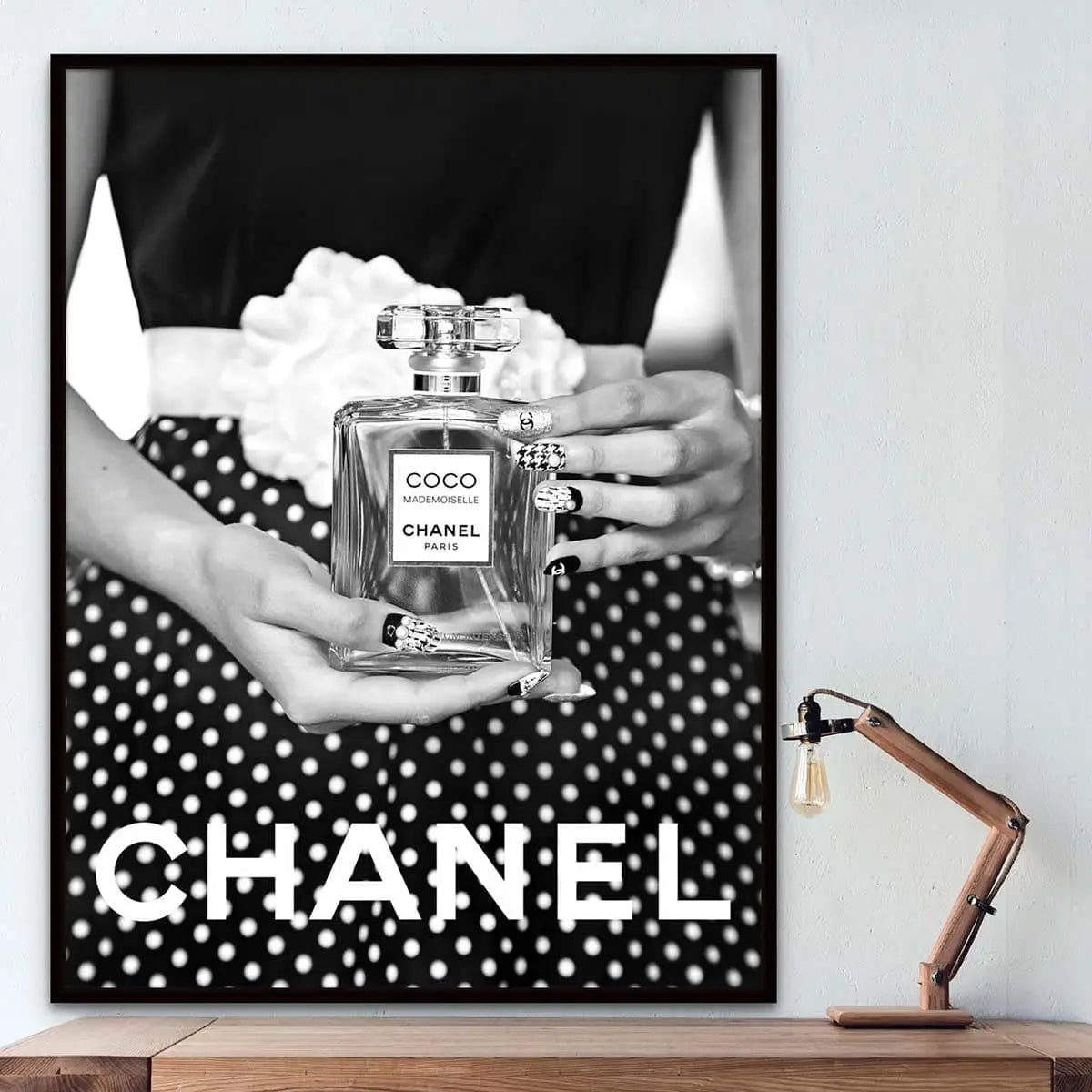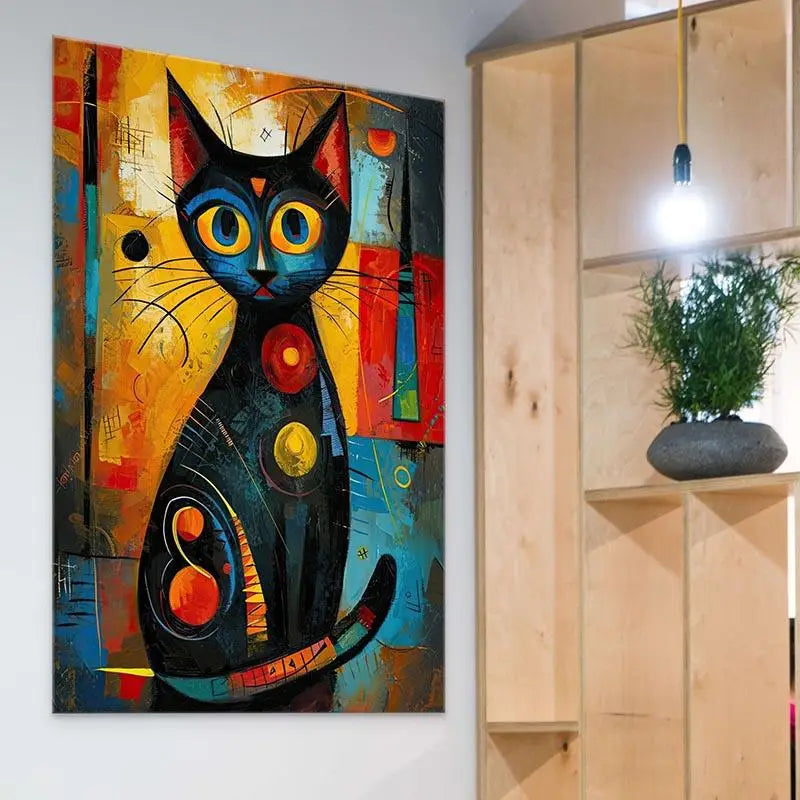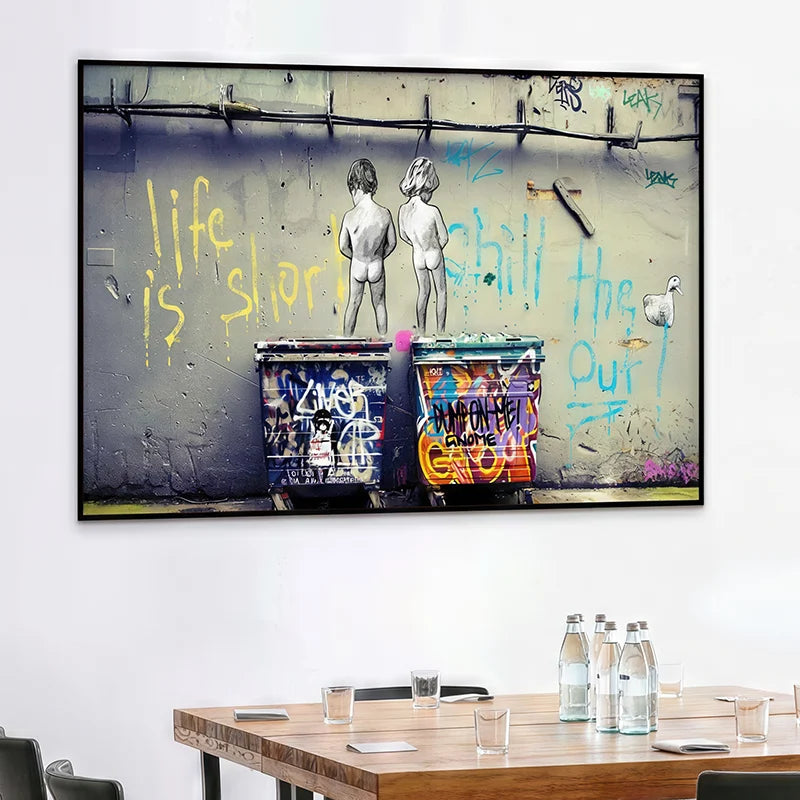

How do you create a harmonious and personal gallery wall?
A wall art collection is about more than simply lining up several frames on a wall. It tells a story, brings rhythm to the room and reveals your personality. When thoughtfully curated, a gallery wall can become the true centerpiece of your interior décor, whether in a living room, bedroom, office or entryway.

The secret to a successful display lies in a few simple decisions: choose a unifying theme, create a color palette, vary the sizes without losing balance and leave enough space between the works. This guide takes you through each step to create an elegant, personal feature wall that you will enjoy every day.
1. Define the theme of your wall art collection
Before choosing frames, start with your vision. What feeling do you want to create? A warm, natural atmosphere, a bold contemporary interior, a travel-inspired setting, a street art gallery or more soothing décor inspired by feng shui? This first decision will serve as your guiding theme.
The theme should be broad enough to encompass several works, yet specific enough to avoid a disjointed look. You can start with a subject — landscapes, animals, faces or architecture —, a technique, an era or simply an emotion. A collection centered on blue and light can bring together a seascape photograph, abstract wall art and a graphic illustration.
Three questions to find a unifying theme
- What story or passion do you want to express on your wall?
- Which colors are already present in your furniture and textiles?
- Should the collection draw attention or complement a calm atmosphere?
A personal theme gives the overall display greater impact. It can evoke a journey, a city, a passion for art or a family memory. Your décor then becomes more than a simple aesthetic choice: it takes on lasting emotional meaning.
2. Create color harmony

Color is often the first visible connection between several pieces of wall art. To create a balanced palette, choose one dominant shade, one or two secondary colors, and a neutral base. This approach prevents the display from feeling scattered while allowing each artwork to retain its own identity.
Use the 60-30-10 rule
A neutral base can make up around 60% of the visual environment: walls, the sofa, or large furniture. A secondary color can account for 30% of the overall scheme through a rug, curtains, or several artworks. The remaining 10% is reserved for the most vibrant accents: red, yellow, electric blue, deep green, or gold.
This proportion is not a strict rule. It simply helps prevent an abundance of bold colors from overwhelming the eye. In a bedroom, choose soft tones and moderate contrasts. In a living room or office, you can embrace a more expressive palette.
Create a connection between the artworks
The pieces of wall art do not need to be identical. A single detail simply needs to echo from one artwork to another: a touch of terracotta, a black line, a golden highlight, or a shade of blue. These subtle echoes create visual continuity and make the collection feel thoughtfully curated as a whole.
For more guidance on choosing shades, explore our tips on trending colors and patterns for modern decor .
3. Play with shapes and space
Harmony does not depend on color alone. Shapes create the structure of the composition and naturally guide the eye. A panoramic artwork adds a horizontal dimension, a vertical format complements the height of a wall, and a square piece of wall art anchors the overall display.
Vary sizes without creating clutter
A display made up entirely of small pieces can feel scattered. Conversely, several large pieces of wall art in the same size may look too rigid. Combine one main piece with smaller supporting artworks while maintaining a shared alignment or breathing space.
Leave room for empty space
The space between two pieces of wall art plays the same role as silence in music. It gives the eye a moment to rest and prevents the artworks from blending together. A completely filled wall may look impressive at first glance, but it can quickly feel visually overwhelming.
Before drilling, test the arrangement using sheets of paper cut to the dimensions of your frames. You can move the elements around, compare several layouts, and check the flow around your future gallery wall.
4. Select the artwork and media
The selection lies at the heart of the project. Take the time to study each piece of wall art: its subject, level of detail, brightness, and the emotion it conveys. Then ask yourself whether it reinforces your chosen theme or adds a genuinely valuable contrast.

Mix different styles with subtlety
A black-and-white photograph can soften a series of colorful wall art pieces. A minimalist illustration can enhance a more detailed artwork. Even a mix of abstract art, landscapes, and pop art works when the color palette or graphic rhythm creates a sense of cohesion.
Choose a cohesive finish
The medium plays a key role in the collection's overall aesthetic. An unframed poster creates a light, airy look and makes it easy to change the frame. A stretched canvas on a stretcher frame adds artistic presence. A black or white floating frame gives structure to the arrangement, while an acrylic glass print creates a glossy, highly contemporary finish.
| Material | Achieved style | Best if... |
|---|---|---|
| Frameless poster | Lightweight, versatile, and affordable. | You want to choose the frame yourself. |
| Canvas on a stretcher frame | Artistic and warm. | You are looking for ready-to-hang wall art. |
| Floating frame | Elegant, structured, and gallery-like. | You want an outline that highlights the artwork. |
| Plexiglass | Glossy, graphic, and contemporary. | The room's lighting and reflections are carefully controlled. |
For styling inspiration, read our guide to creating art galleries at home .
5. Create a balanced gallery wall
A successful arrangement guides the eye. Start by positioning the most striking piece, then build around it. It may be the largest, the most colorful, or simply the one with the greatest sentimental value.
Three easy-to-recreate layouts
- The centered arrangement: one large piece in the middle, surrounded by smaller formats. It works well above a sofa or sideboard.
- The uniform grid: several pieces of similar size, aligned with consistent spacing. It creates a sleek, contemporary look.
- The organic arrangement: varied formats balanced through colors and lines. It works well in more creative and welcoming interiors.
In every case, check the overall silhouette of the arrangement. It should remain balanced even when you squint slightly or view the wall from the room's entrance. The eye should flow naturally without being stopped by a disproportionately sized element.
6. How to hang your wall art successfully

Positioning the center of the arrangement at eye level
For artwork displayed in a living space, the center should generally be at eye level. Above a sofa or piece of furniture, adapt this rule to maintain a visual connection with the furniture and prevent the artwork from sitting too close to the ceiling.
Preparing the wall before drilling
Cut out paper templates matching the dimensions of your wall art, then secure them with painter's tape. This step allows you to test the spacing between frames, alignment, and the overall size of the gallery wall. Also check the wall type and choose hardware suited to the weight of each piece.
Directing the eye and lighting
When the artwork features people, animals, or landscapes, direct the subjects toward the center of the arrangement. Indirect lighting or track lighting can bring out the colors without creating distracting glare. Acrylic glass prints require special attention if the wall faces a window or a bright light source.
7. Tailoring your collection to each room
| Room | Desired ambiance | Wall art ideas |
|---|---|---|
| Living room | Warm, welcoming, and expressive. | Abstract art, landscapes, street art, or a large colorful composition. |
| Bedroom | Soft, calm, and enveloping. | Natural tones, delicate illustrations, and soothing photography. |
| Home office | Stimulating yet easy to take in. | Portraits, architecture, pop art, or inspiring messages. |
| Entryway | Welcoming and instantly recognizable. | Vertical format, triptych, or artwork with strong visual impact. |
If you appreciate feng shui principles, choose an arrangement that allows the eye to flow freely and avoid cluttering walkways. In a bedroom, limit overly aggressive images or very strong contrasts. In a living room, however, a more dynamic piece can complement the room's welcoming energy.
8. Follow trends without losing your style
Trends can help you find a color palette, finish, or layout idea. However, they should not replace your personal taste. A perfectly on-trend wall with no connection to your personality will quickly lose its appeal.
To keep your decor fresh and personal, combine a statement piece with more timeless artwork. Modern wall art can complement travel photography, a family illustration, or a landscape. This pairing creates a vibrant interior that can evolve over the years.
You can also refresh your collection with small changes: swap out a poster, move a small piece, or add new artwork that picks up an existing color. This flexibility means you do not have to redo the entire wall every time your style changes.
Frequently asked questions about decorative wall art collections
How many pieces of wall art do you need to create a gallery wall?
There is no ideal number. Three pieces are enough for a balanced arrangement, while a large wall can accommodate five or more. The key is to maintain a visual connection between the pieces and keep the spacing even.
Do you need to choose wall art in the same style?
No. You can mix photography, abstract art, illustration, or street art. To maintain harmony, use a shared color palette, similar frames, or a common theme.
How much space should you leave between two pieces of wall art?
Moderate, even spacing makes the overall arrangement easier to appreciate. Adjust it to the size of the artwork: smaller pieces can be placed closer together, while large wall art needs more room to breathe.
How do you choose a collection for a small room?
Choose a few well-proportioned sizes, a light color palette, and designs that do not overwhelm the eye. A vertical arrangement or a small grid can add character without making the space feel smaller.
Create a wall that reflects your style
Choose a theme that inspires you, a palette that complements your interior, and sizes suited to your wall. Discover our decorative wall art to create a personal, harmonious gallery.
A successful art collection strikes a balance between planning and intuition. Colors, shapes, materials, and spacing create cohesion; your memories and tastes give it soul. Take the time to try several layouts, then trust your eye: the best wall is one that feels like you.