
Wall décor
The entryway is the first space guests see when they arrive at your home. Yet it is often treated as merely a passageway. Yet a piece of wall art in an entryway is all it takes to define the wall, add character and create a wow effect from the moment you step inside.
The right choice depends on the wall width, lighting, furniture and the atmosphere you want to create. A vertical format in a hallway, a gallery wall in a large entryway or colorful canvas facing the door: here is a simple method for choosing wall art that feels balanced and easy to live with.

1. Why hang wall art in the entryway?
A decorated wall instantly gives the space a sense of purpose. The wall art can carry the living room style through, introduce color or create a transition between the outdoors and the living spaces. It also adds a personal touch where a mirror or console table alone might feel too functional.
In a small entryway, a vertical artwork draws the eye upward and accentuates the height of the wall. In a wider entryway, a horizontal piece can balance a console table or bench. The aim is not to fill every inch, but to create a clear focal point as soon as you arrive.
- Give character to an often-overlooked space.
- Create a focal point as soon as the door opens.
- Create a seamless connection between the entryway décor and the rest of the home.
- Add color or texture without undertaking major renovations.

2. Measure the wall and choose the right placement
Before exploring styles, measure the available width and height. Also note the depth of the console table, the clearance needed for doors and the walkway. An entryway should remain easy to navigate: the wall art must not catch on a bag, obstruct a handle or restrict movement.
At what height should you hang wall art?
Position the center of the artwork at eye level, then adjust based on whether there is a console table or bench. Above a piece of furniture, leave consistent visual spacing rather than placing the wall art too close to the surface. Make a paper template and temporarily attach it to the wall: this step prevents misplaced holes and lets you assess the scale from the doorway.
A narrow wall, an alcove or a large expanse of wall
A narrow wall often calls for a vertical format or a pair of small stacked frames. In an alcove, choose a width slightly narrower than the recess. On a large wall, a single piece of wall art can be spectacular, but an arrangement of two or three artworks creates more rhythm if the furniture is already in place.

3. Which wall art style should you choose for a wow effect?
The style should match the atmosphere you want to experience when you come home. A minimalist entryway can accommodate a bold composition, while an already richly decorated space will benefit from a more understated artwork. Do not do not choose solely because an image is on trend: ask yourself whether you will still enjoy it when you see it every day.
| Style | Mood created | Pair with |
|---|---|---|
| Contemporary | Minimalist, elegant and modern. | Slim console table, metal, light wood. |
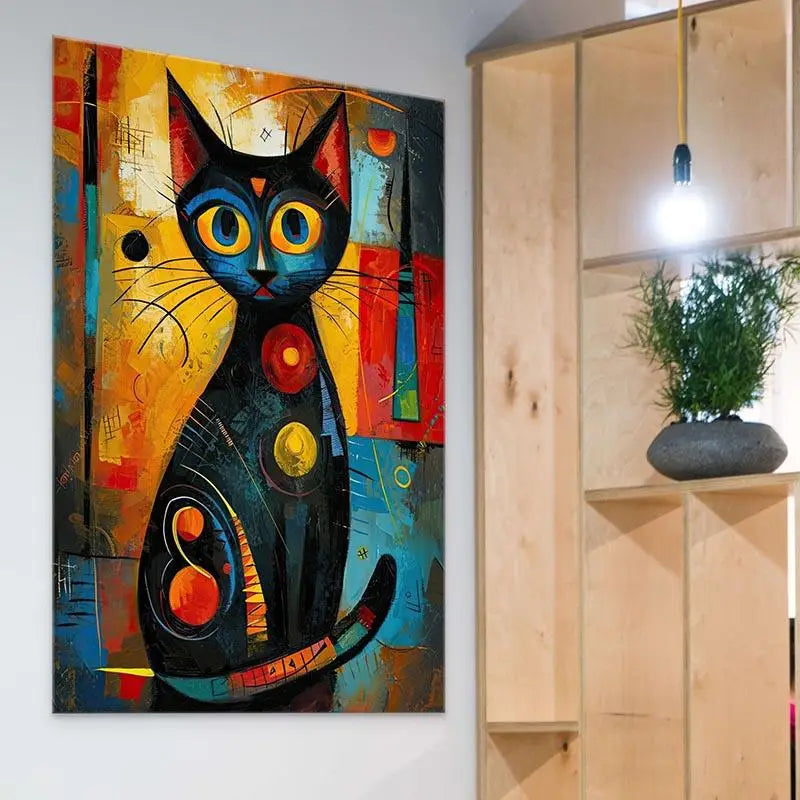
| Abstract | Graphic, expressive and personal. | Neutral walls and understated accessories. |
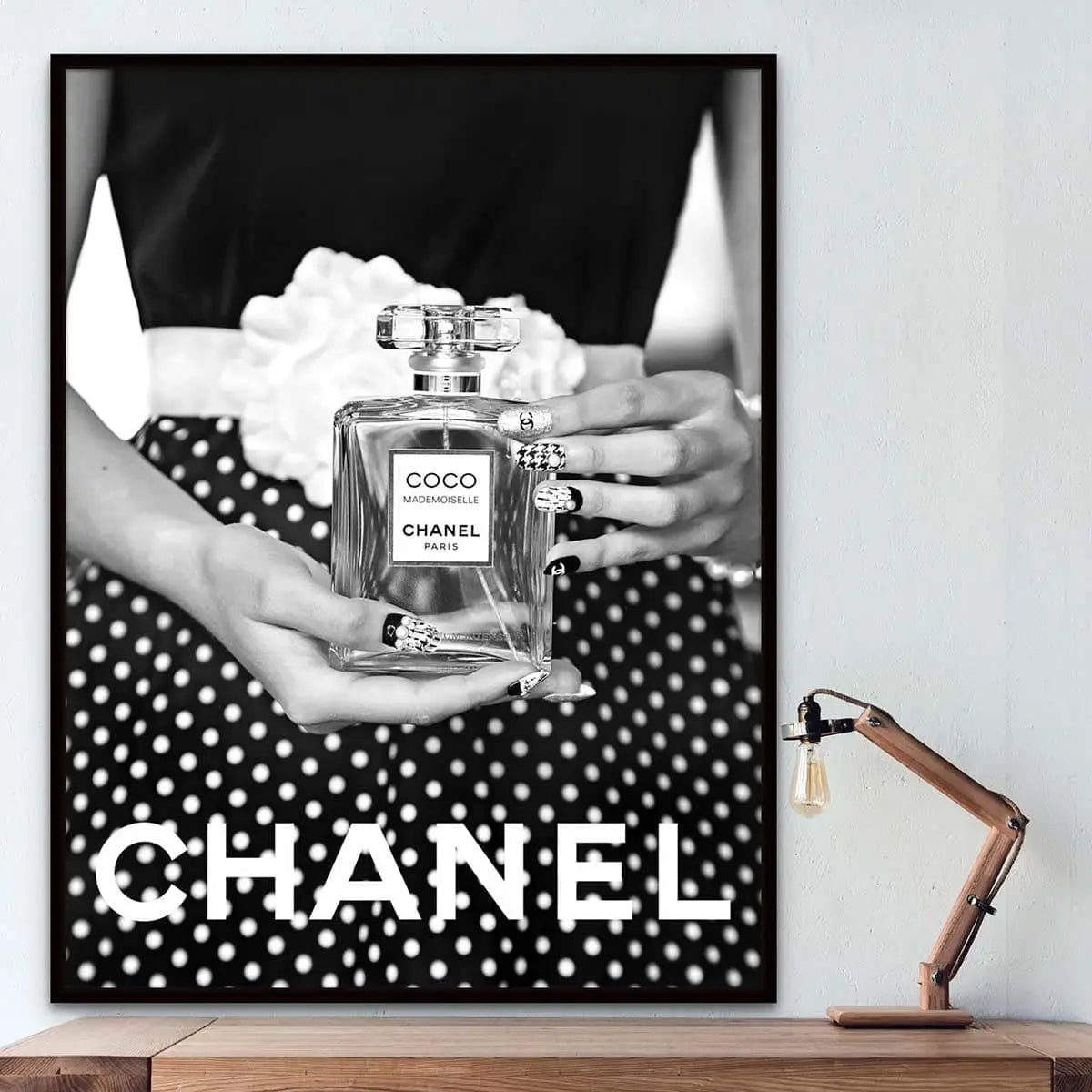
| Photography | Evocative, warm and narrative. | Wood, natural fibers, soft lighting. |
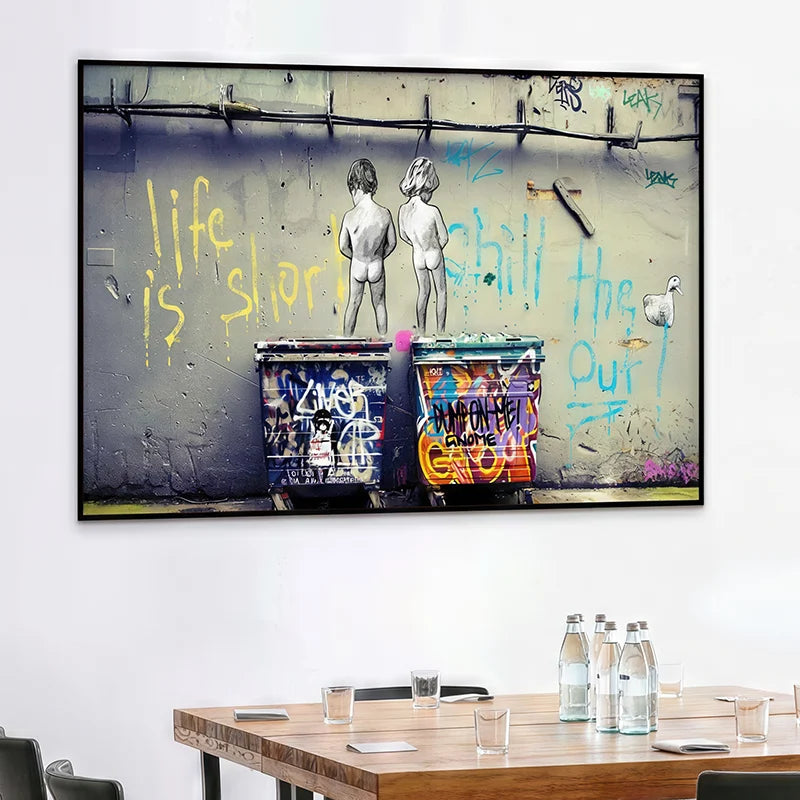
| Street art or pop art | Dynamic, colorful and bold. | Solid-color furniture and matching color accents. |
For a chic entryway, abstract wall art with clean lines may be all you need. For more vibrant decor, choose a colorful image but repeat one or two colors in a vase, rug or cushion. You can browse our selection of contemporary wall art to compare these styles.

4. Coordinate colors, materials and furniture
For natural harmony, start with the dominant wall color and the elements already in place. On a white wall, almost anything works, but a touch of brass, black, wood, or blue prevents it from looking like a randomly placed object. On a colored wall, choose wall art that echoes an existing shade or creates intentional contrast.
The 60-30-10 rule, adapted to the entryway
A neutral base can take up around 60% of the visual space, a secondary color 30%, and an accent shade 10%. This is not a rigid rule: it simply helps prevent an overload of colors. A navy blue and terracotta wall art, for example, can complement a wooden console table and a beige rug without overcrowding the walkway.
- Light wood: warms up graphic or monochrome wall art.
- Black metal: accentuates modern lines and contrasts.
- Brass or gold: adds an elegant touch when used sparingly.
- Linen, jute, and ceramics: soften a highly colorful piece.

5. Choosing the format and medium of your wall art
The format should complement the architecture of the entryway. A vertical wall art piece suits a narrow wall or a high ceiling. A horizontal format works above a wide console table. Several small sizes allow you to build a gallery wall gradually, provided you maintaining even spacing.
Which medium should you choose for an entryway?
- Frameless poster: lightweight and versatile, ready to frame in your preferred style.
- Stretched canvas on wooden frame: a warm presence, with no glass to reflect the light.
- Black or white floating frame: a sleek finish that highlights the artwork.
- Plexiglass: a glossy, contemporary finish that should be positioned to avoid direct reflections.
In a high-traffic area, check that the mounting is secure and the piece is easy to clean. To compare sizes, finishes, and styles, browse the modern wall art collection. If your entryway is very understated, a piece from the abstract wall art collection can add the desired sense of movement.
6. Light the wall art to enhance it
A wall art piece may be perfectly chosen yet remain unnoticed if it is poorly lit. Make the most of natural light first, then add more if needed a wall light, adjustable track lighting or an adjustable spotlight. Direct the light source slightly toward the surface to reduce shadows and glare.
A warm LED bulb creates a welcoming entryway. For highly colorful wall art, neutral lighting may preserve the shades more effectively. Test the lighting in the evening from the angle where you first see the room, and avoid a light source that shines directly into your eyes when the door opens.
- Choose an adjustable light fixture rather than one aimed at random.
- Avoid direct glare on acrylic glass prints or glass.
- Install a switch that is easy to reach without crossing the entire entryway.
- Keep the lighting soft to avoid making the entryway feel harsh.

7. Installing and caring for wall decor
Identify the wall material before drilling: drywall, brick, concrete or an older wall require different wall anchors. Choose the mounting hardware according to the weight and size of the wall art, then check that it is level. In an entryway high-traffic area, a secure mounting is essential to prevent a frame does not tip over at the slightest touch.
Dust the frame regularly with a soft, dry cloth. For a poster, canvas or acrylic glass print, follow the care instructions for the material and avoid abrasive products. Prolonged exposure to direct sunlight can also alter certain colors: check the orientation of the window before choosing the final placement.
8. Mistakes to avoid to preserve the wow factor
- Choosing without measuring: the wall art looks lost or obstructs the walkway.
- Overcrowding the wall: too many objects distract the eye as soon as you enter.
- Ignoring the lighting: colors become dull or the surface creates glare.
- Mixing unrelated styles: the overall design loses its visual harmony.
- Hanging it too high: the artwork feels disconnected from the furniture and the viewer's eye level.
If in doubt, remove an accessory rather than add one. A A well-designed entryway leaves breathing room around the wall art and maintains comfortable flow. Empty space is an important part of the composition.
9. Three easy-to-recreate ideas
Minimalist black and white entryway
Choose a graphic poster or abstract wall art in black, white and gray. Pair it with a slim console table, a discreet mirror and a light fixture matte black. A few wood accents keep the result from feeling too cold.
Warm entryway in natural tones
Choose a photograph or a composition in beige, terracotta and soft blue soft tones. Add a woven basket, a light wood console and a textured rug. Together, these elements create a soothing welcome, particularly well suited for Scandinavian or contemporary interiors.
Expressive, colorful entryway
Make a modern or street art piece the focal point. Keep the furniture understated, then echo one color from the artwork in a vase, cushion or coat hook. This approach lets you embrace a bold artwork without turning the entryway into a jumble of patterns.

10. Frequently asked questions about wall art in an entryway
What wall art should you choose for a small entryway?
Choose a vertical format or an arrangement of small frames, with a light, uncluttered palette. Measure the wall and keep a clear walkway before choosing the final size.
How high should wall art be hung above a console?
Position its center at eye level and leave an even gap between the bottom of the wall art and the console. A paper template allows you to check the result from both the doorway and the hallway.
Which medium is most durable in an entryway?
The choice mainly depends on exposure, weight and the desired style. A stretched canvas creates a warm look, while a floating frame provides a crisp finish, while an acrylic glass print has a glossy look. In all cases, adapt the wall mounting and clean gently.
How can you light wall art without creating glare?
Use a spotlight or adjustable wall light, positioned slightly off-center relative to the surface. Check the angle from the walkway and avoid light aimed directly at the eyes or at an acrylic glass print.
Can wall art and a mirror be paired in an entryway?
Yes, as long as each element retains its own visual space. Place the wall art on the main wall and the mirror to one side, or create a balanced pairing with complementary shapes and colors.
Create an entryway that reflects your style
Well-proportioned wall art, a cohesive color palette and suitable lighting are enough to transform the first impression of your interior. Explore our collections and choose the artwork that will set the tone for your decor.
View contemporary wall art