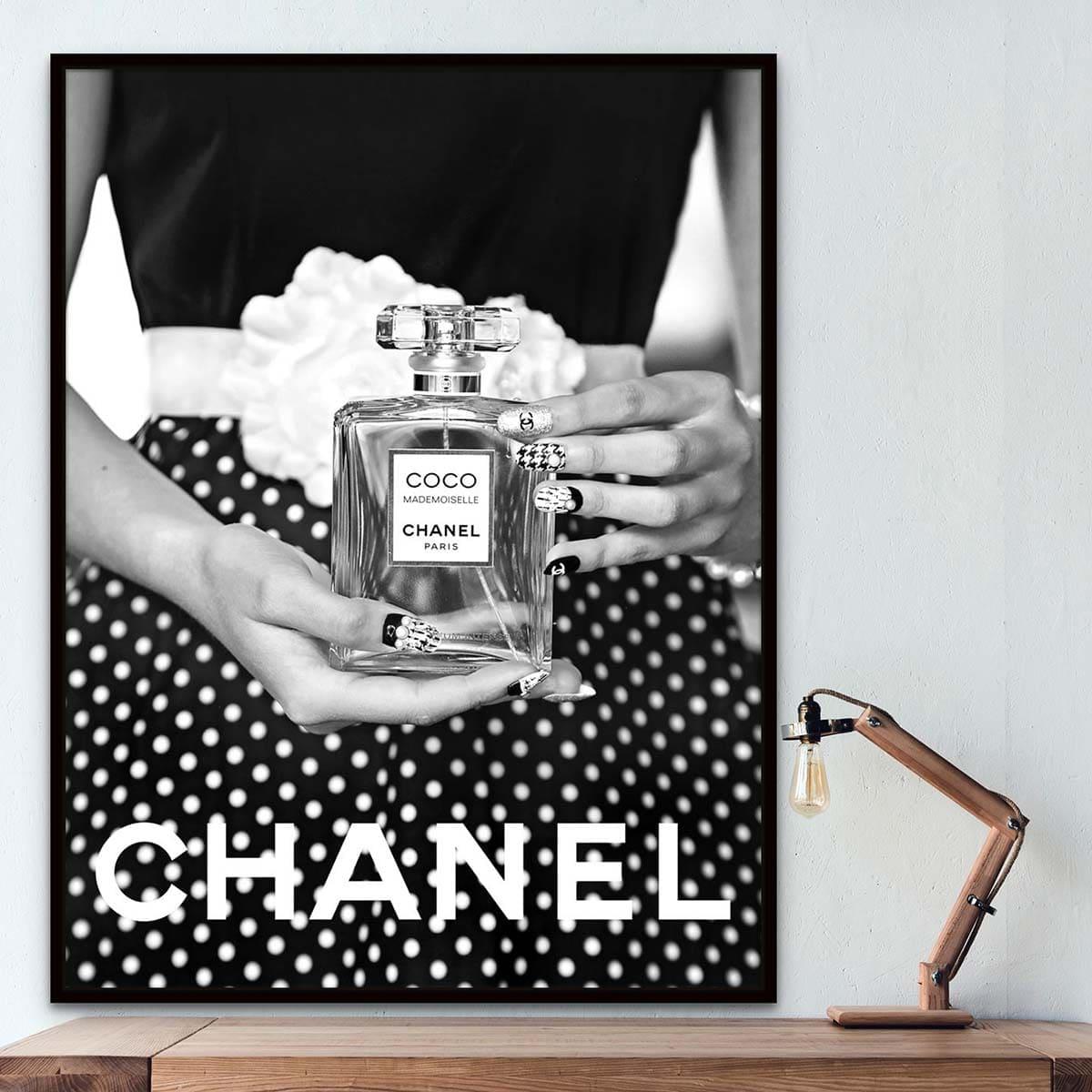

how to arrange 3 pictures on a wall
Hanging three paintings on a wall can transform a room. It adds character and depth to your space. But how do you go about achieving a harmonious result?
Wall art is more than just decoration. It reflects your personality and style. A good arrangement of pictures can make all the difference.
Choosing the right wall is crucial. It should showcase your paintings without overloading the space. Think about visual balance and color harmony.
Decorative paintings must be carefully aligned. Use precise measuring techniques to avoid errors. Lighting also plays a key role in showcasing your art.
Experiment with different layouts. Straight, triangular, or L-shaped, each configuration has its own charm. Let your creativity run wild.
Don't forget the importance of spacing between tables. If they are too close together, they can look cluttered. If they are too far apart, they lose their impact.
Finally, adapt your layout to the existing interior decor. Your paintings should complement the furniture and accessories.

Why arrange three paintings on a wall? The challenges of wall art
Wall art plays a crucial role in the aesthetics of a room. A good arrangement of paintings can transform the atmosphere of a space. It influences harmony and visual balance.
The effective arrangement of three paintings can have a powerful decorative impact. It can accentuate architectural features or conceal flaws. This goes far beyond aesthetics.
Well-arranged paintings can reflect your personal style and artistic taste. They add a personal touch to your interior design. The choices you make can express your personality.
A thoughtful placement takes various elements into account. The dimensions of the paintings, their style, and their colors are decisive factors. Lighting, meanwhile, subtly enhances each room.
Here are a few reasons to arrange your paintings properly:
-
Create a strong focal point in the room.
-
Ensure visual balance.
-
Complement the surrounding furniture.
-
Harmonize colors and styles.
-
Manipulate proportions to enlarge the space.

Preparing your project: choosing the wall, pictures, and style
Before hanging three paintings on a wall, it is essential to choose the right wall. Opt for a space that naturally attracts the eye. Empty walls near entrances or above furniture work well.
The size of the paintings should be in harmony with the proportions of the wall. Large paintings can dominate a small space. Conversely, small works can get lost on a large wall.
The style of the paintings is also a key element. It should complement the overall theme of your interior design. Opt for similar styles or create a bold contrast.
Lighting plays a crucial role in showcasing paintings. Ensure that the selected wall has good natural or artificial lighting. Poor lighting can detract from even the most captivating works of art.
Here are some tips for a successful project:
-
Analyze the natural light on the wall.
-
Select tables of various sizes for added dynamism.
-
Ensure that the style of the artwork complements your decor.
-
Consider the color of the wall to avoid visual conflicts.
By preparing this project, you are laying the foundations for successful wall decoration. Careful planning ensures a satisfying and consistent end result.

by Muhammad Shakir (https://unsplash.com/@muhammad_shakir)
The golden rules for harmonious layout
Creating a harmonious arrangement of paintings on a wall requires following certain basic rules. These ensure visual balance and showcase each piece.
First, consider symmetry and asymmetry. A symmetrical layout provides a sense of order and stability. Asymmetry, on the other hand, can bring dynamism and interest.
Alignment is also crucial. Ensure that tables are properly aligned, either by their top edges or by their centers. Consistent alignment creates visual continuity.
Spacing between paintings is another essential rule. Good spacing prevents a cluttered effect and allows each piece of wall art "breathe." Keep the distance uniform or adjust it slightly depending on the size of the pieces.
Here are a few rules to follow for a harmonious layout:
-
Maintain consistent alignment.
-
Respect symmetry or play with asymmetry.
-
Adjust the spacing according to the dimensions of the tables.
-
Consider lighting to avoid unwanted shadows.
Finally, consider the height at which you hang the paintings. As a general rule, the center of the paintings should be at eye level. This ensures that the works are easily visible and appreciated.
By following these rules, you can ensure that your paintings will be displayed in an elegant and striking manner. Harmony in the layout amplifies the visual appeal of your wall art.

by Rick Rothenberg (https://unsplash.com/@rick_rothenberg)
The main provisions for 3 tables: ideas and inspiration
Arranging three paintings on a wall can significantly transform your space. The choice of layout is crucial to maximizing visual impact.
One of the classic ways to arrange three paintings is in a straight line. This can be done both horizontally and vertically, providing clean lines and a sense of order.
Another popular arrangement is the triptych layout. This method involves three paintings of the same size, often with a common theme, aligned side by side.
The L-shaped layout is ideal for corners or for creating visual separations. It adds depth and dimension to your wall decor.
For those who prefer a less conventional look, a triangular or asymmetrical layout can be very effective. It adds a modern and dynamic touch.
Here are some layout ideas:
-
In a straight line (horizontal or vertical)
-
As a triptych (three paintings aligned)
-
L-shaped (ideal for corners)
-
Asymmetrical or triangular (for a modern style)
The impact of your choice will also depend on the location of the paintings and how they interact with the space around them. Incorporate elements such as lighting to accentuate the artwork.
Consider playing with sizes and shapes for added visual interest. Balance colors and textures for decorative harmony.
Ultimately, the important thing is that the layout reflects your personal style and complements your space. Let your creativity run wild.

by Claudio Schwarz (https://unsplash.com/@purzlbaum)
Straight line arrangement (horizontal or vertical)
Aligning tables in a straight line is a simple but elegant option. This works well for long, narrow spaces such as a hallway.
For this arrangement, measure accurately to ensure equal spacing. This accentuates a visual effect of continuity.
Quick list of steps:
-
Measure the total length of the wall.
-
Divide by the number of tables plus the spacing.
-
Mark the attachment points.
The horizontal layout creates an impression of width. Conversely, a vertical layout draws the eye upward, ideal for rooms with high ceilings.

by Pawel Czerwinski (https://unsplash.com/@pawel_czerwinski)
Triptych or L-shaped layout
The triptych is perfect for telling a story with images. It is often used with paintings that share a theme or color palette.
For an L-shaped layout, consider the angle of your wall. This can create an interesting visual niche.
Here's how to proceed:
-
Choose paintings of the same size for harmony.
-
Ensure that the center point is properly focused.
-
Use a level to check alignment.
Triptychs work well above low furniture. L-shaped arrangements are suitable for corners and separate spaces.

by BP Miller (https://unsplash.com/@bp_miller)
Triangular or asymmetrical arrangement
A triangular arrangement intrigues and immediately catches the eye. It's perfect for those who love dynamism and originality.
For an asymmetrical arrangement, mix frames of different sizes. This adds interest and character.
Steps to successfully implement this provision:
-
Start by placing the wall art .
-
Add the others in such a way as to visually balance the whole.
-
Check the overall visual effect and adjust if necessary.
These features transform spaces, turning even the simplest wall into a captivating element.

by Peter Steiner 🇨🇭 1973 (https://unsplash.com/@pedrino5_official)
Practical tips for measuring, aligning, and hanging your pictures
The perfect arrangement of paintings begins with precise measurements. Proper alignment is essential for an elegant aesthetic.
Before you begin, make sure you have a tape measure and a spirit level. These tools will help you hang your artwork accurately.
Here are the steps for measuring effectively:
-
Measure the total width of the wall.
-
Determine the average height of the tables.
-
Set the desired spacing between them.
Once the measurements have been taken, it is time to mark the fixing points. Use painter's tape to do some visual tests.
Here's how to proceed:
-
Place the strips on the wall, representing the edges of the frames.
-
Step back to see the whole picture.
-
Adjust until you achieve a harmonious result.
To avoid damaging the wall, choose suitable hooks. Self-adhesive hooks or mounting strips are ideal options.
When hanging pictures, make sure they are at eye level. This creates a natural and pleasant visual connection.
Consider the lighting in the room, as it affects the impact of the artwork. Adjust if necessary to avoid annoying reflections.

by Christian Kaindl (https://unsplash.com/@christiankaindl)
Laser levels can simplify the task. They ensure perfect alignment from start to finish.
Finally, keep in mind that patience and precision are your allies. Take the time to do things right.

by Kelly Sikkema (https://unsplash.com/@kellysikkema)
Adapt the layout to the room and interior design
Integrating paintings into a room requires thought and consistency. Their placement must harmonize with the existing style.
Observe architectural elements such as windows and doors. These elements influence the visual balance and layout of the paintings.
Consider the color palette of your space. Your paintings should complement or contrast nicely with the surrounding decor.
Here are some tips for adjusting the layout:
-
Analyze the size and function of the room.
-
Evaluate the patterns and textures present.
-
Synchronize the layout with the lines of the furniture.
Paintings can also serve as focal points. A white wall with a colorful triptych can energize a monotonous room.

by Europeana (https://unsplash.com/@europeana)
The style of the frames also influences the character of the space. Modern frames for a contemporary feel; ornate frames for a classic look.
Finally, ensure that the hanging respects the proportions of the room. A symmetrical arrangement on a long wall will add structure, while an asymmetrical composition will introduce dynamism.
Pro tips: play with colors, frames, and lighting
The colors of your paintings play a crucial role in the harmony of your space. Choose shades that complement your interior decor.
Frames are the finishing touch that can transform the look of your wall art. Choose frames that enhance the artwork without stealing the show.
Lighting is often overlooked, but it can transform the appearance of your art. Good directional lighting accentuates details and creates ambiance.
Here are some tips to maximize visual impact:
-
Use directional lights to highlight.
-
Apply contrasting frames to the wall.
-
Play with background colors to attract attention.

by Claudio Schwarz (https://unsplash.com/@purzlbaum)
Finally, consider varying the materials used for the frames. Wood adds warmth, while metal adds a modern touch. Each choice has a profound effect on the overall visual impact and ambiance.
Avoiding common mistakes when arranging three tables
Arranging three pictures on a wall may seem simple, but a few mistakes can affect the appearance. Too much space between the frames gives a scattered look.
Ignoring color harmony can create a sense of disorder. Make sure the pieces complement each other.
Finally, avoid not using levels when hanging pictures; this can give an impression of imbalance.
Here are some common mistakes to avoid:
-
Irregular spacing.
-
Misalignment of tables.
-
Neglect of harmonious colors.
Keeping these points in mind will ensure an attractive and balanced arrangement of your pictures on the wall.
Examples of projects and decorating inspiration
Inspiration can come from many sources when arranging three paintings on your wall. By exploring concrete examples, you can discover unique and creative arrangements. Whether symmetrical or asymmetrical, each project tells a unique story.
Here are some ideas to stimulate your creativity:
-
Symmetrical arrangement above the sofa.
-
Colorful triptych in a modern kitchen.
-
Vertical layout in a narrow hallway.

by Logan Voss (https://unsplash.com/@loganvoss)
Each of these creations can transform an ordinary space into a place of artistic and personal expression. Use these ideas to enhance your interior and reflect your style.
FAQ: Your questions about arranging three pictures on a wall
Do you have questions about wall art? We answer your most common questions. Your creativity can transform any wall into a masterpiece.
Here are some questions frequently asked by our readers:
-
What is the best height to hang my pictures?
-
Can I mix different frame styles?
-
How can you avoid damaging the wall when hanging pictures?
This FAQ can help you overcome your doubts and get started on your interior design project.
Conclusion: Dare to personalize your wall decor
Personalizing your space with artwork is an artistic adventure. Each wall is a canvas for expressing your unique style. Don't be afraid to experiment and innovate with your arrangements.
Your home deserves to be a reflection of who you are. Let your walls tell your story with creative and inspiring designs.