
Street Art in France: From Alleys to Art Galleries
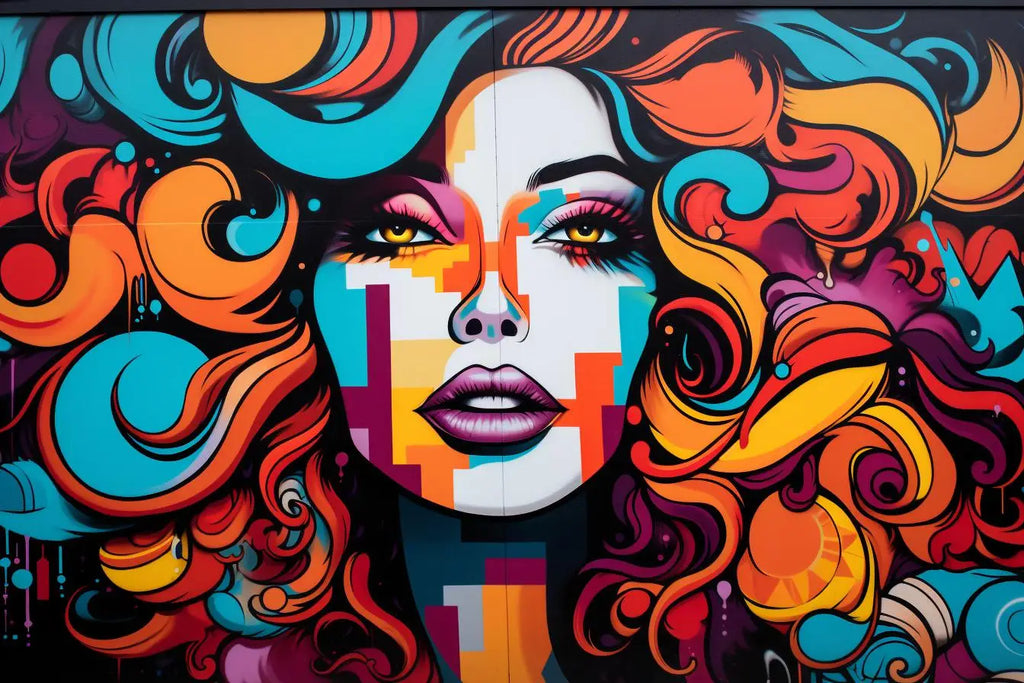
We've all been amazed by a brightly colored wall, telling a story through its shapes and symbols. That's the magic of street art. Since its humble beginnings in Philadelphia in the 1960s, this artistic movement has traveled and literally invaded the streets of France. From simple inscriptions to veritable murals, street art has evolved and taken root in French urban culture. Ready for a colorful and rebellious tour of the world of street art? Hold on tight, it's going to be a wild ride!
Origins and developments of Street Art
Born on the turbulent streets of Philadelphia in the 1960s, street art was originally a form of artistic expression for young people, often seen as an act of rebellion. But be careful not to confuse graffiti with street art! While both are forms of urban artistic expression, street art goes far beyond simple graffiti. It is a movement, a technique, an art form in its own right. A few years later, this artistic movement crossed the Atlantic and took French streets by storm, bringing with it a very special charm.
"Street art is a very powerful medium of communication that reaches a wide audience because it is easily accessible and visible." - Unknown
When street art first appeared in France, it quickly caught on and developed in various forms. From spray paint to stencils, stickers, and posters, each artist found their own technique to mark their territory. And we're not just talking about Paris! From Lille to Marseille, street art has found its place and added color to the streets of every city.
So how did it go from a simple inscription on a wall to giant murals that transform an entire street? It's thanks to the diversity of the artists and their desire to express themselves freely. Each piece is unique and tells a story, whether it's social commentary, a declaration of love, or simply an explosion of color. That's what makes street art a purely human product, reflecting the emotions and ideas of those who create it.
| Places | Year of creation |
|---|---|
| Street Art City in Auvergne | 2016 |
| Street art avenue in Paris | 2016 |
| Darwin Space in Bordeaux | 2000 |
Over the years, several sites dedicated to street art have sprung up in France, offering artists a space for free expression. These places have become true havens for lovers of this art form. For example, the Espace Darwin in Bordeaux, created in 2000, was one of the first spaces dedicated to this movement. It was followed by others, such as Street Art City in Auvergne and Street Art Avenue in Paris, both of which opened in 2016. These spaces not only allow artists to express themselves, but also enable visitors to discover and appreciate the talent of these artists.
Street art has come a long way since its beginnings. From street art to gallery art, it has established itself as a major form of artistic expression. And with new talent emerging every day, we can expect the French urban landscape to remain colorful and inspiring for many years to come.
Leading artists in French street art
French street art is not just a contemporary art movement. It is a mosaic of talent, styles, and messages that have transformed our streets into veritable open-air galleries. From pioneers to newcomers, each artist has brought their own unique touch, their own touch of madness, and their love of art. Come on, let's embark on a journey to the heart of French street art!
When talking about the veterans of the movement, it is impossible to overlook big names such as Ernest Pignon-Ernest. His unique style and socially conscious works have made him an iconic figure in French street art. With his realistic drawings and powerful messages, he has left a lasting impression and inspired many artists. Like the Birdy Kids collective, known for its colorful murals and positive messages, he has brought a touch of originality and freshness to our streets.
But Street Art also represents a new generation of artists who are challenging conventions and bringing a fresh perspective to this urban art form. Their works, often ephemeral, continue to surprise, provoke questions, and elicit reactions. It is this diversity that makes French Street Art so rich. Each artist, with their unique signature, contributes to the vitality and evolution of this movement.
While street art was once considered subversive, today it is recognized and even celebrated in art galleries. This transition shows not only how perceptions of this art form have evolved, but also the recognition of the talent of these artists who, with passion and determination, have made the streets their canvas. To learn more about the influence of street art across Europe, take a look at this superbarticle.
Must-see Street Art spots in France
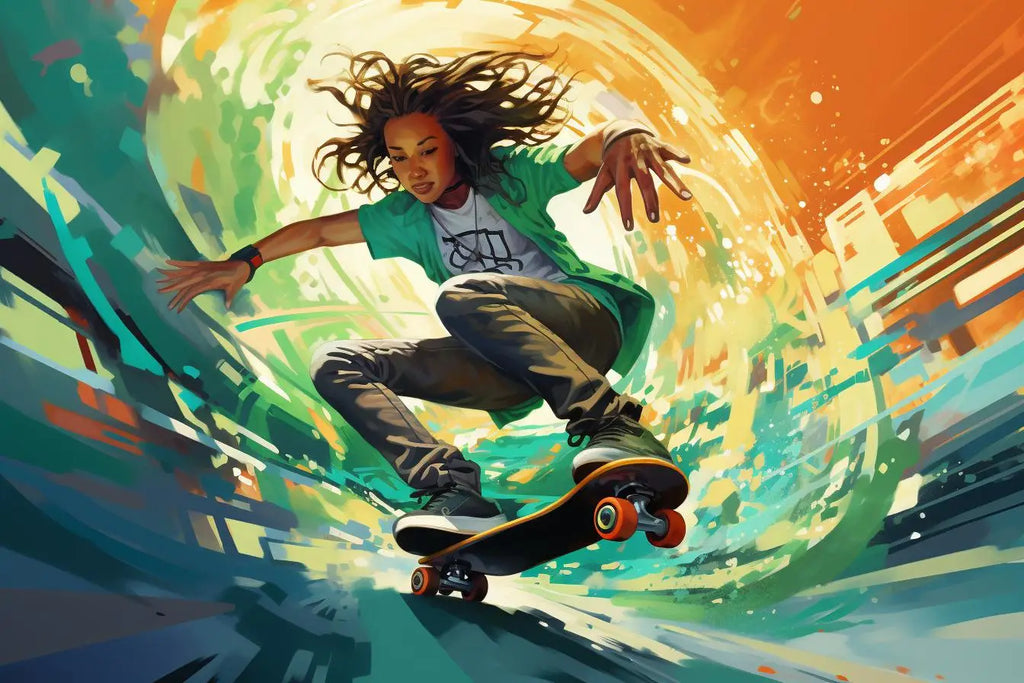
The streets of France have been transformed into a huge colorful canvas, where every corner hides a masterpiece. From north to south, urban art has left its mark. Whether you're a skateboarder looking for inspiration or just curious, these spots are a real treasure to discover. So, are you ready for an artistic stroll?
If walls could talk, they would shout art!
Whether on large billboards, raw metropolitan infrastructure, or building facades, street art is everywhere. And some places in France have gone all out to invite artists to give free rein to their creativity.
The magic of Street Art City in Auvergne
Imagine a place where every corner breathes art, every wall tells you a story. That's what Street Art City in Auvergne offers. Formerly an administrative center, this place is now a temple dedicated to urban art. With its Hotel 128, each room has been transformed into a unique fresco by a different artist. A true artistic journey without leaving the hotel!
- A unique space of its kind in France.
- Evolving works that are regularly renewed.
- A total immersion in the world of street art.
Joëlle Verbruge emphasizes how much of this place's unique charm stems from its ability to combine the region's industrial past with the modernity of street art.
The "Street Art Avenue" tour in Paris
Ah, Paris! The city of lights, fashion, romance... and street art! Yes, you heard right. The "Street Art Avenue" route runs along the Saint-Denis canal and transforms the public streets of Seine-Saint-Denis into an open-air museum. Over a distance of 5 km, prepare to be dazzled by giant murals, graffiti, and art installations.
Launched a few years ago, this trail aims not only to promote art, but also to revitalize the region and invite residents and visitors to rediscover the area in a new light. And the least we can say is that it has been a success! Guided tours even offer a creative artistic interlude for those who wish to delve deeper into this world.
The impact of street art on French society
As the walls of French cities are adorned with colors and messages, street art does more than just beautify the streets: it acts, influences, and challenges. This contemporary artistic movement, although sometimes controversial, has an undeniable impact on French society. From a tool for expression to a powerful lever for change, let's see how street art has carved out a special place in the hearts of the French.
Street Art: A Tool for Protest and Change
Street art has always been more than just an artistic expression. In the streets of Paris, Lyon, or even in more discreet cities, urban artists use walls to express demands, hopes, dreams, or criticism. Art in public spaces thus becomes a mirror of society, reflecting its aspirations and tensions.
Street art, voice of the people!
Historically, many social movements have found street art to be a powerful means of expression. This has given rise to striking works of art conveying strong, sometimes subversive messages that have left a lasting impression and influenced social debates. Leading figures in street art, such as the Birdy Kids collective, have been able to inscribe their demands at the very heart of the city.
Street Art and Popular Culture
The influence of street art extends far beyond the walls on which it is displayed. It has found its way into music, films, and TV series, influencing an entire generation. Over the years, urban art has become a powerful cultural signature, synonymous with modernity and openness. It inspires, it makes you think, it entertains.
"Street artists are, in short, rebels who want to perform without authorization, without prior consent, without taboos, and without limits." Unknown
In collaboration with other art forms, street art has become part of popular culture, becoming an integral part of the soundtrack and collective imagination of young people. And with the advent of social media, the virality of certain works has helped to showcase emerging talent, while further popularizing this artistic movement. Street art thus continues to forge its path, influencing trends and leaving an indelible mark on the French cultural landscape.