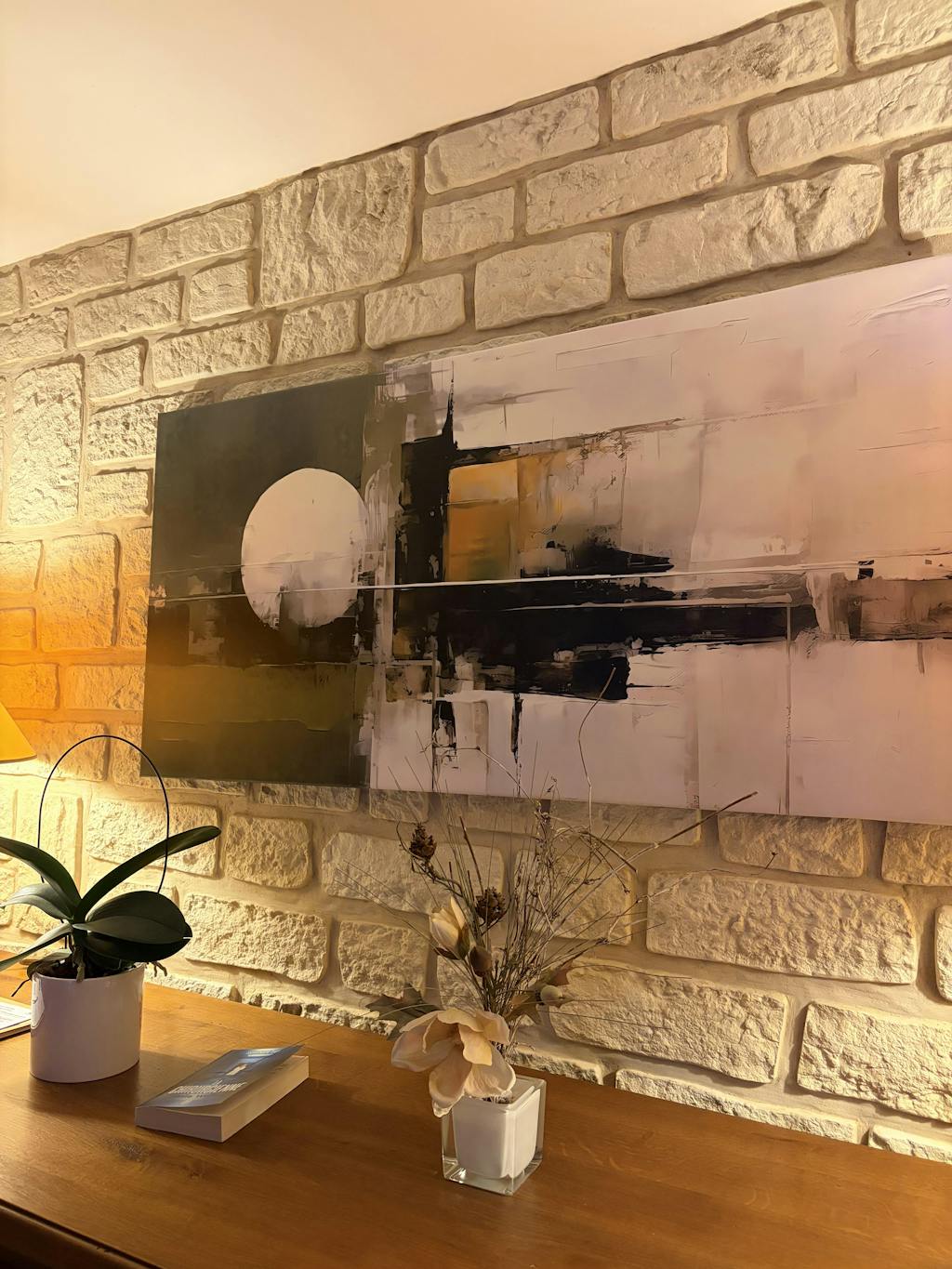

The evolution of street art in paintings
Street art has come a long way since its humble beginnings. Once confined to urban walls, it is now finding its way into art galleries.
This evolution has transformed street art into a modern art form. Street art paintings captivate art lovers and collectors alike.
But what makes these works so special? Their ability to capture the essence of urban culture is unique.
Street artists use a variety of techniques. They often combine mural painting and modern art to create striking works.
These paintings are not only aesthetic. They also convey powerful social and political messages.
The impact of street art on contemporary art is undeniable. It has redefined the boundaries of artistic expression.
Today, street art is recognized as a legitimate art form. It continues to influence and inspire new generations of artists.

What is street art? Origins and definitions
Street art is a rapidly expanding form of visual art. Its origins can be traced back to the graffiti of the 1960s and 1970s in New York City. These early works were often illegal, painted on walls or trains.
Today, street art encompasses much more than just graffiti. It includes various techniques and styles, such as stencils, mosaics, and even sculptures. Street artists use urban spaces as a canvas to express themselves.
Here are some of the characteristics of street art:
-
Art that is often ephemeral, subject to the vagaries of time and the municipality.
-
Using public space to convey a message.
-
Often provocative, questioning social and political norms.
Street art is known for its diversity and dynamism. It has evolved to become a central element of contemporary urban culture. Artists draw inspiration from local contexts to tell unique stories.

From the street to the canvas: the transformation of street art into paintings
The transition of street art from urban walls to canvases is fascinating. This movement began when artists sought to preserve their works. Street art paintings thus allow for a more lasting form of expression.
This transformation has broadened the audience for street art. Galleries and museums have become exhibition spaces for these works. Modern art lovers are discovering street art in a new light.
The process of creating wall art differs from that wall art a mural. Artists must adapt their techniques and materials. This often includes the use of canvases, frames, and specific paints.
Key steps in this transition include:
-
Choosing the right canvas for transposing an urban artwork.
-
Adapting street art methods to the constraints of wall art.
-
Showcase the work in galleries to gain visibility.
These paintings represent a unique fusion between urban style and the intimacy of wall art. They allow artists to diversify their approaches and reach new markets. Today, these works are highly prized by collectors.

by Snap Wander (https://unsplash.com/@passimage)
Techniques and materials: from mural painting to modern art
Street art is constantly evolving, and with it, its techniques and materials. Street artists use a variety of methods to create their works. This diversity has had a strong influence on modern art.
Common materials include spray paint, stencils, and markers. These tools are versatile and allow for a variety of effects. On canvas, artists adapt these methods to preserve the spirit of street art.
Techniques used in modern street art include:
-
Stencils for specific designs.
-
Collages for integrating external elements.
-
Acrylic paint for its quick drying time.
These techniques enrich modern art by bringing spontaneity to it. Artists create dynamic works that fuse different styles. This offers a new perspective to their compositions.
The shift to canvas also offers increased portability. Artists can now easily transport and display their work around the world. This is a valuable opportunity for urban art.

by Andreea zzz (https://unsplash.com/@zzzeth)
Iconic artists and major works of street art in paintings
Street art has given rise to renowned artists who have left their mark on their era. These creators have successfully combined the energy of graffiti with the sophistication of paintings. Their works have become benchmarks in modern art.
Banksy is undoubtedly the most iconic. His paintings transform social satire into art in its own right. They are highly prized by collectors and exhibited in prestigious galleries.
Other artists, such as Shepard Fairey, have also made the transition. His work "Hope" has become a contemporary icon. Fairey uses street art techniques to create powerful messages on canvas.
Here are some key figures in street art in pictures:
-
Banksy: social critic and master of the stencil.
-
Shepard Fairey: famous for his political visuals.
-
Invader: known for his mosaics inspired by video games.
These artists show that street art extends beyond urban walls. They have influenced the perception of art and changed the public's perspective. Their work has redefined the boundaries between urban culture and contemporary art.

by Robinson Greig (https://unsplash.com/@robinson)

by Alexandra Fuller (https://unsplash.com/@alexandrajf)
The impact of street art on modern and contemporary art
Street art has left an indelible mark on modern and contemporary art. It has blurred the boundaries between traditional art forms and urban art. Museums and galleries around the world are now embracing it, recognizing its artistic and social value.
This adoption paved the way for new experiments. Artists often incorporate street art techniques into their works on canvas. This allows for a rich dialogue between urban culture and academic art.
The main impacts of street art can be seen in various aspects:
-
Inclusion of social themes in traditional art.
-
Integration of new pictorial techniques.
-
Popularization of bright colors and bold styles.
In short, street art has redefined the aesthetic standards of contemporary art. It continues to inspire a generation of artists seeking to push the boundaries of their practice. Art lovers are thus discovering new perspectives in a variety of spaces.

by Barnaby Woodrow (https://unsplash.com/@cranky_bear)
Street art as a vehicle for social and cultural messages
Street art is much more than just artistic expression. It serves as a platform for spreading powerful social and cultural messages. Artists often use it to address complex issues such as injustice, equality, and identity.
The streets become living canvases that capture the attention of passersby. Murals express concerns shared by local communities. This facilitates open dialogue between artists and citizens.
Street art conveys many messages:
-
Promotion of equal rights.
-
Raising awareness about environmental protection.
-
Celebration of diverse cultural identities.
Each piece of street art is a message in its own right, intended to educate and provoke thought. Artists often succeed in bringing together thousands of voices in a single image. This makes street art a powerful tool for initiating social change.

by Simon L (https://unsplash.com/@simonlaunay)
The street art market: galleries, exhibitions, and collectors
Street art has captured the attention of collectors and gallery owners around the world. Long perceived as an ephemeral art form, it is now finding its place in prestigious galleries. This transition marks a turning point in the institutional recognition of this art form.
Exhibitions dedicated to street art are multiplying and attracting a diverse audience. These events provide an opportunity to discover original works and observe the impact of street art on contemporary art. Galleries are becoming bridges between urban art and the traditional art market.
Collectors are increasingly interested in this vibrant art form. Street art offers a diversity of artistic expression and often conveys captivating messages. These attractions are essential for those who invest:
-
The richness of the stories told.
-
Innovation in the techniques used.
-
Resonance with current social issues.
This booming market continues to redefine the boundaries of modern and contemporary art.

by Abhijeet Wankhade (https://unsplash.com/@wankhade)
The challenges of preserving and commercializing street art
Preserving street art is a major challenge. The works are often exposed to the elements and urban pollution, causing them to deteriorate rapidly. Protecting these works without betraying their ephemeral nature is a complex task.
The commercialization of street art also raises ethical and legal issues. Artists must navigate between authenticity and the market, while preserving the integrity of their work.
Here are some specific challenges to overcome:
-
Preserving art without altering its essence.
-
Ensuring artists' rights.
-
Avoid trivializing this urban art form.
These issues illustrate the tension between the art world and the street.
Current trends and the future of street art in paintings
Street art continues to evolve, influenced by digital technologies and social media. Today, artists are exploring new forms and techniques, incorporating digital elements to create hybrid works. The transition from the street to the canvas allows for greater accessibility and a wider audience.
Street artists are turning to collaborations with brands and international exhibitions. These trends show that street art is gaining recognition in the modern art market. Here are some perspectives for the future:
-
Increasing use of immersive technologies.
-
Interdisciplinary collaboration with other art forms.
-
Stronger engagement with local communities.

by Rafael Garcin (https://unsplash.com/@nimbus_vulpis)
Conclusion: Street art, an art form in constant evolution
Street art continues to reinvent itself, blending tradition and innovation. Moving from walls to canvases, it embraces new dimensions. Its impact is significant, both as modern art and as a means of social expression. Its ability to evolve ensures its place in the contemporary art landscape.