
Wall decor guide
Street art and interior design: ideas for creating an urban style
Long associated with city walls, street art has now become a true source of inspiration for interior design. Murals, posters, printed canvases, modern wall art and colorful accessories: urban art brings character to a room and lets you express your personality.
Discover how to bring street art into your home with balance, choose the right size, coordinate colors and create a contemporary interior without overwhelming it.
Why is street art so popular in interior design?

Street art is a form of expression that originated in public spaces. It can take the form of graffiti, stencils, mosaics, collages, installations or murals. It stands out for its direct relationship with its surroundings, passersby and social issues. As the Tate explains, street art is closely related to graffiti but encompasses a broader range of techniques and practices.
This freedom explains its popularity in the home. Street art brings instant energy, an expressive color palette and a less conventional touch than classic decor. It can also create an interesting contrast with a minimalist sofa, wooden furniture or sleek architecture.
Street art transforms a wall into a space for self-expression. In an interior, it offers a simple way to showcase your tastes, influences and view of the world.
Large formats for a dramatic effect

A large street art piece can be enough to define an entire room. Displayed above a sofa, sideboard or bed, it becomes the focal point of the decor. This solution is particularly well suited to wide walls, open-plan rooms and interiors that lack depth.
How to style a large wall art piece successfully?
- Measure the wall and the furniture below it before choosing the size.
- Leave some breathing room around the artwork to keep the designs easy to see.
- Above a sofa, choose a width that is approximately two-thirds to three-quarters of the furniture's width.
- For a very tall wall, a vertical format or multi-panel composition can create a better balance of proportions.
- Avoid pairing a large, highly detailed piece with too many competing decorative objects.
If you enjoy panoramic compositions, a triptych or multi-panel wall art can add rhythm to the wall. The spaces between the panels create a lighter visual flow and preserve the mural effect of street art without covering the entire surface.
Street art-inspired canvases, posters, and prints

You do not need to paint a mural to bring urban art into your home. Prints and street art canvases make it easy to quickly transform a room's atmosphere, with a more manageable budget and simpler installation.
Which medium should you choose for street art wall art?
- Frameless poster: lightweight and affordable, it is ideal for those who enjoy refreshing their decor regularly.
- Stretched canvas on wooden frame: it brings warmth and a finish reminiscent of traditional painting.
- Black or white floating frame: it gives the piece structure and enhances its contemporary look.
- Plexiglass: its glossy surface enhances the contrasts and colors of urban compositions.
The choice depends on your room's style, the desired finish, and the available light. A matte canvas blends easily into a cozy living room, while a glossy finish may suit a modern, industrial, or highly graphic interior.
How to choose colors and patterns?

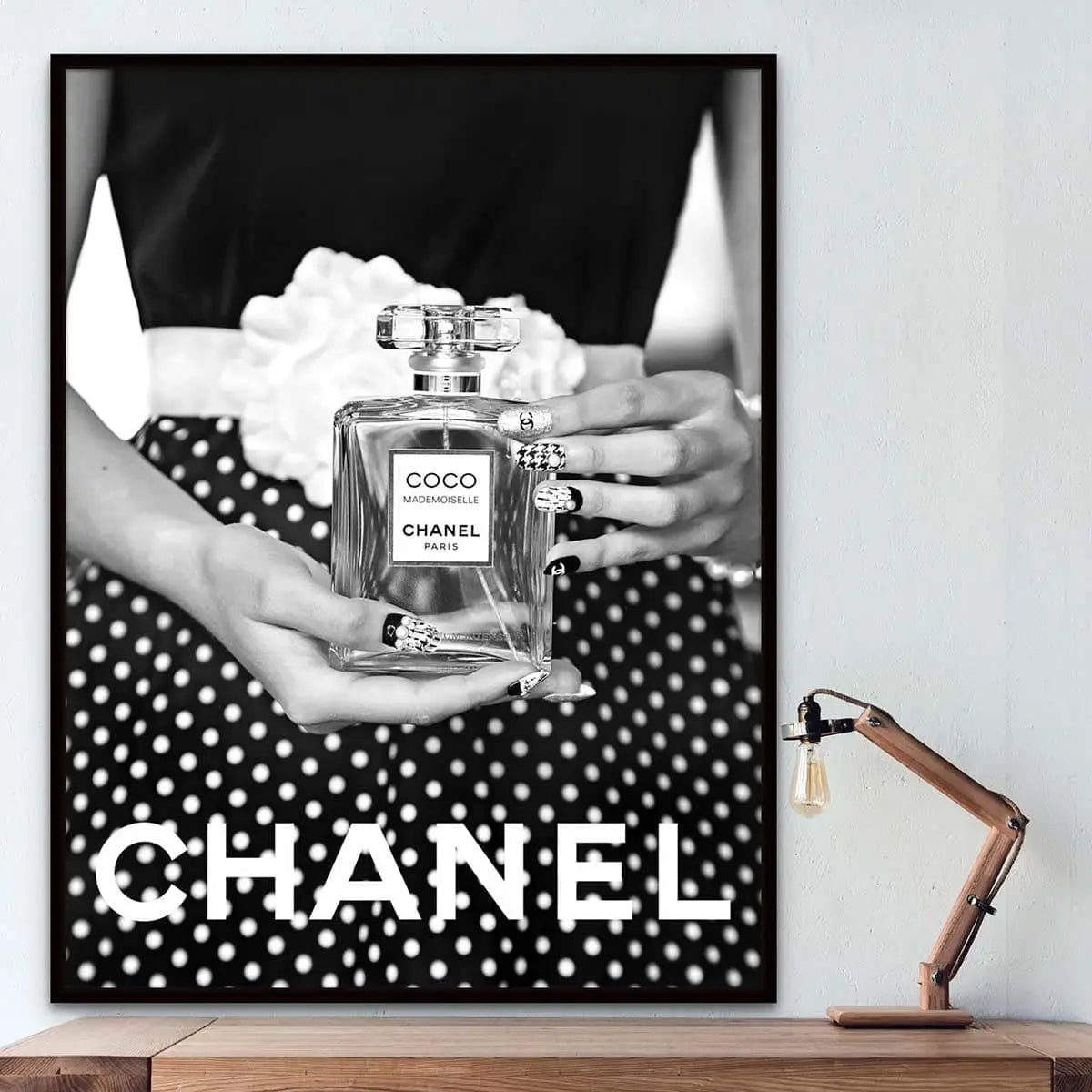
Street art is often associated with vibrant colors, but it also includes black-and-white compositions, monochrome portraits, pastel pieces, and creations in natural tones. To avoid an overly intense visual effect, start with the color palette already present in the room.
Three ways to coordinate your wall art
- Color coordination: echo one of the wall art's shades in a cushion, rug, lamp, or vase.
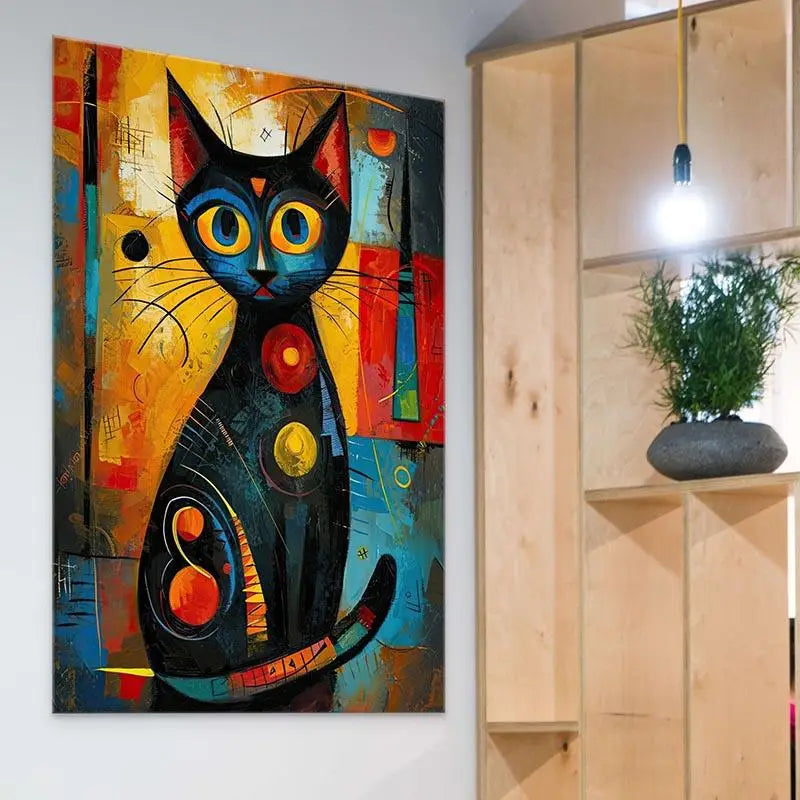
- Mastering contrast: display a highly colorful piece on a white, beige, light gray, or matte black wall.
- Monochromatic harmony: choose a canvas featuring shades similar to those in your décor for a softer look.
In a neutral living room, red, yellow, or blue street art wall art can become a true visual signature. Conversely, if your room already features plenty of color, a black-and-white piece or one in muted tones will create a more balanced look.
Street art makes its way into furniture and accessories
Urban art is not limited to walls. To create a cohesive interior, you can echo its style with a few complementary elements: a printed cushion, a graphic rug, a colorful lamp, a metal coffee table, a designer chair, or a decorative object inspired by graffiti.
The goal is not to turn every piece of furniture into a street art display. One main piece complemented by two or three coordinating accents is usually enough. For example, pair colorful wall art with a black lamp, a metal table, and a cushion that echoes a single color from the canvas.
The right balance between furniture and wall art
If the wall art is highly expressive, opt for furniture with clean lines. If the canvas is more minimalist, you can add a sculptural chair, a patterned rug, or a distinctive shelf. This balance between a statement piece and more understated elements adds depth to the interior.
Bringing urban art into every room

In the living room
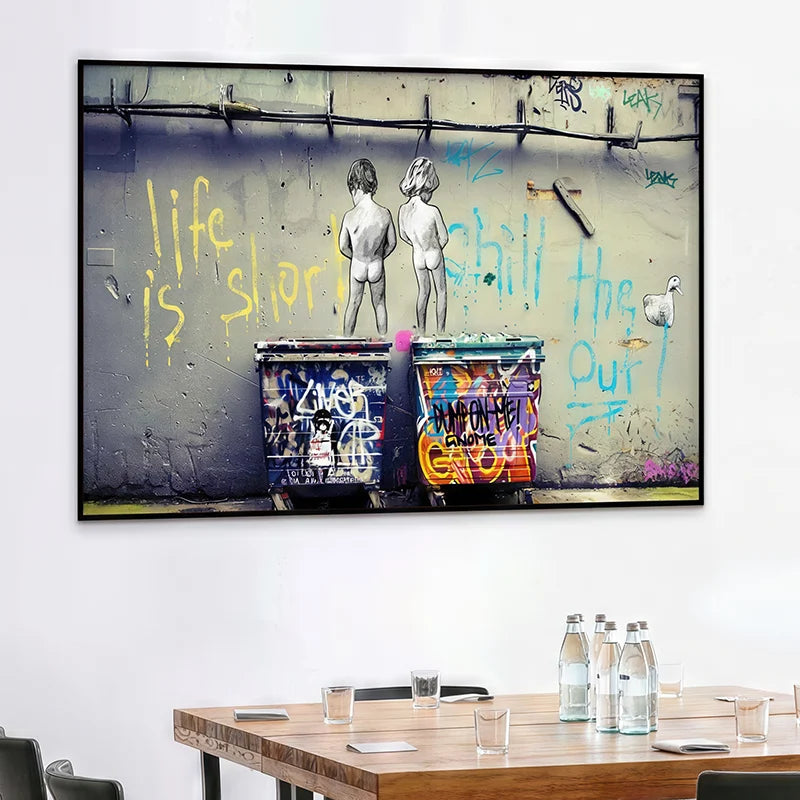
The living room is the perfect space for large street art wall art, a multi-panel composition, or a piece inspired by Banksy, Basquiat, and pop art. Place it above the sofa or on the wall that first catches the eye when you enter the room.
To discover a variety of styles, explore our collection of street art wall art.
In the bedroom
Choose a less visually intense piece: a monochrome portrait, silhouette, black-and-white graffiti, or a composition in deep colors. Placed above the headboard, the wall art gives the bedroom a strong identity without the need for too many accessories.
In the entryway or hallway
These spaces are perfect for vertical wall art, a framed poster, or a small gallery wall. Colorful wall art immediately draws the eye and lets you express your style in an often-overlooked area.
In the office
A graphic artwork, visual quote or pop portrait can spark inspiration. Place it within your field of vision, but avoid overly busy compositions if you need to concentrate.
Hanging and lighting: the details that make all the difference
Beautiful wall art can lose its impact if poorly positioned. The center of the artwork should remain close to eye level. Above furniture, generally leave even spacing between the wall art and the sofa, console table or headboard.
Before drilling, cut out a paper template matching the dimensions of the wall art and temporarily attach it to the wall. This allows you to check the height, spacing and overall balance from several angles in the room.
What lighting works best for street art wall art?
Adjustable lighting can showcase the artwork in the evening. Choose soft lighting and avoid direct glare on glossy surfaces. In a living room, a warm color temperature of around 2,700 to 3,000 K creates a welcoming atmosphere, while more neutral lighting may suit an office or private gallery.
Personalization, inspiration and respect for intellectual property
Street art wall decor can also be personalized with your colors, a city, a name or a message. This option gives you a piece that complements your interior perfectly and feels more personal.
When using a logo, character, artist's signature or image found online, always check that you have the necessary permissions. For a creation intended for sale or commercial use, copyrights and trademark rights must be respected. General inspiration does not automatically grant permission to reproduce a work or character exactly.
The easiest option is to choose an original creation, a work offered by an artist or a reproduction sold by a retailer who properly manages the relevant rights and licenses.
How to care for street art wall art?
Dust and light can gradually dull your wall decor. Dust your wall art with a soft, dry cloth, without applying any product directly to the canvas or print. Avoid very humid walls, heat sources and prolonged exposure to sunlight.
For oversized pieces, check the mounting hardware regularly and use a system suited to the weight of the artwork. Properly installed and cared-for wall art will retain its colors and visual impact for longer.
FAQ about street art in interior decor
What is the difference between graffiti and street art?
Graffiti often focuses on lettering, signatures and typography. Street art is a broader concept that can include stencils, characters, collages, installations and visual messages.
Which street art wall art should you choose for a white living room?
A white living room pairs effortlessly with colorful artwork, a pop art portrait or a graphic composition. For a more elegant look, choose a palette limited to two or three dominant colors.
Does street art wall art work with classic decor?
Yes. The contrast between classic furniture, traditional hardwood flooring and urban art can create a highly personal interior. Echo one of the wall art's colors in your accessories to bring the two styles together.
How to decorate a large wall with street art?
You can choose an oversized piece, a triptych, a multi-piece wall art arrangement or a gallery wall. The best option depends on the width of the wall, the furniture and the number of patterns already in the room.