
Street Art is no longer confined to the walls of major cities. In 2026, urban art can be found in galleries, festivals, cultural spaces, social media, and interior decor. Artists now blend painting, stenciling, collage, photography, installation, video, and digital technologies to create works that are visible, accessible, and often carry a message.
This evolution has not diminished the movement’s original energy. Street Art retains its taste for contrast, freedom, and intervention in public spaces while engaging with contemporary issues: the environment, inclusion, identity, neighborhood heritage, and urban transformation.
In this article, discover the key Street Art trends of 2026, emerging techniques, the role of up-and-coming artists, the growing recognition of urban art, and ideas for bringing this aesthetic into your wall decor.
What Is Street Art Today?

Street Art, also known as urban art, encompasses artistic practices designed to engage with the city and its residents. It can take the form of a monumental mural, stencil, collage, poster, mosaic, installation, or artwork created on a mobile medium.
The movement does not have a single origin. It grew out of various traditions: mural painting, activist posters, hip-hop culture, graffiti writing, public art, and artistic interventions in urban spaces. New York graffiti notably developed in the 1970s around signatures, lettering, and compositions created on walls and subway trains. Part of this scene later moved into studios, galleries, and museums.
The Museum of the City of New York documents this history and shows how practices that emerged from the streets have gradually been preserved, exhibited, and studied. In France, the Urban Art Federation, supported by the Ministry of Culture, also helps raise awareness of the diversity within this discipline.
Street Art, graffiti, and public art: understanding the differences
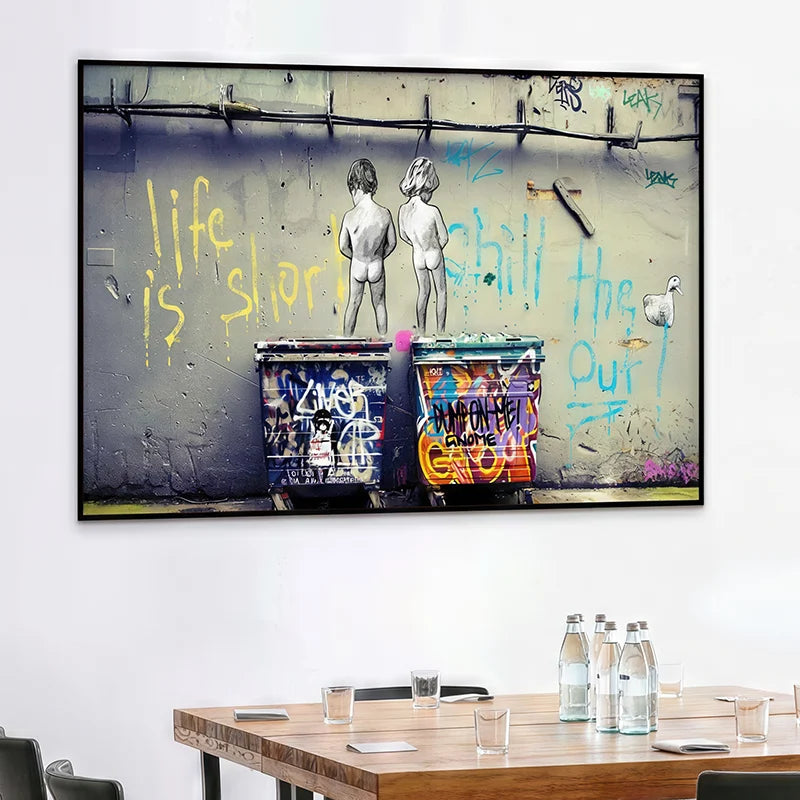
Graffiti often focuses on lettering, signatures, and the pursuit of a distinctive graphic style. Street Art has a broader scope and can tell a story, reimagine an image, convey a message, or transform a place with a monumental mural.
Public art, meanwhile, generally refers to a work installed in a space accessible to the public, often with the approval of a local authority, property owner or institution. The boundaries between these categories can overlap, but this distinction helps provide a clearer understanding of the movement's evolution and the conditions in which a work is created.
The Top Street Art Trends in 2026

In 2026, Street Art cannot be reduced to a single aesthetic. Local scenes, artists and collectives develop widely varying approaches. However, certain trends stand out through their presence in the streets, exhibitions and interior design projects.
Thought-Provoking Works Addressing Major Social Issues
Artists use the visibility of public spaces to address issues that directly affect residents: climate change, biodiversity, inequality, migration, discrimination, gender equality, collective memory or the place of women in the city.
The message is not conveyed through a slogan alone. A silhouette, an endangered animal, a color, a subverted advertisement or an everyday scene can be enough to stir emotion and spark discussion. This ability to make a complex issue immediately visible partly explains the power of Street Art.
The Return of Bold Colors and Clear Compositions
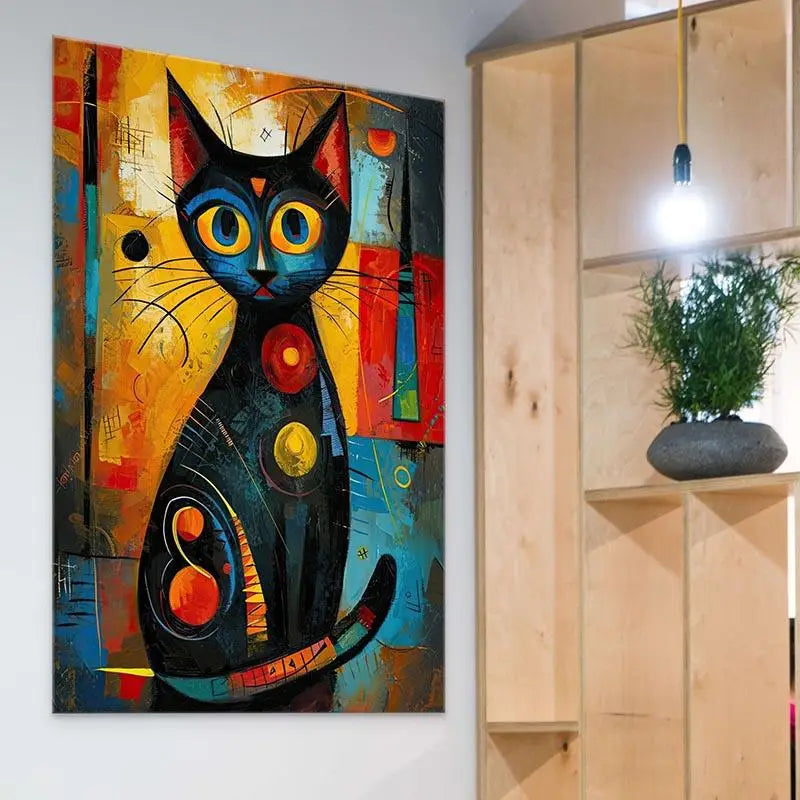
Highly contrasting palettes remain emblematic of urban art: black and white, bright yellow, red, electric blue, pink, green or orange. Artists combine them with solid blocks of color, bold outlines, drips and layered effects.
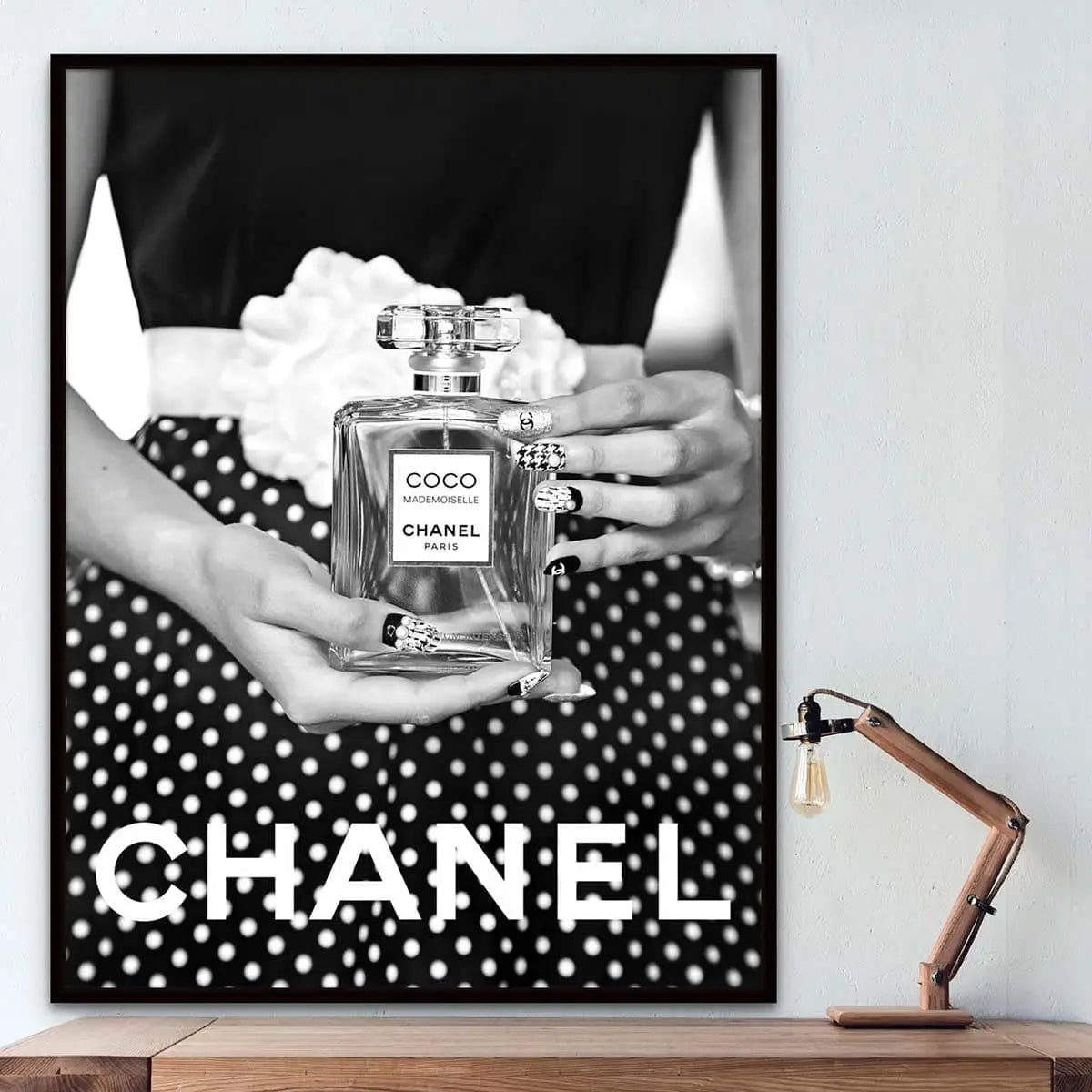
This aesthetic works particularly well in interior design. A colorful Street Art wall art can become the focal point of a neutral-toned living room, enliven an office or give a bedroom a strong identity. To avoid visual clutter, the most expressive pieces are often paired with simple furniture and a few coordinating color accents.
Works Designed to Be Photographed and Shared
Today, a mural or installation can be discovered by thousands of people through a photograph or video posted online. Artists therefore also consider how a work will be viewed from a distance, on a phone screen or in a short video.
This online exposure increases the visibility of local scenes and facilitates international collaborations. However, it raises an important question: sharing a photograph does not automatically grant the right to reproduce or sell the work shown. The visibility of an image and the rights attached to it remain two separate issues.
The role of emerging artists and collectives

Emerging artists play an essential role in the evolution of Street Art. They bring a wide variety of backgrounds, influences, and techniques. Some come from graffiti, while others have backgrounds in illustration, photography, graphic design, animation, or art school.
This diversity enriches the movement. An artist may move from a mural to a series of wall art pieces, work with a collective, take part in a residency, or create a temporary installation for a local event. Collectives also enable artists to pool their skills, undertake larger-scale projects, and give greater visibility to new talent.
How can you recognize a distinctive artistic approach?
- A recognizable color palette or graphic style.
- A recurring theme: portraits, animals, urban memory, nature, or popular culture.
- An identifiable technique: stencil, collage, lettering, spray paint, brushwork, or digital art.
- A clear intention behind the image, even when it remains open to interpretation.
- A body of work documented through exhibitions, public projects, collaborations, or a portfolio.
It is best not to invent a biography or attribute a work to an artist without a reliable source. When featuring an emerging artist in an article, shop, or publication, verify their name, work, image credits, and the necessary permissions.
Evolving techniques and media
Street Art has always been characterized by experimentation. Today, artists combine traditional methods with contemporary tools to create textures, depth effects, and interactions with the public.
Traditional techniques still in use
Spray paint, brushes, rollers, stencils, and collage remain key tools. Stencils make it possible to quickly reproduce a precise shape, while spray paint creates gradients, mist effects, and more spontaneous outlines. Collage and flyposting use layering, repetition, and the transformation of existing images.
The mix of techniques
Many creations combine paint, photography, typography, textures, paper, and reclaimed materials. This approach gives the artworks a layered appearance, reminiscent of an urban wall transformed over time. Marks, tears, and drips then become graphic elements in their own right.
A Growing Variety of Surfaces
Walls and façades are no longer the only surfaces. Street Art now appears on temporary panels, shutters, hoardings, objects, vehicles, installations, shop windows, and works on canvas or paper. This versatility makes preservation easier and allows people to bring urban aesthetics into their interiors.
For interior décor, Street Art aesthetics can be offered as an unframed poster, stretched canvas, floating frame, or glossy print. The choice depends not only on the artwork, but also on the wall, lighting, weight, and style of the room.
The Recognition of Street Art in the Art World

Long associated with spontaneous practices, sometimes carried out without authorization, Street Art is now studied, collected, and displayed in many cultural venues. Museums preserve works rooted in graffiti and urban art, while galleries and festivals organize exhibitions dedicated to this creative scene.
This recognition does not eliminate the tensions between the freedom to create in public spaces, the preservation of an artwork, and its commercialization. A mural may be temporary, painted over, restored, or relocated. Its value also depends on its context, its creator, and how it was produced.
From the Street to Canvas
Transferring an artwork to canvas, paper, or print allows it to leave its original location and enter a private space. It also gives the artist an opportunity to preserve their visual language in a more durable format.
When decorative wall art draws on the visual language of urban art, it is important to describe it accurately. A Street Art-inspired creation is not necessarily a unique original work by a renowned artist. This distinction protects buyers and makes the product description more transparent.
Street Art and New Technologies
Digital tools open up new possibilities for urban art. Video projection, projection mapping, augmented reality, and immersive experiences can add movement or interactivity to a static artwork. Viewers can sometimes discover an additional layer through their phones or a dedicated installation.
Social media also plays an important role in sharing creative works. A local artwork can gain international attention, an artist can showcase the stages of its creation, and a collective can document a project before it disappears.
The Limits of Technology
Digital technology cannot replace place or materiality. The texture of a wall, the light of a street, the marks of time and the connection with passersby are all part of the Street Art experience. The most compelling technologies are those that deepen this connection without erasing the artwork's physical and site-specific character.
In interior design, indirect lighting, a digital frame or a projection can complement a piece of wall art, but they should remain secondary. The main wall art must retain its clarity and visual presence.
Socially Engaged Art for a More Sustainable and Inclusive Future
Street Art is increasingly engaging with the ecological transition and the representation of diverse perspectives. Artists explore issues such as biodiversity protection, pollution, consumption, air quality and the transformation of urban landscapes.
This approach can also extend to materials and production: reusing surfaces, reclaiming objects, reducing waste, choosing suitable paints or creating temporary projects designed to minimize their impact. These practices vary depending on the artists and projects; they should not be described as eco-friendly without concrete evidence.
A Language That Brings Issues to Light
Street Art reaches a very broad audience because it is part of everyday life. It can bring visibility to people, stories or issues that are sometimes overlooked in traditional cultural spaces. This inclusive dimension explains its importance in many neighborhoods and community-led projects.
The power of socially engaged art does not depend solely on its message. It also relies on its visual quality, its location, dialogue with local residents and respect for the context in which it is displayed.
The Role of Street Art in Urban Revitalization
A mural can transform the way a wall, street or neighborhood is perceived. Urban art projects are sometimes incorporated into renovation initiatives, cultural trails or festivals. They can create a meeting place, attract visitors and showcase local creativity.
However, this transformation must be planned together with local residents. An artwork imposed without consultation may be perceived as merely a communication tool or a means of increasing property values. The most successful projects often bring together artists, associations, local authorities, property owners, and neighborhood residents.
Initiatives to support artists
Artist residencies, calls for projects, authorized walls, festivals, exhibitions, and private commissions offer artists a range of opportunities. These initiatives can help emerging talent develop their practice, earn an income, and work within a clear framework.
For the public, they also make it easier to discover works created legally and under appropriate conditions. This helps distinguish authorized artistic work from property damage, without reducing the history of Street Art to its illegal dimension alone.
How to incorporate Street Art into your decor

You do not need to turn your home into an industrial loft to embrace urban art. A single piece of Street Art wall art can be enough to give a room character. The key is to choose a striking piece, then create an environment that showcases it.
In the living room
Hang a large piece above the sofa, a sideboard, or a console table. A white, beige, or light gray wall will make the colors stand out. If the artwork is very vibrant, keep the textiles more understated and echo just one or two colors in the cushions or decorative objects.
Explore our selection of wall art for the living room to compare different styles and formats.
In a bedroom or office
In an adult bedroom, a black-and-white piece enhanced with a vibrant color creates a bold graphic feel without overwhelming the space. In a teenager's bedroom, wall art inspired by sports, music, gaming, or pop culture can personalize the room. In an office, an abstract or typographic composition can stimulate creativity.
Create a gallery wall
For a large wall, combine several pieces while maintaining a common thread: color palette, theme, frames, or graphic style. Test the arrangement on the floor, then use paper templates before drilling. A balanced composition generally gives more space to the main piece than to the supporting elements.
How to choose Street Art wall art
Choosing wall art is not just about the image. The format, medium, lighting, and hanging system all have a direct impact on the final look.
Recommended formats
- Horizontal: perfect above a sofa, bed, or sideboard.
- Vertical: ideal for an entryway, hallway, or narrow wall.
- Square: easy to display on its own or as part of a gallery wall.
- Diptych or triptych: recommended for adding rhythm to a large wall.
As a guideline, the width of a wall art piece or composition can be approximately two-thirds to three-quarters of the width of the furniture below it. Always measure the available space before ordering.
Available formats
- Frameless poster: a lightweight, affordable option that you can frame to suit your style.
- Stretched canvas on wooden frame: a warm, ready-to-hang finish.
- Black floating frame: a graphic finish that highlights the contours of the artwork.
- White floating frame: a bright option for a sleek interior.
- Plexiglass: a glossy finish that intensifies colors and should be protected from direct glare.
Essential checks before buying
- Measure the wall and the furniture below it.
- Check the size and orientation of the artwork.
- Clearly identify the medium and finish.
- Review the information about mounting, delivery, and returns.
- Make sure the description clearly distinguishes between an original work, a reproduction, and an inspired decorative creation.
At Montableaudeco, you can discover a wide selection of urban art-inspired creations and choose the right medium for your project. Browse the Street Art wall art collection, then explore our Pop Art collection if you love graphic portraits and bold colors.
To broaden your search, you can also browse all our decorative wall art and compare artistic styles, sizes, and finishes.
Frequently asked questions about Street Art in 2026
What are the major Street Art trends in 2026?
The most visible trends include a diversity of techniques, socially engaged works, collaborations with cities, exposure on social media, immersive installations, and the development of creations designed for galleries and interior decoration.
Are Street Art and graffiti the same thing?
They are related, but graffiti often focuses on lettering and signatures, while Street Art encompasses a broader range of practices: murals, stencils, collages, installations, posters and conceptual works.
Why is Street Art increasingly featured in museums?
Institutions recognize the historical, social and aesthetic richness of urban art. Some preserve graffiti artworks, organize exhibitions and document local and international scenes.
How do you choose Street Art wall art for a living room?
Choose a size in proportion to your sofa or sideboard, then work with the colors already present in the room. A very vibrant piece usually pairs best with understated furniture and a few matching color accents.
Which medium should you choose for Street Art decor?
An unframed poster is lightweight, stretched canvas creates a warm look, a floating frame enhances the contemporary finish, and Plexiglass adds extra shine. Consider the weight, lighting and style you want.
Are Street Art creations always original artworks?
No. It may be an original artwork, a reproduction or a decorative piece inspired by the visual codes of urban art. The product page should clearly explain the nature of the artwork and the medium offered.
Can Street Art be eco-friendly?
Some artists and projects use reclaimed materials, reduce waste or directly address environmental issues. However, it is important to verify the actual practices before describing a piece or an artist's approach as eco-friendly.
Conclusion: an art movement always in motion
In 2026, Street Art continues to evolve while retaining its core strengths: a direct relationship with the public, immense visual freedom and the ability to connect art with the issues of its time. Emerging artists, collectives, new technologies and participatory urban projects are constantly expanding its possibilities.
In interior design, this energy can be expressed simply through colorful wall art, a graphic composition or a graffiti-inspired piece. By carefully choosing the colors, size and medium, you can create a modern, personal and harmonious interior.
Would you like to bring urban art into your home? Explore the Montableaudeco Street Art collection and find the piece that will add character to your living room, bedroom or office.