
Wall Decor Guide
Street Art and Interior Design: 10 Ideas to Transform Your Walls
Want a more personal, creative and contemporary interior? Street art wall art can become the focal point of a living room, bedroom or office. Discover how to choose the right style, coordinate colors and create urban decor without overwhelming your space.
1. Understanding Street Art and Urban Art

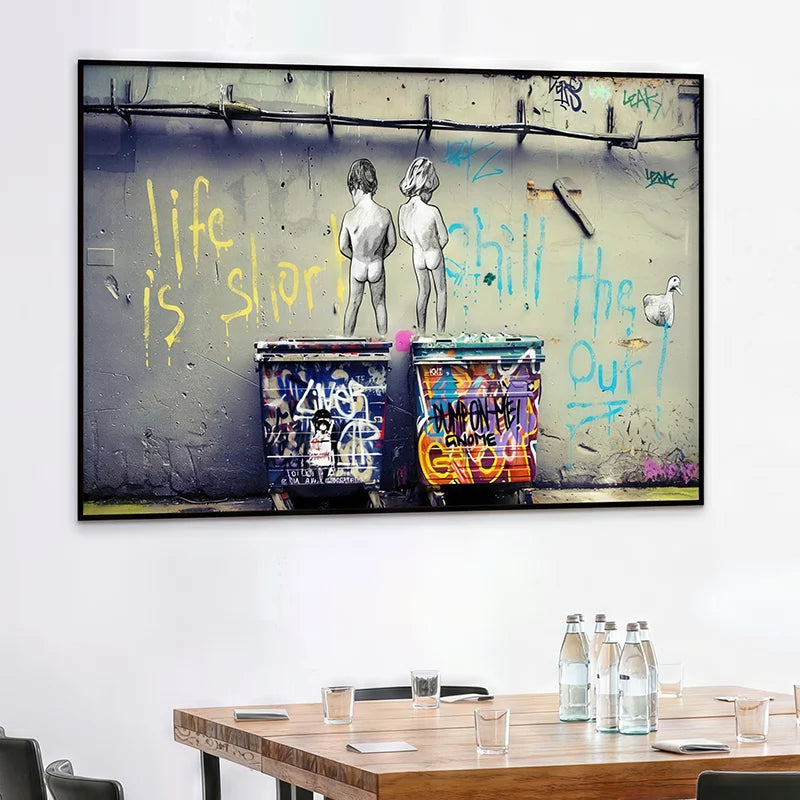
Street art, also known as urban art, encompasses artwork designed to engage with public spaces. Graffiti, stencils, collages, posters, stickers, murals, mosaics and installations are all part of this broad creative world. Graffiti is often associated with lettering, gestures and signatures, while street art can also tell a story through an image, character or message.
This visual culture developed in cities before making its way into galleries, exhibitions, books and interior design. Today, street art wall art brings that graphic energy into your home, without the constraints of artwork created directly on an exterior wall.
What makes this style so appealing is the diversity of its visual language. A vibrant graffiti canvas will not have the same effect as a black-and-white stencil, a pop art portrait or an abstract composition inspired by city walls. To explore this history further, read our article on the rise of street art as a popular art form.

2. Why Add Street Art to Your Interior?

Street art is a simple way to give a room its own identity. Where a white wall can feel impersonal, a graphic artwork creates a focal point and tells a story. It can evoke the city, music, pop culture, travel or simply a colour palette you love.
- Create a focal point: large wall art draws the eye and anchors the layout around it.
- Express your personality: your choice of artist, character or creative world says something about your style.
- Revitalise a neutral setting: graffiti colours add depth to a beige sofa, white wall or wooden furniture.
- Modernise a room: urban art works equally well in contemporary, industrial or minimalist interiors.
- Create adaptable décor: a poster, canvas or framed piece can be moved more easily than a permanent wall painting.
The aim is not to turn your entire home into an overcrowded gallery. A single statement piece in the right position can be enough to transform the atmosphere. For more inspiration, explore our guide to wall décor ideas.
3. Choosing a style of street art wall art
Before choosing a piece, consider the room's existing atmosphere: its furniture, wall colours, materials and natural light. The wall art should draw attention while also complementing its surroundings.
Colourful graffiti for dynamic décor
Colourful compositions are particularly well suited to rooms that lack energy. Red, yellow, blue, pink or green can be echoed in subtle touches on a cushion, rug, lamp or vase. This approach works well in a living room, playroom or creative workspace.
Stencils and black and white for a graphic look
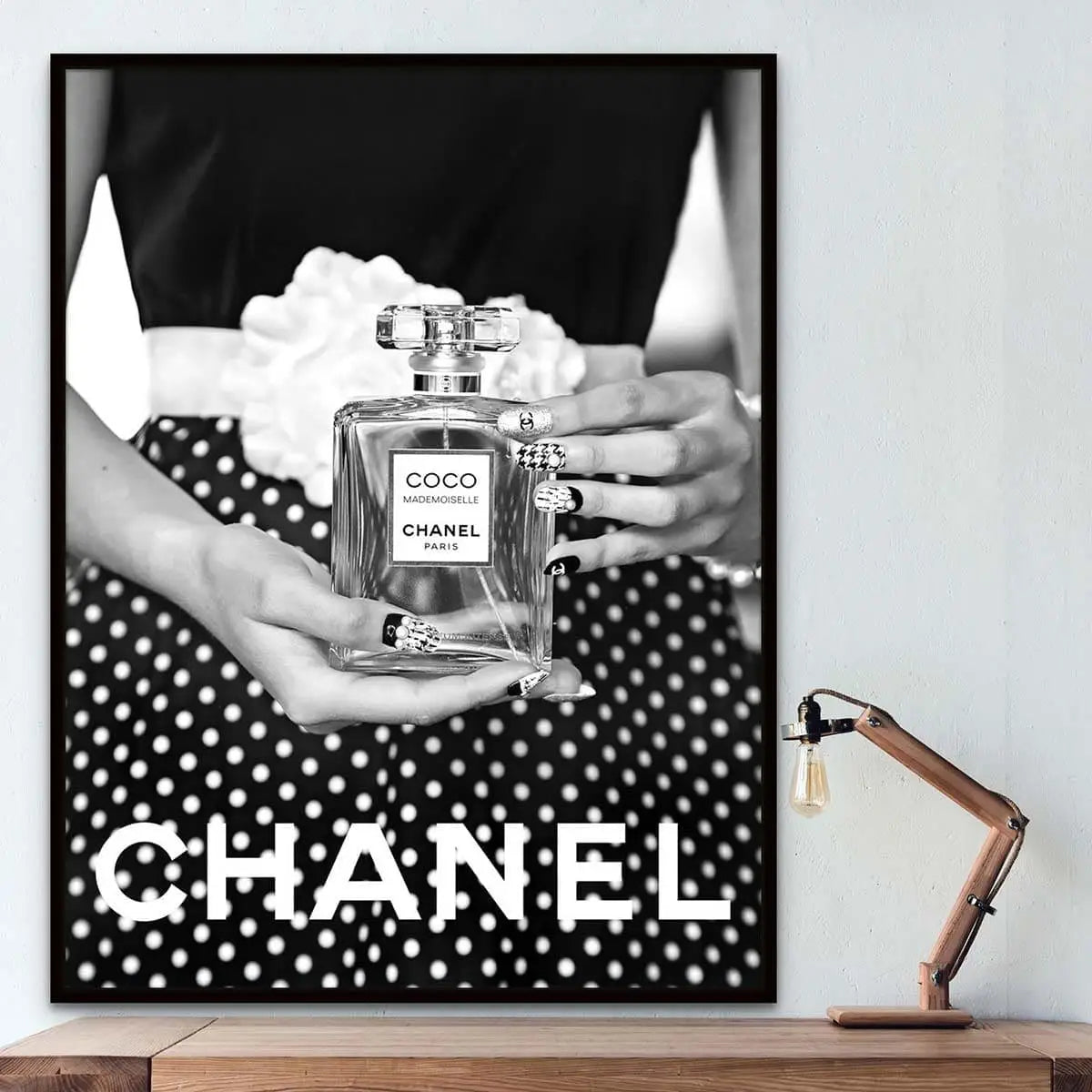
Wall art inspired by spray-paint templates, stencils or urban photography fits effortlessly into minimalist décor. Black and white creates a strong presence without introducing too many colours. A few gold, red or deep blue details can then add warmth to the overall look.
Abstract street art for a contemporary look
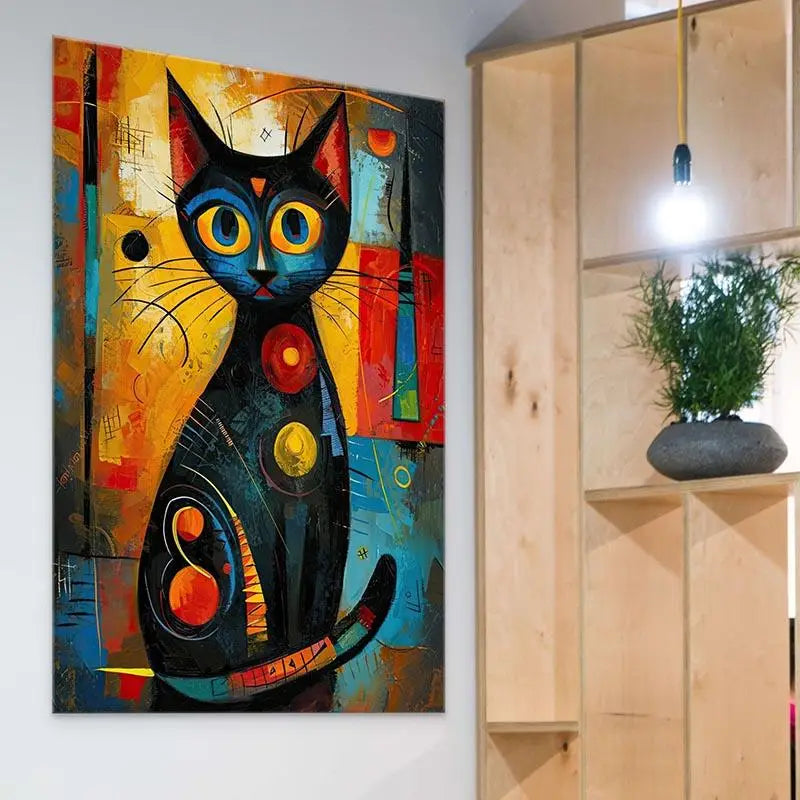
Free-flowing shapes, drips, paint marks and layered effects evoke the street without depicting a specific character. It is a great option if you are looking for modern wall art that is easy to coordinate and less closely tied to a cultural reference.
Portraits, pop culture, and urban icons
A stylized portrait, a musical figure, or a pop culture reference can become the signature feature of a room. For a balanced look, avoid mixing several very different themes on the same wall. A clear theme will bring greater harmony to your decor.
Our guide on choosing street art wall art will help you compare styles, colors, and formats.

4. Which room should you decorate with street art?
In the living room: create a focal point
The wall behind the sofa is the most obvious location. Choose a horizontal format or a piece wide enough to complement the furniture. The wall art should not be so much narrower than the sofa that it looks lost; instead, it should occupy a visually balanced proportion of the available width.
In the bedroom: create a personal atmosphere
Above the headboard, opt for a soothing composition: abstract art, a silhouette, a monochrome portrait, graphic flowers, or a nighttime cityscape. Burgundy, terracotta, beige, brown, deep blue, and sage green tones can create a cozy atmosphere without making the room feel too vibrant. You can also explore our tips on incorporating urban art into a bedroom.
In the office: inspire creativity
Street art can bring energy to a workspace. Place it within your field of vision, but avoid an overly busy piece if you need to stay focused for several hours. Lines, lettering, and abstract compositions are particularly well suited to a modern office.
In a hallway or entryway: set the tone from the moment you arrive
A hallway is ideal for creating a visual sequence with several small pieces, a row of wall art, or a vertical arrangement. In an entryway, a single statement piece is often enough to set the tone for the entire home.
In the kitchen or bathroom: consider the surroundings
In rooms exposed to splashes, steam, or temperature fluctuations, keep the artwork away from damp areas and choose a material that is easy to maintain. The wall art should remain decorative without being placed directly above a sink, cooktop, or heat source.
5. Coordinate colors without losing the urban energy
The simplest rule is to start with a calm foundation, then echo one or two colors from the wall art elsewhere in the room. You can use the 60-30-10 principle as a guide: one dominant color, one secondary color, and one accent shade. It is not a requirement, but a practical way to keep the space from feeling visually scattered.
- Light-colored wall and understated furniture: opt for a vibrant graffiti canvas or a large pop art portrait.
- An already colorful room: choose monochrome or black-and-white artwork, or a piece dominated by a single shade.
- Industrial decor: pair street art with black metal, raw wood, concrete, and leather.
- Natural decor: soften the artwork with linen, rattan, light wood, and earthy tones.
Current interior design trends prominently feature warm neutrals, muted greens, browns, deep blues, and earthy tones. This shift makes it possible to integrate expressive urban artwork into a softer interior while avoiding the predictable contrast between graffiti and white walls. You can view this guide to the bedroom colors trending in 2026.
6. Choose the right size and material
The size depends on the width of the wall, the furniture below it, and the viewing distance. Measure the space before ordering and visualize the artwork using kraft paper or masking tape. This step allows you to check the balance before drilling into the wall.
Which material should you choose for street art wall art?
- Frameless poster: a lightweight, affordable option, ideal for refreshing your decor regularly.
- Stretched canvas on wooden frame: a gallery-style finish without glass that showcases the colors and visual texture.
- Black or white floating frame: a structured finish that highlights the contours of the artwork and complements a contemporary interior.
- Plexiglass: a glossy, modern surface, ideal for a more design-focused interior when reflections are controlled.
The choice of medium changes how the artwork is perceived. A black frame enhances its urban character, a white frame gives a colorful arrangement a lighter feel, while an unframed canvas preserves a more raw aesthetic. Explore the different options in our collection of street art wall art.
7. Create a balanced wall arrangement
Several arrangements are possible depending on the size of the wall and the desired style:
- One large piece of wall art: the clearest way to create an immediate focal point.
- A diptych or triptych: ideal for adding rhythm to a wide wall while maintaining a cohesive arrangement.
- A gallery wall: mix several sizes while maintaining a consistent color palette or theme.
- A horizontal row: practical above a sofa, sideboard, or in a hallway.
- A vertical arrangement: ideal for a narrow wall, a stairwell, or a space between two openings.
For a gallery wall, leave even spacing between the frames and start by positioning the most prominent artwork. Test the arrangement on the floor before hanging it. Our guide explains how to create an art gallery at home with street art wall art.
8. Enhance the lighting and accessories
Urban artwork benefits from the right lighting. Indirect lighting, an adjustable track light, or a wall light with a soft beam can highlight contrasts without creating distracting reflections. For a warm atmosphere, a color temperature of around 2700 to 3000 K generally works well in living spaces.
Accessories should complement the wall art rather than compete with it. Echo one of the artwork’s colors in a cushion, vase, or throw, then keep the rest of the decor understated. Wood, black metal, concrete, leather, and natural textiles pair particularly well with the street art aesthetic.
You can also pair the artwork with a plant, a sculptural lamp, or a low cabinet. To avoid a showroom feel, leave some open space around the wall art and arrange objects in small groups. Find more ideas in our article on decorative accessories that complement wall art.

9. Mistakes to avoid with street art decor
- Choosing artwork that is too small: on a large wall, it may lose its impact.
- Mixing too many styles: graffiti, pop art, landscapes, and portraits can work together, but they need a common thread.
- Matching every color: two well-placed color accents are often enough.
- Hanging wall art too high: center the piece in relation to eye level and the furniture, not just the ceiling.
- Overcrowding the wall: expressive artwork needs space to make an impact.
- Overlooking lighting: artwork displayed in a dark area loses some of its visual depth.
- Using an image without checking its copyright: for timeless, worry-free decor, choose artwork that is authorized for reproduction.
10. Street art and decor trends to follow in 2026
In 2026, street art is becoming less of a simple dramatic accent. It is paired with natural materials, soft-lined furniture, and warmer, more inviting color palettes. The aim is to preserve the artwork's graphic power while creating an interior that feels comfortable for everyday living.
- Street art against a warm neutral backdrop: beige, ecru, taupe, and brown highlight the colors without making the room feel harsh.
- The contrast of deep blue and terracotta: a contemporary pairing that works beautifully in a living room, office, or bedroom.
- Textured abstract art: it echoes the layers of paint found on urban walls.
- A single large-format piece: a bold statement piece is an attractive alternative to a collection of objects.
- A personalized gallery wall: several artworks can tell a cohesive story, provided the colors remain consistent.
- Combining urban art with natural decor: wood, woven fibers, plants, and linen soften highly graphic compositions.
The most enduring trend is the one that reflects who you are. Wall art chosen for its story, energy, or the memories it evokes will bring more value to your interior than a piece selected simply because it is fashionable.
Our street art wall art collections
At Montableaudeco, our collections feature graffiti wall art, urban portraits, abstract compositions, pop art and city-inspired landscapes. Each design is available in several finishes to complement your decor: unframed poster, stretched canvas, black or white floating frame and acrylic glass print.
Choose a piece you truly love, then match its size to your wall and furniture. A carefully selected street art piece can become the focal point of a living room, add character to a bedroom or energize the atmosphere of an office.
FAQ: street art and interior decor
What is the difference between street art and graffiti?
Graffiti is often associated with lettering, signatures and letter-based art. Street art is a broader concept that also includes stencils, collages, posters, stickers, murals and figurative works. The two styles often overlap.
Which street art wall art should you choose for a living room?
In a living room, choose a piece whose width complements the sofa or sideboard. A colorful composition works well against a neutral backdrop, while monochrome wall art is a better choice if the room already features several colors.
Can you display street art in a bedroom?
Yes. For a bedroom, choose wall art above the bed or on an open wall, with a cohesive color palette and a composition that is easy on the eyes. Abstracts, stylized portraits and black-and-white pieces are easy to incorporate.
Which medium should you choose for urban art?
Stretched canvas creates a gallery-style look, a floating frame adds structure to the composition, an acrylic glass print provides a designer finish and an unframed poster makes it easy to refresh your decor. The right choice depends on your budget, the style you want and the room.
How do you create a street art gallery wall?
Choose a common theme, color palette or finish. Plan the layout on the floor, keep the spacing even and place the most important piece in the center or slightly above the focal point.