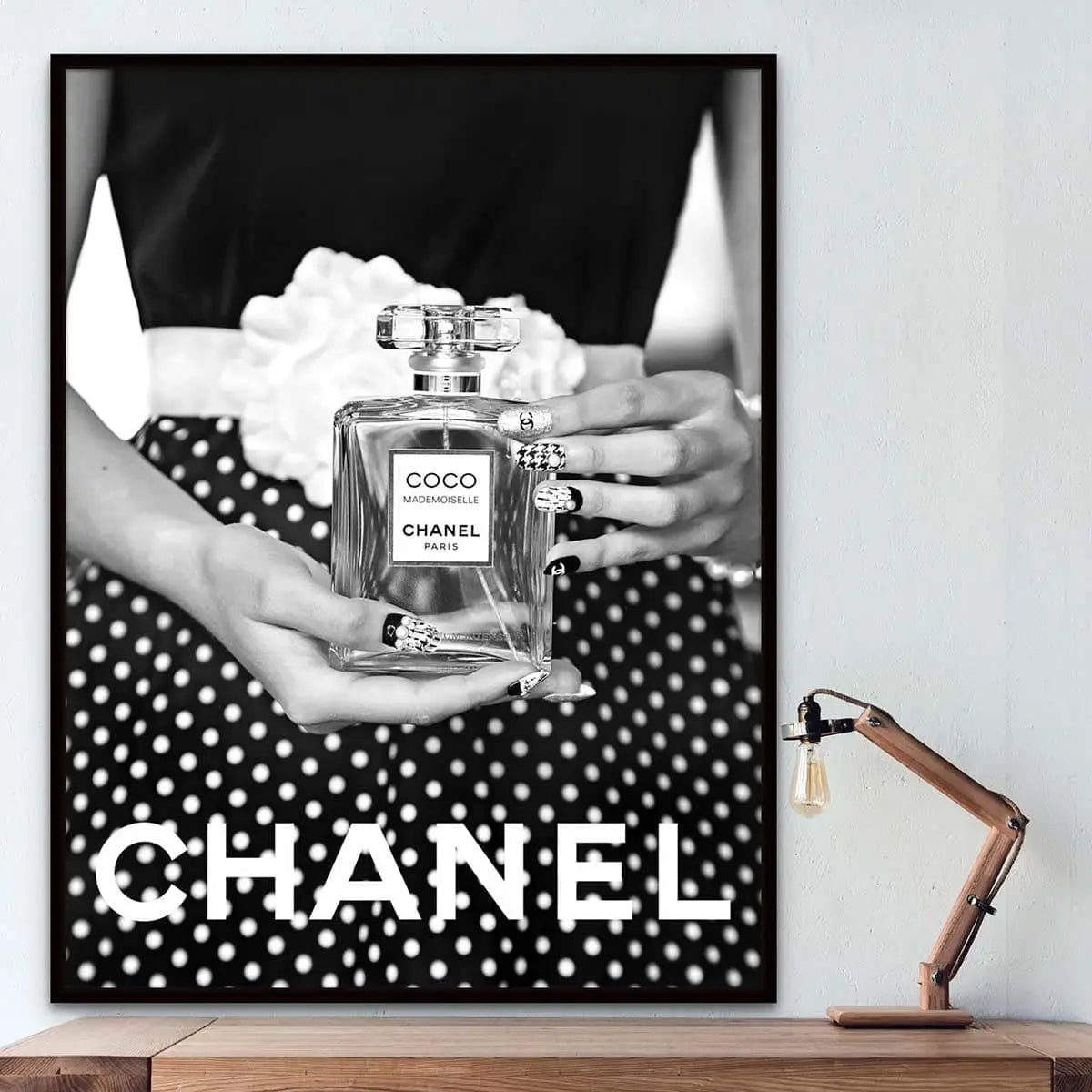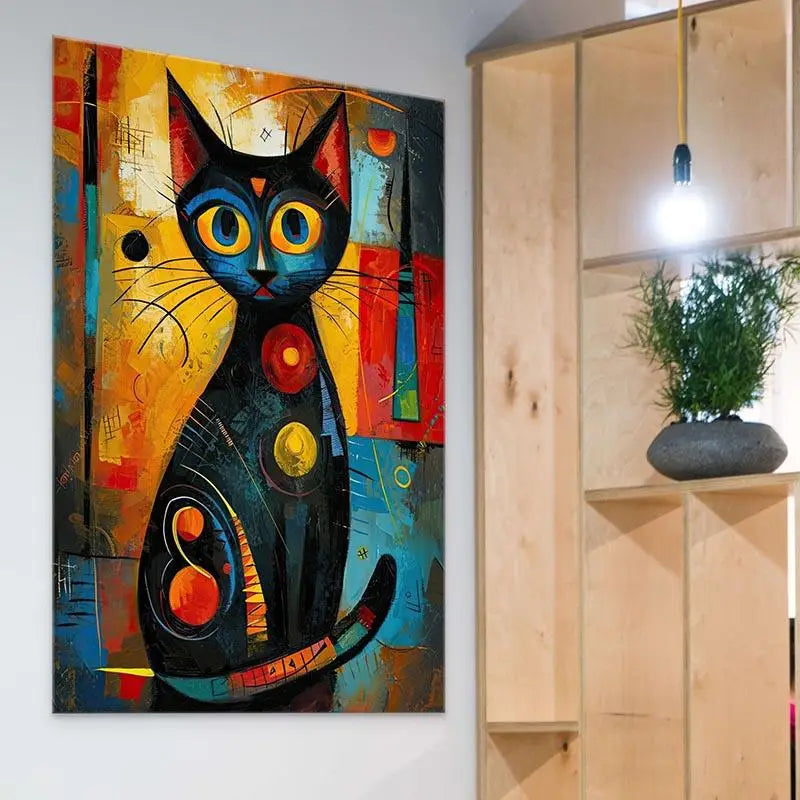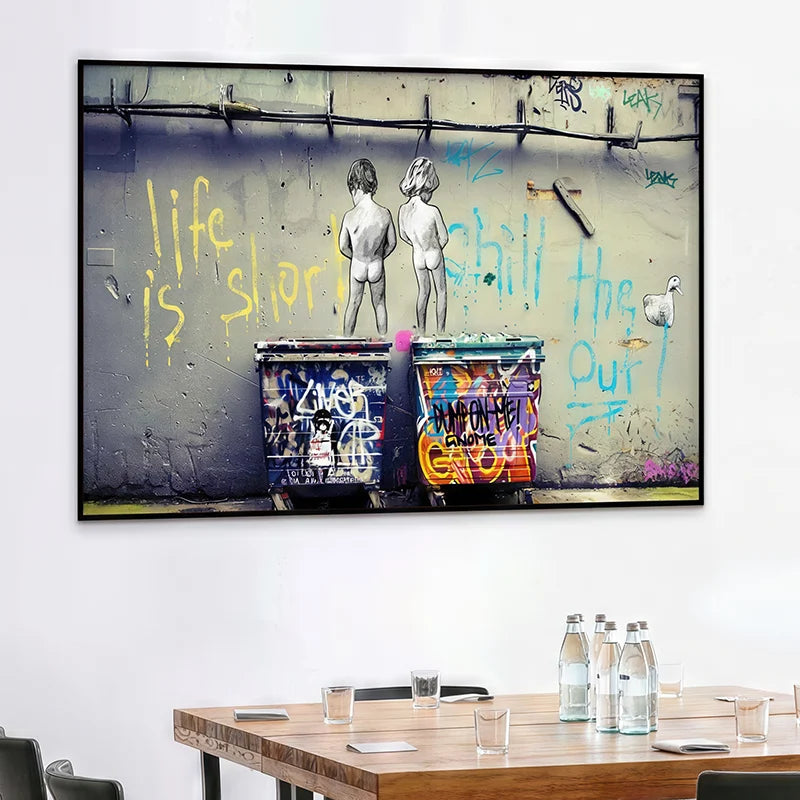

Urban Art & Wall Decor
Street art wall art is far more than simple wall decor. It tells the story of a movement born in the streets that has become a true source of inspiration for contemporary art, galleries, and modern interiors. Discover how graffiti and urban art evolved into wall art, the techniques that define them, and how to incorporate them into your home.

Long associated with walls, trains, and working-class neighborhoods, street art has come a remarkable way. Today, it can be found in galleries, museums, exhibitions, and interior design projects. This evolution has not erased its spontaneous character: it has allowed its techniques and messages to reach a wider audience.
Street art wall art captivates with its visual impact, colors, and ability to personalize a space. An artwork can become the focal point of a living room, add character to a bedroom, or bring a creative touch to an office. It can also convey an emotion, an opinion, or a memory connected to urban culture.
What Is Street Art? Origins and Definition
Street art, also known as urban art, encompasses a range of artistic practices created in public spaces or inspired by street culture. The graffiti cultures that developed in New York in the 1960s and 1970s contributed greatly to its growth, but the movement later expanded to include numerous international influences.
In its early days, graffiti was often associated with lettering, signatures, and visually taking over walls or trains. Artists sought to be seen, assert their presence, and express themselves in places that were not designed as exhibition spaces. The urban setting was an integral part of the artwork.
Over time, street art has embraced stenciling, collage, photography, mural painting, mosaics, installations, and sculpture. It can be temporary or permanent, legal or created without permission, abstract or figurative. This diversity makes it difficult to define in a single way, but it is also what makes it so rich.
The key characteristics of urban art
- A connection to the city: the architecture, residents, and history of a neighborhood can directly influence the artwork.
- An accessible form of expression: art created in a public space reaches a wide range of passersby without requiring a ticket or any specialist knowledge.
- Freedom of expression: humor, provocation, and social commentary often play a prominent role.
- A wide variety of techniques: spray paint, stencils, brushes, collage, markers, and reclaimed materials can all be combined.

From the street to canvas: how street art became wall art
The transition from wall to wall art has gradually changed how urban art is displayed and preserved. A mural created on the street depends on its surroundings: rain, sunlight, pollution, construction work, and municipal decisions can alter the artwork or cause it to disappear. Canvas makes it possible to offer the creation in a portable format that is easier to display.
This transformation is not simply about reproducing graffiti on a different medium. Wall art offers a more controlled space in which the artist can refine the details, composition, textures, and colors. Viewers no longer encounter the work while walking through the city, but in a gallery, living room, bedroom, or office.
A new relationship between the artwork and its audience
On the street, context gives the artwork part of its meaning. On canvas, viewers can observe the image for longer, compare it with other works, and incorporate it into their own surroundings. Street art thus becomes a form of wall decor while retaining its visual codes and ability to spark a reaction.
Galleries and museums have supported this evolution by showcasing urban artworks alongside more traditional art forms. This recognition has enabled many artists to develop series, work across different media, and reach collectors who might not otherwise have discovered their work on the street.

Street Art Techniques and Materials: From Murals to Modern Art
The power of street art also lies in its blend of techniques. Each method creates a different effect and can shape the final look of urban wall art: crisp outlines, drips, layers, textures, contrasts or striking graphic compositions.
Graffiti and Spray Paint
Graffiti is often recognized by its lettering, intense colors and dynamic shapes. Spray paint makes it possible to cover large surfaces quickly and create gradients, splashes or textured effects. Transposed onto canvas, this energy can produce highly expressive wall art.
Stencil Art
Stencils make it possible to reproduce a silhouette, symbol or pattern with crisp outlines. They create instantly readable images and can be combined with blocks of color, drips or handwritten elements. It is one of the most recognizable techniques in contemporary urban art.
Collage and Mixed-Media Techniques
Collage layers posters, photographs, paper, typography and printed images. It creates artwork rich in detail, sometimes intentionally distressed or fragmented. Mixed-media techniques combine paint, markers, acrylics, ink and collaged elements to create a more personal composition.
- Stencils for precise patterns and bold silhouettes.
- Collage to create depth and visual storytelling.
- Acrylic paint for blocks of color and quick drying.
- Markers and lettering to enhance the graphic language.

Iconic Street Artists in Wall Art
Street art brings together artists with very different creative styles. Some favor stencils and satire, while others work with photography, mosaics, posters or collage. What they share is their role in bringing urban culture closer to contemporary art.
Banksy and the Power of Stencil Art
Banksy has become one of the best-known figures in urban art thanks to his satirical images, often seemingly simple yet rich in meaning. His work explores themes including power, war, consumerism, surveillance and inequality. His anonymity adds to the mystery surrounding his creations.
Shepard Fairey and the Poster Aesthetic
Shepard Fairey has developed a visual language inspired by posters, graphic propaganda and activist design. His compositions feature bold contrasts, portraits and instantly recognizable colors. This aesthetic translates naturally into wall art.
Invader, JR and Other Urban Art Styles
Invader is known for his mosaics inspired by pixels and video games. JR uses photography and collage to bring faces and human stories into public spaces. Other artists explore abstraction, colorful street art, typography and reclaimed materials.
These artists show that street art wall art is not limited to a single form but encompasses a multitude of styles. You can choose a highly expressive artwork, a black-and-white composition, a portrait, a cityscape, a graphic message or a pop art-inspired creation.

The impact of street art on modern and contemporary art
Street art has helped blur the boundaries between classical art, modern art, design and popular culture. Museums and galleries now give it a prominent place, while its techniques influence painting, photography, fashion and interior design.
This evolution has also changed the role of the medium. Canvas is no longer necessarily associated with an academic style or a traditional landscape. It can feature an urban portrait, a graffiti composition, a powerful statement, a stenciled silhouette or layered images.
- Themes closer to everyday life: cities, society, media, identity and popular culture.
- Freer techniques: a blend of painting, collage, photography, typography and a variety of materials.
- Bolder colors: striking contrasts, solid blocks of color, neon hues, black and white or highly distinctive palettes.
- A more direct connection with the public: the artwork can be understood quickly while leaving room for interpretation.
Street art wall art is therefore part of a broader movement: contemporary art that embraces a greater mix of influences and techniques. This freedom explains why it can complement a wide variety of interiors.

Street art as a vehicle for social and cultural messages
Street art does more than simply beautify a wall. It can also challenge, provoke, condemn or highlight a social reality. Artists explore subjects such as equality, the environment, war, cultural identity, poverty and the transformation of a neighborhood.
The street is a unique space for dialogue. A mural can be seen by people who did not choose to visit an exhibition. It reaches local residents, passersby and visitors, sometimes in a place directly connected to the artist’s message.
- Promoting equality and freedom of expression.
- Raising awareness of environmental protection.
- Reflection on inequality and power dynamics.
- Celebration of cultural identities and local stories.
When presented as wall art, this message enters the intimacy of the home. It can become a conversation piece or simply serve as a daily reminder of an idea that matters to the person who chose it.

The street art market: galleries, exhibitions, and collectors
Street art has gradually found its place in galleries and exhibitions. Works once perceived as ephemeral or marginal are now studied, collected, and displayed in dedicated spaces. This evolution has enabled urban art to reach enthusiasts from a wide variety of backgrounds.
Collectors appreciate the diversity of styles, the power of the stories told, and the often distinctive character of the works. Some seek originals or editions, while others choose street art wall art primarily for its visual impact and ability to transform a room.
A market defined by paradox
Street art originated in a space accessible to everyone, but some works are now sold through highly selective channels. This tension between public art and the private market fuels debate about a work's value, price, provenance, and commercialization.
Before making a purchase, it is therefore important to understand what is being offered. An original work, a limited edition, a reproduction, and a decorative print are neither the same type of object nor of the same value. The product page should clearly present the nature of the wall art, its medium, and its features.

The challenges of preserving and commercializing street art
A work installed on the street is exposed to the elements, pollution, construction work, and human interference. Even when it becomes famous, it may be covered over, moved, damaged, or disappear along with the building that supports it. This fragility is part of street art's history, but it also raises the question of its preservation.
Transferring the work to canvas offers a solution to some of these challenges. The wall art can be transported, displayed in several locations, and protected indoors. However, its context changes: the work is no longer directly confronted with the city, and its message may be interpreted differently.
Preserving the urban spirit without making it commonplace
Commercialization can make urban art more accessible, but it must remain transparent. It is important to respect artists' rights and not present a decorative image as an original artwork when this is not the case. Clear information allows buyers to make an informed choice.
Street art also deserves special care in the home. Direct light, humidity, heat, and dust can affect its appearance. A stable location, suitable mounting hardware, and gentle cleaning will help preserve its beauty over time.
How to choose street art for your interior
The right street art is one that suits both your personal taste and the room's practical requirements. Before ordering, take the time to consider your furniture, color palette, available light, and the actual wall space.
Choosing a style and emotion
You can choose a portrait, a stenciled silhouette, colorful graffiti, a cityscape, a stylized animal, typography, or an abstract composition. A black-and-white piece will create a refined, graphic atmosphere. A multicolored design will bring more energy to a neutral wall.
Matching the colors to your decor
On a white wall, almost any color palette will work. To create a cohesive look, echo one or two colors from the wall art in your cushions, rug, curtains, or accessories. There is no need to replicate every shade in the piece: a few subtle accents are enough to bring everything together.
Choosing the medium
The medium influences the final look and visual impact of the wall art:
- Frameless poster: a lightweight, affordable option that is easy to update.
- Stretched canvas on wooden frame: a warm look that works beautifully in a living room, bedroom, or office.
- Black floating frame: a contemporary finish that highlights the contrasts of street art.
- White floating frame: a more understated option for a bright or minimalist interior.
- Plexiglass: a glossy, modern surface that enhances colors and visual depth.
Choosing the right size
A piece that is too small may get lost on a large wall, while an oversized work can throw the room off balance. When hanging it above a sofa, sideboard, or bed, measure the width of the furniture and leave some space around the wall art. A paper template or masking tape will help you visualize the result.
Looking for urban wall decor?
Explore the Montableaudeco street art collection and find a piece to suit your style, room, and budget.
Incorporating street art into your decor
Street art wall art can complement a variety of interior styles. The aim is not necessarily to create an entirely urban room, but to let the artwork add an expressive touch among more understated furnishings.
In the living room
The wall behind the sofa is a natural place for a large piece of wall art or a composition. Materials such as wood, black metal, leather and concrete enhance the industrial feel. In a more traditional living room, a graphic artwork can instead create an elegant contrast, especially when paired with a discreet frame.
In a bedroom
For a teenager's or young adult's bedroom, graffiti, music, sports or urban culture-inspired wall art can personalize the space. In an adult bedroom, choose a subject and palette that create a pleasant everyday atmosphere: black and white, deep blue, earth tones or a refined abstract composition.
In an office
Street art wall art can inspire creativity in a workspace. Hang it opposite the desk or on a side wall, avoiding an overly busy composition if you need to stay focused. An artwork with clean lines or balanced colors works particularly well.
Create a gallery wall
If you want to combine several pieces of wall art, choose a unifying theme: the same palette, medium, subject or finish. A bold artwork can be paired with smaller pieces, but leave enough space between them to avoid an overcrowded look.
Current trends and the future of street art wall art
Street art continues to evolve alongside digital technologies, social media and new ways of exhibiting art. Artists increasingly work across multiple disciplines: illustration, photography, animation, design, installation and digital creation.
- Hybrid artworks: a blend of painting, photography, collage and digital elements.
- Immersive exhibitions: projections, installations and displays that extend the experience beyond the wall art.
- Creative collaborations: exchanges with design, fashion, music and popular culture.
- Stronger local engagement: community projects, neighborhood murals and messages connected to local communities.
- More personalized decor: wall art chosen for its story, emotion and ability to reflect your personality.
The transition from the street to canvas is therefore not an end, but a new chapter. Street art can remain spontaneous and thought-provoking while exploring more durable surfaces, different formats and a variety of decorative applications.

FAQ: your questions about street art wall art
What is the difference between street art and graffiti?
Graffiti primarily refers to a practice involving lettering, signatures and painting on urban surfaces. Street art is a broader concept that also includes stenciling, collage, photography, mosaics, sculpture and other forms of expression in public spaces.
Why choose street art wall art for your decor?
Street art wall art adds character, color and a bold personality to a wall. It can become the focal point of a living room, bedroom or office while reflecting the artistic tastes of the person who chose it.
Which street art wall art should you choose for a living room?
Choose a piece that is proportional to the width of the sofa or furniture below it. A large piece can create a focal point, while a multi-panel arrangement works well on a longer wall. Coordinate one or two colors with the cushions, rug or curtains.
Which medium should you choose for street art wall art?
An unframed poster offers a light, airy look, stretched canvas adds warmth, a black floating frame enhances contrast, a white floating frame remains understated, and an acrylic glass print provides a glossy, contemporary finish. Your choice depends on the room's style, the size and the look you want to achieve.
Is street art wall art sold online always an original work?
No. It may be an original work, an edition, a reproduction or a decorative print. Always check the product page to confirm the exact nature of the artwork, its medium, dimensions and any certificates of authenticity.
How do you care for street art wall art?
Dust it with a soft, dry cloth, avoid abrasive products and protect it from direct sunlight, heat and excessive humidity. For a large piece, also make sure the mounting remains secure.
Conclusion: street art, a constant evolution from the street to the canvas
Street art has profoundly changed the way we perceive urban art. Born on the streets, it evolved through graffiti, stenciling, collage and a wide range of mixed-media techniques before finding its place on canvas, in galleries and in our interiors.
Street art wall art can be chosen for its colors, message, style or the emotion it evokes. To create a successful interior, consider the proportions of the wall, the lighting, the medium and how well it complements your furniture.
Explore the Montableaudeco street art wall art collection and find the piece that will bring an urban, modern and personal touch to your interior.