
Urban art · Contemporary wall décor
Long associated with city walls, street art has found its place in interior design. Graffiti, stencil art, collage, lettering or abstract compositions: these visual styles bring energy to a living room, office or bedroom. Street art wall art does more than fill an empty wall; it often becomes the signature feature of the room.
Choosing urban artwork can feel challenging given the range of colors, sizes and materials available. The best approach is to consider your interior, the atmosphere you want to create and the actual wall space. This guide will help you select cohesive street art wall art, hang it correctly and avoid an overcrowded look.

Street art and interior design: what does it mean?
Street art encompasses a range of artistic practices that emerged or developed in public spaces. Graffiti, stencil art, collage, posters and murals are just some of its forms. They share a desire to engage with the setting, passersby and contemporary visual culture.
In interior design, the aim is not necessarily to recreate a street wall. Instead, selected elements are incorporated: expressive lettering, bold contrasts, silhouettes, pop motifs, drips, textures or graphic messages. This subtle approach makes it possible to bring urban art into an interior without compromising comfort or elegance.
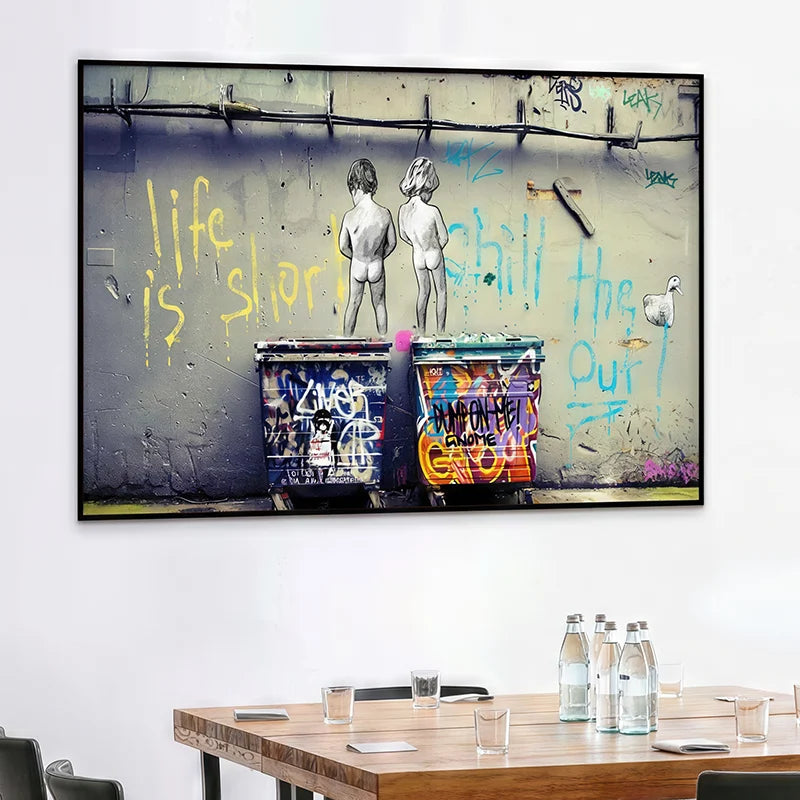
A creation inspired by Banksy, Basquiat or graffiti culture should be presented as a decorative reproduction or interpretation, never as an authenticated original work. This transparency helps you choose wall art for its aesthetic appeal rather than based on a misleading artistic claim.

Street art styles to embrace at home
Each visual style creates a different atmosphere. Take the time to consider the dominant colors, pattern density and direction of movement before making your choice.
| Style | Visual effect | Décor pairing |
|---|---|---|
| Graffiti and lettering | Energy, movement and urban character. | Loft, black metal, concrete, contemporary furniture. |
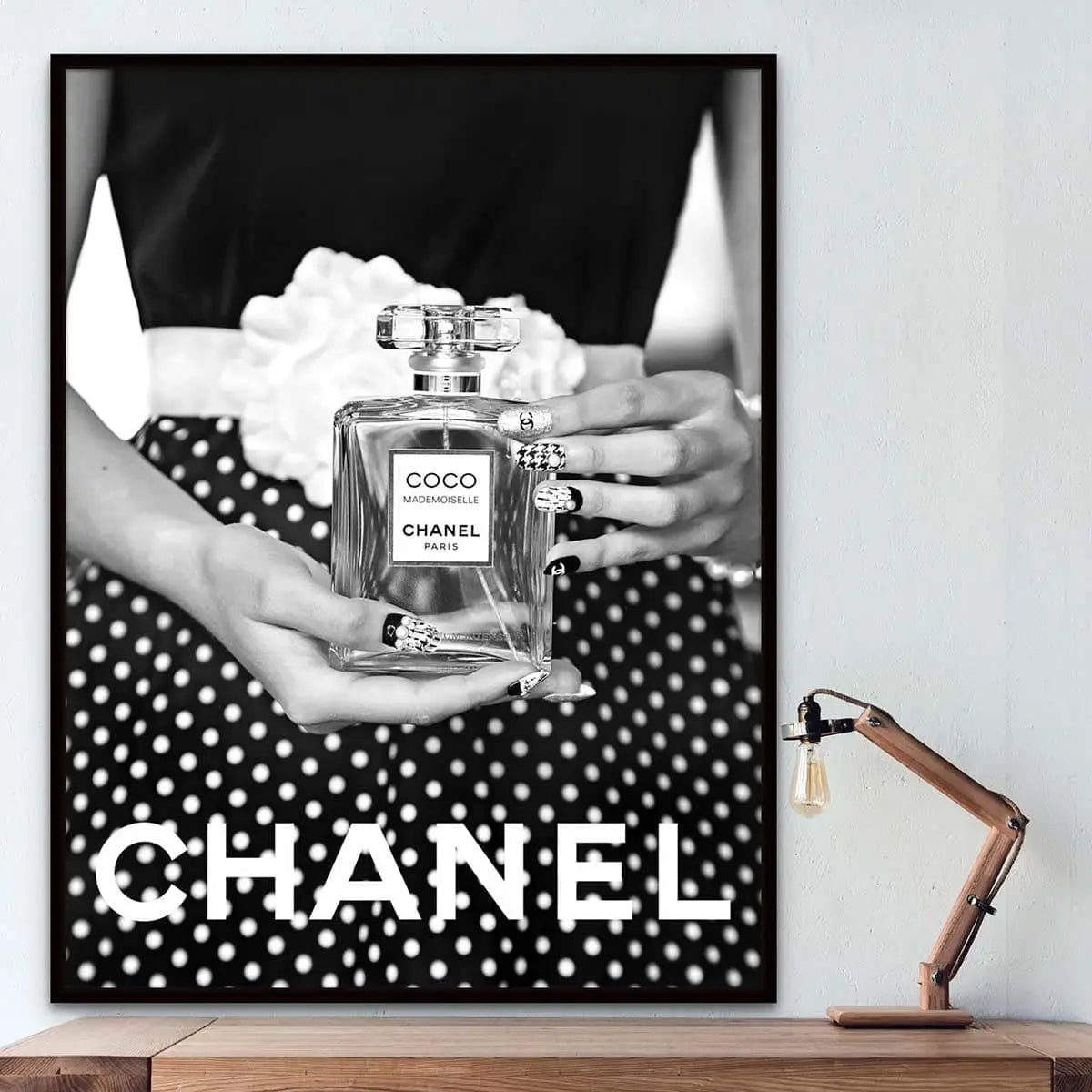
| Stencil | Sharp contrast and instant readability. | Minimalist decor, black and white, light wood. |
| Collage and pop culture | Layering, humor, and playful graphic references. | Creative office, game room, eclectic interior. |
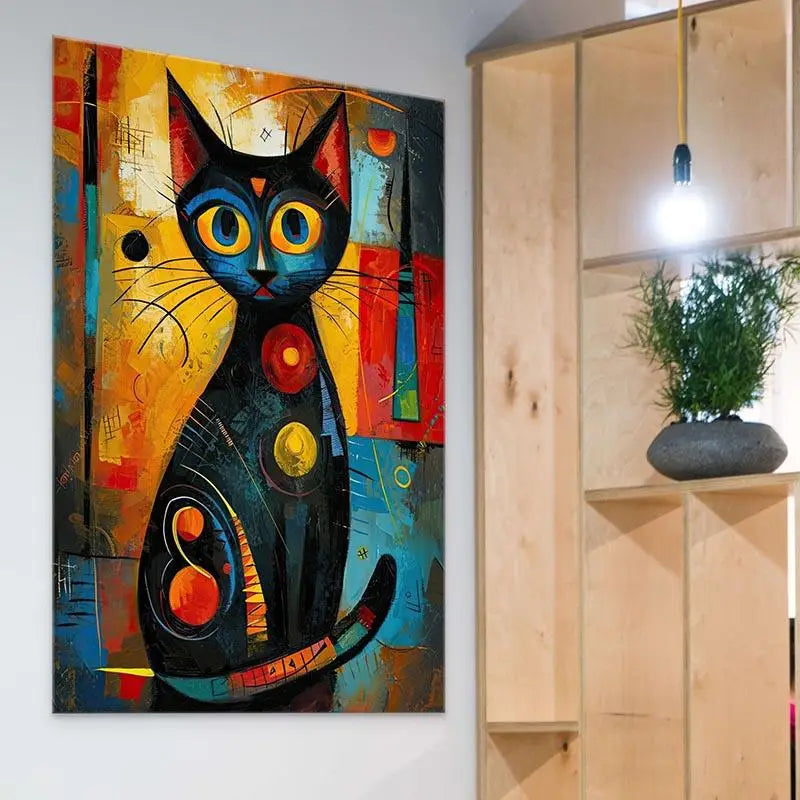
| Urban abstract | Free-flowing colors and shapes, with no fixed subject. | Modern living room, designer or minimalist decor. |
If you enjoy free-form compositions, you can also explore our selection of abstract wall art. It offers an alternative to figurative graffiti while maintaining a contemporary presence on your wall.
How to choose your street art wall art
Start with the color palette
Identify three shades already present in the room: those of the sofa, rug, curtains, or a piece of furniture. The wall art can pick up one of these colors to create a sense of harmony, or introduce a contrasting shade if the decor is very neutral. A multicolored composition is easier to incorporate when the walls and larger pieces of furniture remain understated.
Consider the size of the wall
A small piece of wall art can get lost above a large sofa, while an oversized format can make a narrow space feel smaller. Measure the width of the furniture and the available height before checking the dimensions. For a wide wall, a large horizontal format or several panels can create a striking composition. In a hallway, a vertical format will often feel more natural.
Choose an image that reflects who you are
Street art can be thought-provoking, humorous, colorful, or simply graphic. Ask yourself how you want to feel each day when you look at the wall art. A poetic silhouette will have a subtler presence than high-contrast lettering. The right choice is one that reflects your style, even if it does not follow the latest trend exactly.
Coordinate your wall art with your decor
Urban art is expressive: it does not need to be surrounded by numerous objects to stand out. Place it on a clear wall, then create a few visual echoes with cushions, a lamp, a vase, or a furniture detail. These accents can pick up a color or material without copying every motif in the wall art.
- Industrial decor: pair the wall art with black metal, raw wood, and concrete tones.
- Contemporary living room: let the artwork become the focal point amid clean lines.
- Minimalist interior: opt for a stencil, a two-color design, or a simple composition.
- Colorful interior: echo a secondary shade from the wall art in your textiles rather than adding a new color palette.

To compare different styles before making your choice, explore our modern wall art as well. Some designs blend urban art, pop art and abstraction; they are ideal if you are looking for expressive artwork that is easier to pair with a classic interior.
Which wall art, room and size should you choose?
The living room: a striking piece above the sofa
The living room is the perfect place for large street art wall art. Position it above the sofa or TV unit, leaving even spacing around the artwork. A horizontal format complements the lines of the furniture; a triptych or multi-panel composition adds more rhythm to a very wide wall.
The bedroom: more balanced contrasts
In a bedroom, less saturated colours and more spacious compositions create a calming atmosphere. Black-and-white wall art, a graphic design or artwork in midnight-blue tones can add character without overwhelming the wall. Avoid placing the image opposite a light source that creates distracting reflections.
The home office and games room: inspiring creativity
A home office allows for more freedom: lettering, collage, pop culture or bold colours can enhance a creative space. In a games room, simply make sure the designs and size remain consistent with the other elements to avoid visual clutter.
For more inspiration, explore the tips on our street art blog. You will find ideas for pairing urban art with a variety of interior styles.
Poster, canvas, frame or Plexiglass: which material should you choose?
The material affects the finish, depth and how the wall art fits into your space. It should be chosen according to your style, budget and the room where the artwork will be displayed.
- Frameless poster: lightweight and versatile, it allows you to choose or change the frame later.
- Stretched canvas on wooden frame: warm and ready to hang, it is ideal for a living room or bedroom.
- Black or white floating frame: it highlights the edges of the canvas for a more structured, gallery-style look.
- Plexiglass: glossy and contemporary, it requires careful consideration of reflections and lighting.

Always check the product details for each design to see which sizes and materials are actually available. The appearance of texture in an image does not necessarily mean that the print has a raised texture you can feel. Checking this helps avoid unpleasant surprises when your order arrives.
Mistakes to avoid with street art decor
Urban art already has a strong personality. A few simple precautions are enough to keep your decor clear and balanced.
- Overcrowding the wall: start with one centerpiece before adding a second image.
- Ignoring proportions: visualize the size with masking tape before drilling.
- Mixing too many messages: multiple competing lettering styles or patterns can strain the eye.
- Overlooking lighting: plan for soft lighting and manage reflections on glossy finishes.
- Copying an entire color palette: use one or two colors from the wall art, not every shade.
Also leave space around the artwork. This empty space is not wasted: it gives the eye time to take in the details and enhances the wall art's presence. Successful decor is not about displaying the most objects, but about telling a cohesive story.
Add character to your walls
Colorful graffiti, graphic stencils, pop culture or urban abstraction: explore the available designs and find the street art wall art that complements your interior.
Frequently asked questions about street art wall art
Which street art wall art should you choose for a modern living room?
Choose an artwork with colors that complement your sofa, rug or curtains. A large horizontal piece or triptych works well above a sofa, provided you leave enough space around the wall art.
What is the difference between graffiti and street art?
Graffiti often focuses on lettering and signatures, while street art encompasses a broader range of practices: stenciling, collage, murals, illustration and installation. Both styles can be incorporated into interior decor.
Can you hang street art wall art in a bedroom?
Yes. Opt for an airy composition and colors that suit your desired atmosphere. A graphic, black-and-white or midnight blue design is often easier to incorporate than a highly saturated artwork displayed opposite the bed.
Which format should you choose for street art wall art?
An unframed poster is ideal if you want to choose your own frame; stretched canvas creates a warm look; a floating frame adds structure to the display; an acrylic glass print offers a glossy, modern finish. Check the options available on the selected product page.
Is a Banksy-inspired reproduction an original artwork?
No. It is a decorative print or interpretation inspired by familiar visual styles. It is not a substitute for a certified original artwork and must be described accordingly.