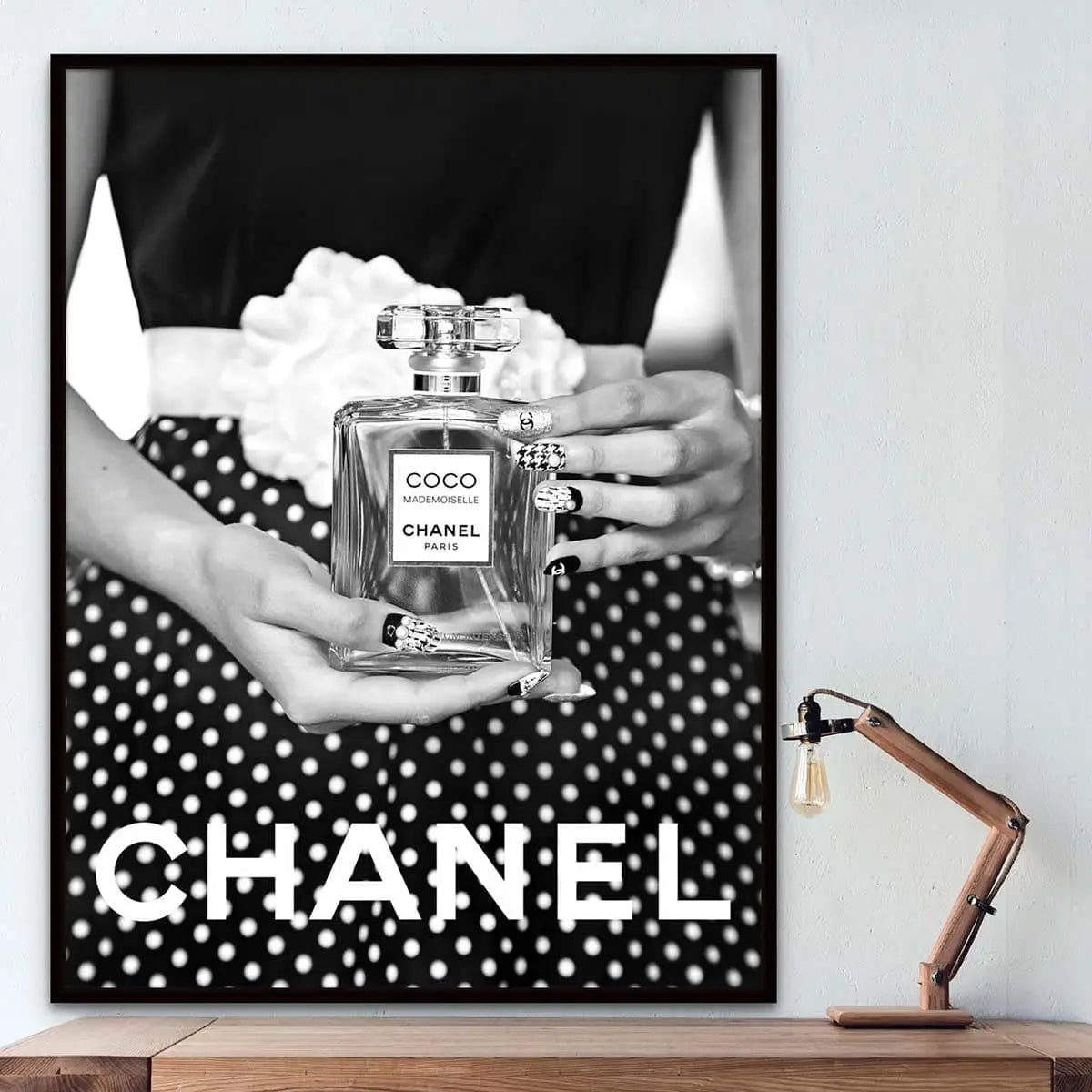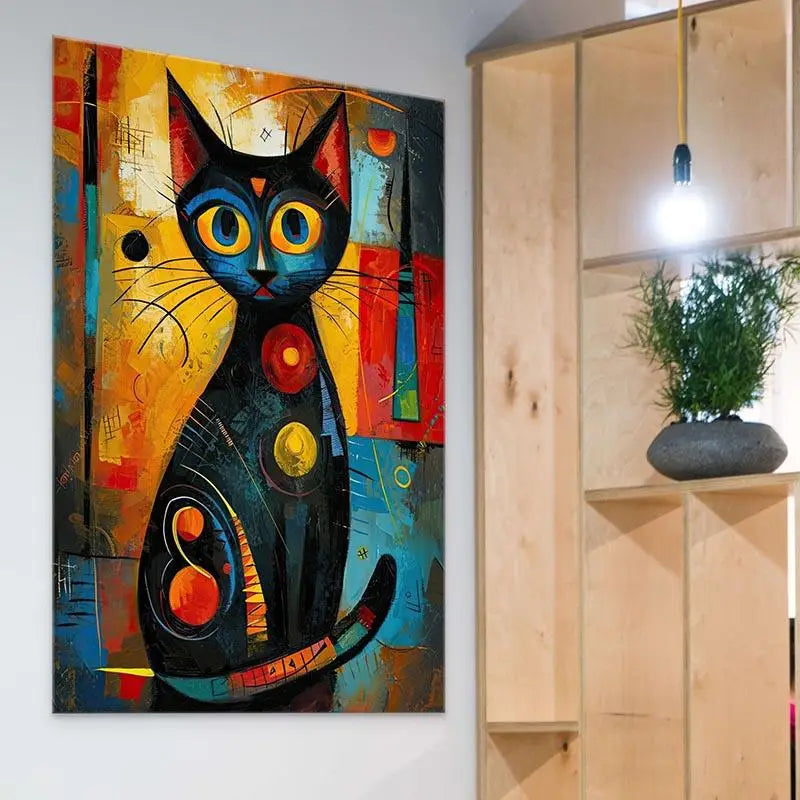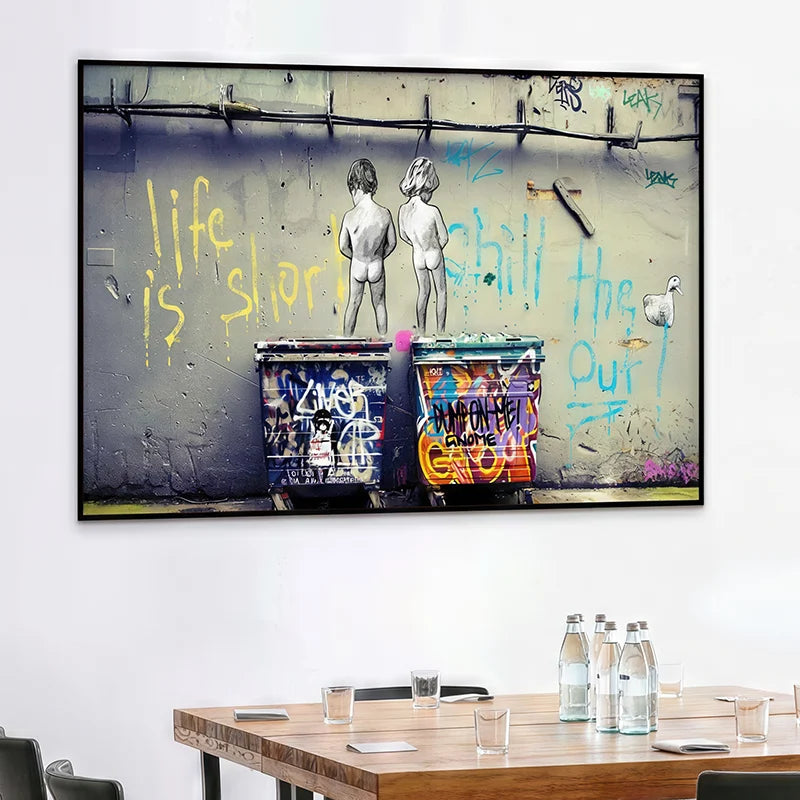

A street art wall art piece can become the focal point of a room, provided it has enough space to make an impact. The wall behind the sofa, an understated entryway or a creative office are often ideal locations. However, the right choice depends on the size, colors, lighting and style of your interior.
In this guide, discover where to hang graffiti wall art, how to choose the right size and the ideal height. You will also find ideas for the living room, hallway, bedroom, kitchen and office, as well as tips for creating a cohesive street art gallery wall.

Why Placement Changes Everything in Street Art Decor
Urban art naturally draws the eye with its contrasts, lettering, characters or blocks of color. However, wall art placed on an already busy wall may get lost. Conversely, an artwork displayed opposite the entrance or above a low piece of furniture creates an immediately noticeable visual presence.
Placement also influences the sense of space. A horizontal piece complements the width of a sofa, while vertical wall art can accentuate a high ceiling or fill an alcove. In a small space, a single well-proportioned artwork often looks more elegant than a cluster of frames.
- Focal point: the wall art draws the eye and defines the room.
- Balance: the dimensions complement the sofa, console table or bed.
- Atmosphere: the colors and subject create an urban, pop or graphic mood.
Choosing the Right Street Art Wall Art: Style, Size and Medium
Before choosing the wall, consider the story you want to tell. A high-contrast graffiti street art wall art piece brings energy to a living room or office. Pop art-inspired artwork evokes popular culture and pairs beautifully with retro touches. An abstract or monochrome composition creates a more understated presence in a bedroom or minimalist interior.
| Style | Desired effect | Recommended location |
|---|---|---|
| Graphic graffiti | Energy, contrast, and urban flair | Living room, loft, entryway, or office |
| Pop art | Bold colors and a nod to popular culture | Living room, kitchen, or creative space |
| Stencil and typography | A readable message with a graphic, contemporary look | Hallway, entryway, or office |
| Urban abstract | A softer, more versatile artistic presence | Bedroom, living room, or minimalist decor |
Match the size to the wall
Measure the available width before ordering. Above a sofa, wall art or an arrangement spanning around two-thirds of its width generally looks balanced. In a hallway, a vertical or narrow format allows for easier movement. For a large empty wall, a large-format street art wall art piece can become the focal point, provided you leave some space around the artwork.
Choose a medium that suits the room
- Frameless poster: lightweight and versatile, ideal for trying out a style or creating a gallery wall.
- Stretched canvas on wooden frame: a warm presence and visual depth without additional framing.
- Black or white floating frame: a clean finish that highlights the contours of the artwork.
- Plexiglass: a bright, contemporary finish, best displayed away from direct reflections.
In the street art wall art collection, compare the design, size, and available medium on each product page. A decorative reproduction can draw on the visual language of an artist or movement without being an original artwork or a financial investment.

In the living room: create a dynamic focal point
The wall behind the sofa is the most obvious place for street art wall art. It provides a large surface visible from the seating area and allows you to build the entire decor around the artwork. Ideally, leave some space between the top of the sofa and the bottom of the frame so the overall arrangement can breathe.
If the wall art is very colorful, choose furniture with clean lines and echo one or two colors from the artwork in cushions, the rug, or a vase. A white, beige, or light gray wall enhances the contrast without competing with the image. In an already expressive living room, a more graphic or monochrome piece can restore balance.
- A large horizontal format complements a wide sofa.
- Two or three coordinated formats add structure to a long wall.
- A vertical piece works well in a corner or in a space with high ceilings.
- A low console allows the wall art to take center stage as a focal point.

A street art wall art piece can become the starting point for a contemporary interior.
In the entryway and hallway: make a striking first impression
The entryway is an excellent place to showcase a bold personality. Since visitors spend little time there, you can embrace a brighter palette or a graphic message. Place the wall art opposite the door or on the clearest wall so it is visible as soon as they arrive.
In a narrow hallway, choose a vertical format, a series of small frames or a slim horizontal piece. Avoid frames that protrude too far into a passageway. Light colors and well-positioned lighting also keep the space from looking narrower.
- Long hallway: arrange several pieces with even spacing.
- Dark entryway: choose a bright design and a soft LED light source.
- Small landing: choose a single wall art piece in a modest size.

In the bedroom: an urban touch without disturbing your rest
In a bedroom, street art can replace a headboard or highlight the wall behind the bed. To maintain a restful atmosphere, choose less saturated shades, a minimalist design or abstract wall art with subtle contrasts. Highly detailed illustrations and particularly vivid reds are best reserved for spaces where you want more energy.
Safety is especially important in this room. Secure the mount firmly and avoid placing heavy or fragile objects above the headboard. If you are renting, a lightweight poster or a hanging system approved by its manufacturer may be easier to install than a heavy frame.

Kitchen, bathroom and office: embrace originality in the right place
Kitchen and bathroom
A kitchen can feature a small pop art wall art piece or a graphic poster on a wall away from splashes, steam and heat. In a bathroom, check that the material and finish are suitable for humid conditions. Avoid placing artwork directly above a sink, cooktop or shower.
Office and workspace
In an office, wall art can be placed facing the workstation or on a side wall. Choose an image that sparks your creativity without causing screen glare. Abstract compositions, typography, and bold colors bring energy to a functional space.
- Wall facing the desk: inspiring artwork to enjoy during breaks.
- Side wall: a vertical format that complements a bookcase.
- Small space: an unframed poster or lightweight wall art that is easy to move.

Choosing the right proportions and height for wall art
Wall art can be beautiful yet still look out of place if it is too small for the wall or too large for the furniture below. Make a paper template or arrange the frames on the floor before installing them. This step lets you check the proportions without repeated trial and error.
Helpful guidelines
- Center the artwork around eye level, adjusting it to suit the occupants.
- Even spacing between the sofa, console, or bed and the bottom of the wall art.
- Visible space around the artwork to prevent the wall from feeling overcrowded.
- Consistent spacing between frames in a gallery wall, unless an intentional artistic choice calls for otherwise.
For wall art above a sofa, visually align the center of the artwork with the center of the furniture. For a multi-piece arrangement, treat the entire display as a single unit: its overall width and height should complement the furniture.
Enhancing colors with the right lighting
Lighting can reveal the details of graffiti, but a poorly positioned spotlight creates reflections and overly bright areas. Opt for indirect light or an adjustable spotlight that illuminates the surface without heating the material. LEDs are often a practical choice because they generate little heat; choose the color temperature based on the desired mood and color rendering.
- Avoid prolonged direct sunlight, especially on light-sensitive materials.
- Angle the spotlight slightly to the side to reduce reflections.
- Test the lighting in the evening before finalizing the position.
- Move visible cables out of sight or use discreet cable trunking.

Choosing the frame and coordinating street art with your décor
A black frame highlights contrasts and enhances the gallery feel. White lends a lighter touch to vibrant wall art on a light-colored wall. Wood creates a warmer transition in a Scandinavian or natural interior. The best choice depends on the artwork: an expressive piece often benefits from a simple finish.
Street art pairs particularly well with industrial, contemporary, and minimalist styles. For a balanced contrast, combine it with black metal, light wood, polished concrete, or solid-colored textiles. In a classic interior, graffiti wall art can also give the room a modern touch, provided other bold patterns are kept to a minimum.
- Street art + minimalism: an uncluttered wall and a striking artwork.
- Street art + industrial: metal, raw wood, and a charcoal palette.
- Street art + retro: pop art, bold colors, and vintage furniture.
- Street art + natural: colorful artwork balanced with linen and light wood.

How to Create a Street Art Gallery Wall at Home
Several pieces of wall art can tell a shared story through a color palette, theme, or technique. Before hanging anything, photograph the wall and create a mock-up using paper cut to the correct dimensions. You will immediately see whether the composition is too crowded or the pieces need more breathing room.
- Mark out the width and height of the future display.
- Choose a unifying theme: colors, characters, typography, or format.
- Arrange the frames on the floor, testing different spacing options.
- Align an edge, central axis, or baseline.
- Light the entire display evenly.
A gallery wall does not need to feature six identical artworks. Two complementary sizes and consistent spacing may be enough. For a more understated look, use frames in the same color. For a more eclectic style, keep at least one element consistent across the artworks.

What to Know Before Buying Street Art Wall Art
Before purchasing, check the subject, dominant colors, dimensions, and material. An image viewed on screen may appear more or less vibrant depending on your device settings. Check the actual dimensions and, if possible, compare them with a template placed on your wall.
The words “artist,” “inspired by,” or “street art” do not necessarily mean that it is a signed original artwork. When choosing a decorative reproduction, focus primarily on print quality, material, finish, and how well it complements your room. Details specific to each design are provided on its product page.
To compare different styles, you can also browse our abstract wall art and modern wall art. These collections offer alternatives if highly colorful graffiti does not ultimately suit the atmosphere you want.

How to care for and protect your street art
Dust, direct sunlight, and humidity can affect the appearance of wall decor over time. Dust it gently with a clean, dry cloth, without using abrasive products. Avoid water and rubbing on canvas or posters. For Plexiglass, follow the care instructions for the finish to prevent micro-scratches.
- Keep the wall art out of direct sunlight.
- Avoid very humid rooms if the material is not designed for them.
- Never spray cleaner directly onto the artwork.
- Check the hanging hardware and frame alignment from time to time.
FAQ: where should you hang street art?
Which wall is best for street art?
Choose the wall that is most visible from the entrance or seating area, with enough space around the artwork. In a living room, the wall behind the sofa is often an excellent starting point.
What size should you choose above a sofa?
The wall art should complement the width of the sofa without visually extending beyond it. A paper template or an arrangement laid out on the floor will help you test the size before ordering.
Can you hang graffiti wall art in a bedroom?
Yes. Choose an image with colors and contrasts suited to a restful atmosphere, then secure it firmly. Avoid hanging heavy or fragile artwork above the headboard.
How should you light street art?
Indirect lighting or an adjustable LED spotlight will highlight the details. Avoid direct sunlight, reflections from the front, and light sources that heat the material.
Does street art complement classic decor?
Yes, if the wall art is the only highly expressive feature in the room. A simple frame and a few matching color accents are enough to create an elegant contrast with more traditional furniture.
Add character to your wall
A carefully chosen street art print transforms a blank wall into a distinctive design statement. Explore the available sizes and materials to create an urban interior that reflects your style.
Discover the street art collection