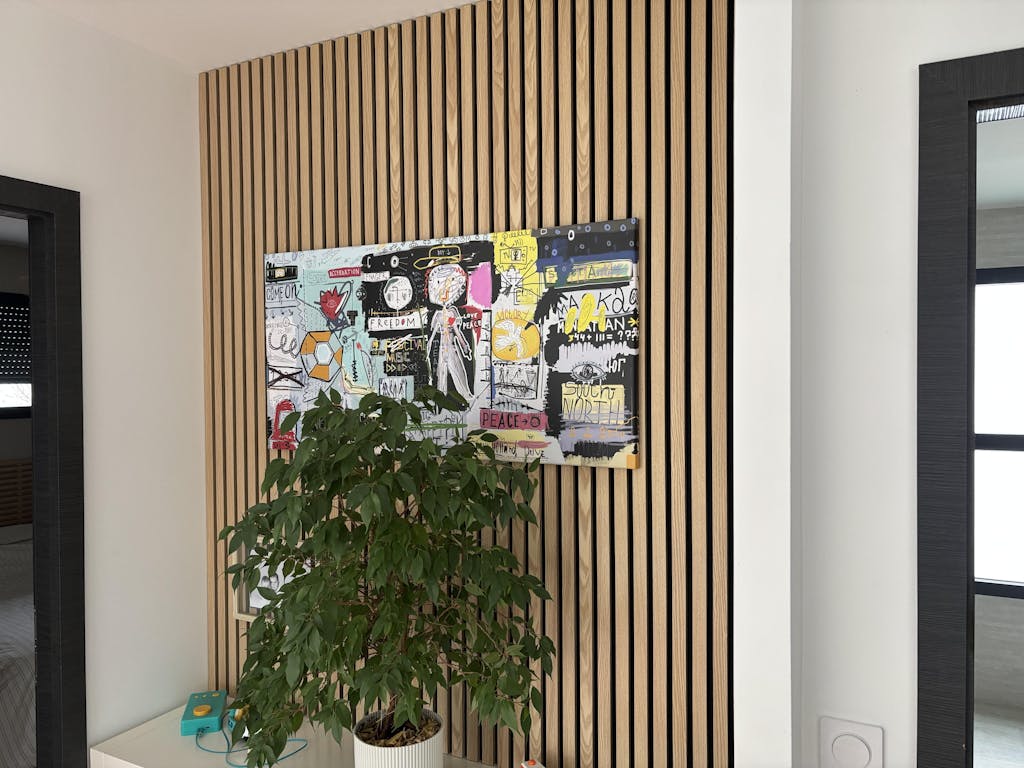
Techniques for framing a painting effectively
Framing a painting is a crucial step to enhance a work of art. A well-chosen frame can transform the appearance of a painting and enhance its visual impact.
Whether you are an art enthusiast or an interior decorator, knowing how to frame a painting effectively is essential. It not only helps protect the artwork but also integrates it harmoniously into your wall decor.
There are many techniques for framing a painting, ranging from classic frames to modern floating frames. Each type of frame offers a unique aesthetic and can influence the perception of the artwork.
In this article, we will explore the different methods for framing a painting. We will guide you through the steps to choose the ideal frame and give you tips on how to frame a painting yourself.

Get ready to discover how a simple frame can transform your space and highlight your works of art.
Why frame a painting? The benefits of good framing
Framing a painting has many advantages. It goes beyond just the aesthetic aspect. Good framing also protects the artwork from external elements such as dust, humidity, and impacts.
Moreover, a well-chosen frame enhances the perceived value of the artwork. It guides the viewer's eye and draws attention to important details in your painting. It’s a real way to anchor the artwork in its environment.
Here are some benefits of good framing:
-
Protection : against dust and humidity.
-
Aesthetics : highlights the colors and shapes of the artwork.
-
Durability : extends the life of your painting.

An appropriate frame also serves to create visual cohesion in a room. By carefully framing your artworks, you integrate them harmoniously into your wall decor. This adds an elegant and professional touch to your interior.
The different types of frames for paintings
Choosing the right frame can transform a work of art. Different types of frames can be used depending on the style and desired effect. Traditional wooden frames remain popular for their timeless beauty.
There are also metal frames, perfect for a modern and minimalist look. Plastic frames offer an economical option without sacrificing aesthetics. A judicious choice of materials can greatly influence the overall impression of the painting.
Here are a few types of frames to consider:
-
Wooden frame : classic and warm.
-
Metal frame : elegant and contemporary.
-
Plastic frame : lightweight and affordable.
-
Glass frame : smooth and shiny.
Do not overlook the color and finish of the frame. They should match the room and the artwork itself. A black or white frame can provide striking contrast, while gold or silver frames add a touch of luxury. This choice is crucial for harmonious wall decoration.
Classic frame, American box, floating frame: which one to choose?
Classic frames are timeless. They are often made of wood, and their elegance suits many artworks. They are perfect for a traditional style or for antique paintings.
The American box, without glass, offers a modern presentation. It is ideal for canvases and creates an attractive depth effect. This type of frame highlights works in a contemporary way.
For an airy style, consider the floating frame. It gives the illusion that the artwork is suspended, thanks to a slight gap between the painting and the frame. This works particularly well for modern pieces.
Consider these options:
-
Classic frame : traditional and versatile.
-
American box : modern and deep.
-
Floating frame : light and unique.

by Artists Eyes (https://unsplash.com/@artistseyes)
The choice of frame depends on the desired effect. Think about the style of your room and the intention behind the artwork before deciding. Good synchronization between the artwork, the frame, and the environment creates captivating visual synergy.
How to choose the ideal frame for your painting?
The ideal frame should enhance your artwork without overpowering it. To do this, start by assessing the style of your painting. Each style requires framing that complements it.
Next, consider the space where the artwork will be displayed. A frame that blends with the surrounding decor will harmonize the whole. Also, think about the overall ambiance of the room.
Don't forget the function of the frame. It can offer protection to the artwork and a professional presentation. Make sure the frame is of good quality to ensure the longevity of your painting.
To choose effectively, evaluate these elements:
-
Style of the artwork : classicism, modernism, minimalism.
-
Environment : wall color, surrounding furniture.
-
Functionality : protection, aesthetic presentation.

by Steve Johnson (https://unsplash.com/@steve_j)
Selection criteria: style, color, material, proportion
The style and color of the frame should be consistent with the artwork. A flashy frame for a sober painting? Probably not. Opt for subtle synchronization.
The material of the frame also influences the visual impression. A metal frame emphasizes modernity, while wood evokes natural warmth. Make your choice based on the atmosphere you want to create.
Finally, respect the proportions between the artwork and the frame. An overly imposing frame can detract from the painting. Ensure the dimensions are balanced.
To guide you, consider these criteria:
-
Style : consistent with the artwork.
-
Color : in harmony with the painting and environment.
-
Material : wood, metal, plastic, depending on the desired effect.
-
Proportion : balance between frame size and artwork.
Measure and prepare your artwork before framing
Before framing a painting, it is essential to take accurate measurements. This step ensures a perfect fit between the artwork and its frame. Use a precise tape measure to determine the length and width of your artwork. Include borders if necessary.
Once the measurements are taken, allow for some extra margin. This makes it easier to insert a mat or adjust tension if the artwork is on canvas. This precaution simplifies the framing process.
Before framing, ensure that the artwork is straight and clean. Remove any dust or dirt that could get trapped under the glass or frame. Prepare your piece so it looks impeccable when displayed.
Here are the essential steps:
-
Measure accurately : length and width of the artwork.
-
Allow for a margin : for matting or adjustment.
-
Clean and check : straight and dust-free artwork.

by Luis Quintero (https://unsplash.com/@jibarox)
Framing a painting yourself: materials and key steps
Framing a painting yourself can be a rewarding experience. It allows you to add a personal touch to your artworks. To begin, make sure you have all the necessary tools.
Required materials
-
Frame of your choice : adjusted to the dimensions of your artwork.
-
Mat board : to add depth to the piece.
-
Hammer and nails : to securely attach the frame.
-
Measuring tape : for precise measurements.
-
Double-sided adhesive : holds the artwork in place.
Start by choosing a frame that matches your style and wall decor. Wooden or metal frames offer a variety of styles. Next, cut the mat board if you are using one.
Place your artwork on a flat surface. If necessary, adjust the tension of the canvas for a perfect finish. Position the mat board and secure your artwork using double-sided adhesive.
Ensure the frame is properly attached to the backing structure before nailing it. Finally, check the balance of your artwork so that it doesn’t tilt once hung. This series of steps ensures careful and durable framing.

by Kelly Sikkema (https://unsplash.com/@kellysikkema)
Framing a canvas painting: specific techniques
Framing a canvas painting requires a particular approach. This type of artwork needs adapted techniques to preserve its quality. Here’s how to proceed.
A canvas painting does not require protective glass. Instead, opt for a shadow box or floating frame. These frames help keep the canvas taut without damaging it.
Main techniques
-
Without glass : preserves the natural appearance of the canvas.
-
Floating frame : creates the illusion of suspension.
-
Shadow box : protects and carefully frames.
To place the canvas, align it with the floating frame. Use small brackets or screws to firmly hold the structure in place. A floating frame gives a modern look and highlights the edges of the canvas.

by Rostislav Budzan (https://unsplash.com/@rostislavbudzan)
Using molding to frame an artwork
Picture frame moldings offer unparalleled flexibility. They can easily adapt to all types and sizes of artworks. Here’s how to use them for optimal framing.
The moldings can be cut to the exact dimensions of your artwork. Choose a style that complements the piece without altering its essence. Once ready, assemble them around the artwork.
Steps for using moldings
-
Choosing and measuring : select the molding and adjust its size.
-
Cutting and assembling : cut and attach around the artwork.
-
Finish : check alignment and sturdiness.
These moldings allow for both cost-effective and custom framing. They add a subtle and elegant decorative touch to your artwork.
Tips for harmonizing frame and wall decor
Harmonizing the frame with the wall decor can transform an entire room. A well-chosen picture frame complements the overall aesthetic. Here are some tips to achieve this.
Consider the colors present in your room. A cohesive palette creates a calming and unified ambiance. Opt for frames whose tones match the dominant colors of your decor.
Harmonization tips
-
Cohesive palette : Ensure the frame colors complement those of the room.
-
Unified style : Choose a frame that matches the overall theme (modern, vintage, bohemian).
-
Proportion and balance : Make sure the frame size is proportionate to other decorative elements.
Additionally, consider the effect you want to create. A minimalist frame might suit a modern interior, while an ornate frame could fit a classic style.

by Adrien Olichon (https://unsplash.com/@adrienolichon)
Hanging and displaying your framed artwork: practical tips
Once your artwork is framed, the next step is to display it correctly. The hanging should be secure to prevent any falls. It’s essential to use the right tools for wall mounting.
Ensure the artwork is at an ideal eye level. Centered hanging enhances visual impact and makes it easier to appreciate the piece.
Practical tips for display
-
Use appropriate hooks : Choose fixtures capable of supporting the frame's weight.
-
Check the level : Ensure the frame is straight.
-
Avoid direct light sources : Direct light can alter colors over time.

by Zoe Eng (https://unsplash.com/@engsukinn)
Maintaining and protecting your picture frame
Regular maintenance extends the life of your picture frame. It’s crucial to clean it without causing damage. A soft cloth is often sufficient to remove dust.
Avoid using harsh chemicals that may damage the frame's surface. Protecting the frame against impacts is also essential.
Care instructions
-
Regular dusting : Use a soft, dry cloth.
-
Avoid chemical products : Prefer gentle solutions.
-
Monitor humidity : Excess moisture can cause damage.
A well-maintained frame reveals the full beauty of the artwork it protects.
Common mistakes to avoid when framing a painting
Framing a painting seems simple, but certain mistakes often occur. These mistakes can harm both the appearance and the durability of the framing.
Among the most common mistakes, several deserve attention. Avoid them for optimal results.
Mistakes to avoid
-
Choosing an inappropriate size : Measure accurately.
-
Neglecting the wall support : Make sure it is sturdy.
-
Ignoring color coordination : Consider the artwork and the room.
Avoiding these mistakes ensures a successful and elegant picture frame.
Inspiration and trends: framing to enhance your wall decor
Framing a painting is not just about its protection. When chosen well, it enhances the aesthetics of both the artwork and the entire room. Decoration trends evolve, influencing frame choices.
From bold frames to classic finishes, there are many options. Each can transform the ambiance of your living space.
Current trends in framing
-
Floating frames : For a modern look.
-
Frames made from reclaimed wood : For an eco-friendly and rustic effect.
-
Contrasting colors : To energize artworks.

by Elham Abdi (https://unsplash.com/@elham_frame)
Explore these inspirations for harmonious and trendy framing.
FAQ: Answers to frequently asked questions about framing paintings
Do you have questions about framing paintings? Here are answers to some common questions that might help you better understand the process.
Frequently asked questions:
-
How to choose the frame size? Measure the painting and choose a frame slightly larger.
-
Can I frame a canvas myself? Yes, with the right tools and a bit of patience.
-
What type of frame is the most durable? Solid wood frames are generally the most durable.
These simple answers will guide you in framing your painting for a successful presentation.
Conclusion: Dare to frame your paintings to reveal their beauty
Framing a painting transforms each piece into a masterpiece. A good frame enhances the aesthetics and protects the art. Whether you choose to frame it yourself or hire a professional, the final effect is worth it. Don't be afraid to experiment with different styles and techniques to fully reveal the beauty of your works.