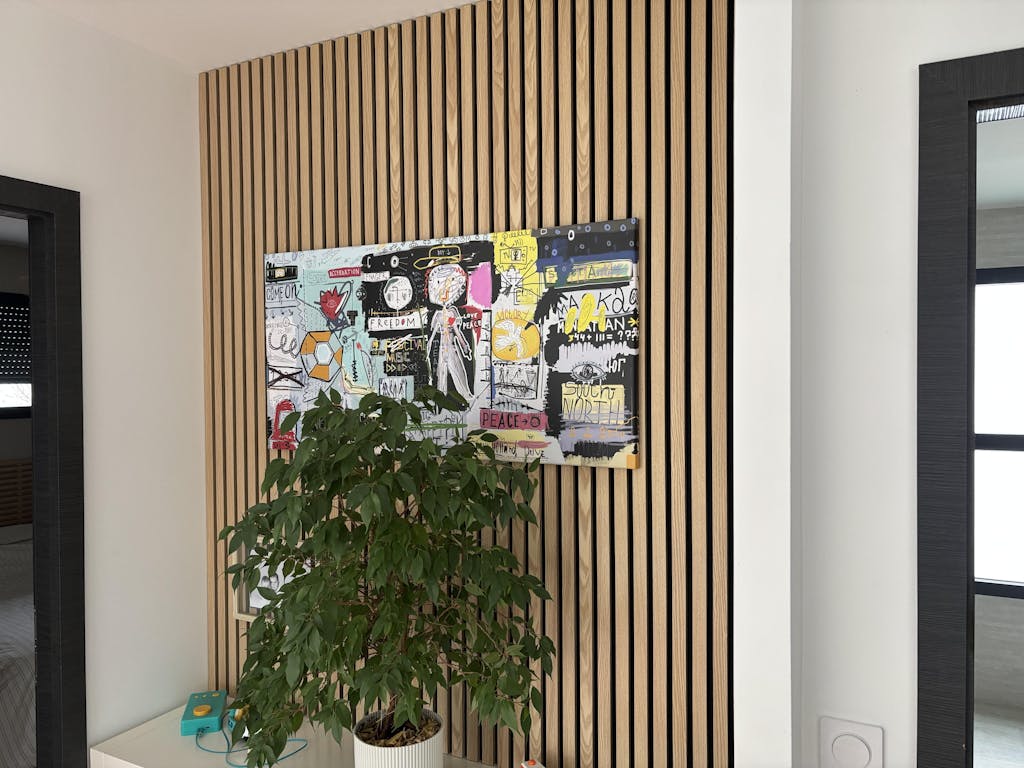
Guide to Framing a Canvas
Framing a canvas can truly transform a piece of art: it adds a more elegant touch and provides better protection for your painting.
Whether it's a decorative canvas or a painting that means a lot to you, a frame enhances the details and instantly gives a more “finished” appearance.
The most complicated part is often choosing the right frame: there are lots of styles, colors, and materials, and it's easy to feel unsure.
This guide is here to help you see clearly, step by step. Whether you want to do it yourself or go through a professional, you will find the right solution.
You will learn how to frame a canvas easily, how to choose a suitable frame, and which tips to use to preserve and display your artwork in the best possible way.
Why frame a canvas? The benefits for your artwork
Framing a canvas offers many advantages. Not only does it protect the artwork, but it also enhances its appearance.
A frame can highlight the colors and style of your painting. It acts as a transition between the artwork and its surroundings.
Protection is another major benefit. The frame protects the canvas from dust, damage, and UV rays.
By adding a frame, the perceived artistic value often increases. A well-chosen frame can transform a simple canvas into a masterpiece.
Here are the main benefits of framing a canvas:
-
Protects against dust and UV rays
-
Enhances aesthetics and perceived value
-
Completes and harmonizes with the surrounding decor
When well-framed, your canvas becomes a true asset for your space.

The different types of frames for decorative canvases
Choosing the right frame for your decorative canvas is crucial. It influences how the artwork is presented. Different types of frames offer various aesthetic options.
Classic wooden frames are elegant and versatile. Wood suits many styles of decor.
Metal frames add a modern touch. They are durable and perfect for contemporary environments.
Some canvases are better without glass. This allows direct appreciation of the texture and details.
Here’s an overview of the different options:
-
Classic wooden frames
-
Modern metal frames
-
Floating frame (American box) for a floating appearance
Each frame style offers unique advantages. Choosing the right frame can transform your canvas and make it memorable.


Classic frame
The classic frame is timeless. It suits almost all types of artworks.
Made of wood, it brings warmth and depth. This type of frame perfectly complements traditional works.
Classic frames come in various finishes. The choice of wood can influence the overall shade and texture.
Finishes range from simple stains to elaborate paints. This allows you to personalize the frame according to your artwork’s style.

American box (floating frame)
The American box, also known as a floating frame, is modern. This frame offers an airy look.
It creates space between the canvas and the frame. This gives the impression that the canvas is floating.
This type of frame is ideal for modern works. It emphasizes the canvas itself.
Floating frames are often used for professional exhibitions. They bring a contemporary touch to galleries.

Other options: nail cover, shadow box, and custom frames
In addition to classic and floating frames, other options exist. The nail cover is minimalist, hiding the fixings.
Shadow boxes frame thick canvases. Their depth creates an extra dimension.
Custom frames meet specific needs. They adapt to all sizes and styles of artworks.
Additional options:
-
Nail cover: minimalist
-
Shadow box: visual depth
-
Custom frames: total customization
For a unique presentation, these options are ideal. They allow you to meet the specific requirements of each canvas.

How to choose the ideal frame for your canvas?
Choosing the perfect frame requires careful thought. You need to balance style, function, and context. Each canvas has its own needs.
Start by assessing the artwork’s aesthetic. A good frame will enhance the image without overpowering it.
Consider the place of the canvas in the room. The frame should harmonize with the existing decor.
Ask yourself the right questions:
-
What emotion do you want to convey?
-
What is the style of the room where the canvas will be hung?
-
Are you looking for a modern or classic look?
Take the time to compare different options. The chosen frame can magnify your canvas, elevating it to a centerpiece.

Aesthetic criteria: style, color, and harmony
Visual harmony is essential when choosing a frame. The frame’s style should complement the artwork without distracting from it.
The color of the frame influences how the canvas is perceived. A frame that is too bright may draw attention away.
Consider how materials reflect light. Some add warmth, others a modern touch.
Criteria for a harmonious choice:
-
Frame style: modern, classic
-
Color: accents or harmonizes
-
Materials: wood, metal, plastic
A thoughtful approach ensures that your canvas blends harmoniously with its environment.
Technical criteria: dimensions, depth, and materials
The frame dimensions must be precise. Carefully measure your canvas before purchasing.
Depth is also a key factor. It should match the thickness of the canvas, especially if there is no stretcher bar.
Choose sturdy materials to ensure durability. Common options include wood and metal.
Technical points to consider:
-
Exact canvas dimensions
-
Depth suited to thickness
-
Choice of durable materials
Meeting these criteria ensures proper framing that protects and enhances your artwork.

Framing a painting yourself: step-by-step guide
Framing a painting yourself is both rewarding and cost-effective. You'll need a clear plan and the right materials to succeed.
Start by deciding on the style of frame you want to use. Make sure it complements your painting.
Follow these simple steps for a professional result:
-
Gather all the necessary tools.
-
Properly prepare the canvas.
-
Carefully install the canvas into the frame.
If you're working on a canvas with a stretcher, the approach is slightly different. You'll need special screws to secure the canvas.
Focus on the details during installation. Every move should be precise and measured.

Materials needed to frame a canvas
Gather the right materials before you start. This will greatly simplify your framing process.
Here’s what you’ll need:
-
Frame of your choice
-
Tape measure and level
-
Clamping keys and screwdriver
-
Adhesives and artist's glues
-
Screws, nails, and angle brackets
Careful preparation ensures a professional and durable result.

Preparing the canvas: with or without stretcher bars
Preparing the canvas is crucial. It depends on whether a stretcher bar is present.
For a canvas with a stretcher, check its sturdiness before framing. Fix any imbalance you find.
If your canvas does not have a stretcher, temporarily secure it with clamps.
Key steps for preparation:
-
Check the structural integrity of the stretcher
-
For canvases without a stretcher: use clamps to hold it in place
-
Make sure the canvas is properly stretched
Each step ensures that your canvas stays in place once framed.

Mounting the canvas into the frame
Mounting the canvas into the frame must be precise. Careful installation is essential to avoid any damage.
Start by placing the canvas in the frame. Make sure it is properly centered.
Secure the canvas with appropriate screws. Use nails for frames without a stretcher.
Steps for mounting the canvas:
-
Carefully center in the frame
-
Use screws or nails to secure
-
Check horizontality with a level
A meticulous approach ensures a well-framed canvas, ready to be admired.

Making a wooden frame for canvas: DIY tutorial
Creating a wooden frame adds a personal touch to your canvas. It’s an affordable and rewarding method.
Start by choosing the type of wood. Pine and oak are often used for their strength and appearance.
Then follow these steps to make your frame:
-
Measure the canvas precisely.
-
Cut the wooden slats according to the measurements.
-
Assemble the slats to form the frame.
When cutting, make sure you have perfect angles for clean joints. Use a miter saw for more precision.

Finally, assemble the pieces with wood glue. After drying, reinforce the corners with screws. This sturdiness ensures a durable frame.
Add a finish by sanding and applying stain or varnish. This will highlight the wood’s natural grain.
Final checklist:
-
Use precise measuring tools
-
Take care with the finish
-
Test the sturdiness before framing
With patience and attention to detail, your wooden frame will become a work of art in itself.

Framing a canvas without a stretcher: solutions and tips
Framing a canvas without a stretcher can seem complex. Yet, with the right techniques, it becomes manageable.
Choose a frame suitable for unstretched canvases. A simple floater frame, for example, can provide an elegant solution.
Start by stretching the canvas over a rigid support. This will help maintain its shape during the framing process.
Here are some practical tips:
-
Use adhesive tape to temporarily secure the canvas.
-
Make sure the surface is perfectly flat.
-
Check the alignment before final fixation.
Once these steps are completed, insert the canvas into the frame. Use fixing clips to hold it in place.

This simplified method allows you to showcase your artwork, even without an initial stretcher. The art of framing lies in adaptation and innovation.
Having a canvas framed by a professional: how does it work?
Entrusting your canvas to a professional guarantees a neat result. Experts assess your piece to determine the best approach.
You begin by choosing the type of frame you want. Then, materials and finishes are selected according to your budget.
Many options are available, such as protective glass or matting. The professional will guide you to harmonize your choice with your artwork.
The process includes:
-
Initial consultation to define your needs.
-
Selection of materials and frame style.
-
Assembly and finishing by a qualified craftsman.
A professional service ensures the preservation and enhancement of your artwork.

Benefits of custom framing service
Custom framing service offers many advantages. You benefit from personalized advice tailored to each piece.
These benefits include:
-
Expertise of an experienced framer.
-
Extensive customization options.
-
Use of superior quality materials.
Custom framing guarantees a unique result, designed to enhance your canvas and meet your aesthetic expectations.
Cost and lead times for professional framing
The costs of professional framing vary. They depend on your material choices and the complexity of the frame.
Generally, consider:
-
A basic budget for a standard frame.
-
Additional costs for specialized materials.
-
Lead times from a few days to several weeks, depending on the project.
Rates often include consultations and adjustments. Planning for these aspects ensures no surprises.
Tips to preserve and showcase your framed canvas
Once framed, your canvas deserves to be showcased. For this, it is crucial to choose the ideal location. Choose a wall that does not receive direct sunlight.
Preservation involves regular maintenance. Gently dust the frame with a soft cloth to prevent the buildup of dust.
Avoid humid environments that could damage the canvas. Here are some tips for maintenance:
-
Clean regularly with a dry cloth.
-
Avoid exposure to direct sunlight.
-
Maintain stable ambient humidity.
Following these recommendations will preserve the beauty of your canvas.

Frequently asked questions about canvas framing
What is the best way to choose a frame?
Choose a frame that complements the style and colors of your canvas. Make sure it is sturdy enough.
Should I frame my canvas with or without glass?
Framing without glass is often preferable for canvases, so you can better appreciate the texture of the paint.
What is the difference between a frame and a floater frame?
A floater frame leaves space around the canvas, creating a modern floating effect.
How can I protect my framed canvas?
Avoid direct sunlight and control room humidity for better conservation.
Is DIY more cost-effective than professional framing?
Framing a canvas yourself can be more economical, but a professional provides a quality finish.
Where can I find tutorials to frame on my own?
Many tutorials are available online, especially on specialized websites and video platforms.
- Choose a harmonious frame. - Avoid direct exposure to sunlight. - Consider using acid-free materials.
Conclusion: Enhance your artworks through framing
Framing your canvas is more than a mere formality. It’s a gesture that adds value and protects your art. By wisely choosing the frame, you give character to your pieces and enrich your interior decoration.
Explore the options, whether you choose DIY or a professional service. Each framed painting tells a story. Make yours captivating and memorable. Transform your space and express your style through art and its framing.