A Journey Through the Ages and Styles
What is art?
The world of art is as vast as it is fascinating. From the artistic creations of early humans to modern pop art works, art has always played a key role in our existence.
But what is its definition? What is the purpose of art? This subject seems simple, but it is infinitely complex. In this article, we will explore these questions in depth.

Definition of Art
Art is an artistic expression that captures the creativity, emotions, and craftsmanship of individuals. It can range from wall decoration in your living room to colorful pop art paintings hung in a gallery. Contemporary art, in particular, often challenges our traditional views, thanks to works by people like Andy Warhol or Marcel Duchamp.
The History of Art: From Its Origins to the Present Day
A Journey Through Time
The world of art is as diverse as it is intriguing, stretching from prehistoric art to contemporary innovations. One question, however, remains: How long has art existed? To find an answer, we must venture into the twists and turns of human history, passing through the different eras and movements that have marked the history of art.
First Steps: Prehistoric Art
The oldest known manifestation of art dates back about 40,000 years, during the Stone Age. Art at that time mainly had a ritual or symbolic character. Works ranged from simple engravings to complex wall paintings in caves. More than just wall decoration, it was a form of communication and an expression of spiritual beliefs.
Classicism: The Greeks and the Romans
Moving on to the classical era, standards of beauty and art were more strictly defined. Greek and Roman civilizations produced works of art that sought to capture an idealization of the human form and nature. It was not just a masterpiece for the eyes, but also a triumph of technical skill.
The Medieval Period to the Renaissance: Spirituality and Humanism
Medieval art was mainly focused on religion and often served as a means of education for the illiterate. With the Renaissance, art took a humanistic turn, giving more importance to the individual and earthly life, while integrating new techniques such as perspective.
Modern and Contemporary Art: Definitions and Concepts
With the arrival of modern art, the traditional boundaries of art were called into question. Pop art, contemporary art, and other movements paved the way for a variety of means of expression, constantly challenging our way of defining art.
Conclusion: Art, a Mirror of Humanity
The history of art is a rich and varied tapestry, reflecting cultural, social, and individual changes throughout the ages. Whether it is abstract art, living room decoration, or more traditional forms of art, art remains an open window into the values, aspirations, and ideas of each era.

Evolution and Styles: Understanding Artistic Movements across the Ages
Introduction to Evolutions
It is difficult to talk about art without addressing its constant evolution. From the birth of the first wall decoration to contemporary artworks, art has traversed various eras, styles, and movements. This journey has allowed the creation of a visual language and techniques that vary from movement to movement, offering original wall decorations, abstract paintings, and masterpieces that defy time.
Baroque: Extravagance and Emotion

The baroque movement, which rose to prominence at the end of the 16th century, was all about opulence and extravagance. Going far beyond simple living room decoration, the works of this period were a riot of details and emotions, often used to convey religious or royal messages. Baroque art is undoubtedly among the masterpieces of art history.
Romanticism: Nature and Feeling

Emerging at the end of the 18th century, Romanticism stands out for its focus on nature and human emotions. With this movement, abstract art takes a back seat to grand landscapes and expressive portraits. Romantic works are often open windows onto the passions, fears, and hopes of their era.
Pop Art: Mass Culture and Irony

Pop Art emerged in the 1950s and is intrinsically linked to mass culture. Pop Art artists like Andy Warhol transformed elements of popular culture into art, blurring the lines between "high" and "low" art. The works of this movement are often colorful, ironic, and have a strong visual impact, making them excellent options for modern wall decor.
Definition of Art Through the Ages
Every era and every movement have contributed to defining art in a new way, adding layers of complexity and richness to our understanding of what works of art can be.
Whether it is the need to express religious convictions or personal feelings, or to criticize and reflect society, art has always been a mirror of humanity at a given moment.
Conclusion: The Wealth of Artistic Styles
From the opulence of Baroque to the expressiveness of Romanticism, passing through the irony of Pop Art, the history of art is marked by a variety of styles and movements that continue to enrich our world.
These different trends have offered a diverse palette of original wall decorations, abstract paintings, and masterpieces that continue to influence artistic creation to this day. It is only by understanding these various evolutions that we can truly appreciate art in all its complexity. Current Trends of Pop Art
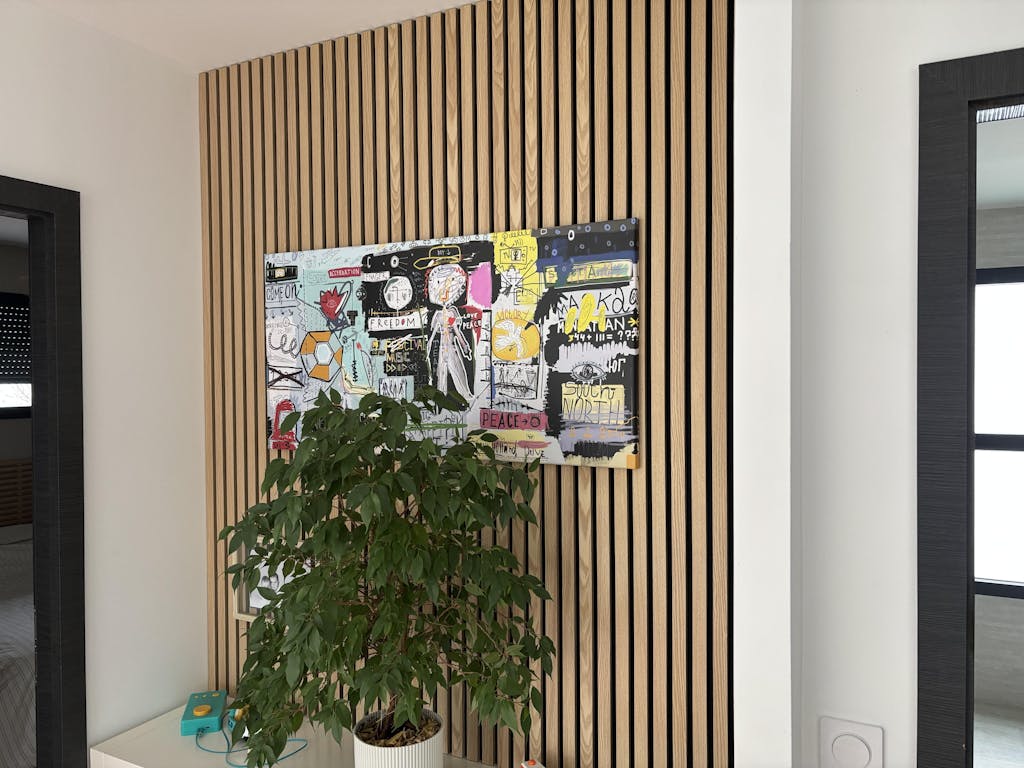
In the world of American pop art, contemporary pop artists continue to explore this vibrant style. They use bold colors to create pop paintings that capture the essence of popular culture.
A perfect example would be a New York pop artist who uses elements of urban life to create colorful works. This type of pop art painting fits perfectly in a modern living room decor, adding a dynamic and contemporary touch to your space. These works are often hung next to original wall decorations to create a unique atmosphere.
Expanding the Notion of Art in Interior Decoration
Contemporary art has a special place in modern wall decoration. Whether it’s iconic works of art or more discreet pieces, the choice of wall decor can transform the atmosphere of an entire room or your living room decor.
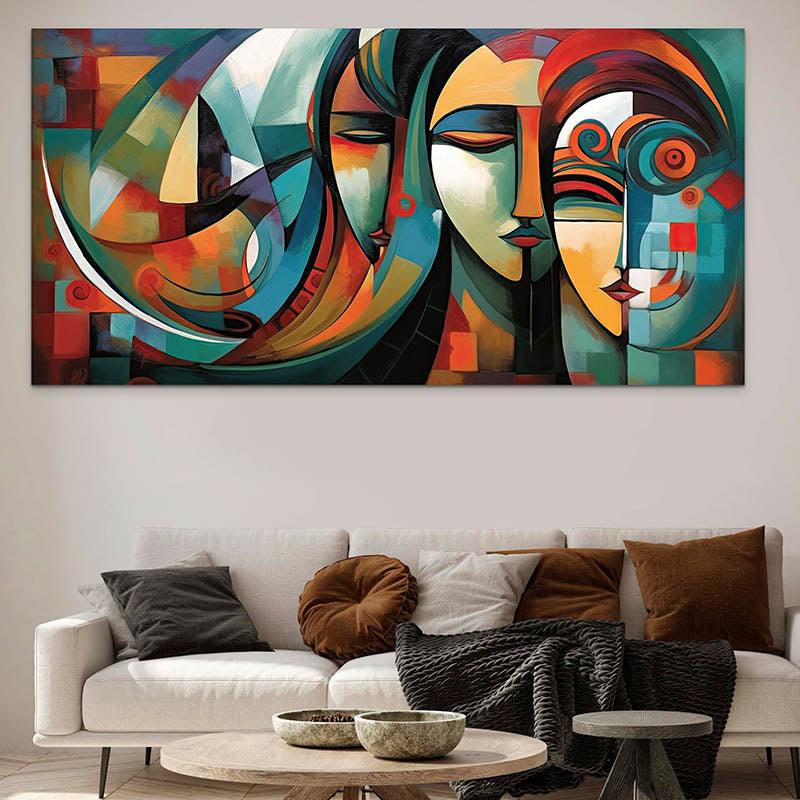
In particular, abstract art has found its way into many homes, offering intriguing visual escapes that stimulate thought and imagination. The addition of carefully selected living room decor can therefore go beyond pure aesthetics and take on a deeper meaning.
A masterpiece can spark discussions, move people emotionally, and redefine art in a personal way for each individual.

Conclusion
Art is much more than a simple wall decoration or a design idea for your living room. It is a universal mode of expression that has transcended ages, cultures, and borders. From abstract art to pop art, from the 18th century to today, art continues to evolve while remaining a constant pillar of human society. Each artwork, every artistic movement, and every artist contributes to the rich tapestry that is the history of art.